
- Why Has DIY Car Repair Become So Hard?
- Real-World Example: Hyundai Ioniq 5 and the Brake Pad Dilemma
- Security or Just Market Lock-In?
- DIY Car Repairs: Then and Now
- The Expert and Professional Perspective
- The Future of Car Maintenance: What Are Owners’ Options?
- Pro Tips for Dedicated DIYers
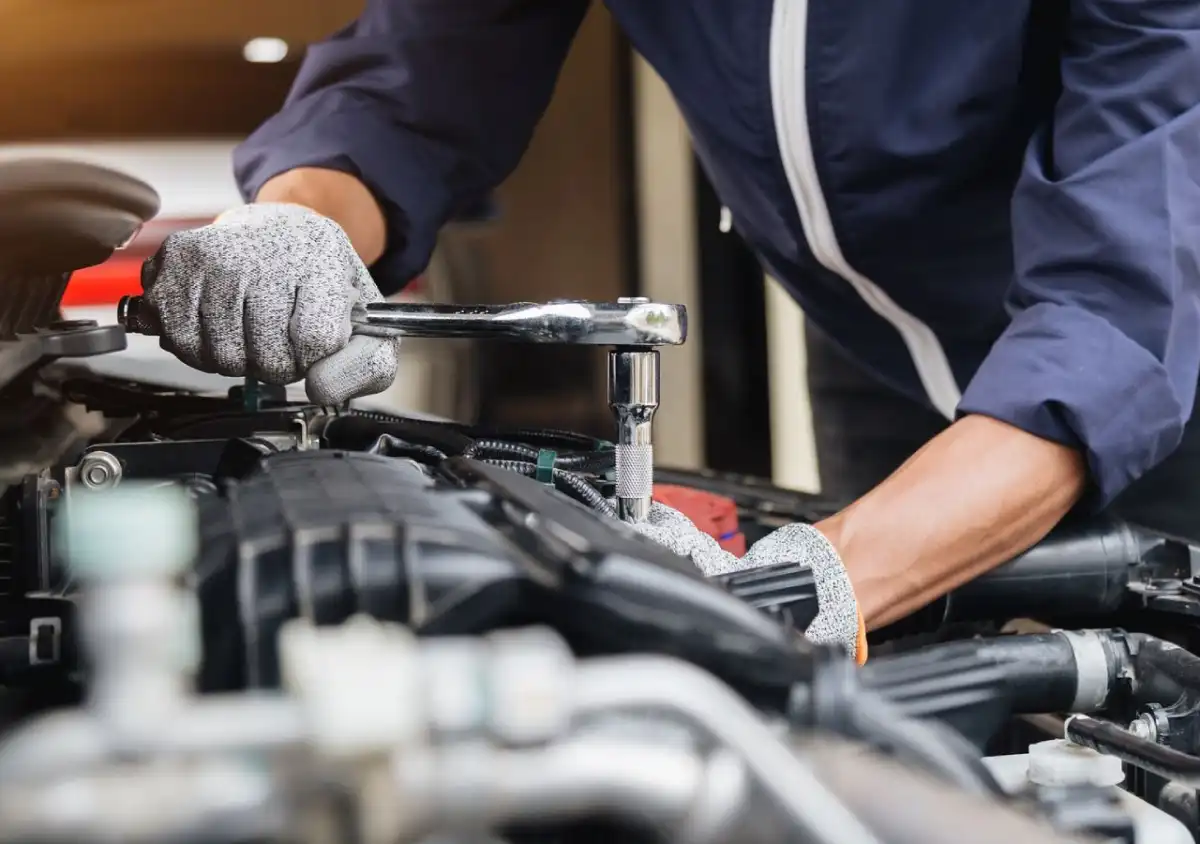
Not long ago, a determined car owner with a wrench and some patience could handle routine maintenance—brake jobs, sensors, even small electronics—without needing a university degree or a dealership invoice. Today, even as “Right to Repair” laws expand in some countries, automakers’ push for electronic security and proprietary software is closing off many once-simple repairs, forcing owners either to pay up at the dealer or give up on DIY.
Why Has DIY Car Repair Become So Hard?
Car systems that were once fully mechanical are now controlled by electronic modules and protected by the main ECU.
Automakers impose escalating restrictions on diagnostic access, meaning even “basic” tasks may now need high-level tools, digital authorizations, or factory credentials.
Anti-theft and cybersecurity measures—originally aimed at criminals—now often block legitimate owners from repairing their own cars.
Real-World Example: Hyundai Ioniq 5 and the Brake Pad Dilemma
Brake pad swaps used to require just a manual tool and a little know-how.
Now, with electronic parking brakes (EPB) found in virtually every new model, you must activate a special “maintenance mode”—sometimes via a complicated button sequence, often through a proprietary diagnostic tool.
On cars like the Hyundai Ioniq 5, retracting the caliper pistons can only be done with bi-directional scan tools, which cost from $800 to over $5,000, plus a weekly subscription fee for necessary software.
Even with federally-mandated “universal” communication protocols (like J2534), automakers restrict which tools work and charge extra for software keys or access.
Security or Just Market Lock-In?
Automakers and organizations like NASTF (National Automotive Service Task Force) are central to modern automotive cybersecurity, running systems that require security professionals or locksmiths to obtain credentials for bi-directional tests or key programming.
The stated goal is anti-theft—preventing rogue actors from easily hacking or reprogramming cars. But it comes at the cost of user autonomy: now, even maintenance shops must apply for credentials for tasks like electronic brake servicing or battery swaps.
For everyday drivers, this means high bills, longer wait times, and shrinking repair options.
DIY Car Repairs: Then and Now
The Expert and Professional Perspective
Right-to-repair advocates say anti-theft is no excuse for forcing owners to pay dealers for basic upkeep.
Security for key programming and anti-theft tech is warranted, but it shouldn’t extend to locking out pad swaps, lightbulb changes, or battery replacement.
Despite the existence of standards like J2534, automakers restrict which functions are open—in practice, the right tool can be hard to find or prohibitively expensive.
The Future of Car Maintenance: What Are Owners’ Options?
Independent shops must invest tens of thousands in tools and annual credentials, costs that are passed on to customers.
Legislative campaigns are growing: US, EU, and now the Middle East are moving towards wider software access rights for the aftermarket—but progress is slow.
Subscription-based tools and remote repair are proliferating, but costs and complexity remain obstacles for casual DIYers.
Pro Tips for Dedicated DIYers
A quality multi-brand scanner (with up-to-date bi-directional capabilities) is a smart investment for advanced hobbyists.
Join online repair forums and user groups for updated software hacks and real-world workarounds.
Seek partnerships with independent garages who may share diagnostic subscriptions or bring tough jobs in-house for a fraction of dealer prices.
Accept that new models will require more time, money, and research to maintain at home—or buy pre-electronic classics if total independence is your goal.