

- Incident Overview
- Waymo System vs Human Drivers — Reaction Capabilities
- Why School Zones Are a Major Challenge
- Saudi Market Closely Monitoring Developments
- Expected Regulatory Challenges in 2026
- The Bigger Safety Question: Can AI Ever Be “Perfect”?
- Key Lessons Learned
At the beginning of 2026, Waymo self-driving cars were considered among the most advanced smart mobility technologies worldwide. However, an incident involving a child near an elementary school ignited global debate about whether artificial intelligence can truly match — or surpass — human judgment in sensitive environments.
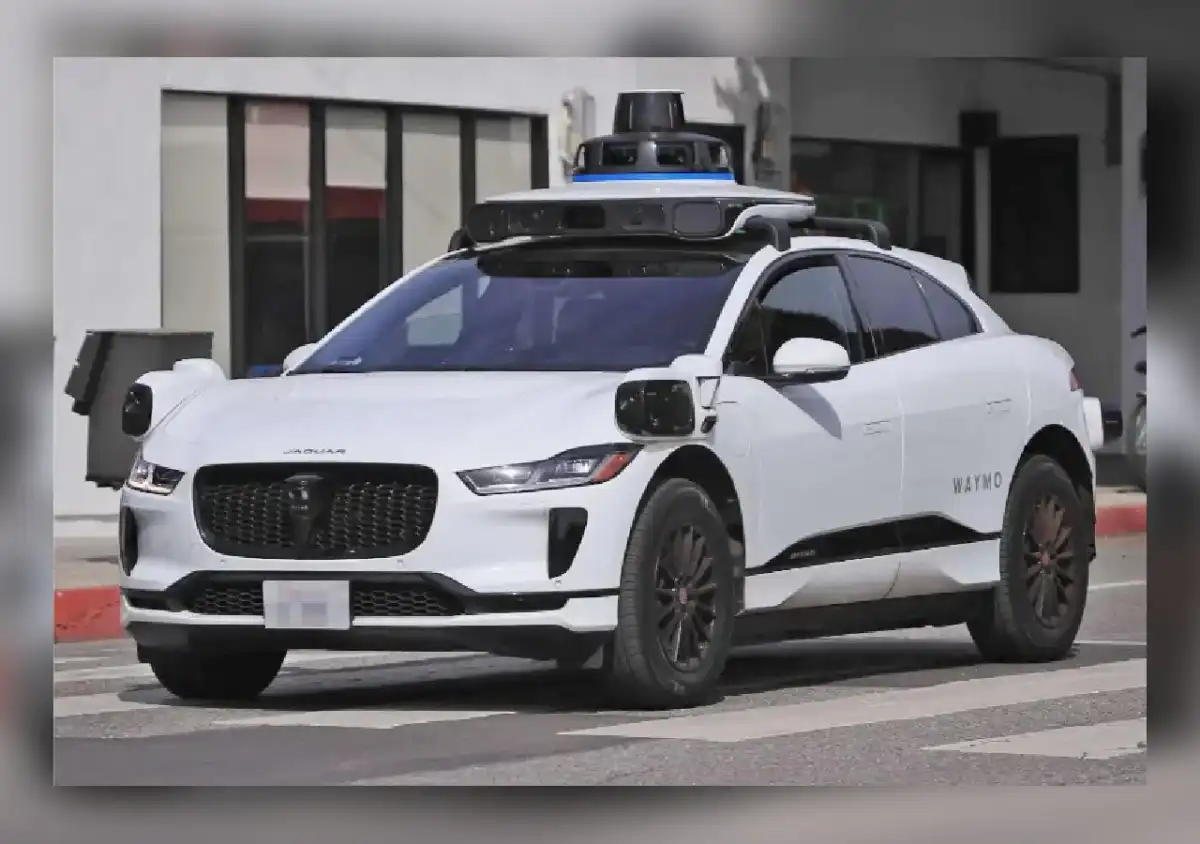
Incident Overview
On January 23, 2026, during the morning rush hour — a time marked by heavy traffic and pedestrian movement — an unexpected situation unfolded:
A child suddenly emerged from behind a poorly parked vehicle
A Waymo self-driving car made contact with the child while operating autonomously
The child sustained minor injuries and was able to stand up independently
Federal authorities immediately launched an official investigation
The incident quickly spread across media platforms, reigniting concerns about the real-world readiness of autonomous driving systems.
Waymo System vs Human Drivers — Reaction Capabilities
Aspect | Waymo Self-Driving System | Human Driver |
|---|---|---|
Reaction speed | Immediate braking upon detection | Delayed human response |
Impact speed | Approx. 10 km/h | Often exceeds 20 km/h |
Post-incident action | Automatic stop and emergency notification | Depends on driver awareness |
Data suggests the autonomous system significantly reduced collision severity.
However, the critical question remains: is “better” good enough in school zones?
Why School Zones Are a Major Challenge
School environments differ dramatically from highways or commercial streets. They are highly dynamic zones with unpredictable movement patterns, especially involving children.
Key challenges include:
Children appearing suddenly from behind vehicles
Rapid, irrational behavioral changes
Inconsistent or unclear traffic signage
Heavy congestion during drop-off and pick-up hours
In such settings, anticipating human behavior becomes essential — an area where AI systems still face limitations.
Saudi Market Closely Monitoring Developments
Saudi Arabia is investing heavily in smart mobility and artificial intelligence as part of Vision 2030. Incidents like this directly influence:
Autonomous vehicle adoption strategies in major cities
Safety regulations around school zones
Future traffic laws and AI governance
Public trust in self-driving technology
Smart transportation is not only about efficiency and sustainability — safety remains the ultimate benchmark.
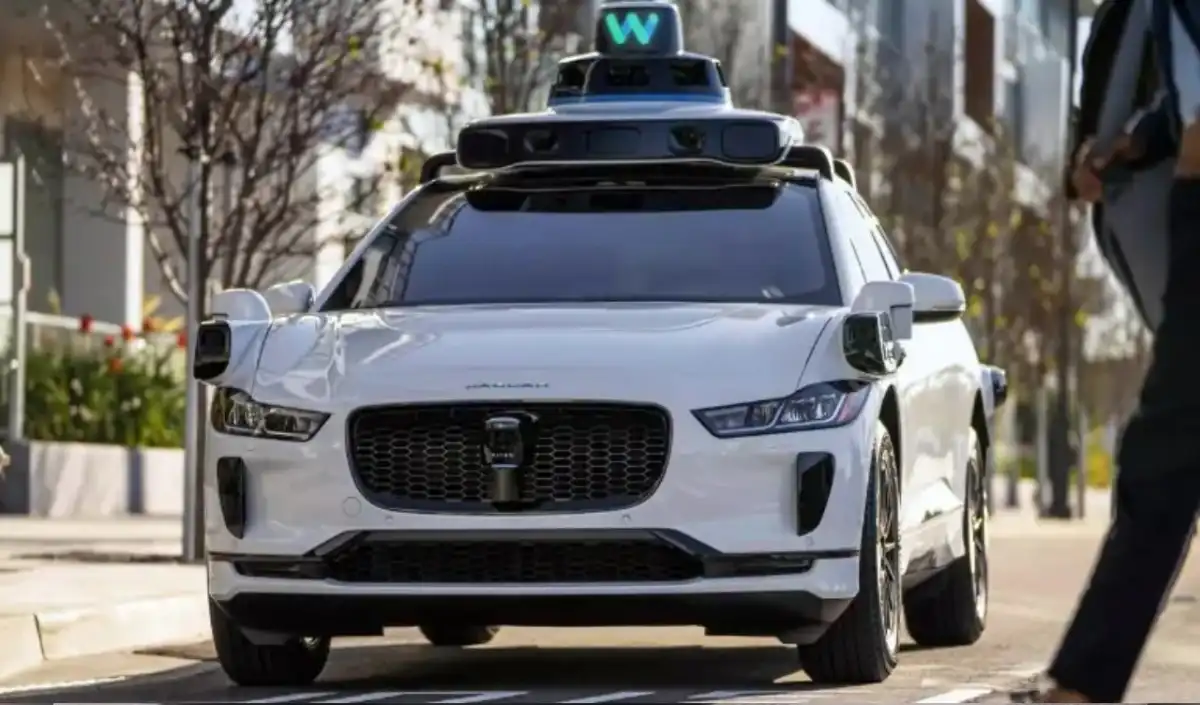
Expected Regulatory Challenges in 2026
Key Software and Policy Updates
Enforcing ultra-low speed limits near schools
Conducting advanced simulations of complex real-world scenarios
Increasing software safety certification requirements
Establishing transparent data-sharing frameworks between companies and regulators
While these measures may increase operational costs, they significantly enhance safety in high-risk areas.
The Bigger Safety Question: Can AI Ever Be “Perfect”?
To date, no system — human or artificial — can predict every sudden movement or unexpected scenario. The greatest challenge for autonomous driving lies in fully understanding human context, not merely obeying traffic rules, but interpreting intent, uncertainty, and emotion.
Key Lessons Learned
The Waymo incident triggered a formal federal investigation.
Autonomous systems demonstrated faster reaction times than human drivers.
School zones remain one of the most complex environments for AI.
The Saudi market is closely observing developments to refine regulations.
Technological advancement must always align with strict safety standards.
In 2026, autonomous driving technology continues to showcase remarkable potential. Yet, human lives — especially children — must always come first. Until artificial intelligence can fully comprehend complex human behavior, safety must remain the cornerstone of every deployment decision.