

- Home EV Charging in Dubai: The Basics
- DEWA Electricity Tariffs in 2026
- How Much Electricity Does an EV Consume?
- Impact on Your Monthly DEWA Bill
- Smart Charging: Reducing Your Costs
- Solar Power and EV Charging
- Is Home Charging Still Worth It in 2026?
As electric vehicles steadily move from novelty to normality in Dubai, home charging has become the most convenient—and most questioned—solution for EV owners. While public charging stations continue to expand across the emirate, the majority of EV drivers still prefer the simplicity of plugging in at home. Yet one key concern remains front and center: how exactly does home charging affect your DEWA electricity bill?
In 2026, with updated electricity tariffs, smarter meters, and growing EV adoption, understanding the real cost of home charging is no longer optional—it is essential. This article provides a clear, data‑driven breakdown of how charging an EV at home in Dubai impacts your DEWA bill, what variables influence monthly costs, and how residents can optimize charging without unpleasant surprises.
Home EV Charging in Dubai: The Basics
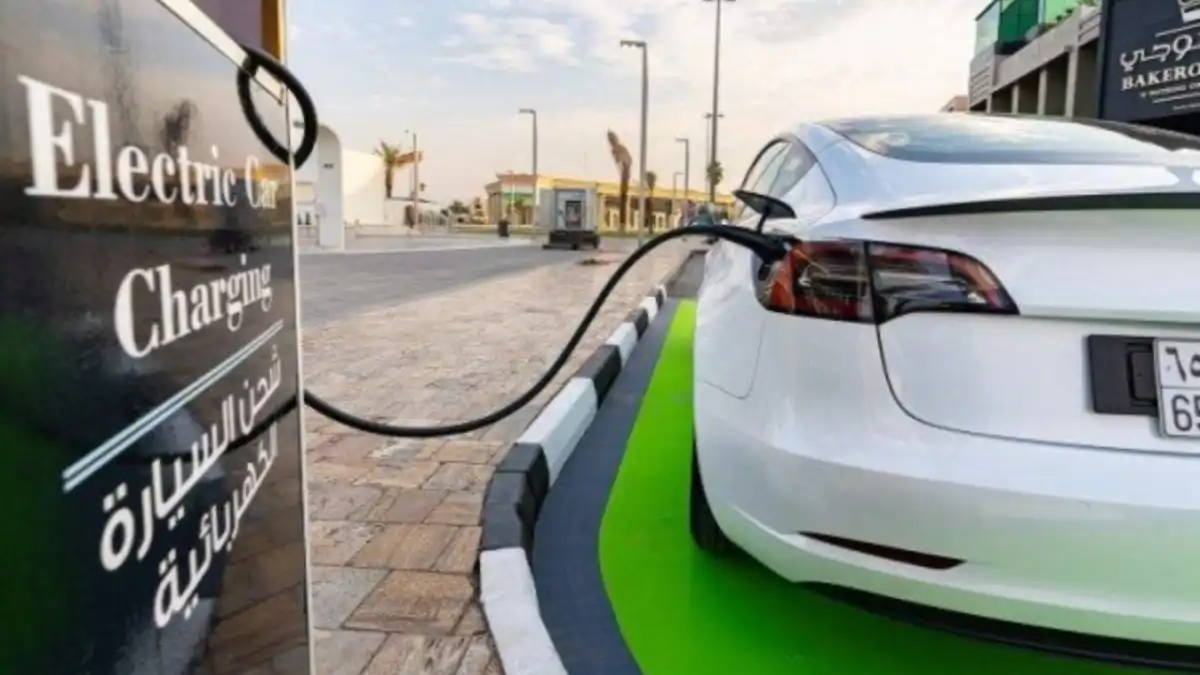
Home EV charging in Dubai typically relies on AC chargers installed in villas or residential parking spaces. Most homeowners opt for Level 2 wall‑mounted chargers, which offer a balance between charging speed, safety, and affordability.
Unlike petrol refueling, EV charging costs are not immediately visible. Instead, they are absorbed into your monthly DEWA electricity bill, making it important to understand how kilowatt‑hour (kWh) consumption translates into dirhams.
DEWA Electricity Tariffs in 2026
DEWA applies a slab‑based tariff system for residential electricity consumption. The more electricity you consume, the higher the rate per kWh becomes.
Monthly Consumption | Tariff (AED per kWh) |
|---|---|
0 – 2,000 kWh | 0.23 |
2,001 – 4,000 kWh | 0.28 |
Above 4,000 kWh | 0.38 |
In addition to electricity charges, DEWA bills include fuel surcharge adjustments and municipality fees, which indirectly increase the final amount paid by EV owners.
How Much Electricity Does an EV Consume?
Electric vehicles consume energy based on battery size, efficiency, and driving habits. On average:
Energy consumption ranges between 15–20 kWh per 100 km
Monthly driving distance in Dubai averages 1,500–2,000 km
This means a typical EV owner may consume between 300 and 400 kWh per month purely for vehicle charging.
Impact on Your Monthly DEWA Bill
Charging an EV at home adds a noticeable—but manageable—increment to your electricity bill. The final cost depends on whether EV charging pushes your household into a higher tariff slab.
Scenario | Estimated Monthly Cost |
Charging within first slab | AED 70–90 |
Crossing into second slab | AED 90–120 |
High usage villa household | AED 120–150 |
For apartments with moderate electricity usage, EV charging often remains within lower tariff brackets, keeping costs predictable.
Smart Charging: Reducing Your Costs
Dubai’s increasing adoption of smart meters and EV‑compatible chargers allows homeowners to control when and how they charge.
Key strategies include:
Charging during off‑peak nighttime hours
Avoiding simultaneous use of heavy appliances
Using smart chargers with scheduling features
These practices help stabilize household consumption and reduce the risk of tariff escalation.
Solar Power and EV Charging
For villa owners, rooftop solar systems under DEWA’s Shams Dubai initiative offer an effective way to offset EV charging costs.
Solar Integration | Benefit |
Daytime charging | Reduced grid dependence |
Net metering | Bill credits |
Long‑term savings | Lower annual energy cost |
While initial installation costs remain significant, solar‑powered EV charging delivers strong long‑term financial and environmental returns.
Is Home Charging Still Worth It in 2026?
Compared to public fast chargers—which often carry premium usage fees—home charging remains the most economical option for most Dubai residents. Beyond cost, it offers unmatched convenience, battery‑friendly charging speeds, and complete control over energy usage.
In 2026, charging your electric vehicle at home in Dubai is no longer a guessing game. With a clear understanding of DEWA tariffs, smart charging habits, and optional solar integration, EV owners can confidently manage their electricity bills while enjoying the full benefits of electric mobility.