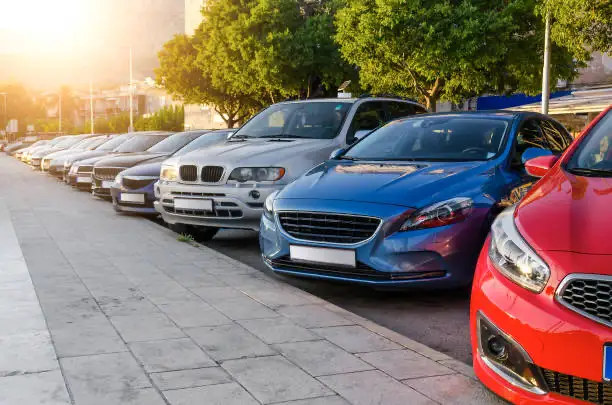

- Unexpected Shift: Why Is China Exporting So Many Gasoline Cars?
- Collapse of Western Partnerships and the Rise of Chinese Brands
- Chinese Domination of Emerging Markets: Western Losses Mount
- The Future of the Automotive Market: Will Chinese Dominance Continue?
In recent years, the global auto market has experienced a dramatic shift as Chinese brands have risen to new heights. While most attention has focused on the explosive growth of electric vehicles, Chinese automakers have quietly started exporting millions of gasoline powered cars to markets around the world. This surge is not just affecting emerging markets; it is also challenging the long standing dominance of Western automakers. Here’s a closer look at the main reasons behind this trend, its impact on competitors, and what it means for the future of the automotive industry.
Unexpected Shift: Why Is China Exporting So Many Gasoline Cars?
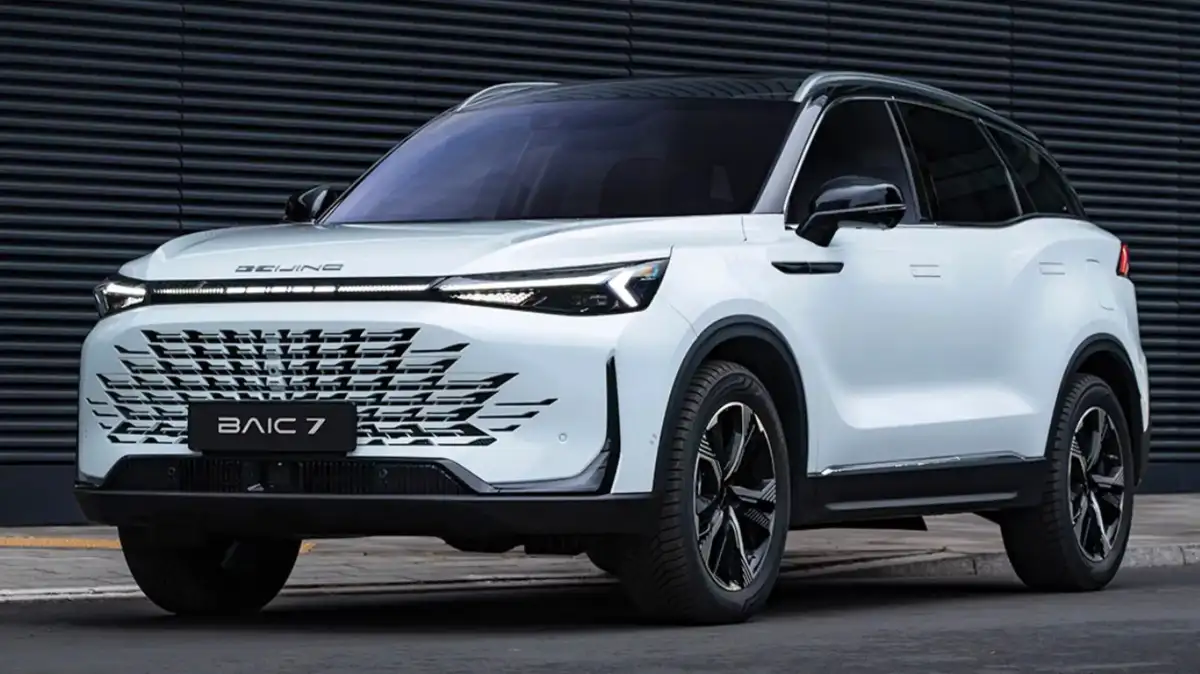
Contrary to the common belief that China’s automotive exports would be mostly electric vehicles, global markets have seen an unprecedented wave of gasoline cars coming out of China. The main reason is the rapid changes within China’s domestic market. Generous government support for electric vehicles and official policies have slashed demand for traditional gasoline models, leading to huge stockpiles of unsold cars at Chinese factories.
Automakers in China needed new markets to offload this surplus, so they turned to countries where electric vehicle infrastructure is still underdeveloped and where car prices play a crucial role in buying decisions. These include markets in Eastern Europe, South America, Africa, and Southeast Asia.
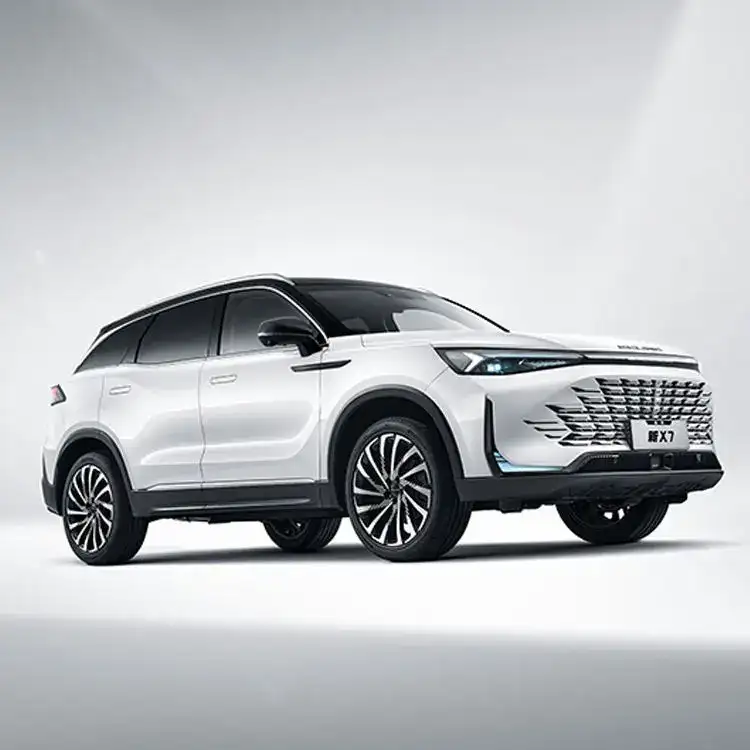
Key factors driving China’s strategy:
Massive government support for electric vehicles inside China
Sharp decline in domestic demand for gasoline cars
Factories overloaded with unsold inventory
The need to push excess production into international markets
Limited EV infrastructure in many emerging economies
The ability of Chinese companies to offer gasoline vehicles at highly competitive prices compared to Western rivals
Collapse of Western Partnerships and the Rise of Chinese Brands
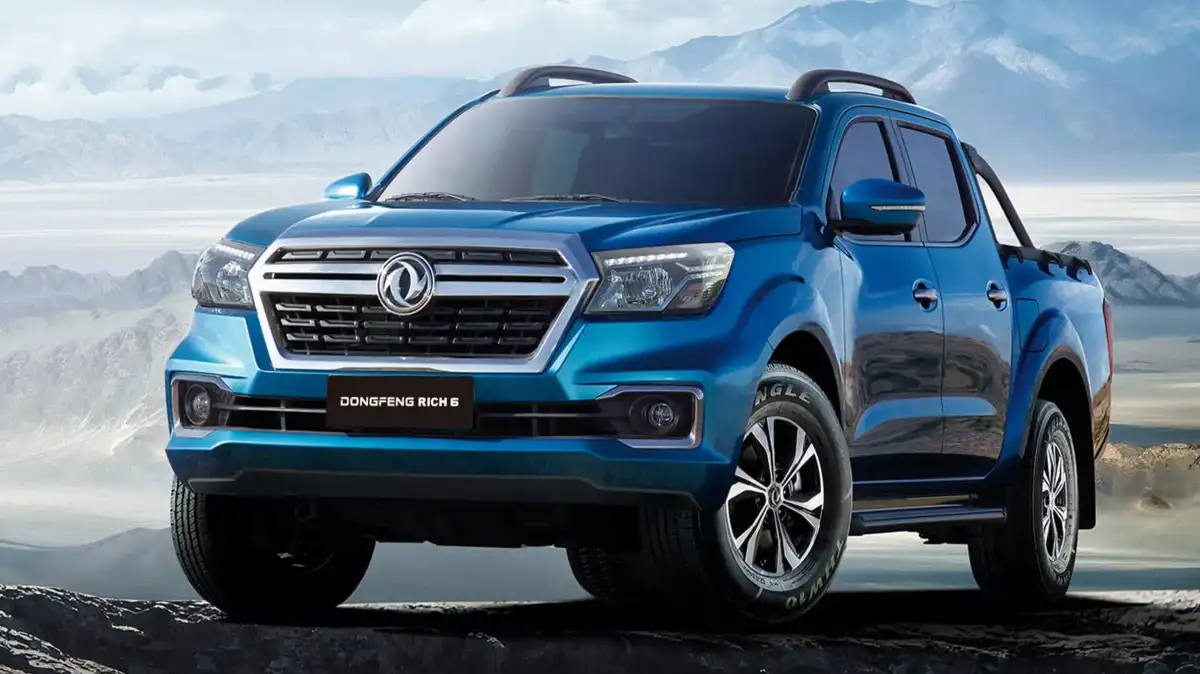
Major Chinese manufacturers such as SAIC, DongfengBahrain DongfengEgypt DongfengKSA DongfengKuwait DongfengOman DongfengQatar DongfengUAE Dongfeng, BAICKSA BAICUAE BAICQatar BAICKuwait BAICOman BAICBahrain BAICEgypt BAIC, and ChanganBahrain ChanganEgypt ChanganKSA ChanganKuwait ChanganOman ChanganQatar ChanganUAE Changan have long relied on strategic partnerships with Western names like General Motors, Nissan, and Honda. As local demand for traditional vehicles in China declined, these alliances weakened. For example, SAIC GM’s domestic sales dropped from over one million vehicles per year to less than four hundred thousand, pushing the brand to look abroad for growth.
Key outcomes of this shift include:
SAIC exported more than one million vehicles in a single year
Chery’s global sales jumped from seven hundred thousand in 2020 to more than 2.5 million in 2024, with most being gasoline powered models
Growing dependence on emerging markets as the main export outlets
Chinese cars are making clear progress in regions once dominated by American and European brands
Chinese Domination of Emerging Markets: Western Losses Mount
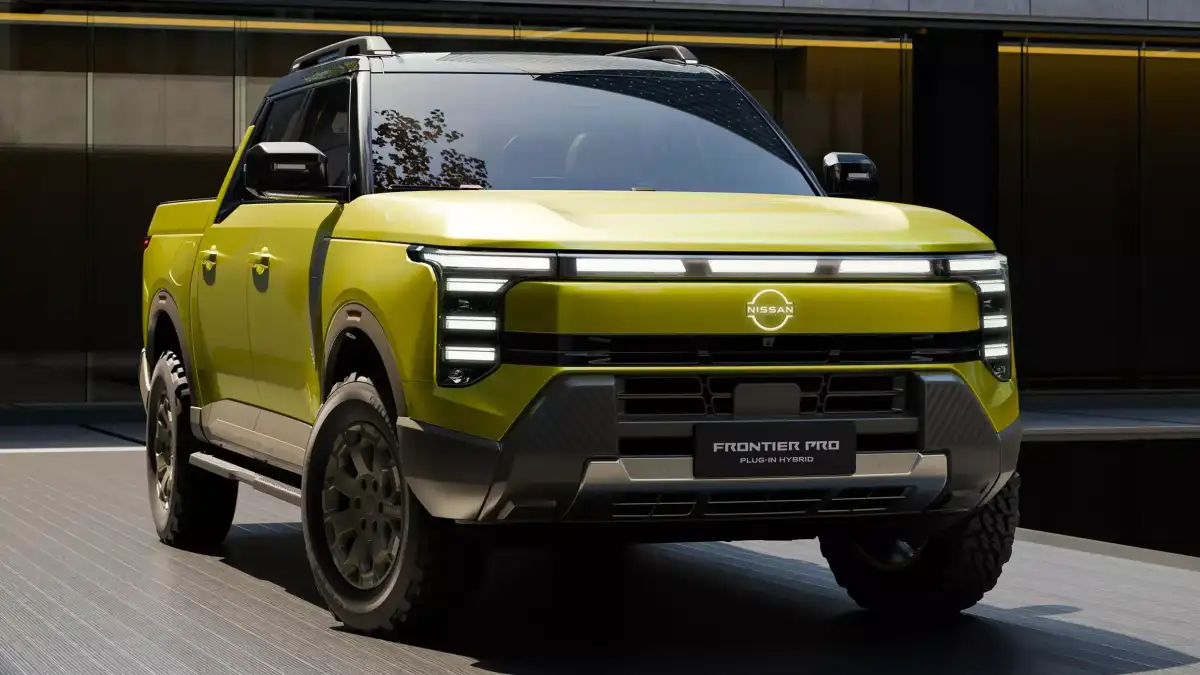
Western automakers realized too late that their new rivals were not just Chinese EVs but affordable Chinese gasoline cars. In Mexico, Chinese brands are on track to secure a fourteen percent market share. In South Africa, they now claim sixteen percent despite a negligible EV presence. In Chile, Chinese vehicles represent a third of all new car sales, with most powered by gasoline engines.
Key factors behind China’s control of these markets:
Substantial price advantages over Western models
Launching vehicles based on the same platforms and components as well known brands but for less money
Flexibility in export strategies and the ability to meet diverse market requirements
Less competition due to Western companies withdrawing or showing less interest in emerging markets
Chinese pickups now directly challenge Nissan and Ford trucks at a much lower cost
The Future of the Automotive Market: Will Chinese Dominance Continue?
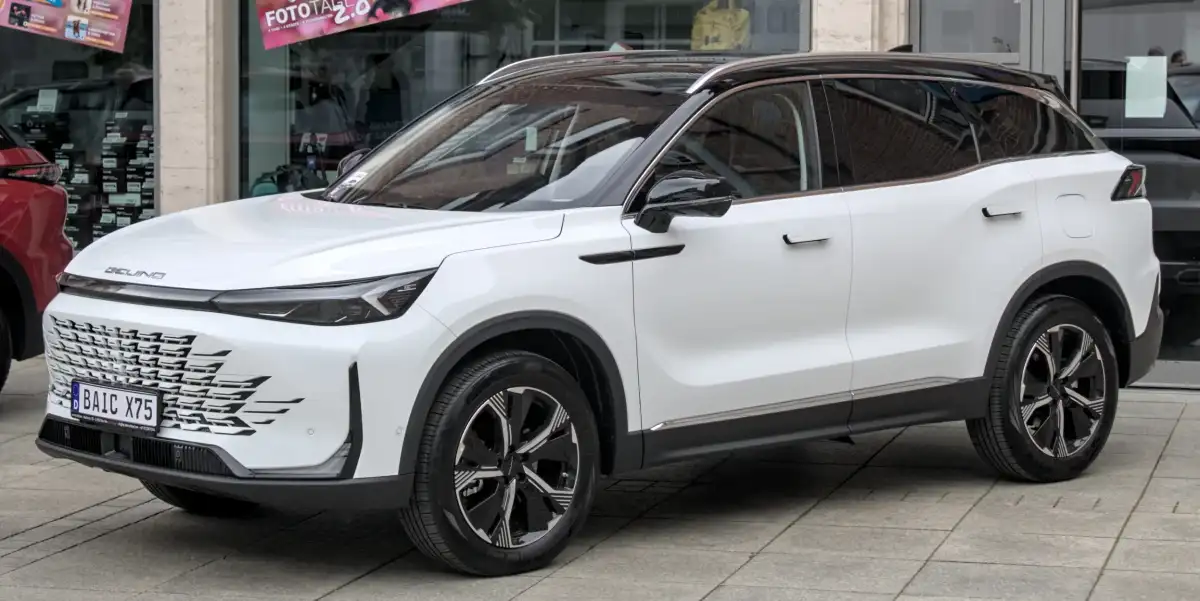
Forecasts indicate that Chinese automakers are set to add around four million more vehicles to their exports by 2030. If this trend persists, China could control nearly a third of the global car market in under five years. The transformation does not stop here, as Chinese brands are developing competitively priced electric and hybrid cars to expand into even advanced markets.