

- Introduction: Why Dakar?
- Adventure in Defender’s DNA
- New regulations opening the door for production-based cars
- Showcasing durability and capability in brutal conditions
- “Because it’s there” – the symbolic side
- Dakar: a complete challenge for people and machines
- From support vehicle to race contender
- The start of a long-term rally-raid programme
- What does this mean for Defender customers?
- The marketing angle: a real story, not just an advert
- Bullet points to spotlight within the article
- A challenge that proves what lies behind the name
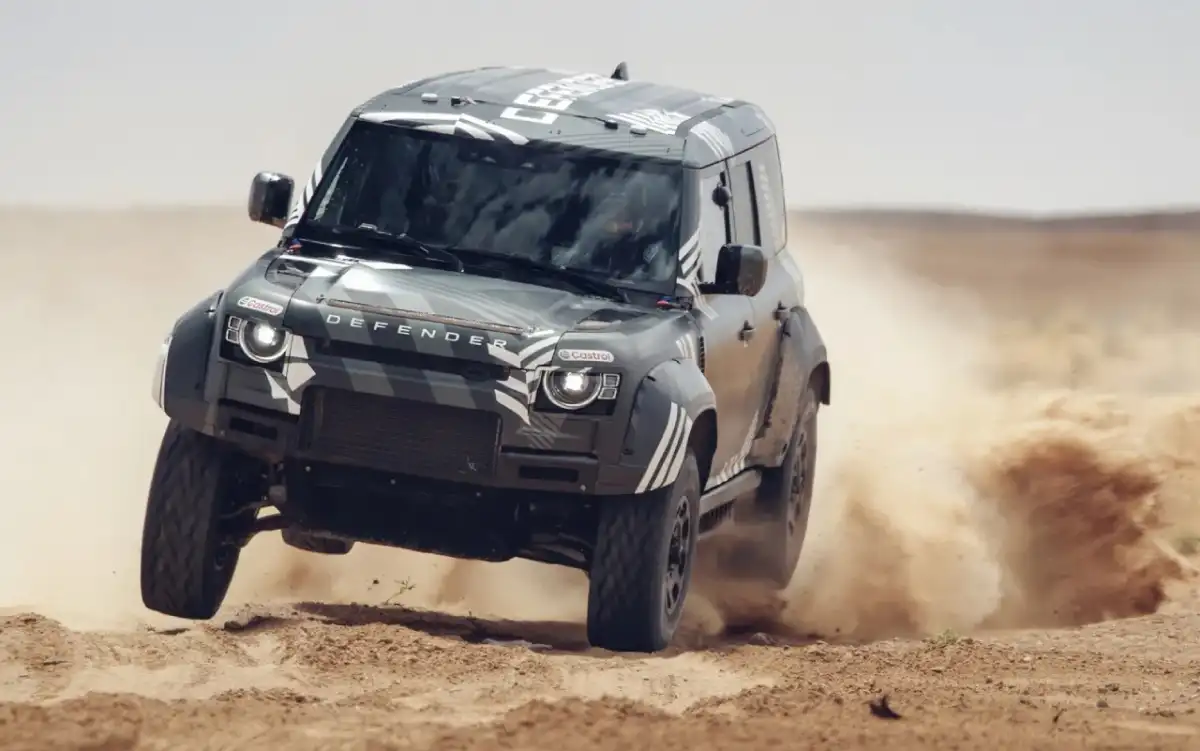
Land Rover Defender is gearing up to take on one of the toughest challenges in the automotive world: the 2026 Dakar Rally, in a move designed to prove its real-world capabilities far beyond glossy images and theoretical tests. This is not about a one‑off stunt, but a complete programme that ties the Defender name to rally‑raid competition and the World Rally-Raid Championship (W2RC) for years to come.
Introduction: Why Dakar?
The Dakar Rally is often described as the “Everest of motorsport”, a desert marathon spanning around two weeks and thousands of kilometres across brutal terrain, extreme heat, soft sand, and sharp rocks. Entering it is not just a sporting decision; it is a bold statement that a vehicle is ready to face conditions that are a worst‑case scenario for any suspension system, engine, or chassis.
Defender choosing this challenge means the brand wants to move its “spirit of adventure” image from brochure copy to real life, in front of a global audience of rally and desert‑racing fans.
Adventure in Defender’s DNA
Since the latest generation was launched, Defender has been positioned as a vehicle built for adventure and exploration, whether that means round‑the‑world trips or tackling remote trails far from paved roads.
From a marketing standpoint, it has been built around the idea of “go anywhere”. The Dakar project is about proving that this philosophy is not just a slogan, but a genuine ability to endure and perform over thousands of kilometres in extremely harsh environments.
New regulations opening the door for production-based cars
For a long time, most Dakar entries were closer to bespoke prototypes than to anything you might recognise in a showroom. With the introduction of new classes and regulations focused on production‑based vehicles, cars like the Defender can now compete in categories that keep a stronger link to their road‑going counterparts.
This change gives Defender a perfect opportunity to show what a production platform can do when modified within clearly defined limits, instead of disappearing behind one‑off racing specials with no real connection to customer vehicles.
Showcasing durability and capability in brutal conditions
One of the main goals of entering Dakar and the wider rally‑raid world is to turn the event into a “live laboratory” for durability and robustness.
In everyday use, a Defender might see gravel roads, floods, or camping trips. In Dakar, it is exposed to:
Long driving days that can run to hundreds of kilometres of sand and rocks.
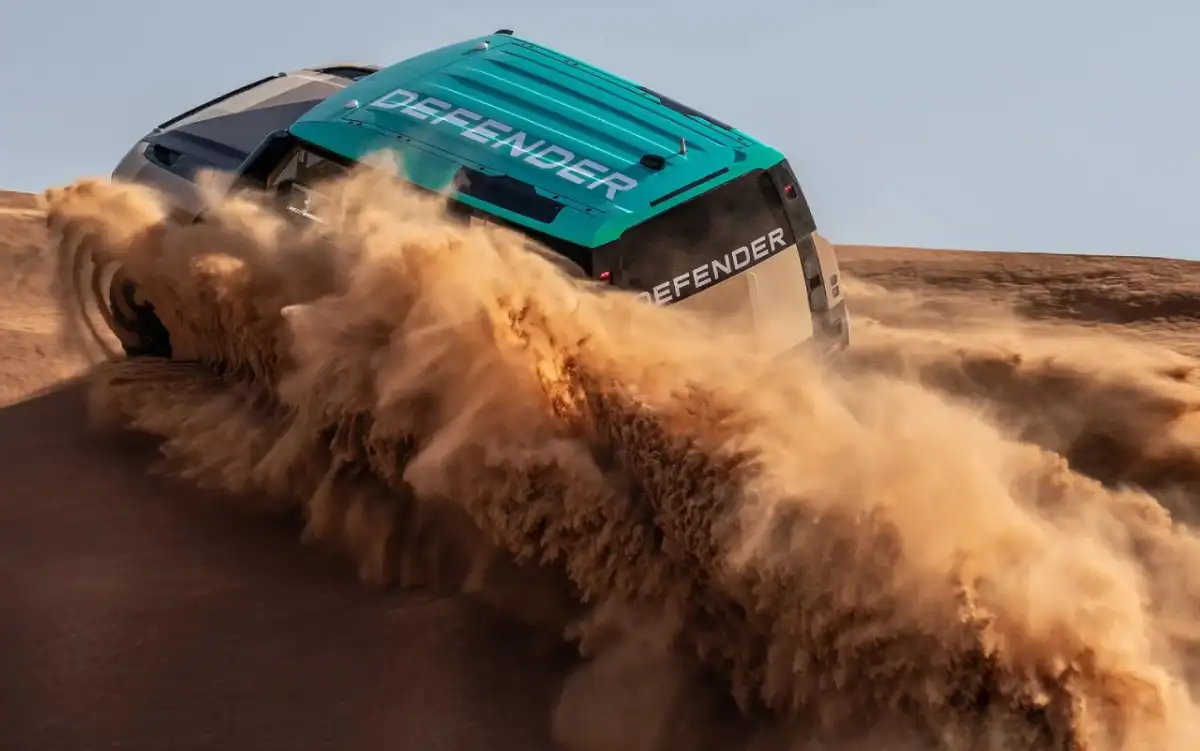
High temperatures, dust and talcum‑fine sand attacking filters, joints and moving parts.
Constant stress on the suspension, chassis, cooling systems and electronics.
If the vehicle can make it through these stages without major failures, it strongly reinforces customer confidence that the claims about toughness are more than just marketing.
“Because it’s there” – the symbolic side
There is also a clear symbolic element: historically, many great expeditions to mountains, poles and deserts started from a simple idea – “because it’s there”.
For Defender, entering Dakar can be seen as an expression of the philosophy “we face the challenge when it appears”, linking the name to a long line of explorers and drivers who chose the hardest routes.
From a brand‑image perspective, the programme reinforces Defender not only as a family or lifestyle SUV, but as a genuine tool for hardcore adventure.
Dakar: a complete challenge for people and machines
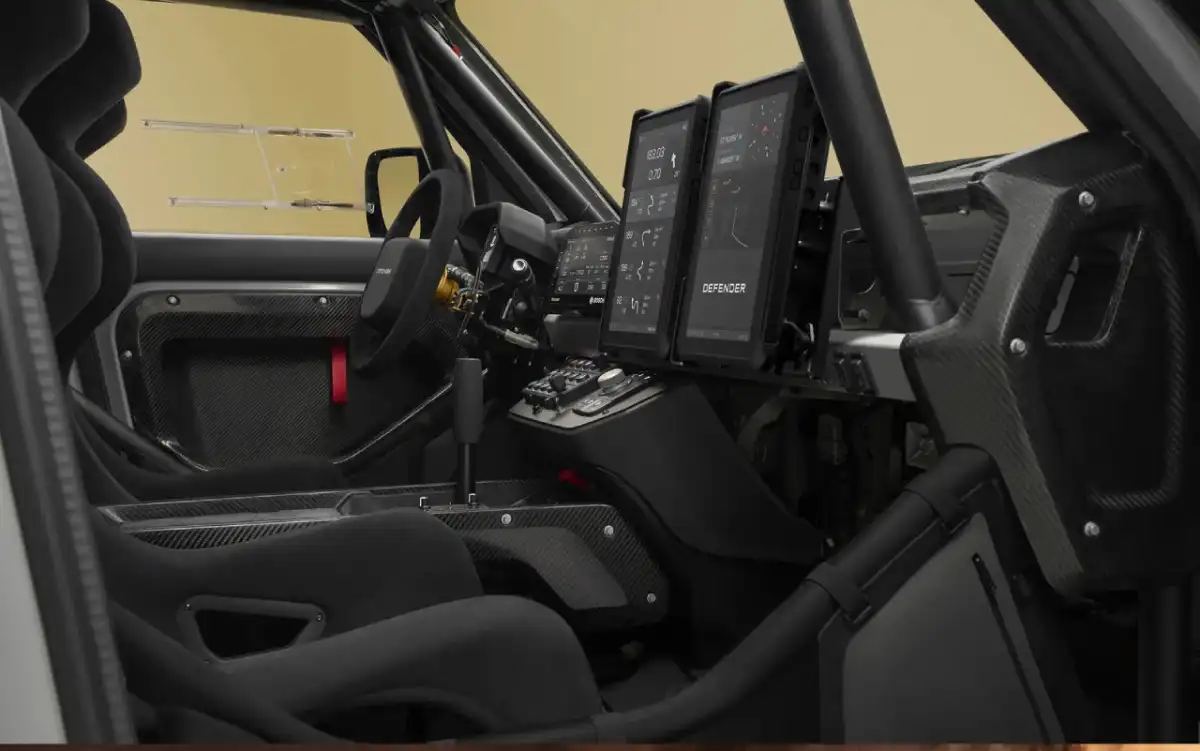
Dakar is not merely a speed contest; it is a complete exam in speed, endurance and problem‑solving under pressure.
The driver and co‑driver spend long hours every day at high levels of concentration.
The support crew works through the night to repair and prepare the vehicle for the next day’s stage.
Any mistake in navigation or reading the terrain can mean hours stuck in sand or a massive time loss.
Placing Defender in this context puts it at the heart of one of the most demanding environments in motorsport, where reliability is just as important as outright pace.
From support vehicle to race contender
Defender’s presence at Dakar did not begin from scratch; it has already served as an official support vehicle fleet, transporting organisers, medical teams and media along the route in previous editions.
That experience allowed the vehicle to operate in the same climate and terrain as the competitors, but in a support role rather than in the competitive field.
The step from “support vehicle” to “race contender” is therefore a logical evolution based on real‑world experience rather than a blind leap into the unknown.
The start of a long-term rally-raid programme
The 2026 Dakar Rally is not a standalone objective, but a starting point for a longer‑term programme in the World Rally-Raid Championship (W2RC).
That means Defender will not stop at a single event, but will tackle multiple rounds across different continents:
African or Arabian deserts.
Rocky and mountainous routes.
Mixed terrains ranging from loose gravel to deep sand.
This multi‑year commitment ensures that development will not stop after one race, but will evolve from event to event, with continuous improvements to the vehicle and set‑up.
What does this mean for Defender customers?
In practical terms, most Defender owners will never drive in Dakar‑like conditions, but the results still filter through in several ways:
Improvements in cooling, suspension tuning and control systems may eventually be incorporated into production models.
Increased confidence that the vehicle can handle tough expeditions or harsh working environments.
Stronger perceived value and desirability at resale, thanks to the association with a global rally‑raid programme.
In addition, having a dedicated rally version boosts appeal for customers interested in accessories and enhancements inspired by competition.
The marketing angle: a real story, not just an advert
From a content perspective, Defender’s entry into Dakar creates a rich narrative:
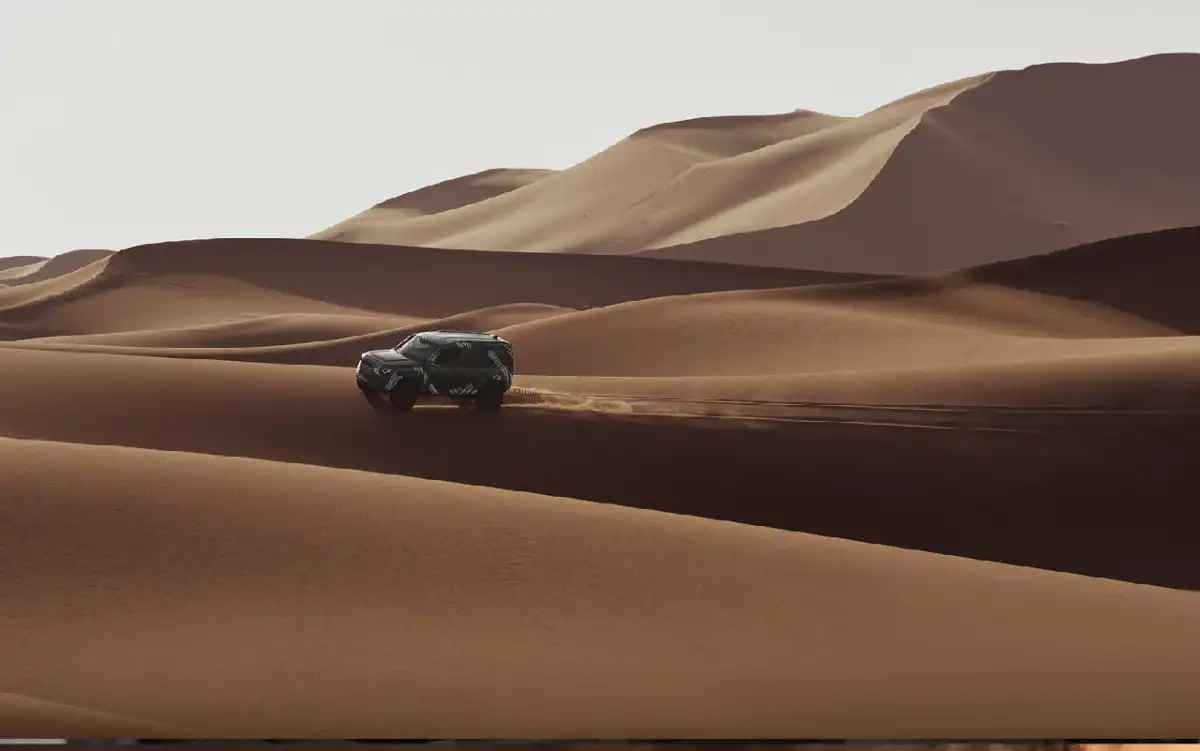
Driver training and pre‑event desert testing.
Behind‑the‑scenes coverage of stages from inside the team environment.
Documenting moments of challenge, breakdowns, rapid repairs and daily achievements.
All of this becomes video, photography and editorial material consumed through social media and media platforms, giving the brand a real story to tell instead of staged “perfect adventure” scenes in adverts.
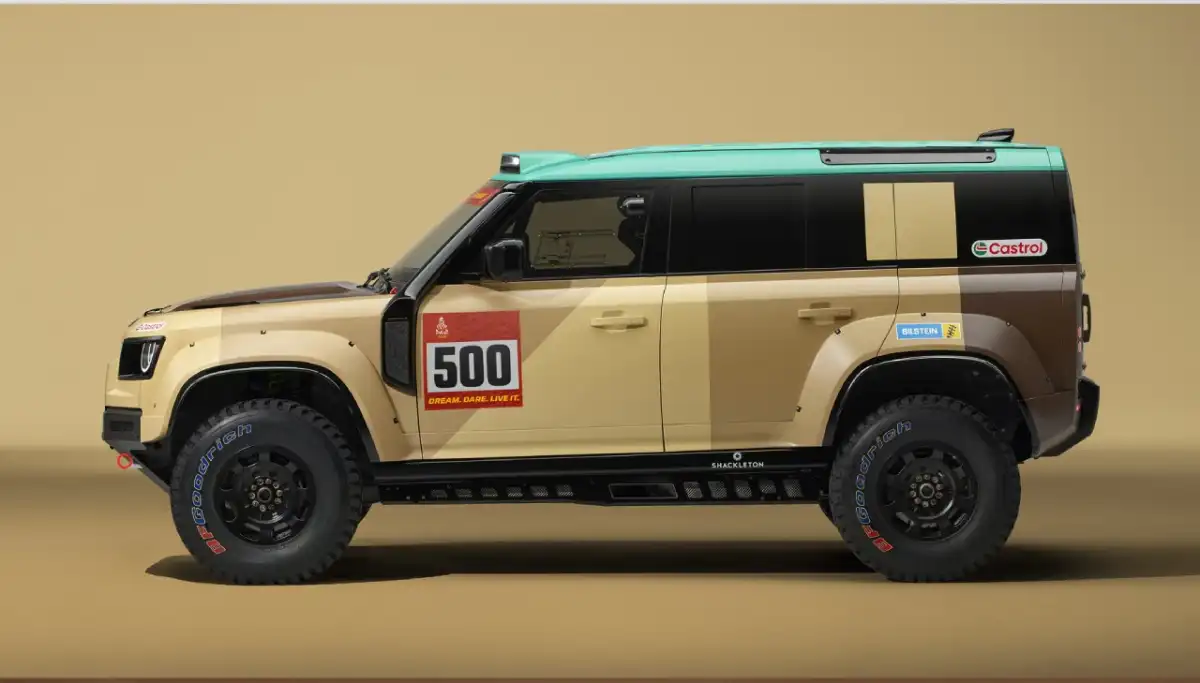
Bullet points to spotlight within the article
Dakar 2026 represents the harshest test of Defender’s capabilities in extreme desert conditions.
New production‑based classes and regulations have opened the door for a vehicle that stays recognisably close to the road-going Defender.
The entry builds on years of experience using Defender as an official support vehicle at Dakar, not from a standing start.
The programme extends beyond Dakar into multiple rounds of the World Rally-Raid Championship (W2RC).
The lessons learned will feed into further development and strengthen Defender’s image as a genuine adventure tool, not just an urban SUV.
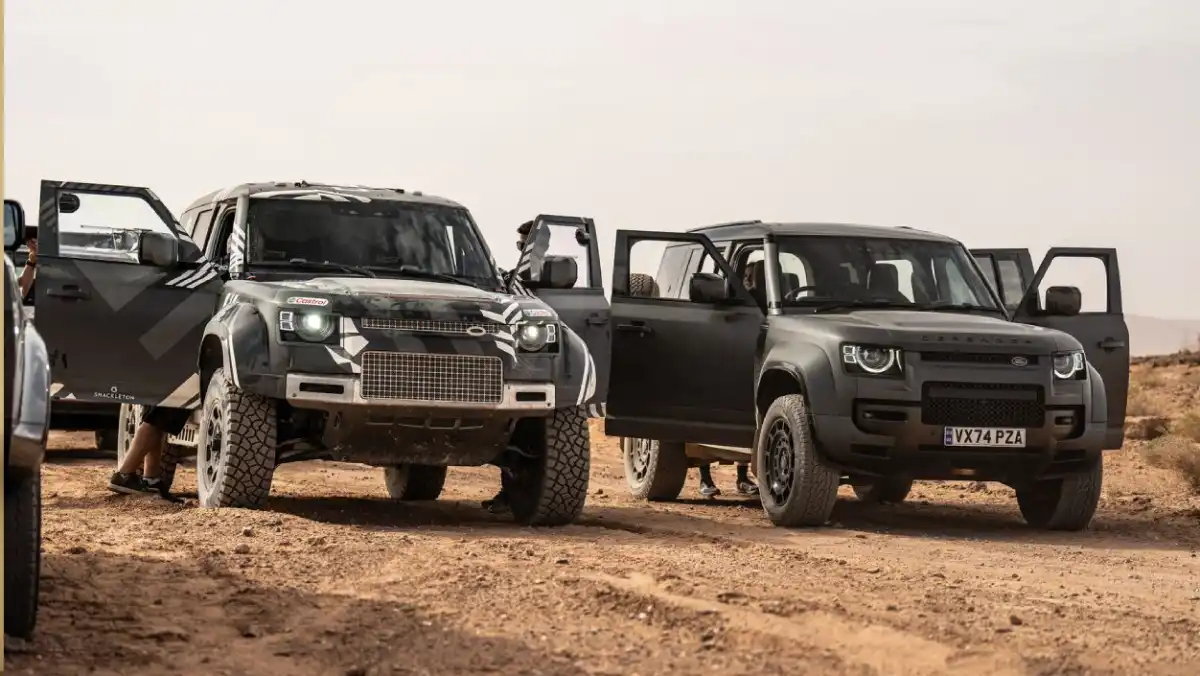
A challenge that proves what lies behind the name
Defender’s entry into the 2026 Dakar Rally can be seen as a real test of how honest the brand’s self‑image has been in recent years. If the vehicle succeeds in conquering the event’s stages, every claim about “spirit of adventure” and “legendary toughness” will shift from marketing copy to a reality backed by hard facts in the toughest arena available. In a world that increasingly values authentic stories over slogans, choosing to take on Dakar is arguably the strongest way for Defender to say: “Everything we say about ourselves, we have put to the test in the hardest place we could find.”