
- Tyres: your only contact point with the road
- 1. Tyre pressure in cooler weather
- 2. Tread depth and overall tyre condition
- Wipers and glass: clear vision in rain and fog
- 1. Inspecting and replacing wipers
- 2. Washer fluid and glass cleaning
- Lighting: critical in fog and rain
- 1. Checking all lights
- 2. Correct use of lights in fog
- 3. Cleaning headlamp lenses
- Battery and electrical systems: avoid “no start” surprises
- 1. Assessing battery condition
- 2. Managing electrical loads
- Fluids: much more than just engine oil
- 1. Engine oil
- 2. Coolant
- 3. Brake fluid
- 4. Other fluids
- Driving style: half of winter safety is the driver
- 1. Driving in rain
- 2. Driving in fog
- 3. Intercity and night/fajr driving
- Electric and hybrid cars in Dubai’s winter
- Dubai winter as a smart preventive‑maintenance window
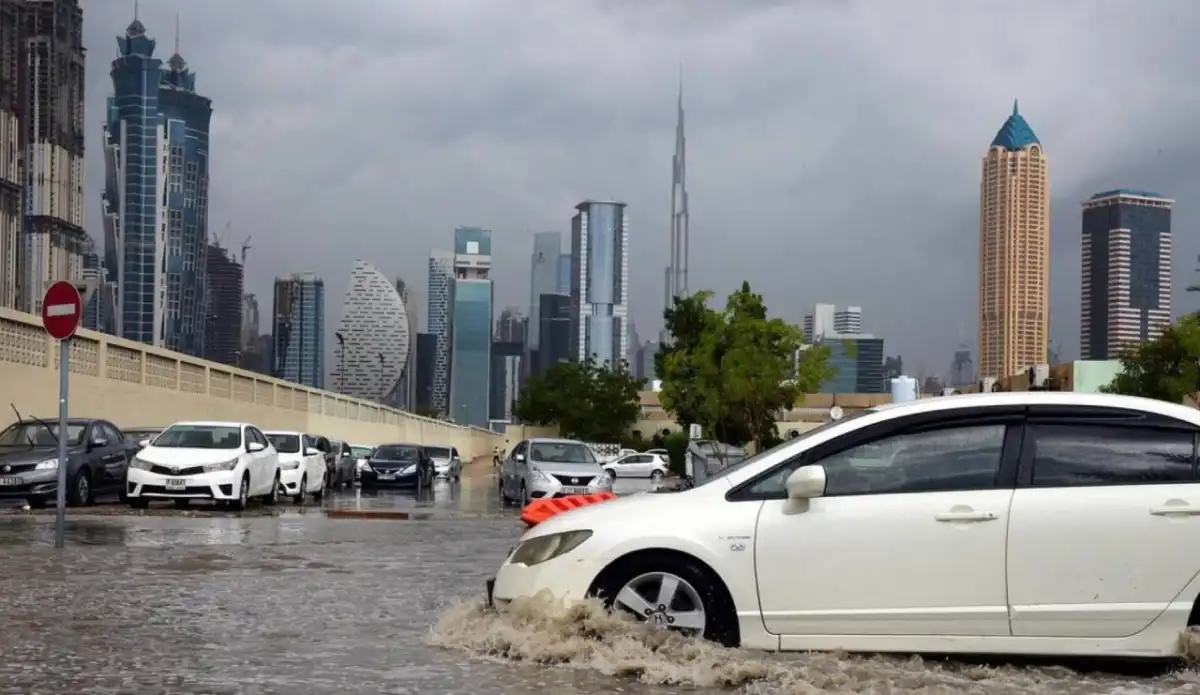
Although Dubai’s winter is mild compared to cold countries, seasonal changes introduce real challenges for drivers. Early‑morning and night‑time temperature drops, heavy fog on intercity routes, and sudden rain that can cause water pooling on some stretches all raise the risk of accidents if the vehicle is not in top condition.
Preparing for Dubai’s winter does not mean fitting snow tyres or clearing ice, but rather ensuring correct tyre pressures, checking the battery, fluids, and lights, and adopting a more cautious driving style. Focusing on these elements improves safety and protects the car’s key components over the long term.
Tyres: your only contact point with the road
Tyres are the first thing to think about when discussing safety in any season, and with changes in temperature and humidity in Dubai’s winter, monitoring them becomes essential.
1. Tyre pressure in cooler weather
Lower ambient temperatures reduce air pressure inside tyres noticeably.
Under‑inflated tyres increase fuel consumption and reduce stability, particularly on wet roads.
Check tyre pressure at least every two weeks in winter and set it to the manufacturer’s recommended values (shown on a sticker in the driver’s door frame or fuel flap).
2. Tread depth and overall tyre condition
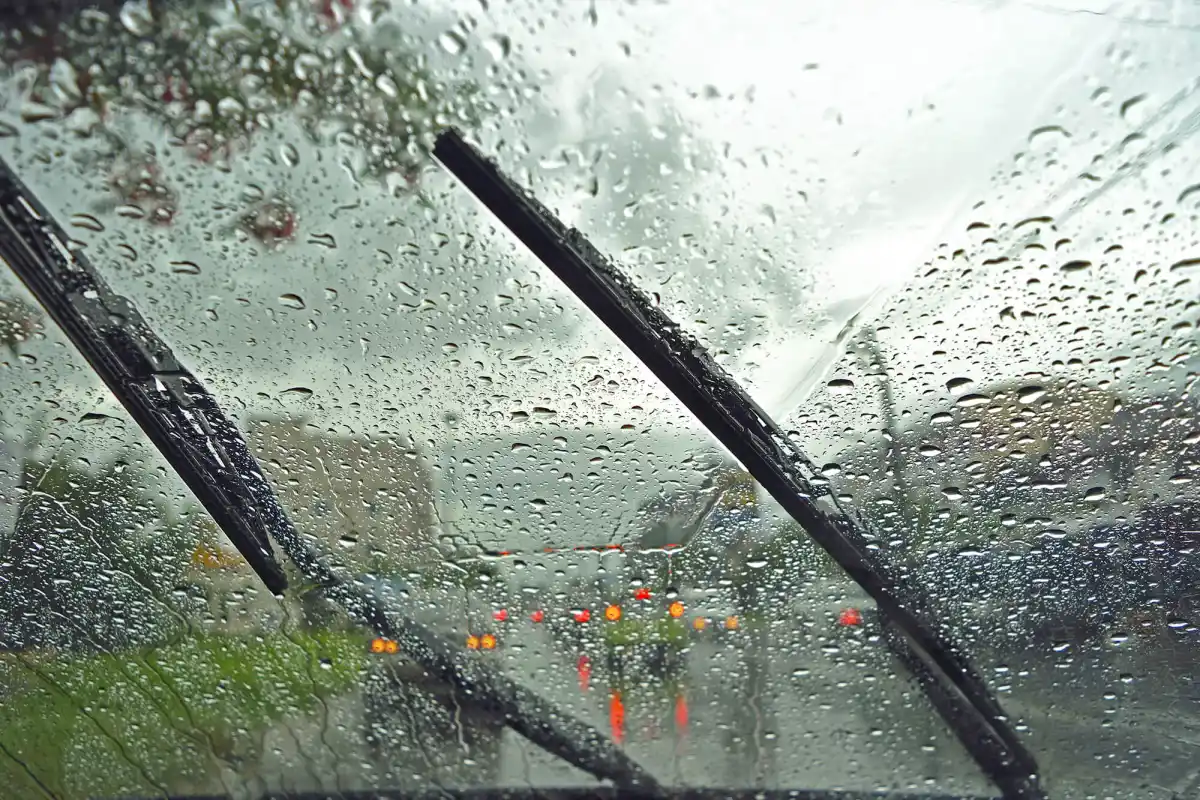
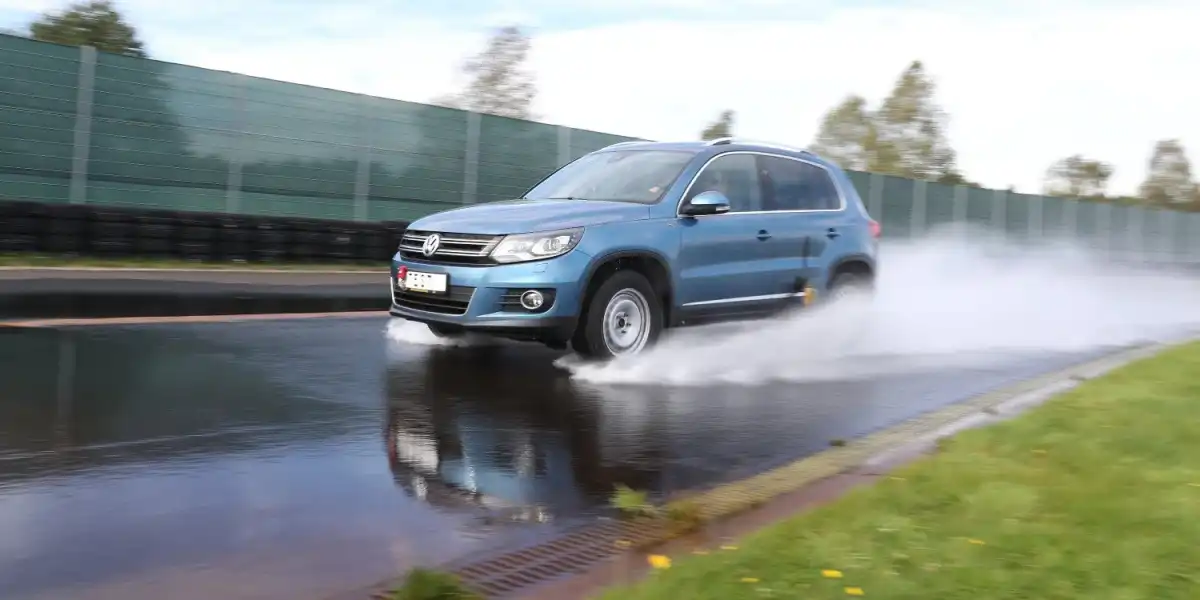
Worn tread reduces the tyre’s ability to disperse water and raises the risk of hydroplaning when crossing puddles.
Make sure tread depth is within safe limits and replace tyres that have become nearly slick.
Inspect sidewalls for cracks or bulges—both indicate structural weakness and call for immediate replacement.
Investing in tyre checks before winter is a direct investment in safety, especially at highway speeds between Dubai, Abu Dhabi, and Sharjah.
Wipers and glass: clear vision in rain and fog
Good visibility is a core safety factor, and with sudden rainfall and potential fog, preparing wipers and glass is a must.
1. Inspecting and replacing wipers
Hardened or cracked wiper blades leave streaks and smears instead of cleaning the glass.
Check front and rear wipers (if fitted) and replace them if they are old or squeak and chatter across the glass.
Choosing OEM or high‑quality blades significantly improves performance in wet conditions.
2. Washer fluid and glass cleaning
Ensure the washer fluid reservoir is topped up with a proper cleaning solution that does not leave oily residue.
Clean inside and outside glass regularly to reduce night‑time glare and help deal with interior fog caused by humidity and occupants’ breath.
These simple steps make driving in rain and light fog safer and less stressful.
Lighting: critical in fog and rain
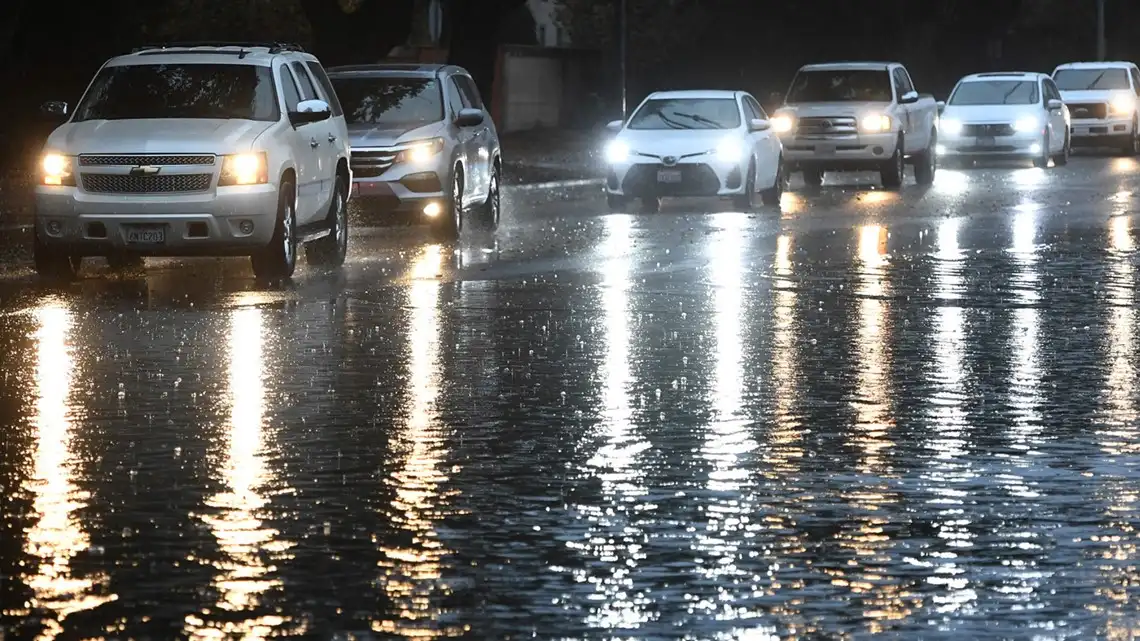
With more early‑morning and evening driving in winter, plus the possibility of fog, lighting systems play a crucial role in visibility and communication with other road users.
1. Checking all lights
Ensure both low‑ and high‑beam headlights work properly.
Check front and rear fog lights, indicators, tail lights, and brake lights.
Replace any dim, flickering, or failed bulbs immediately instead of waiting for complete failure.
2. Correct use of lights in fog
Use fog lights in low‑visibility conditions to improve your view of the road and make your car more visible to others.
Avoid using high beam in fog, as it reflects off water droplets and further reduces visibility instead of improving it.
3. Cleaning headlamp lenses
Remove dust and dirt from headlamp lenses frequently, as build‑up can significantly reduce actual light output.
Proper, well‑used lighting helps avoid accidents in poor‑visibility conditions and improves reaction time to hazards.
Battery and electrical systems: avoid “no start” surprises
Lower temperatures affect battery efficiency, especially if it is old or poorly maintained.
1. Assessing battery condition
Check battery age; in Gulf climates, effective life is often between 2–4 years, depending on use.
Have a specialist perform a voltage and load test to confirm the battery can handle cold starts and electrical loads.
Clean terminals and ensure there is no corrosion or build‑up that could impede current flow.
2. Managing electrical loads
Avoid leaving exterior or interior lights and accessories on for long periods with the engine off.
Be mindful of heavy use of air‑conditioning, heating, and seat heaters on short, repeated trips in the city, as those can discharge the battery faster than the alternator can recharge it.
Checking the battery before winter is a small step that can prevent major inconvenience on work or travel mornings.
.jpeg?x-oss-process=image/format,webp/interlace,1/quality,q_60/resize,w_1200)
Fluids: much more than just engine oil
Fluids are the hidden lifeblood of your car; they don’t show visibly, but they dictate how key systems perform in all seasons.
1. Engine oil
Confirm correct level and quality and respect the manufacturer’s change intervals.
Use the viscosity specified for local climate; do not improvise with heavier or lighter oils without technical justification.
2. Coolant
Even in a mild winter, coolant is essential for regulating engine temperature and preventing internal corrosion.
Ensure the coolant level is correct and that it is a proper antifreeze mixture, not just plain water.
3. Brake fluid
Maintain proper level and monitor any change in brake pedal feel.
Brake fluid absorbs moisture over time, which can compromise braking performance under demanding conditions, so replace it according to manufacturer recommendations.
4. Other fluids
Transmission fluid (if your model calls for periodic changes).
Power steering fluid where applicable.
Keeping these fluids in shape helps avoid unpleasant surprises when temperatures and driving conditions change.
Driving style: half of winter safety is the driver
Even if your car is perfectly prepared, your driving style remains the decisive factor in avoiding accidents during winter.
1. Driving in rain
Gradually reduce speed and avoid harsh braking on wet roads.
Increase following distance because stopping distances increase on damp surfaces.
Avoid ploughing quickly through standing water to prevent loss of control or splashing other drivers.
2. Driving in fog
Use low beam and fog lights, not high beam.
Do not tailgate; adjust speed to match actual visibility, not the posted speed limit.
Never stop in a live lane; if you must stop, pull well off the carriageway and use hazard lights.
3. Intercity and night/fajr driving
Plan trips in advance and refuel before heading onto long stretches.
Make sure your phone is charged and that you have a way to contact roadside assistance if needed.
A more conservative, calm driving style during winter dramatically reduces accident risk, even when weather changes unexpectedly.
Electric and hybrid cars in Dubai’s winter
Electric and hybrid vehicles are also affected by temperature changes, even though Dubai’s winter is mild compared to colder regions.
EV range may drop slightly due to heater use and battery thermal management.
Whenever possible, park in covered areas to reduce overnight temperature swings.
If your car offers scheduled pre‑conditioning while plugged in, use it to warm the cabin without significantly draining the battery on the move.
Understanding how your EV behaves in cooler weather helps you plan trips better and avoid range anxiety.
Dubai winter as a smart preventive‑maintenance window
Preparing your car for Dubai’s winter does not require drastic changes, but it does call for a series of smart preventive steps: checking tyres and battery, ensuring wipers and lights are effective, reviewing all major fluids, and adopting safer driving habits in rain and fog.
These measures not only improve safety; they also represent an investment in your car’s longevity and resale value in a market where many depend on their vehicles for daily commuting and inter‑emirate travel. Properly preparing your car for Dubai’s winter turns the cooler season into an opportunity to enjoy driving with fewer surprises and lower risk.