
As electric mobility moves from early adoption toward large-scale implementation, the conversation around transportation is changing. The future is no longer defined by electric vehicles alone. It depends on an interconnected ecosystem of vehicles, batteries, charging infrastructure, energy systems, digital platforms, autonomous technologies, investment and public policy.
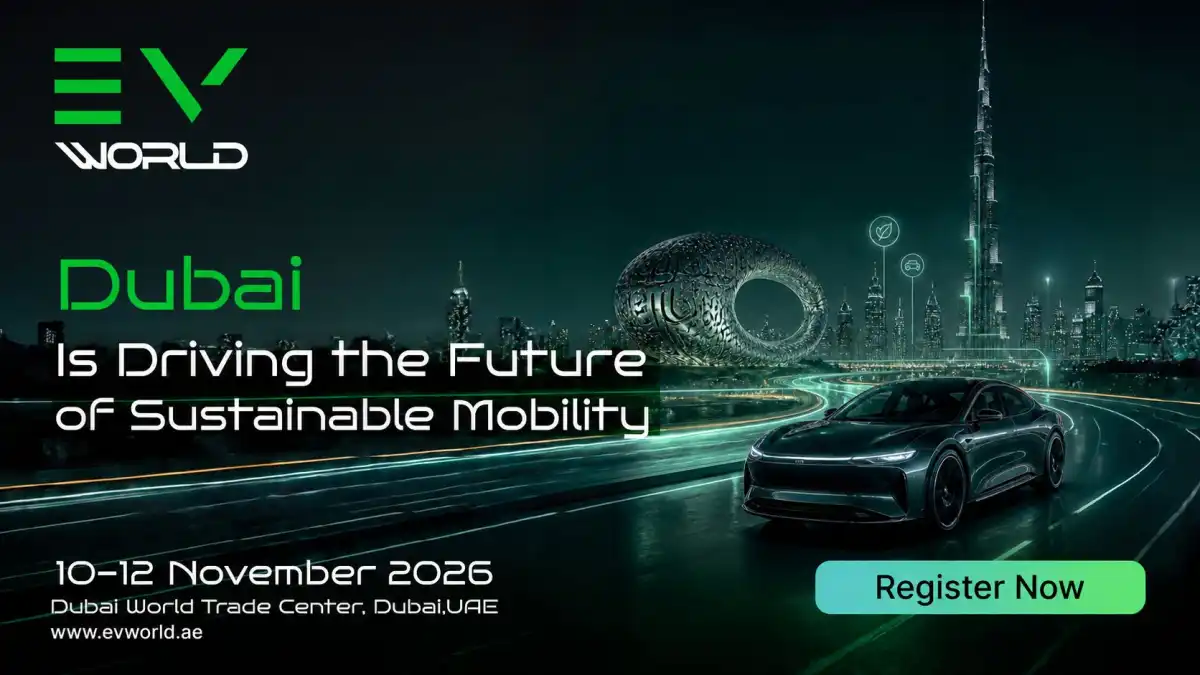
This wider transformation will take centre stage at EV World 2026, taking place from 10 to 12 November 2026 at Dubai World Trade Centre.
Bringing together global manufacturers, technology providers, government authorities, investors, fleet operators and mobility innovators, EV World is positioned as a comprehensive platform dedicated to electric vehicles, smartUAE Smart infrastructure and the next generation of sustainable transportation.
A Platform for the Full Mobility Ecosystem
EV World reflects how rapidly the mobility industry is evolving.
The transition to electric transportation requires more than new vehicles. It requires charging networks capable of supporting growing demand, advances in battery performance and storage, stronger connections between mobility and energy systems, intelligent software, new fleet models and regulatory frameworks that enable innovation at scale.
EV World brings these different areas together within one environment.
The exhibition covers electric vehicles, batteries and energy storage, charging infrastructure, marine and air mobility, fleet and commercial transportation, autonomous technologies and smart mobility software. This gives visitors a broader view of how transportation systems are developing across land, sea and air.
For manufacturers and technology companies, the event provides an opportunity to showcase solutions and connect with potential customers and partners. For governments, investors and mobility operators, it creates a platform to explore technologies that could influence infrastructure, transportation and investment strategies across the region.
More Than an Electric Vehicle Exhibition
Electric vehicles remain at the heart of EV World, but the event extends significantly beyond passenger cars.
The exhibition is expected to bring together solutions for passenger mobility, commercial transportation and fleet operations alongside technologies supporting the wider electric vehicle ecosystem.
Charging and infrastructure providers will have an important role as the industry addresses one of the fundamental challenges of EV adoption: creating accessible, reliable and scalable charging networks.
Battery technology will also be a major focus. Improvements in battery performance, safety, charging time, lifecycle management and energy storage continue to influence the development and commercial viability of electric transportation.
The relationship between mobility and energy is becoming equally important. As electric vehicle adoption grows, transportation systems will become increasingly connected with electricity networks, renewable energy and intelligent energy management technologies.
This integration is helping redefine electric mobility as an infrastructure and technology transformation rather than simply a change in vehicle powertrains.
EV World Conference: From Policy to Technology
Alongside the exhibition, the EV World Conference will bring together industry leaders, policymakers, technology specialists and mobility experts to examine some of the most important issues influencing the sector.
The conference programme is structured around four main areas: Policy, Finance & Climate; Technology & Performance; Smart Cities & Infrastructure; and Air, Sea & Heavy Mobility.
These themes reflect the complexity of the transition toward sustainable mobility.
Government policy and investment can determine how quickly infrastructure and adoption develop. Technology advances affect vehicle performance, affordability and safety. Cities must prepare their transportation systems and energy infrastructure for new mobility models. At the same time, electrification is expanding into areas such as heavy transportation, aviation and marine mobility.
By addressing these areas within one conference, EV World creates an opportunity to connect strategic discussions with the technologies being presented on the exhibition floor.
Smart Cities and Connected Mobility
Electric mobility will increasingly become part of a much larger intelligent transportation ecosystem.
Vehicles are becoming more connected to infrastructure, energy networks and digital platforms. Artificial intelligence, real-time data and intelligent transport systems can help cities improve traffic management, fleet performance, energy consumption and transportation planning.
This makes smart mobility software an increasingly important component of the EV ecosystem.
For cities preparing for future transportation demand, the challenge is not simply installing charging stations. It involves building connected infrastructure capable of supporting electric vehicles, public transportation, autonomous technologies and other emerging mobility services.
EV World provides a platform for government authorities, technology companies and infrastructure providers to discuss how these systems can work together.
Experiencing the Future of Mobility
One of the key elements of EV World is its focus on practical and interactive experiences.
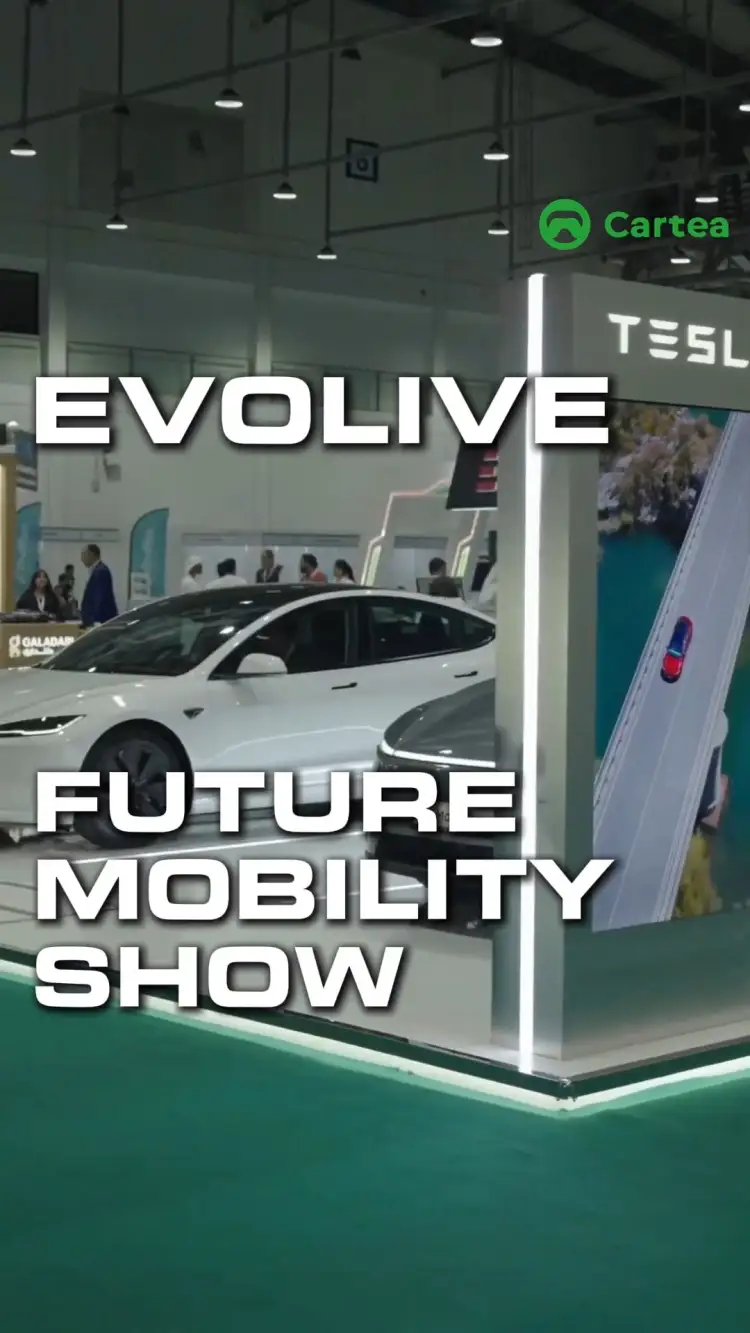
The event programme includes test drives and live demonstrations, allowing visitors to explore passenger, commercial and next-generation electric vehicles while experiencing developments in performance, safety and charging technology.
A dedicated Future Mobility Showcase will extend the experience into autonomous transportation, drones and electric vertical take-off and landing aircraft, or eVTOLs.
These technologies demonstrate how the definition of electric mobility is continuing to expand beyond conventional road transportation.
Visitors will also have access to new product and technology launches, with EV, battery and charging companies expected to present emerging solutions relevant to the Middle East market.
Autonomous Technology and AI-Powered Mobility
Artificial intelligence and autonomous systems are becoming increasingly connected to the future of transportation.
AI can support route optimisation, predictive maintenance, fleet management, energy efficiency and intelligent traffic systems. Autonomous technologies could also transform how passengers and goods move through cities.
EV World will bring these technologies into the broader sustainable mobility conversation through autonomous systems, smart mobility platforms and future transportation demonstrations.
For businesses and transportation authorities, these solutions offer potential improvements in operational efficiency, safety and resource utilisation.
For technology companies and startups, they also represent opportunities to develop new services and business models around an increasingly connected transportation environment.
Supporting Innovation and Emerging Technologies
Innovation is another key component of EV World.
Through its Startup & Innovation Hub, the event will provide a platform for emerging businesses working across batteries, charging technologies, artificial intelligence, fleet management, smart infrastructure and mobility software.
For startups, being part of a larger industry event creates opportunities that extend beyond product visibility.
Access to investors, government stakeholders, major manufacturers and potential customers can help emerging companies test ideas, build partnerships and identify opportunities for regional expansion.
This connection between established industry players and new technology companies will be important as the mobility market continues to evolve.
From Industry Discussion to Practical Solutions
The transition to electric mobility also creates technical and operational challenges that require practical expertise.
EV World will include industry workshops and technical sessions covering areas such as safety, regulation, technology integration and technical performance.
Dubai's Roads and Transport Authority has also confirmed specialised panel discussions, technical workshops, hands-on demonstrations and an innovation-focused hackathon as part of the wider programme.
These activities add an important practical dimension to the event.
While strategic discussions help define where the mobility industry is heading, implementation depends on the ability to solve challenges related to infrastructure, vehicle integration, charging, safety and operations.
Connecting Business, Government and Investment
Sustainable mobility cannot develop through one industry alone.
Vehicle manufacturers depend on charging infrastructure. Infrastructure providers depend on energy networks and investment. Fleet operators require commercially viable solutions. Governments influence policy, infrastructure and regulation.
EV World is designed to bring these stakeholders together.
Dedicated B2B, B2G and G2G meetings will create opportunities for businesses, governments and industry organisations to develop partnerships and explore potential areas of cooperation.
For international companies, this can provide access to regional distributors, customers, investors and government stakeholders.
For government organisations and transportation authorities, it offers an opportunity to explore technologies and partnerships that could support future mobility strategies.
The event is therefore as much about building relationships as it is about showcasing technology.
Sustainability Beyond the Vehicle
The transition toward electric mobility forms part of a wider sustainability challenge.
Reducing vehicle emissions is an important objective, but the environmental impact of future mobility will also depend on how energy is generated, batteries are produced and recycled, and infrastructure is developed.
RTA has highlighted circular economy initiatives, particularly EV battery recycling, among the objectives associated with the event.
EV World also aligns with wider UAE and Dubai strategies supporting zero-emission mobility, clean energy and the country's long-term Net Zero ambitions.
This broader approach is important because the next stage of mobility must balance technological advancement with environmental and economic sustainability.
Why Dubai?
Dubai provides a fitting location for an international platform focused on future mobility.
The city has established itself as a testing ground for smart infrastructure, digital transformation and new transportation technologies, supported by long-term government investment in mobility and urban development.
The involvement of Dubai's Roads and Transport Authority further connects EV World with the emirate's sustainable transportation ambitions.
According to RTA, the inaugural event is expected to attract more than 300 local and international companies, authorities and organisations, together with more than 30 business partners and over 10,000 specialist visitors and interested participants.
The scale reflects growing regional interest in electric and intelligent transportation as governments and businesses look for solutions that can support cleaner, more efficient and better-connected cities.
Who Should Attend?
EV World is designed for professionals and organisations involved across the mobility ecosystem.
This includes government and transport authorities, vehicle manufacturers and OEMs, fleet operators, logistics companies, automotive dealers and distributors, energy and utility providers, charging infrastructure companies, technology businesses, engineers, sustainability professionals, investors and researchers.
The event also provides access for consumers, students, families and EV enthusiasts interested in discovering the latest vehicles, technologies and charging solutions.
Business visitors will have access to the exhibition, networking opportunities, B2B matchmaking, global exhibitors and product demonstrations, while consumer experiences include opportunities to explore EV models and selected test-drive activities.
From Ambition to Implementation
The electric mobility industry has reached an important stage.
The technologies needed to transform transportation are developing rapidly, but technology alone will not determine the speed of change.
Infrastructure must scale. Investment must follow. Regulation must evolve. Energy systems must adapt. Businesses need commercially sustainable models, while governments need mobility solutions that can integrate effectively with wider urban systems.
The next phase will therefore depend on coordination across industries.
EV World 2026 is positioned at the centre of that conversation.
By bringing together electric vehicles, batteries, charging infrastructure, energy, intelligent software, autonomous systems, investment and government policy, the event offers a wider perspective on how sustainable transportation is taking shape.
For companies looking to understand the evolving mobility market, policymakers exploring future transportation strategies and investors seeking opportunities within a rapidly changing sector, Dubai will provide an important meeting point this November.
Event Information
EV World 2026 takes place from 10 to 12 November 2026 at Dubai World Trade Centre, Dubai, UAE.
For the latest event information and registration details, visit the official EV World website: www.evworld.ae.