

- From selling cars to sharing risk with the customer
- First: A new car if an EV fire is traced to the powertrain
- Second: Free battery replacement when degradation exceeds defined limits
- Third: Paying for accidents caused by smart parking systems
- Eligibility conditions for GAC’s Triple Responsibility Policy
- Analytical view: What this move means for the EV and smart‑car market
- GAC is selling trust, not just electric cars
From selling cars to sharing risk with the customer
At a time when many buyers still link electric cars and smart systems with worries about battery safety and software reliability, Chinese automaker GAC has chosen to move beyond marketing slogans and step directly into the risk zone alongside its customers.
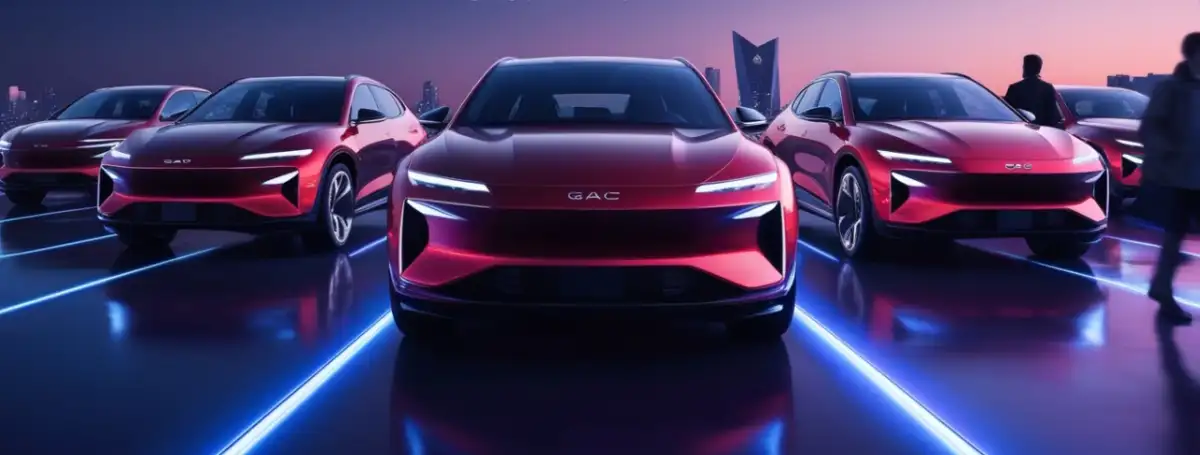
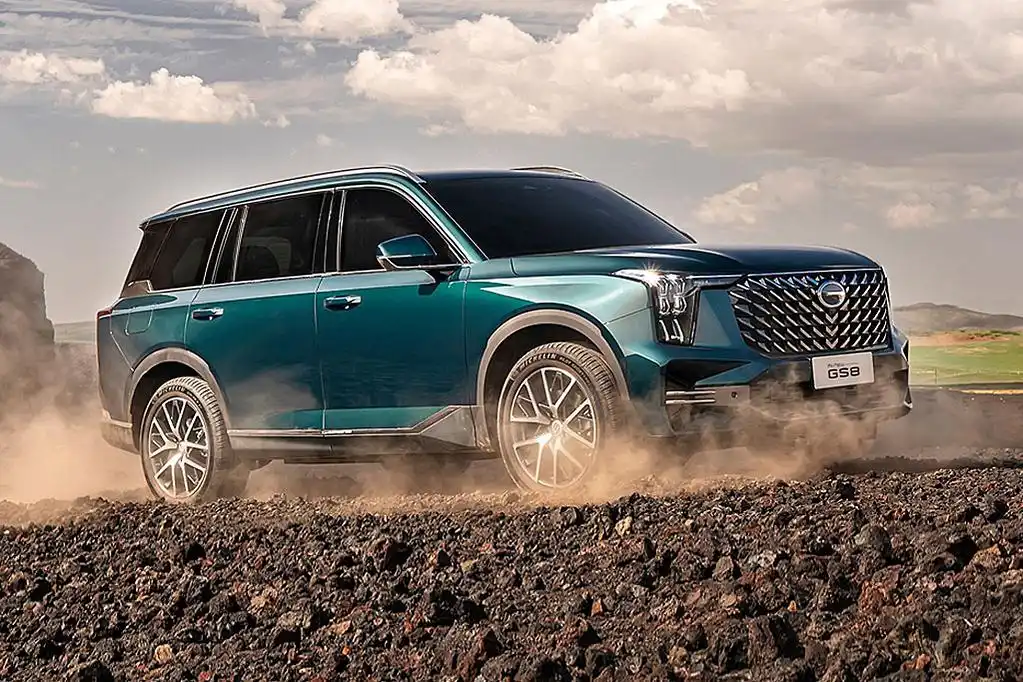
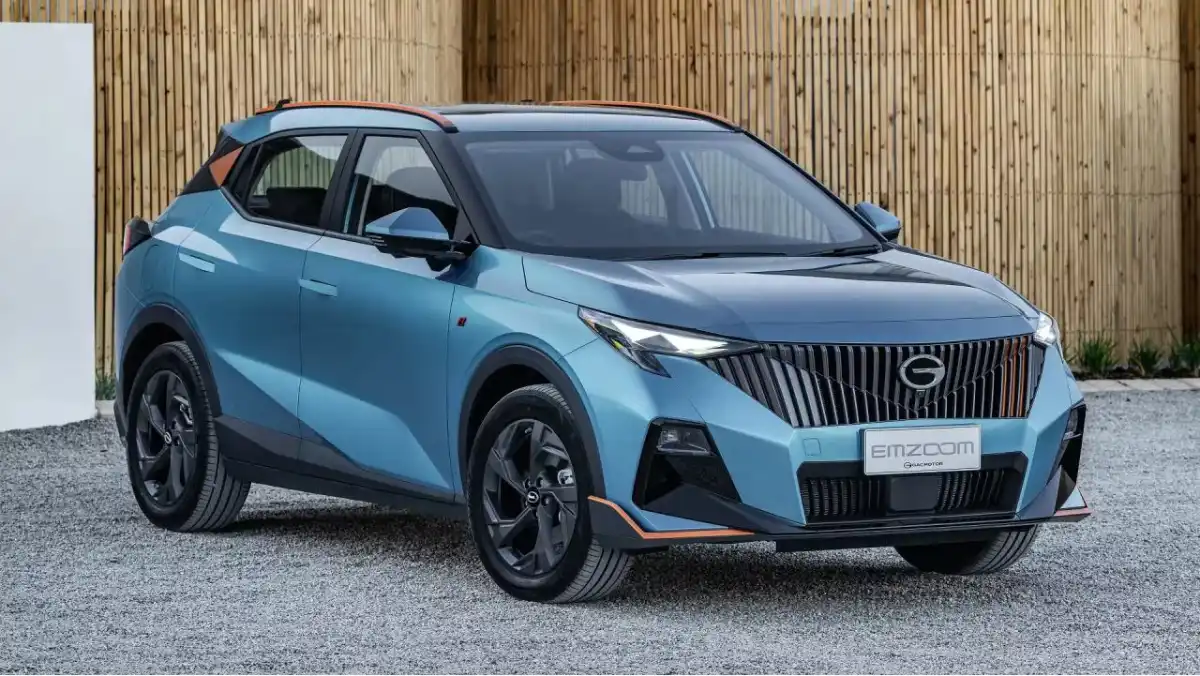
Through a new scheme branded as the “Triple Responsibility Policy” and rolled out under its Aion, Trumpchi and Hyper brands, GAC has created an unusually aggressive framework that covers three highly sensitive areas: EV fires linked to the powertrain, abnormal battery degradation, and accidents caused by smart parking systems.
First: A new car if an EV fire is traced to the powertrain
What’s covered
The policy applies when a vehicle fire is proven to be caused by a fault in the so‑called “electric trio”:
High‑voltage battery pack.
Electric motor.
Electronic control unit for the power system.
Official technical checks must confirm that the root cause lies in this trio, rather than in external factors, misuse or unrelated damage.
What the owner receives
If the car is deemed “beyond repair” under national standards, GAC commits to:
Supplying a brand‑new car with the same specifications, or
An equivalent model of the same current market value.
This replacement is made at no extra cost to the owner, a signal that the company is prepared to fully absorb the consequences of any proven manufacturing defect at the heart of the EV system.
Why this matters
EV fires, though statistically rare, receive outsized media attention and directly undermine trust in electric powertrains.
By promising full vehicle replacement in these extreme cases, GAC sends a strong message that it stands behind the integrity of its electric hardware beyond conventional warranty language.
Second: Free battery replacement when degradation exceeds defined limits
Tackling EV owners’ biggest fear
Because the traction battery represents a major share of an EV’s cost, long‑term capacity loss is one of the main concerns for both running costs and resale value.
GAC’s policy targets precisely this anxiety by covering “abnormal degradation” in battery capacity.
When is degradation considered abnormal?
The company defines an expected degradation curve based on battery design, chemistry and usage cycles; this is written into its technical and customer policy documents.
If real‑world capacity loss exceeds that internal standard, and the cause is confirmed as a manufacturing‑quality issue rather than misuse or third‑party modifications, the case qualifies for coverage.
What GAC promises
Complete replacement of the traction battery with a new, original unit.
No cost to the owner, provided the vehicle meets the policy conditions and is within the covered period.
This effectively shifts the long‑term financial risk of a “bad battery” from the customer to the manufacturer, which is rare in today’s EV market.
Third: Paying for accidents caused by smart parking systems
From “try the tech” to “we’ll stand behind it”
As automated parking and advanced driver‑assist features spread, a key unresolved question is who pays when algorithmic decisions cause a crash.
Under the Triple Responsibility Policy, GAC states that when a crash is caused by a malfunction in its smart‑parking or parking‑assist systems, the company will assume financial responsibility within legal limits.
Scope of coverage
Repair costs for the customer’s own vehicle.
Damage to third‑party property, within the applicable legal framework and liability limits.
Clear commitment to face the consequences of technical error, instead of leaving owners to battle insurers alone over whether the system or the driver is at fault.
Impact on user confidence
Many drivers hesitate to rely fully on automated parking out of fear that they will be blamed for any failure.
When an OEM openly accepts liability for proven system faults, such features become more than gadgetry; they become trusted tools that people are far more likely to use regularly.
Eligibility conditions for GAC’s Triple Responsibility Policy
To prevent abuse and ensure the covered events are genuinely tied to product quality, GAC sets clear constraints on who qualifies and under what circumstances:
Which models are included
Hyper‑brand vehicles.
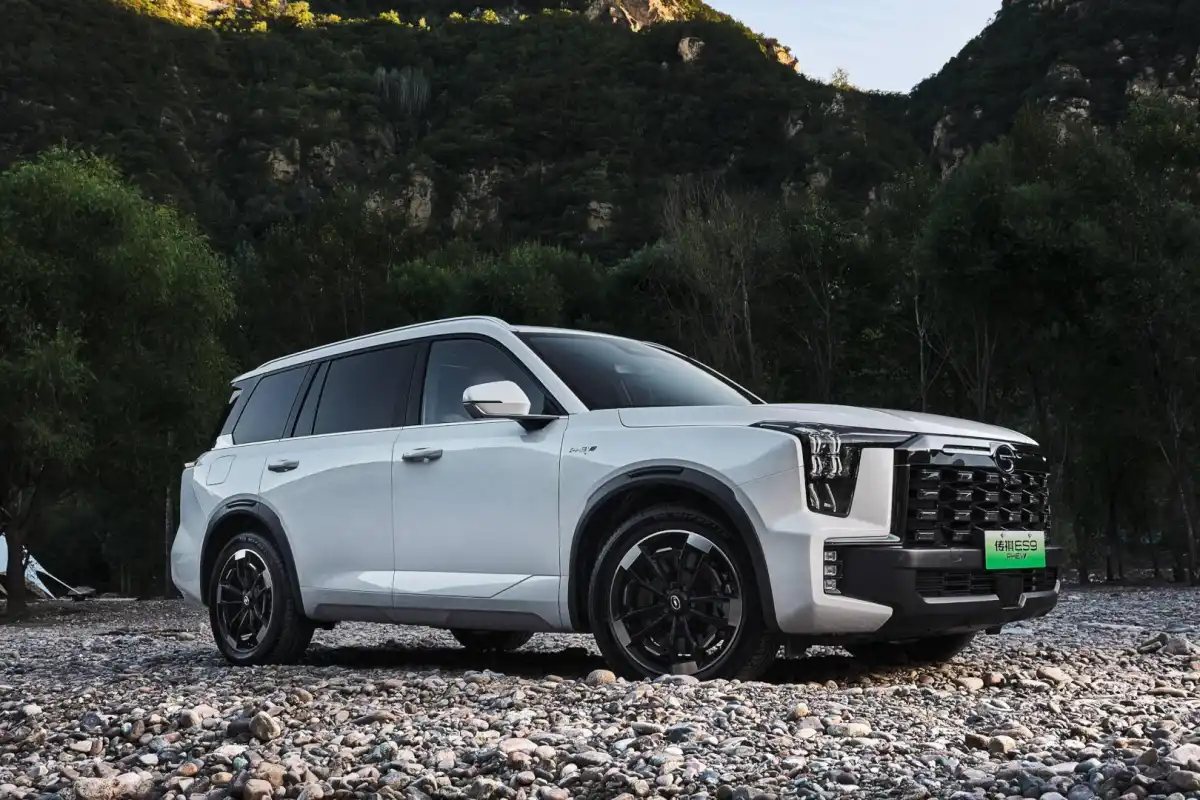
Trumpchi models in the Xiangwang series and E PHEV plug‑in hybrids.
Aion‑branded electric vehicles.
Timeframe and ownership
Valid for vehicles purchased up to 31 December 2026.
Applies only to the first owner, and only when the car is not used for commercial purposes such as fleets, rental or ride‑hailing.
Usage and maintenance requirements
Scheduled maintenance must be carried out within GAC’s authorised service network.
Only original parts may be used; external modifications to the powertrain or smart‑parking systems void coverage.
Excluded are:
Incidents caused by clear human error.
Damage from external events such as natural disasters.
Failures unrelated to the battery, “electric trio” or smart‑parking systems.
Analytical view: What this move means for the EV and smart‑car market
From one‑off sale to shared‑risk relationship
Instead of leaving owners to bear long‑term EV and software risks once the standard warranty clock starts ticking, GAC is explicitly taking on part of that risk across the most sensitive areas.
This reframes the manufacturer–customer relationship from a simple transaction to a longer‑term partnership over the product’s life cycle.
Raising the bar for after‑sales competitiveness
In an overcrowded Chinese and global EV market, performance and features alone are no longer enough.
Strong, clearly worded protection policies like Triple Responsibility force rivals to rethink their own guarantees if they want to match GAC’s perceived commitment to user protection.
Boosting global perception of Chinese brands
As GAC expands Aion, Trumpchi and Hyper into export markets, this policy serves as an additional confidence signal for buyers who may still be cautious about newer Chinese names.
By focusing on batteries and smart systems—the very areas foreign buyers scrutinise most closely—GAC directly addresses the trust gap that often exists versus established legacy brands.
Sign of a maturing EV industry
Early EV competition centred on range, acceleration and flashy tech. The emergence of policies that emphasise accountability, transparency and long‑term support suggests the segment is entering a more mature phase.
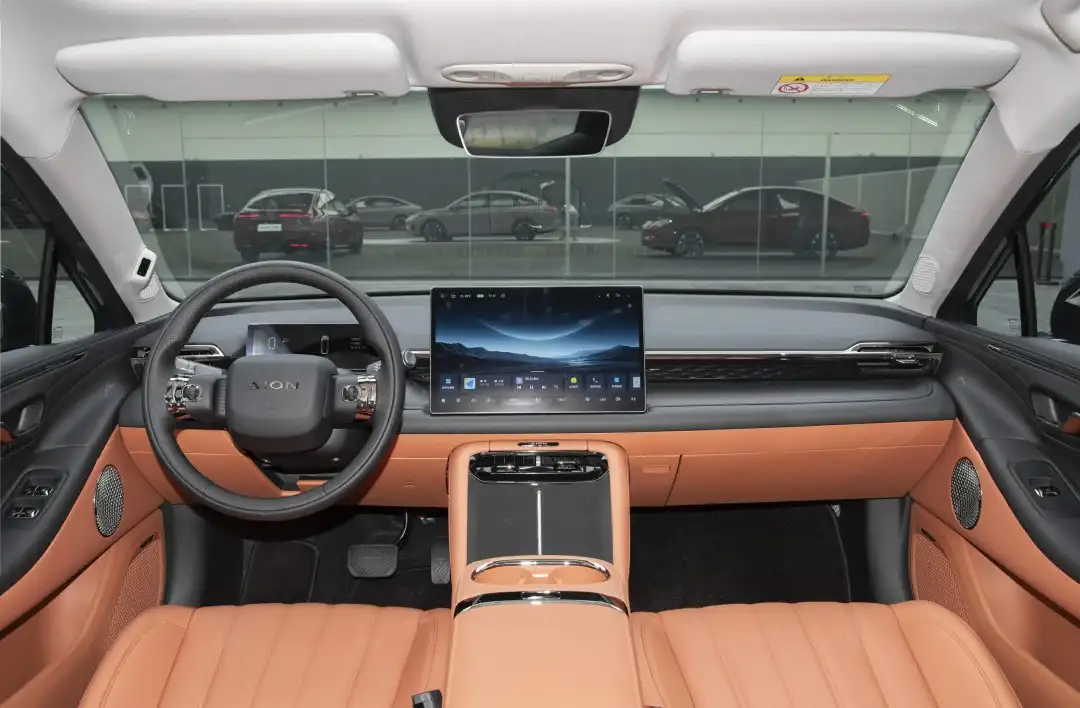
GAC is selling trust, not just electric cars
With its Triple Responsibility Policy, GAC is signalling that its long‑term bet is not only on high‑spec electric and smart vehicles, but on a reputation for standing by customers in the worst‑case scenarios of fire, abnormal battery fade and smart‑parking mishaps.
If similar policies spread, the next stage of EV competition may be defined less by spec sheets and more by how far each manufacturer is willing to go in sharing risk and protecting owners when things go wrong.