

- From wartime mechanic to “tractor king”
- Diversifying business and discovering a passion for sports cars
- The “Ferrari dispute”: the founding legend
- Founding Automobili Lamborghini in Sant’Agata
- 350 GTV and the transition to production 350 GT
- 400 GT: consolidating Lamborghini in the GT segment
- Miura: the leap from GT to true supercar
- The bull identity: logo and model names
- Challenges, ownership changes, but a lasting philosophy
- Key milestones in Lamborghini’s early evolution
Lamborghini today is one of the world’s most famous supercar brands, but its story did not begin on racetracks or in sports‑car factories. It started in Italian farm fields, among tractors, with a practical businessman named Ferruccio Lamborghini who believed he could build a better grand touring car than his rivals. His journey from “tractor king” to founder of a wild bull supercar empire is one of the most compelling stories in automotive history.
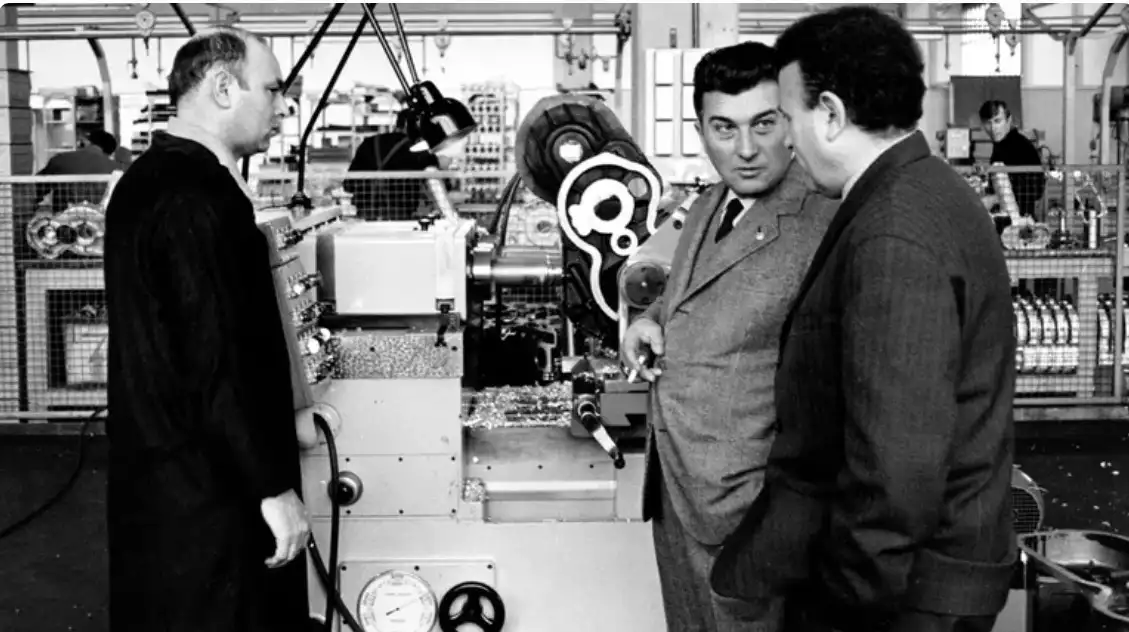
From wartime mechanic to “tractor king”
Ferruccio Lamborghini was born in 1916 into a farming family in Italy, but his interest focused more on machines than on agriculture itself. During World War II, he served as a mechanic in the armed forces, gaining extensive hands‑on experience with engines and drivetrains in heavy military vehicles.
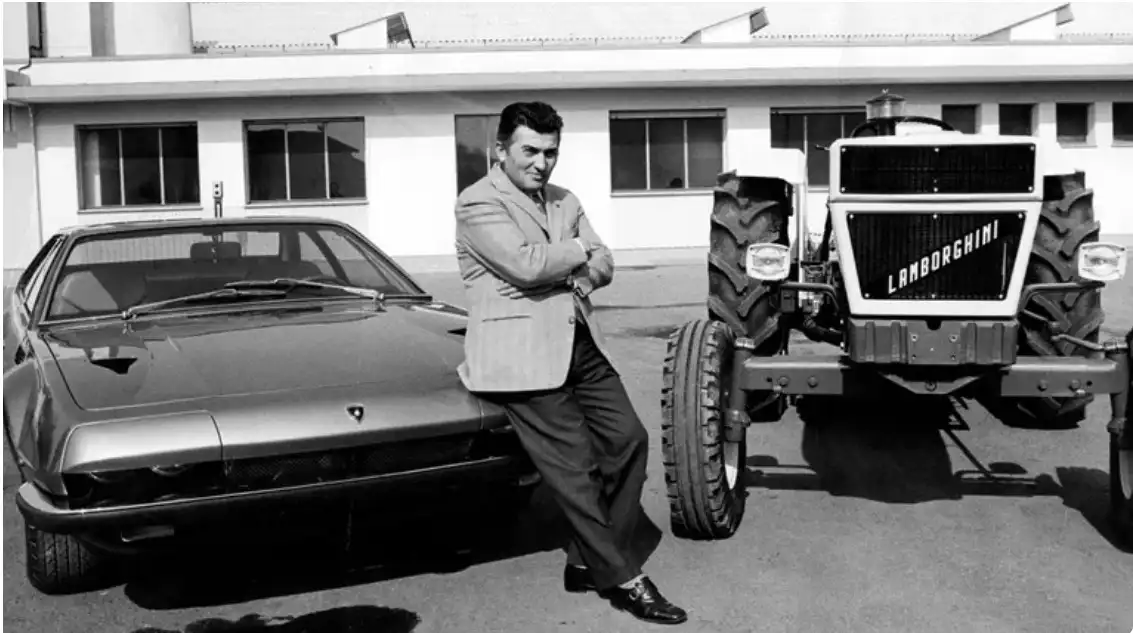
After the war, he took advantage of surplus military equipment and began dismantling it, converting vehicles into simple, affordable tractors for farmers who badly needed low‑cost mechanization to rebuild their livelihoods. In 1948, he founded Lamborghini Trattori, which quickly grew from a small workshop into a factory producing hundreds and then thousands of tractors by the early 1950s, becoming one of the leading tractor brands in the Italian market.
Diversifying business and discovering a passion for sports cars
Ferruccio did not stop at tractors. In the 1950s, he also founded a company specializing in heating and air‑conditioning systems, strengthening his position as a successful, multi‑sector entrepreneur. As his financial situation improved, he began to indulge his personal passion for cars, acquiring some of the finest sports and luxury models of the era, including cars from Ferrari, Maserati, and Mercedes‑Benz.
However, his experience with certain Ferrari models was not ideal in his view. He found them fast and exciting on open roads, but tiring and uncomfortable in daily use, with some reliability issues, especially involving the clutch. This tension between what he wanted—a refined, comfortable GT car—and what he actually got—a road‑legal race car—planted the idea that there was room in the market for a new brand with a different philosophy.
The “Ferrari dispute”: the founding legend
The most famous popular story says Ferruccio went to Enzo Ferrari to complain about frequent clutch failures in his Ferrari. According to the tale, he discovered that the clutch type used was the same as the one he fitted to his tractors and criticized Ferrari for this. The legend continues that Enzo responded harshly—something along the lines of “Stick to tractors and let us build sports cars”—which Ferruccio took as a personal insult.
Historians note that the exact wording of this exchange may have become embellished over time, but the core is consistent: Ferruccio was dissatisfied with Ferrari as a daily GT and believed he could do better. That conviction was the real spark that pushed him from the tractor business into the world of high‑performance road cars.
Founding Automobili Lamborghini in Sant’Agata
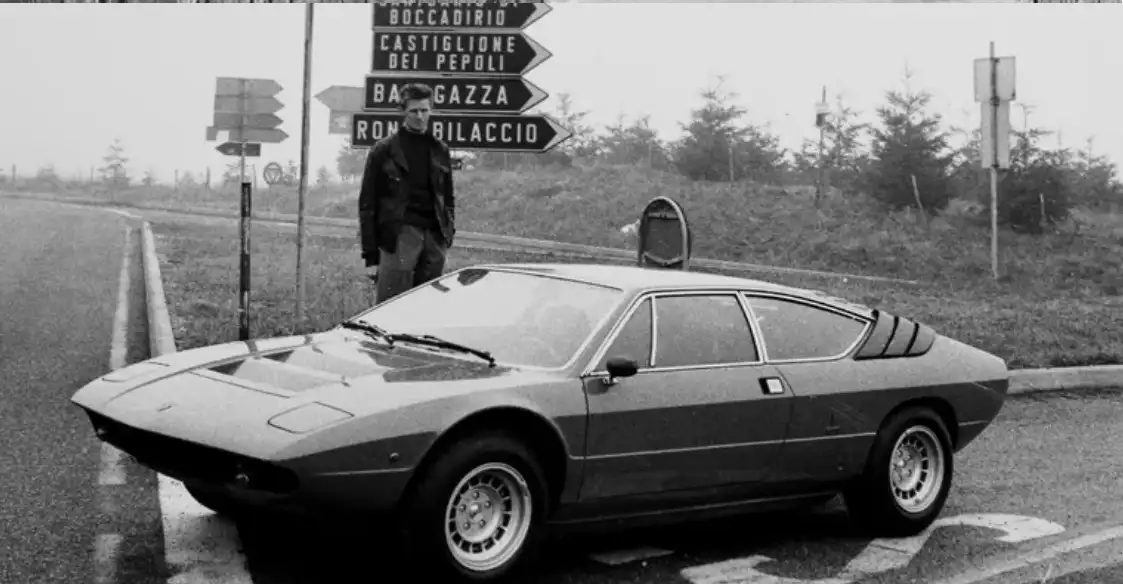
In 1963, Ferruccio moved from concept to execution by founding Automobili Ferruccio Lamborghini in Sant’Agata Bolognese, located between Bologna and Modena, right in the heart of Italy’s “Motor Valley” alongside Ferrari, Maserati, and others. The location was chosen deliberately to place him within a network of suppliers, engineers, and designers experienced in building sports cars.
From day one, Lamborghini’s philosophy contrasted with Ferrari’s:
Focus on powerful, fast grand touring (GT) cars that were also refined and comfortable for daily use.
Move away from the idea of a “race car adapted for the road” toward a true GT concept designed for long‑distance driving without exhausting the driver.
350 GTV and the transition to production 350 GT
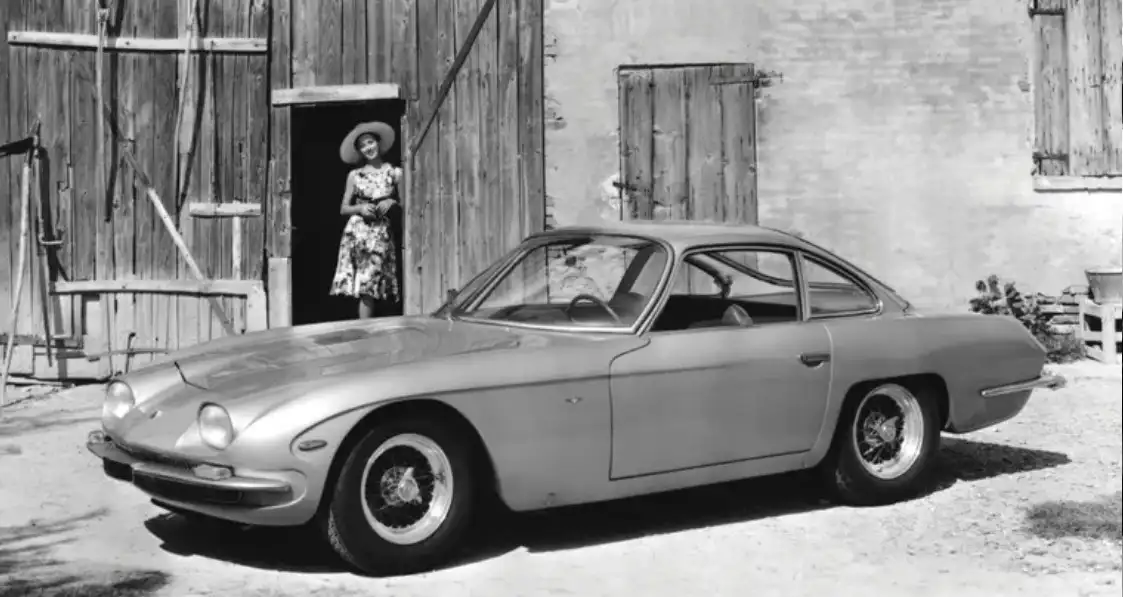
The company’s first project was the Lamborghini 350 GTV prototype, shown in 1963 with a V12 engine designed by engineer Giotto Bizzarrini, who had previously worked for Ferrari. The engine was powerful and high‑revving, very much in the spirit of racing units, but as a complete car the 350 GTV was not truly ready for series production; its setup was complex and the cabin was not fully suited to a civilised GT.
Ferruccio then brought in a young engineering team including Gian Paolo Dallara and Paolo Stanzani and tasked them with “civilizing” the project for road use. They retuned the V12 to make it more suitable for everyday driving and revised the chassis and bodywork, turning the concept into a production‑ready model: the 350 GT, officially launched in 1964.
The 350 GT delivered what Ferruccio had been looking for:
A strong yet smooth V12 engine.
Elegant design and a relatively luxurious interior for a sports car.
A driving experience closer to a refined grand tourer than a raw racing machine.
The car was well‑received by the press and customers, showing that Lamborghini was not just a wealthy man’s vanity project but a serious player capable of competing with established GT names.
400 GT: consolidating Lamborghini in the GT segment
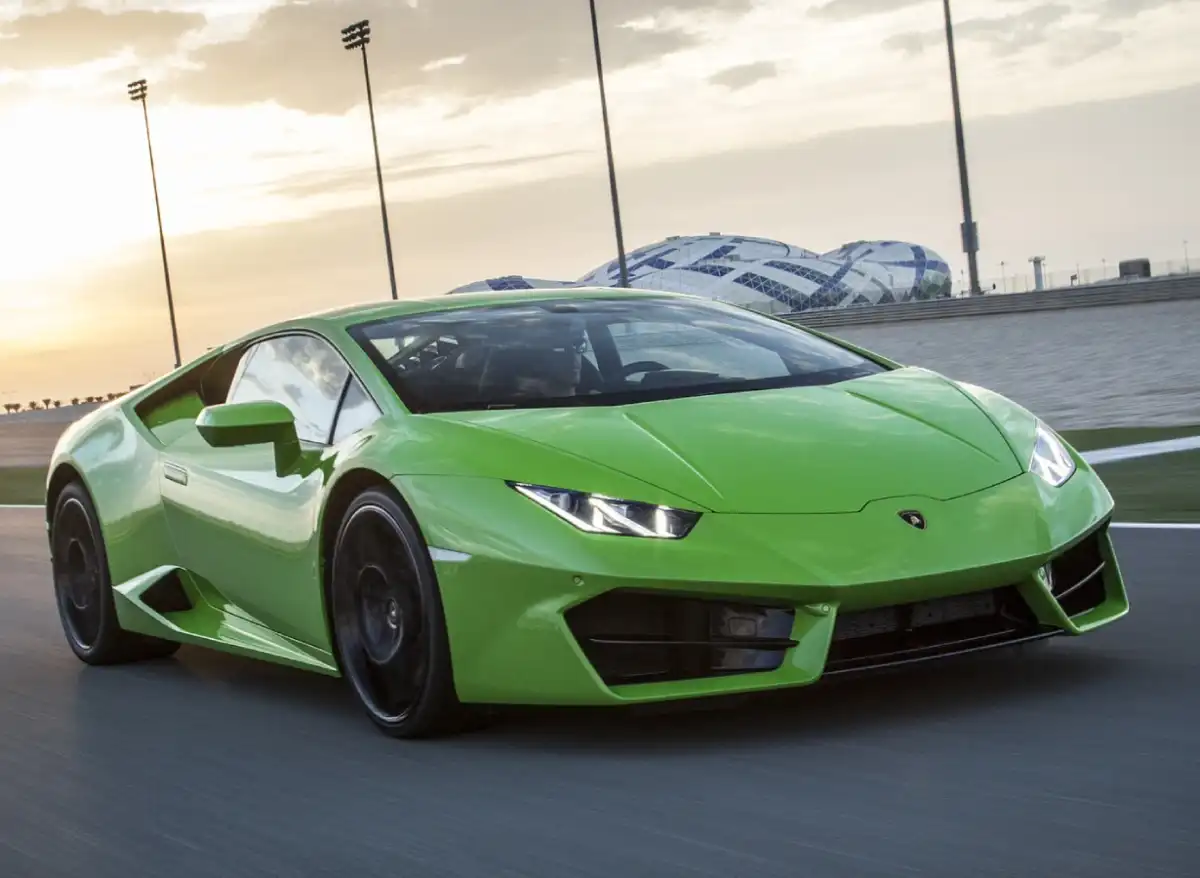
Building on the initial success of the 350 GT, Lamborghini introduced the 400 GT 2+2 in 1966, featuring a larger V12 and a cabin accommodating 2+2 seating. It targeted clients seeking a blend of performance, usability, and extra interior space. Within just a few years, Lamborghini had become a recognized competitor in the luxury GT market, not just a newcomer experimenting in the segment.
The 400 GT reinforced the brand’s image as the choice for drivers wanting a very fast car that still offered a high‑quality cabin and genuine long‑distance comfort—precisely what Ferruccio had felt was missing from his previous Ferrari experience.
Miura: the leap from GT to true supercar
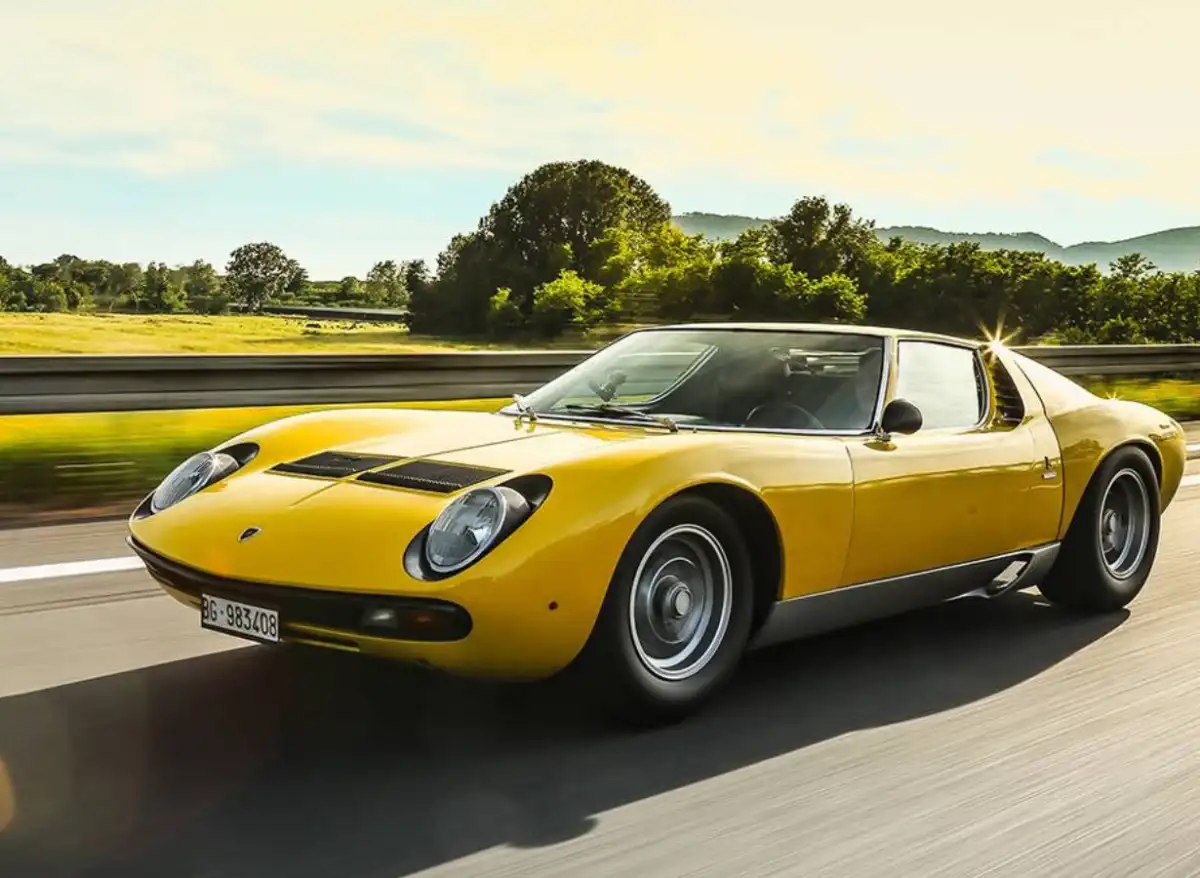
The real turning point came in 1966 with the Lamborghini Miura P400, widely regarded as the first true “supercar” in modern terms: a mid‑mounted V12 engine in a transverse configuration behind the cabin, relatively lightweight construction, and a radically low and exotic body designed by Bertone’s Marcello Gandini.
What made the Miura different?
It moved the engine to a mid‑rear position, a layout then associated mainly with racing cars, which later became the standard architecture for supercars.
Its performance figures were outstanding for the era, with top speeds and acceleration that placed it among the fastest road cars in the world.
The design became an instant icon, with its ultra‑low nose and famous “eyelash” headlamp surrounds; even people uninterested in cars often recognize the Miura on sight.
With the Miura, Lamborghini shifted from being “just” a GT maker to a supercar manufacturer redefining the limits of performance and design.
The bull identity: logo and model names
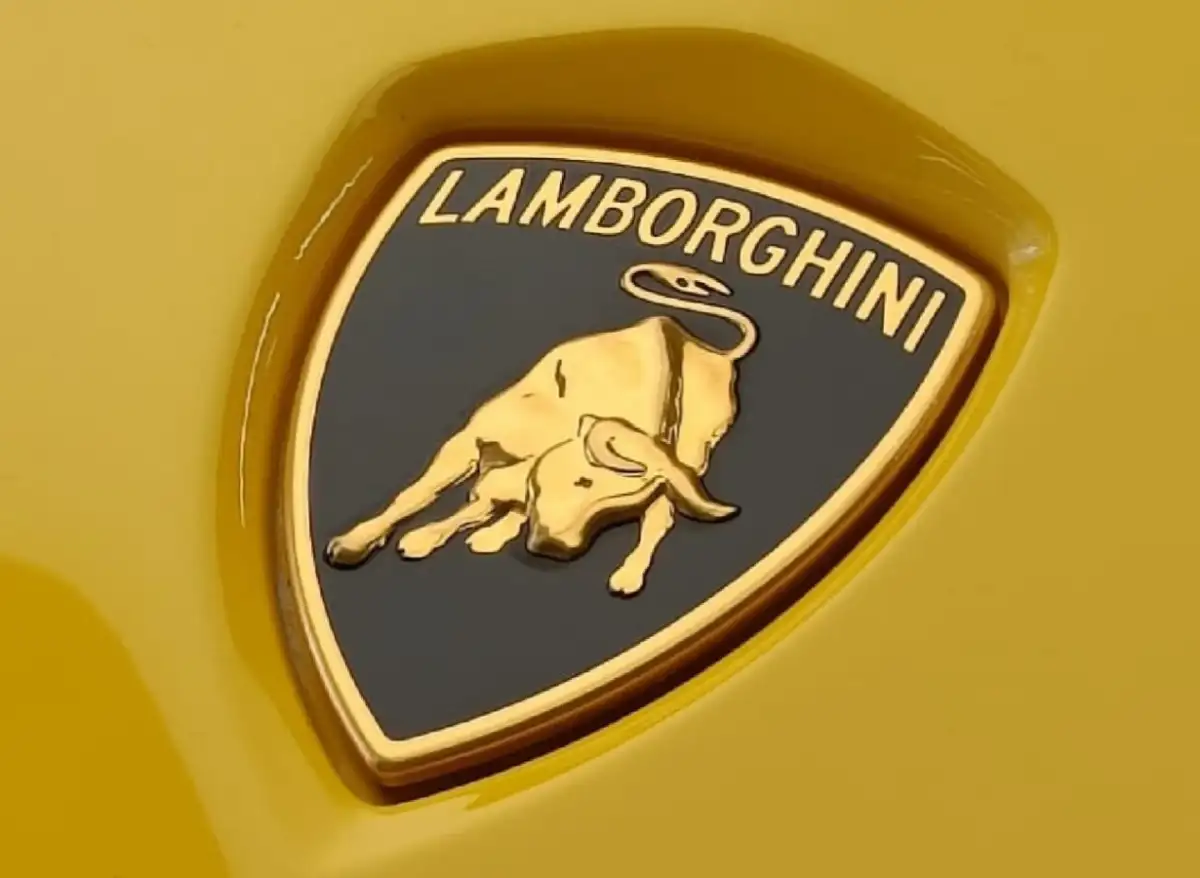
Ferruccio’s choice of the raging bull as the brand’s logo was no accident. He was born under the Taurus zodiac sign and had a strong interest in Spanish bullfighting, so he selected a charging bull to symbolize strength and stubborn determination. This identity extended to model names, many of which reference famous fighting bulls or renowned breeding farms—Miura, Islero, Diablo, Murciélago, and others—reinforcing the perception of Lamborghini cars as wild, powerful, and aggressive machines.
Challenges, ownership changes, but a lasting philosophy
Despite its strong start, Lamborghini faced serious financial challenges in the 1970s due to the oil crisis and economic fluctuations, leading to several changes of ownership before the brand eventually came under the umbrella of the Volkswagen Group via Audi in 1998. Even with these shifts, the philosophy laid down by Ferruccio remained at the core of the marque:
Visually shocking, adventurous design.
Extreme performance placing its cars at the top of the supercar segment.
A sense that driving a Lamborghini is an emotional experience, not just a means of transportation.
Key milestones in Lamborghini’s early evolution
1948: Lamborghini Trattori founded to build affordable tractors from post‑war surplus equipment.
1950s: Business diversification into heating/air‑conditioning and the start of Ferruccio’s ownership of high‑end sports cars.
Early 1960s: Dissatisfaction with Ferrari as a daily GT prompts the idea of launching a competing GT brand.
1963: Automobili Lamborghini founded in Sant’Agata Bolognese to build high‑performance GT cars.
1964: First production car, the 350 GT with a V12, followed by the 400 GT 2+2.
1966: Launch of the Miura P400, widely considered the first modern supercar, cementing Lamborghini’s global image.
The story of Lamborghini’s founding is not just a tale of a personal spat with Ferrari, but the logical evolution of a businessman who saw a gap between race‑biased sports cars and truly comfortable, high‑performance grand tourers. Ferruccio started with tractors, built a solid industrial base, and then invested his expertise, resources, and passion into creating a car brand in his own image. In just a few years, he went from supplying farmers to challenging Ferrari with the 350 GT and then redefining the supercar category with the Miura. Today, every Lamborghini that wears the raging bull on its nose still carries the DNA of that original vision: unapologetic design, extreme performance, and a driving experience meant to feel special every single time.