

- The scale of the odometer fraud problem
- The digital age made it worse
- How the market changed between 2023 and 2025
- Why odometer fraud is so tempting for some sellers
- Why odometer tampering is so hard to spot
- States hit hardest by “fake” odometers
- Smaller states, faster growth
- How buyers can protect themselves from fake miles
- The real impact on buyers: money and safety
- Can the problem ever be eliminated?
The odometer reading on used cars is one of the most important figures buyers rely on to assess a vehicle’s condition and market value. It is the closest indicator of how much a car has actually been used, especially when there is no clear maintenance history or real insight into the previous owner’s driving style. What should be an objective and simple number has now become a major source of deception, as odometer tampering is rising worryingly in the U.S. used‑car market.
Recent reports reveal that millions of cars on the road are running with “fake” odometer readings, meaning hundreds of thousands of buyers are paying extra money for vehicles that have actually covered far more miles than the display shows, and then later face unexpected maintenance and repair costs.
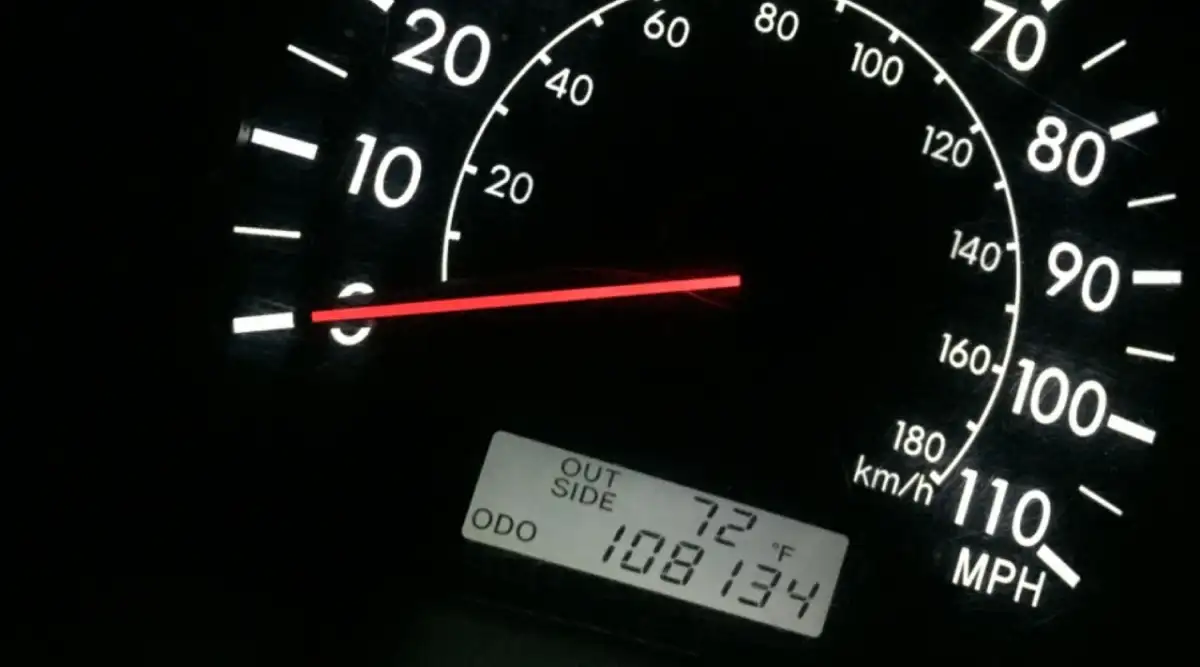
The scale of the odometer fraud problem
Data from Carfax shows that odometer tampering is no longer a marginal issue but has become a serious problem in the used‑car market:
The number of vehicles on U.S. roads suspected of having rolled‑back odometers is estimated at about 2.45 million cars.
The average financial loss for each buyer who falls victim to this fraud is around 3,300 dollars above the car’s fair value.
This figure does not include unexpected repair and maintenance bills caused by the car’s true, undisclosed mileage.
These numbers highlight a huge gap between reality and what the customer believes when looking at the odometer, and they show how a simple “digital” operation can completely change the outcome of a purchase.
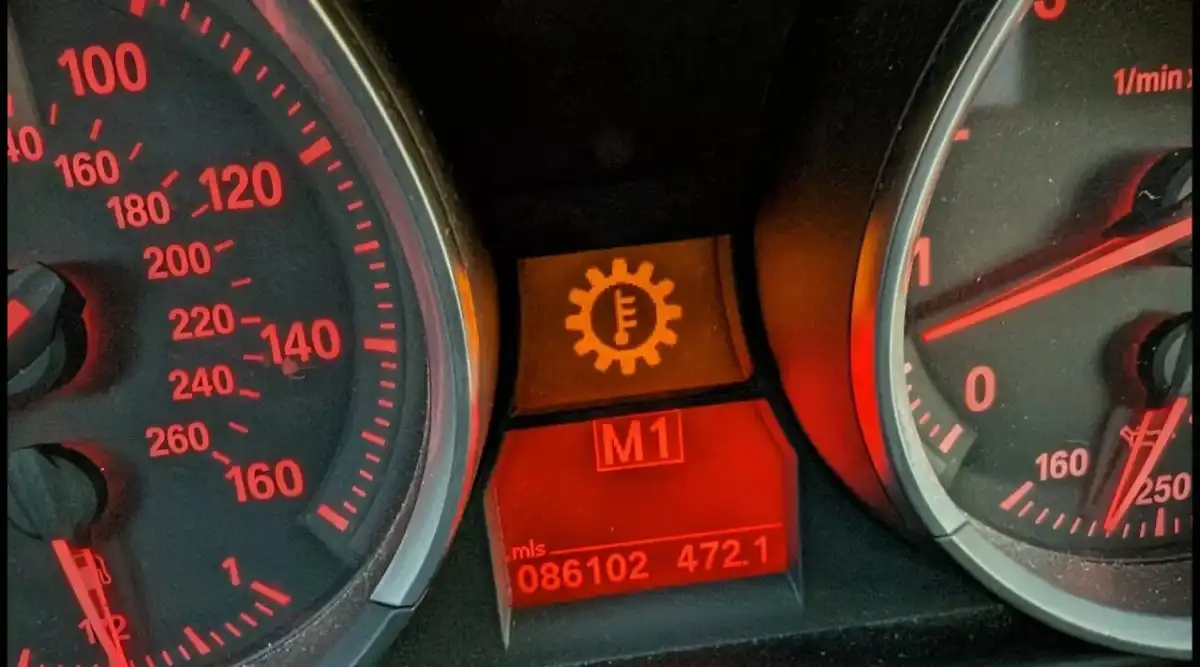
The digital age made it worse
When the industry moved from traditional mechanical odometers to digital units tied into electronic control modules, many assumed the era of manual tampering was over. In reality, the opposite happened:
Digitization made it easier for cheap electronic tools to appear that can alter odometer readings in seconds.
Online sellers offer “mileage correction” devices priced between 200 and 300 dollars.
These devices can, at the push of a button, erase tens of thousands of miles from a car’s digital record.
According to a Carfax executive, tampering has become more common as these low‑cost, easy‑to‑use tools spread, especially now that most modern vehicles rely entirely on digital odometers.
How the market changed between 2023 and 2025
The way the problem has evolved over the last few years shows it is not just about technology, but also about market pressure and competition:
Between 2023 and 2024, suspected odometer rollback cases rose by only about 4 percent.
In 2025, that increase jumped to roughly 14 percent compared to the previous year.
Carfax links this acceleration to fiercer competition in the used‑car market, pushing some sellers to look for an illegal edge.
With higher prices and limited supply at certain times, some sellers see reducing the displayed mileage as the quickest way to lift prices and attract buyers, especially when the car looks clean and presentable on the outside.
Why odometer fraud is so tempting for some sellers
The primary motive is obvious: money. But the details reveal just how profitable this “game” can be for dishonest sellers:
Cutting the reading from, say, 150,000 miles to 70,000 or 80,000 can boost the car’s value by thousands of dollars.
The typical buyer tends to focus on “the number” more than technical details or maintenance history, which makes deception easier.
A lack of documented service records or regular invoices gives more room for tampering and reduces the chance it will be uncovered.
Given these conditions, investing 200–300 dollars in a device can become a highly profitable move for an unscrupulous seller, with a return that may exceed 3,000 dollars on a single car.
Why odometer tampering is so hard to spot
Part of the danger is that digital manipulation leaves no obvious visual trace, unlike older mechanical odometers that sometimes showed clear signs of being opened or misaligned:
Modern tools do not just change the number; they overwrite the data within the system itself, erasing the previous value completely.
Without a recorded mileage history on service invoices or periodic inspections, it becomes hard to compare readings and detect inconsistencies.
In many cases, no fault codes or warning messages are triggered in the vehicle’s electronic systems after tampering.
The result is a car that appears to the buyer to have covered far fewer miles than it really has, while major mechanical components – from the suspension and brakes to the transmission – have actually endured much greater wear.
States hit hardest by “fake” odometers
Carfax data shows the problem is not evenly spread across the country; it is more concentrated in highly populated states with busy car markets:
California tops the list with more than 532,000 vehicles suspected of odometer rollback.
Texas ranks second with about 333,900 such cars.
Florida follows with roughly 109,000, then New York with 104,000, and Illinois with around 92,500 vehicles.
Other states like Pennsylvania, Georgia, Virginia, Arizona, and North Carolina also record tens of thousands of suspected cases each.
This concentration in large states is logical given the market size and the volume of transactions, which raises both the chances of fraud and the number of potential victims.
Smaller states, faster growth
What is worrying is that relative growth in some smaller states seems higher than in big ones, indicating that the problem is spreading geographically:
Montana records the highest jump in suspected cases, at about 33 percent compared to 2024.
Tennessee follows with a 30 percent increase.
Arkansas climbs by around 28 percent, and Oklahoma by about 25 percent.
Kansas shows an increase of roughly 24 percent.
New Jersey cases are up 21 percent, while Florida itself sees an additional 20 percent growth.
These percentages suggest odometer fraud is no longer confined to the biggest markets but is gradually spreading into lesser‑known states, making it harder to track and combat.
How buyers can protect themselves from fake miles
With these practices on the rise, relying on the odometer reading alone is no longer enough when evaluating a used car. Buyers need several key steps to avoid falling into the trap:
Use vehicle‑history reports
Reports from companies like Carfax can reveal previous mileage readings logged during maintenance, inspections, or title changes.
Any illogical jumps or long gaps without records can be a red flag for tampering.
Carry out a thorough physical inspection
Compare cabin wear (steering wheel, pedals, seat bolsters) with the stated mileage; a low‑mileage car should not look “worn out” inside.
Check the condition of tires, suspension components, and brakes; these parts often tell the truth about a car’s real age better than the display.
Review service records and invoices
Look for workshop invoices with dates and previous odometer readings, and compare them to the current number.
Large gaps or a complete lack of documentation on an expensive vehicle should raise serious questions.
Hire an independent mechanic before buying
A comprehensive inspection at a trusted shop or by an independent technician can uncover wear levels that don’t match the claimed mileage.
The real impact on buyers: money and safety
The damage from odometer fraud goes beyond simply overpaying; it also affects safety and reliability:
Paying an average extra 3,300 dollars means the buyer is losing a significant chunk of value compared with what they would have paid if the mileage were accurate.
A car that has travelled farther than advertised means critical components may be close to the end of their life without the new owner realizing it.
Failures can show up earlier than expected in key systems – such as brakes, suspension, or transmission – leading to surprise repair bills and potential safety risks.
For many people, a used car is supposed to be a smart financial alternative to a new one, but odometer tampering can turn that “smart” decision into a long‑term financial burden.
Can the problem ever be eliminated?
Given how digital modern vehicles have become, completely eliminating odometer fraud seems unlikely, but it can be greatly reduced through several measures:
Tougher laws and penalties for anyone proven to have tampered with odometer readings.
Broadly requiring mileage documentation at every periodic inspection, registration renewal, or official service visit.
Raising consumer awareness so buyers don’t rely solely on the odometer number and instead insist on full inspections and verifiable history.
The more informed buyers become, the harder it is for dishonest sellers to push “fake miles” without being caught, which could gradually shrink the spread of these practices