

- Airbag Evolution History: Innovation Journey
- Front-Center Airbag Mechanics: Technical Details
- Modern Airbag Types: Comprehensive Comparison
- GCC Scenario Benefits
- Vehicles Equipped with Front-Center Airbag (2026)
- Safety Test Statistics: Stunning Results
- Future: Coming Airbags
- Comparison with Traditional Safety Systems
- Costs and Maintenance Considerations
- GCC Buyer Tips
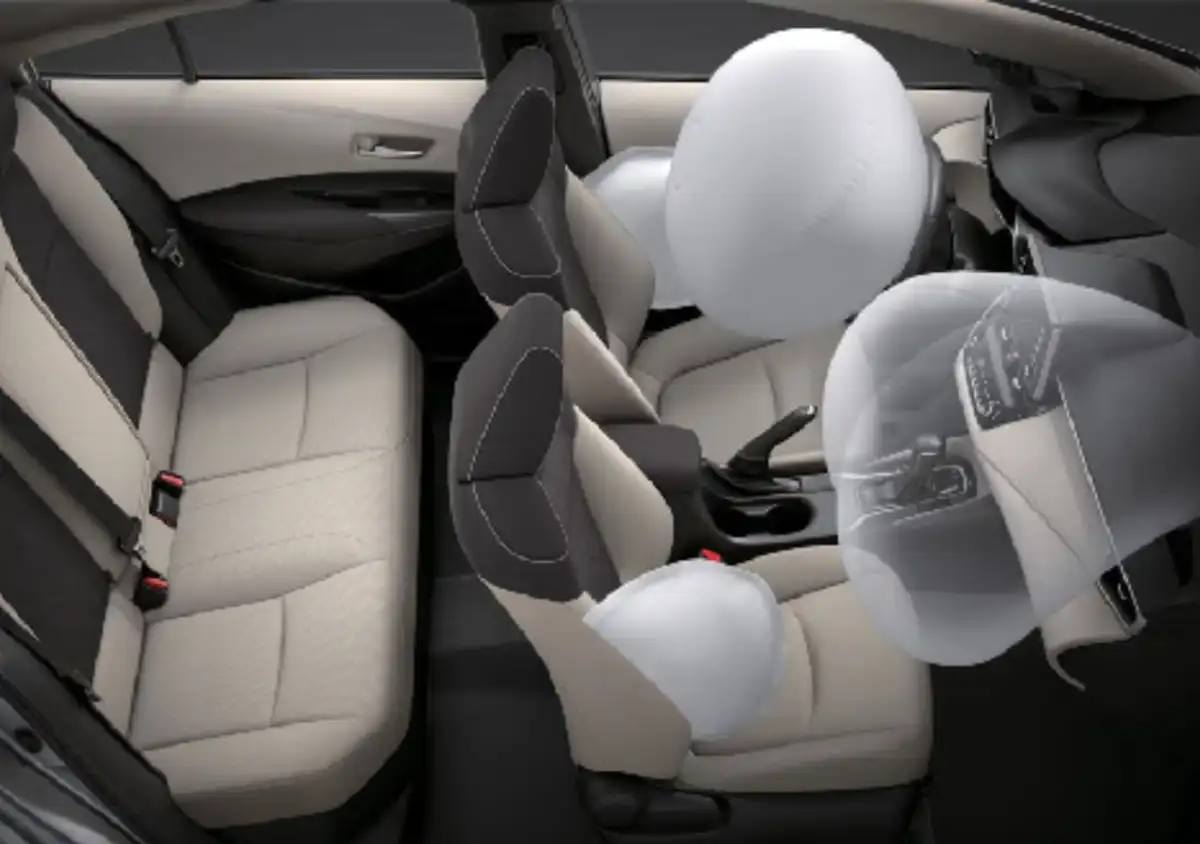
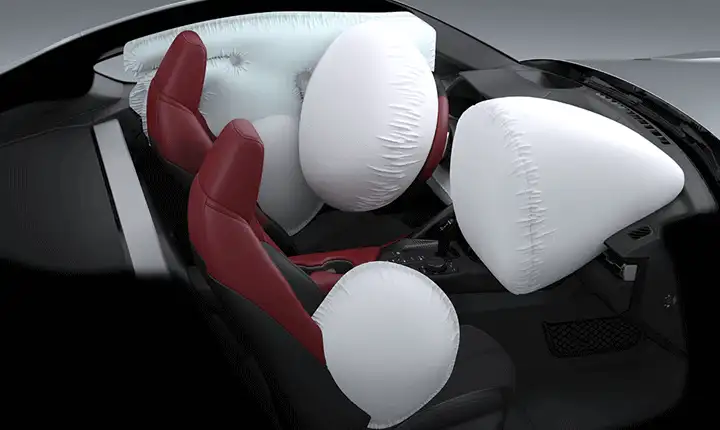
The front-center airbag (Front-Center Airbag) marks the latest revolution in automotive safety technology, specifically designed to prevent front passengers from colliding with each other during severe side impacts. Pioneered by General Motors in 2013, it's now standard in most modern vehicles as a core part of comprehensive airbag systems, enhancing protection against crashes and rollovers. In a world witnessing millions of accidents annually, this technology is a crucial step toward reducing side injuries, especially in family cars and SUVs popular in the GCC.
Airbag Evolution History: Innovation Journey
1981: Mercedes-Benz launches first steering wheel front airbag for driver protection only.
1990s: Passenger airbags added, then side airbags by Volvo (1994), driver's knee by Kia (1996).
1998: Volvo invents side curtain airbags for side crashes and rollovers.
2013: GM introduces first front-center in Buick Enclave, GMC Acadia, Chevrolet Traverse.
Today: Over 50 global models equipped, including GM, Ford, Toyota, Hyundai.
Front-Center Airbag Mechanics: Technical Details
Works with front/side/knee airbags to form full barrier, reducing chest injuries by 45%.
Modern Airbag Types: Comprehensive Comparison
Traditional Frontal: Protects frontal crashes, ineffective in sides.
Side Impact: Deploys from seats/doors for torso protection.
Curtain Side: Covers windows in side crashes/rollovers.
Front-Center (Far-Side): Specialized for "secondary motion" between occupants.
Knee Airbags: Support legs in frontal impacts.
Seatbelt Airbags (Ford): Inflate to distribute force over torso.
GCC Scenario Benefits
Urban Congestion (Dubai/Riyadh): Prevents driver-passenger collision in common side accidents.
Highways: Protects at 64 km/h speeds where forces triple.
Desert/Sand: Effective in rollovers, proven in GM tests.
Families: Extra protection for kids in front seats with proper belts.
Vehicles Equipped with Front-Center Airbag (2026)
GM: Buick Enclave, GMC Acadia, Chevrolet Traverse (since 2013).
Ford: F-150, Explorer with belt airbags.
Toyota: Camry, RAV4 in global markets.
Hyundai/Kia: Santa Fe, Sorento in top trims.
Mercedes S-Class: First with rear seatback airbags for frontal crashes.
GCC Availability: In 70% luxury SUVs in UAE/Saudi.
Safety Test Statistics: Stunning Results
NHTSA/IIHS: Reduces side chest injuries 40-50% at 60 km/h.
GM 2013 Tests: Dummies didn't collide, impact force down 65%.
Euro NCAP: Equipped cars earn extra 5 stars in side category.
Real Crashes: 27% lower fatalities in modern cars vs. 2010.
Future: Coming Airbags
Rear Center Airbags: Expected 2028 for 3-row SUVs.
Adaptive Smart Airbags: Adjust via AI for weight/size.
External Airbags: Deploy from bumpers for initial energy absorption.
Autonomous Integration: Sync with auto-braking to minimize need.
Comparison with Traditional Safety Systems
Front-center complements system for total safety.
Costs and Maintenance Considerations
Cost: AED 8-15K replacement in UAE post-deployment.
Warranty: 5-10 years most brands, annual free check.
Insurance: 10-15% premium discount for equipped cars.
Tip: Check expiration every 10 years to avoid failure.
GCC Buyer Tips
Choose 2024+ cars with far-side standard.
Watch NHTSA YouTube tests to see difference.
Service airbags at authorized dealers only.
Families: Focus on 3-row SUVs with GM tech.
In conclusion, the front-center airbag represents a quantum leap in automotive safety history, turning a simple idea – preventing passenger collisions – into a life-saving reality daily. From GM's 2013 launch, it's become essential in modern safety arsenals, backed by test data proving efficacy in toughest scenarios. With rapid GCC adoption, especially family SUVs, owning an equipped car is an investment in loved ones' safety, cementing this tech as a leader in smart, secure vehicle era.