

Why Are Racing Tires Supersmooth?
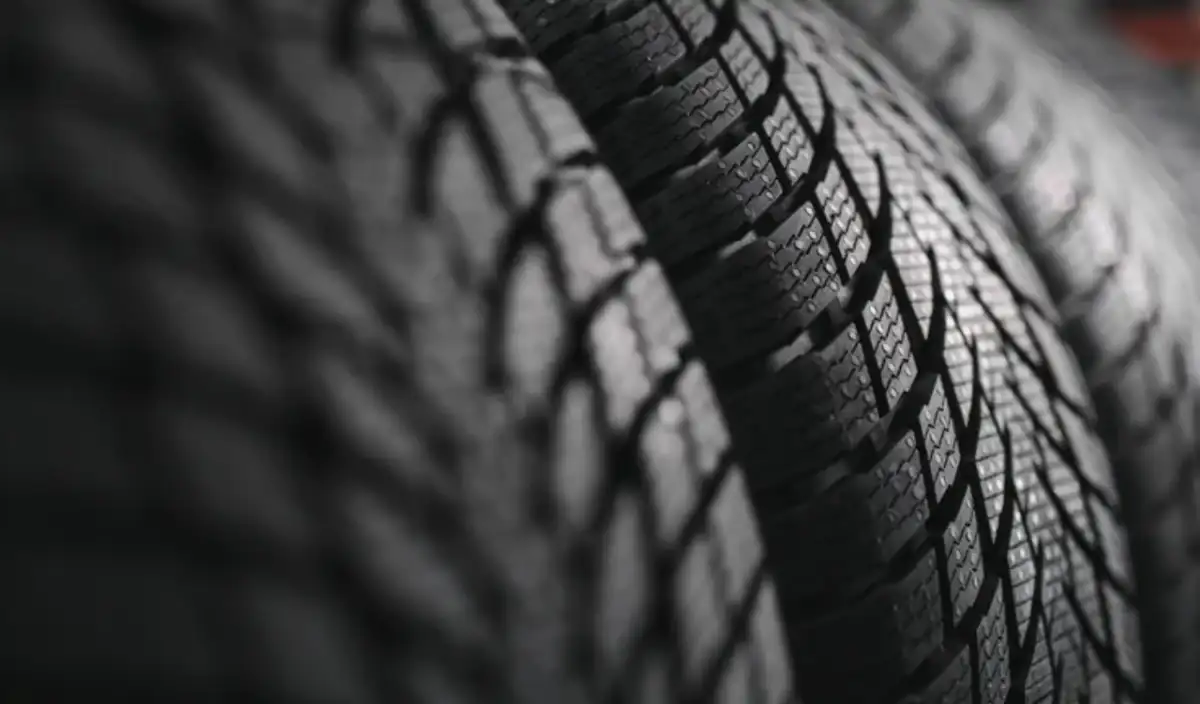
The most noticeable visual difference between racing tires and street tires is the tread: everyday tires have grooves and channels, while racing slick tires are almost completely smooth.
In street tires, the tread patterns disperse water and help prevent hydroplaning on wet roads, offering consistent grip across different seasons and conditions.
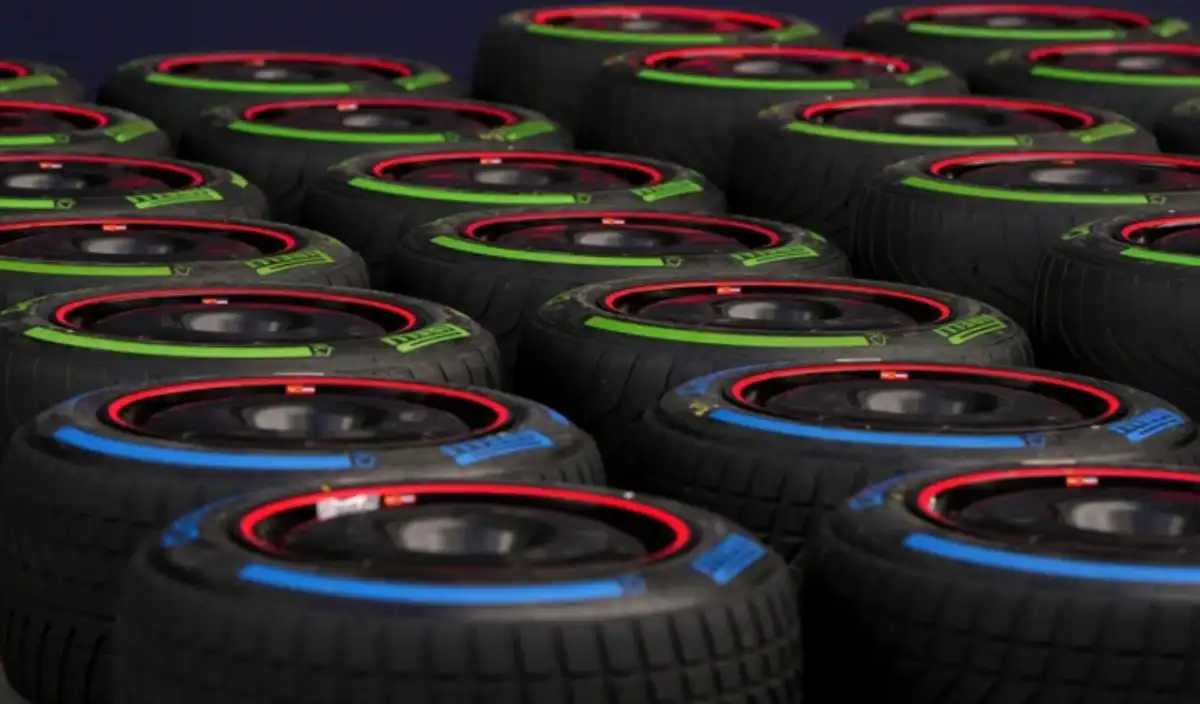
With racing slicks, tread is sacrificed entirely to maximize the contact patch with dry asphalt. Any groove reduces surface grip — and in racing, every millimeter matters. However, once rain starts, the slick’s weakness appears quickly: without channels to push water away, the tire rides over a thin water layer and loses traction. That’s why major motorsport series use wet tires and intermediate tires, which look more like road tires and feature visible tread patterns.
Heat and Pressure: A Narrow Performance Window vs. Everyday Stability
On track, engineers refer to a tire’s operating window — the temperature and pressure range where slicks deliver peak grip.
Racing tires often start with relatively low cold pressure (around 26 psi in some cases) because pressure rises significantly as they heat up during fast laps, sometimes increasing by 8–12 psi. Surface temperatures can exceed 220°F on track.
Street tires, by contrast, are designed for consistent performance through a wide range of speeds and climates. They typically operate around 32–45 psi with only minor increases under heat, and never reach race-level temperatures. This is why race teams use tire warmers on the grid, while daily drivers can stop safely at a traffic light with no warm-up needed.
Speed vs. Longevity — Which One Lasts Longer?
The trade-off is clear:
Racing tires prioritize grip and speed, using extremely soft rubber compounds that provide incredible traction but wear out quickly. Some Formula 1 tires last only a few dozen laps — often less than 120 miles depending on strategy and compound.
Street tires prioritize durability, built to last tens of thousands of kilometers with balanced performance, weather capability, and comfort — even if they don’t offer the extreme grip of a slick on track.
Even among slicks there are tiers — amateur/club racing versions last longer and survive several track sessions, but still nowhere near daily-use tire lifespan.
Comfort and Stiffness — Why Daily Driving on Slicks Would Be a Nightmare
Racing tires don’t just use different rubber — they also have stiffer sidewalls to withstand extreme cornering and vertical loads. While ideal for smooth racetracks, this means:
More vibration on bumps and rough asphalt
Less ride comfort for driver and passengers
Plus, slicks must stay warm and active to perform well, making daily driving tiring — and even light rain can turn the car into a dangerous sliding machine.
Tires: Street vs. Racing
Choosing the right tire isn’t just about looks — it’s about how and where you drive. Racing slicks are born for the track with a narrow operating window and maximum grip, while street tires balance safety, comfort, and longevity for daily use. The smart choice is using each tire type in the environment it was designed for.