

- Next-Gen Hybrid Powertrain: Core Innovations
- Real-World MPG and Range: The New Efficiency Benchmark
- Standard and Optional Drivetrains: Choices for Every Driver
- Tech and Safety Upgrades
- The Competition: Corolla Hybrid vs. Key Rivals
- Feature Highlights
- “The Commuter’s Wish”
The Toyota Corolla has long been the world’s go-to compact for reliability and value, but the upcoming generation aims to leapfrog its rivals on tech, efficiency, and smart power. With a next-gen hybrid system, revised powertrain options, and superior fuel economy, the 2026 Corolla wants to redefine “affordable future mobility.” What’s under the hood, how does it stack up against the competition, and will it remain as unstoppable as ever? Here’s the full story—rich with specs, comparative insights, and story-driven highlights.
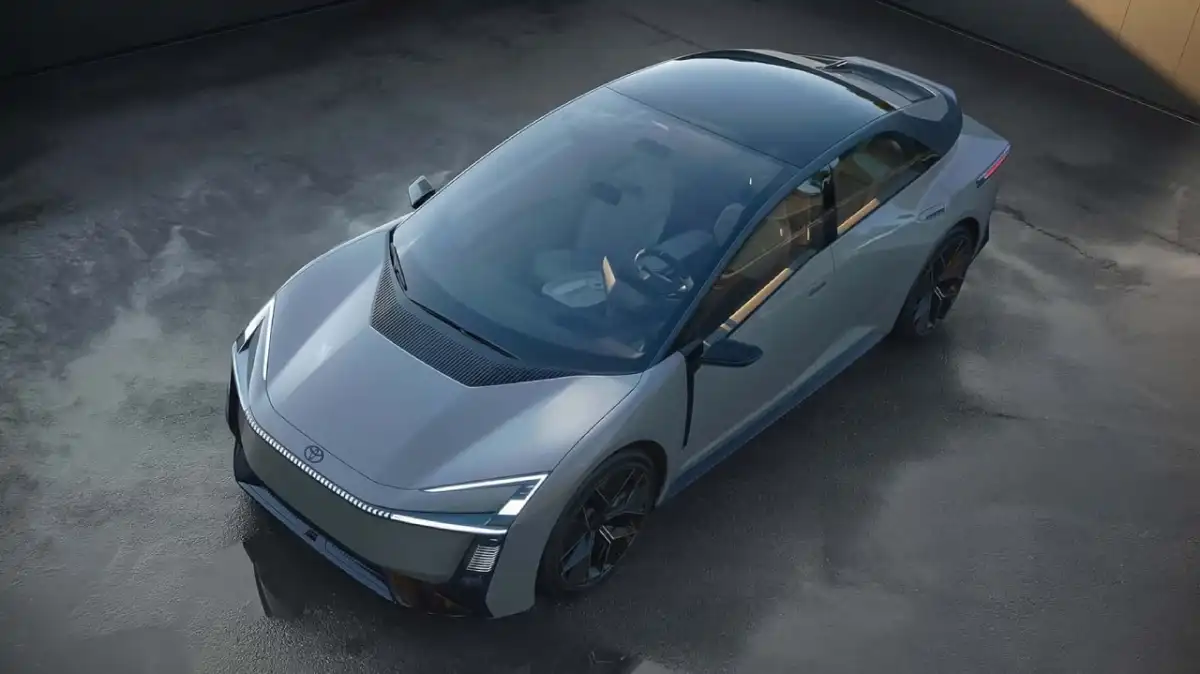
Next-Gen Hybrid Powertrain: Core Innovations
All-new hybrid system combines a 1.5-liter 4-cylinder gasoline engine (likely developed with BYD influence) and a more powerful, lighter electric motor.
Estimated output for U.S./global market: up to 99 hp petrol engine; system combined output may see further improvements (final numbers TBA).
Core tech: higher thermal efficiency (possible ~45%), advanced e-motor with reduced weight, retuned CVT, plus improved battery chemistry for quicker and smarter charging cycles.
For the first time, the Corolla family will offer a Plug-In Hybrid (PHEV) option in some markets—allowing short-range all-electric urban driving as well as hybrid efficiency.
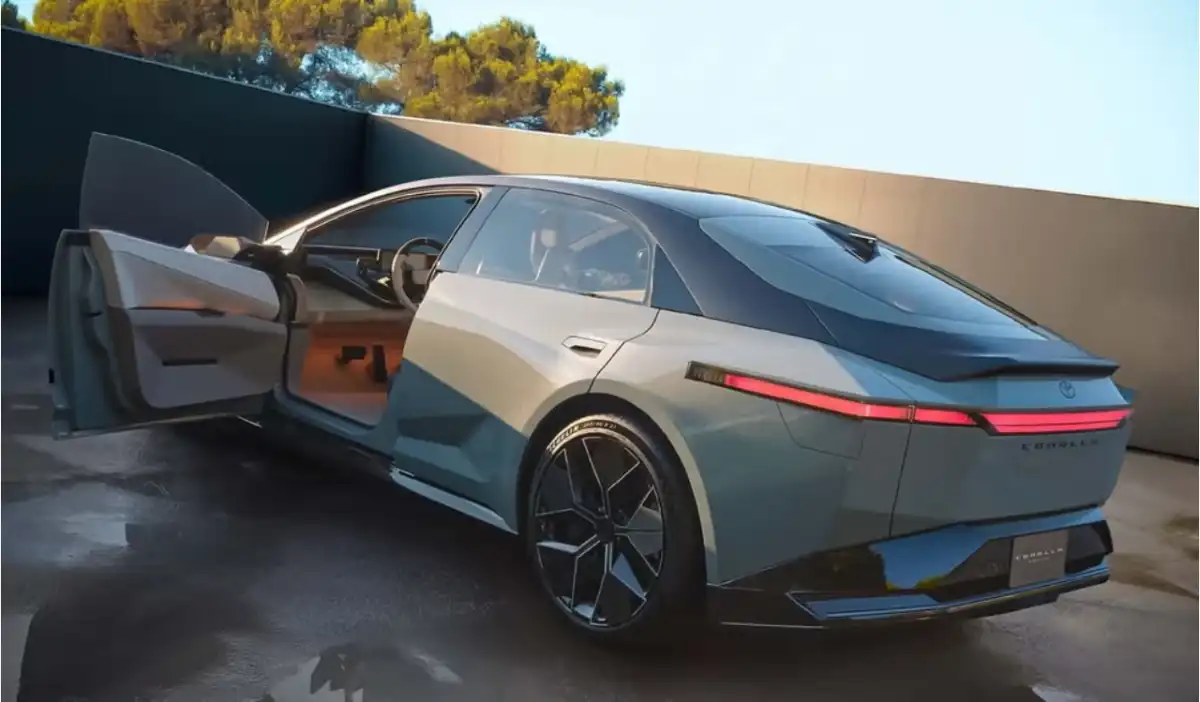
Real-World MPG and Range: The New Efficiency Benchmark
Newest Corolla Hybrid LE/XLE trim achieves up to 53 mpg city, 46 mpg highway, 50 mpg combined—placing the hybrid just a hair behind the Prius in real-world economy.
All-wheel drive option (available for hybrid): 51 mpg city, 44 highway, 48 combined—a minor tradeoff for extra stability.
High tank capacity (13.2 gallons): LE model provides a full-tank driving range of up to 462 miles, SE/XSE trims 449 miles.
These numbers mean fewer fuel stops, lower annual running costs, and a real edge for long-distance commuters.
Standard and Optional Drivetrains: Choices for Every Driver
Gas models (U.S.): 2.0L Dynamic Force I4, tuned for efficiency (35 combined mpg), retaining port and direct injection for optimal performance.
Hybrid models: 1.8L 4-cylinder paired with twin e-motors and CVT; plug-in hybrid expected to deliver mixed-mode flexibility for daily and road-trip needs.
Rumors persist of a sport-inspired 2.0L Hybrid or GR-badged model in the future, meaning even the enthusiast driver isn’t left behind.
Tech and Safety Upgrades
Full digital cockpit: Large driver display (LE/SE) and an expanded infotainment screen (standard on Hybrid XLE) anchor a more intuitive, less cluttered cabin.
Toyota Safety Sense with blind-spot monitoring and rear cross-traffic alert now standard on all trims; adaptive cruise and lane keeping on higher models.
Interior refresh: higher-grade materials, better sound insulation, and new color/trim options rival compact luxury cars.
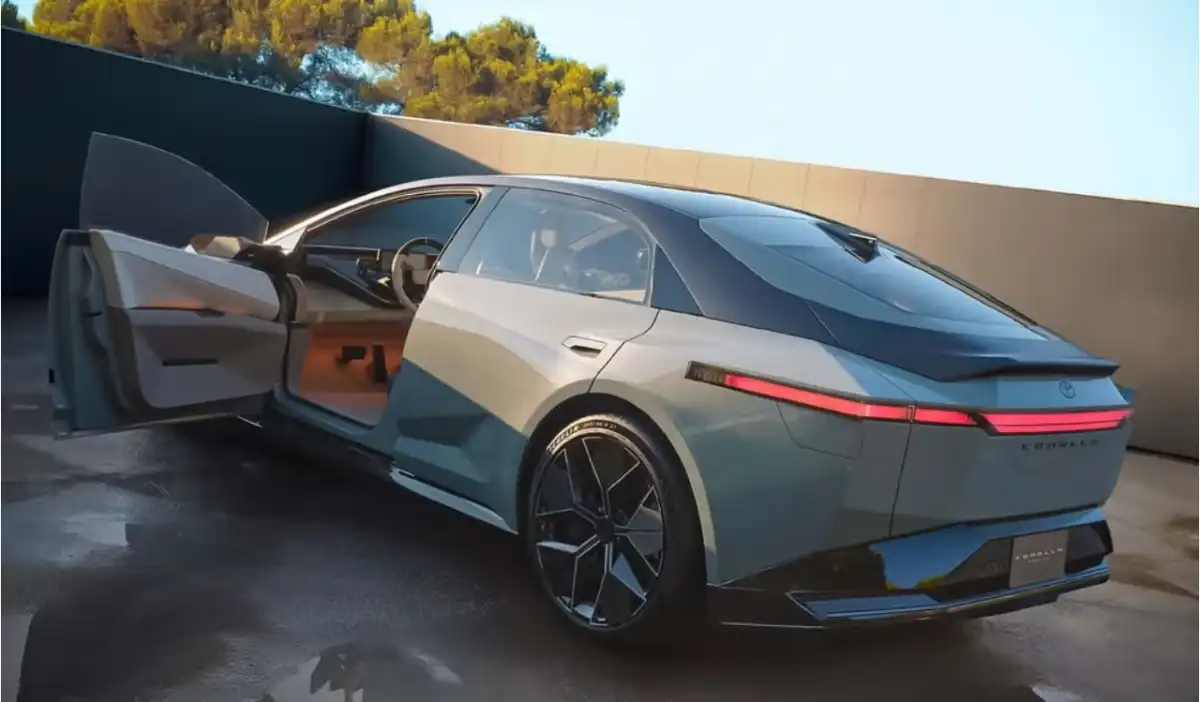
The Competition: Corolla Hybrid vs. Key Rivals
Feature Highlights
10–20% better MPG than previous Corolla hybrids, approaching Prius-like numbers.
All-new plug-in hybrid variant soon for select markets, enabling EV-only short commutes.
Choice of FWD or available e-AWD, with only a minor MPG penalty.
Smart interior tech: digital driver display, upgraded touchscreen, improved materials, and quieter cabin.
Standardized advanced safety gear—making even entry models appealing for families.
“The Commuter’s Wish”
A young teacher in Riyadh chooses the next-gen Corolla, thrilled to go weeks between fuel stops. She enjoys a smooth ride, digital cockpit, and total peace of mind. For her, “hybrid” now means luxury, savings, and the freedom to roam—across city or desert highway.