

- What Is the TPMS System and Why Is It Important?
- Types of TPMS Sensors
- TPMS Sensor Lifespan
- Should You Replace TPMS Sensors When Changing Tires?
- What Happens If You Ignore Failing TPMS Sensors?
- Cost of Replacing TPMS Sensors
- Are Aftermarket TPMS Sensors a Good Option?
- When Is Proactive Replacement the Smart Choice?
- Tire Change Only vs. Tires + TPMS Sensors
- Expert Advice
- Replace or Not?
A Small Component With a Bigger Role Than You Think
When changing tires, most drivers focus on tire brand, tread pattern, and production date, while overlooking a critical component: TPMS tire pressure sensors.
These small sensors play a major role in safety, fuel efficiency, and vehicle stability. The recurring question is:
Should TPMS sensors be replaced every time you change your tires?
The answer isn’t a simple yes or no. It depends on technical and time-related factors that every driver should understand.
What Is the TPMS System and Why Is It Important?
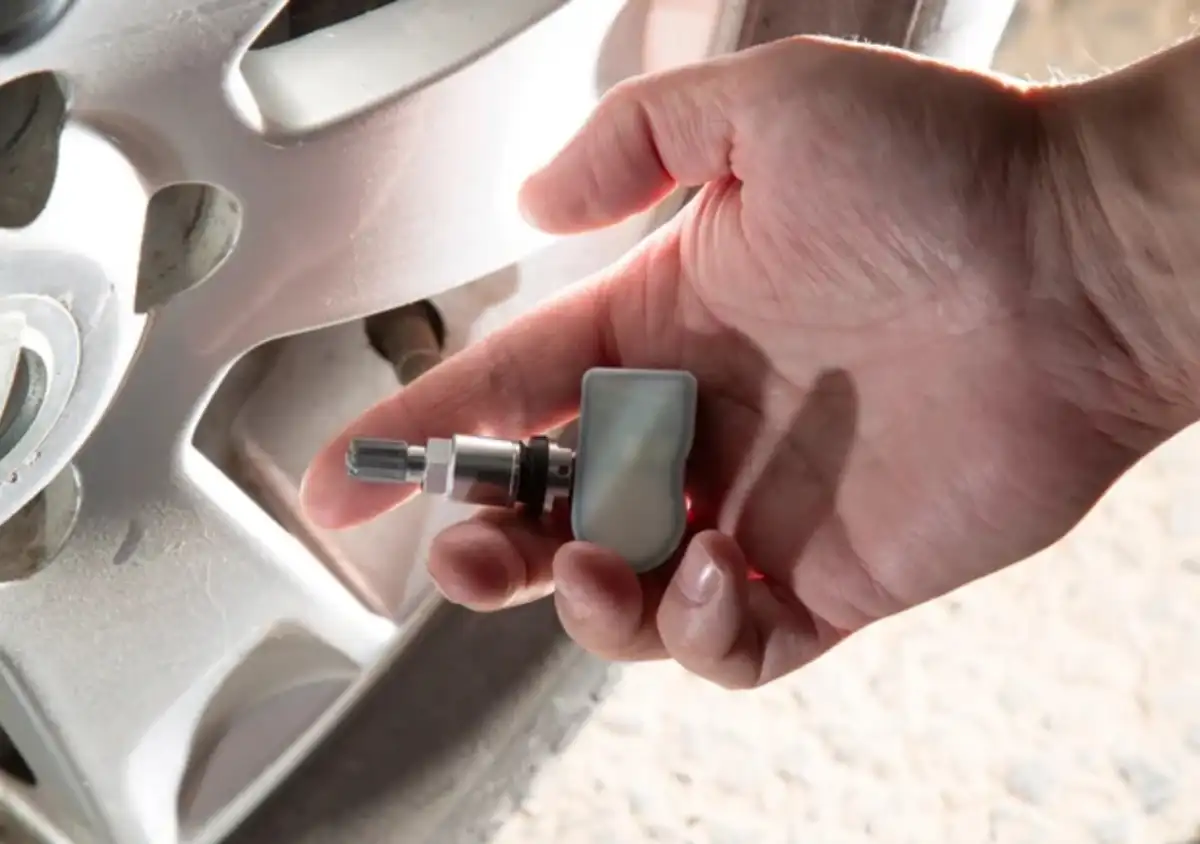
The Tire Pressure Monitoring System (TPMS) is mandatory in most modern vehicles. Its primary function is to alert the driver when tire pressure drops below safe levels.
Key Benefits:
Improved safety and reduced risk of tire blowouts
Better fuel efficiency
Enhanced vehicle stability and handling
Extended tire lifespan
Types of TPMS Sensors
Direct TPMS
Uses a sensor inside each wheel
Measures pressure and temperature directly
Highly accurate
Powered by an internal battery
Indirect TPMS
Relies on ABS wheel speed sensors
Detects pressure loss by wheel rotation differences
Less accurate
No internal battery
Important note: Most vehicles in Gulf markets use Direct TPMS systems.
TPMS Sensor Lifespan
Average lifespan:
5 to 10 years
Or approximately 150,000–200,000 km
Main reasons for failure:
Non-replaceable internal battery depletion
High ambient temperatures
Frequent tire removal and installation
Should You Replace TPMS Sensors When Changing Tires?
Yes, in these cases:
Sensors are more than 6–7 years old
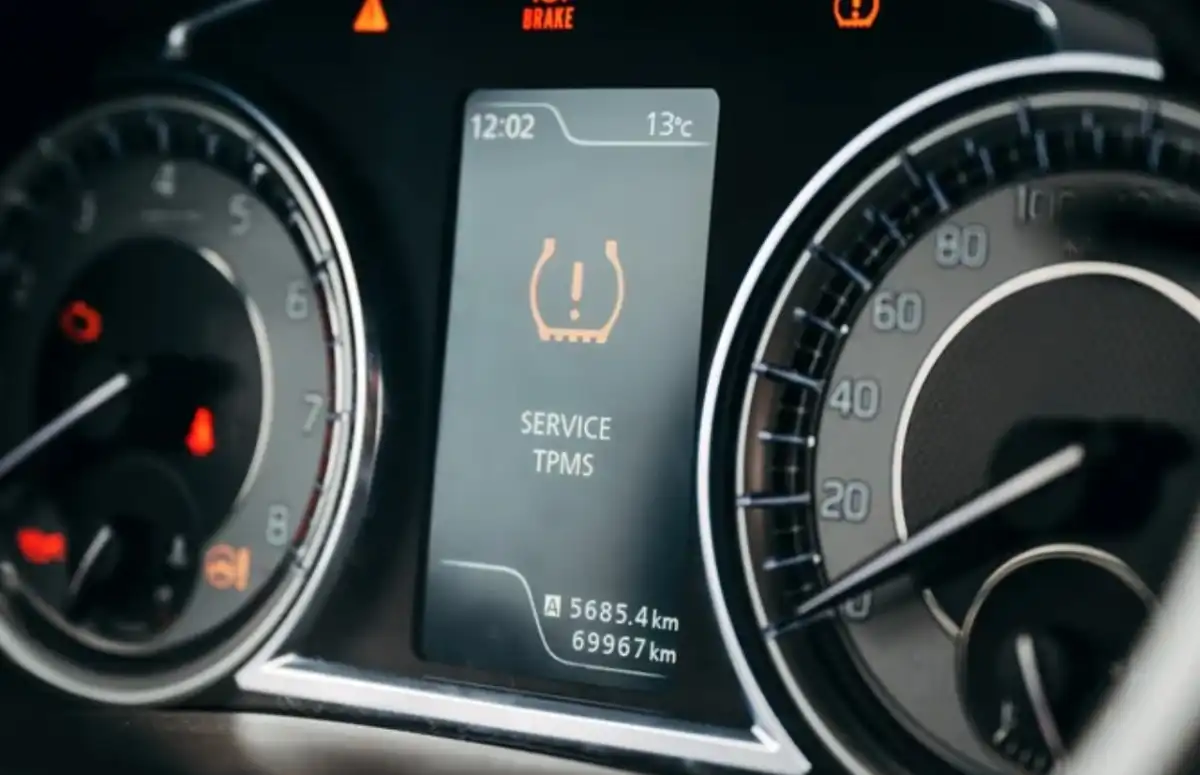
Repeated warning lights appear
Physical damage during tire removal
Weak or inconsistent readings
Second or third tire replacement cycle
No, in these cases:
Sensors are relatively new
No warning messages appear
Pressure readings are accurate and stable
Tires were mounted carefully
What Happens If You Ignore Failing TPMS Sensors?
Constant or false warning alerts
Loss of an important safety feature
Annoying dashboard messages
Failure during periodic inspections (in some countries)
Reduced resale value
Cost of Replacing TPMS Sensors
Approximate costs:
OEM sensors: Higher cost
Aftermarket sensors: Significantly cheaper
Programming fees: May be required depending on the vehicle
Many workshops charge extra to reprogram sensors to the vehicle’s ECU.
Are Aftermarket TPMS Sensors a Good Option?
Advantages:
Lower cost
Widely available
Acceptable performance
Disadvantages:
Shorter battery life in some cases
Quality varies by manufacturer
May require precise programming
When Is Proactive Replacement the Smart Choice?
Best times to replace TPMS sensors:
When changing tires after 5 years of vehicle use
If you plan to keep the car long-term
Before long road trips
When installing premium new tires
Tire Change Only vs. Tires + TPMS Sensors
Expert Advice
Don’t wait for complete sensor failure
Consider the vehicle’s age before deciding
Preventive replacement is better than roadside surprises
Choose workshops experienced with TPMS systems
Ensure correct sensor programming
Replace or Not?
TPMS sensors are not parts that must be replaced automatically with every tire change — but they should never be ignored.
The smart decision depends on sensor age, usage patterns, and condition.
In many cases, replacing them during a tire change offers better long-term value and peace of mind.