

- China’s UAE Car Export Data Shows a Market Moving Toward New Energy
- A Large Market, But No Longer an Easy One
- New-Energy Vehicles Are the Real Growth Story
- Why the UAE Is Important for Chinese Brands
- Hybrids May Be the Bridge
- What the Data Says About the Next Phase
- Cartea Editor’s Verdict
China’s UAE Car Export Data Shows a Market Moving Toward New Energy
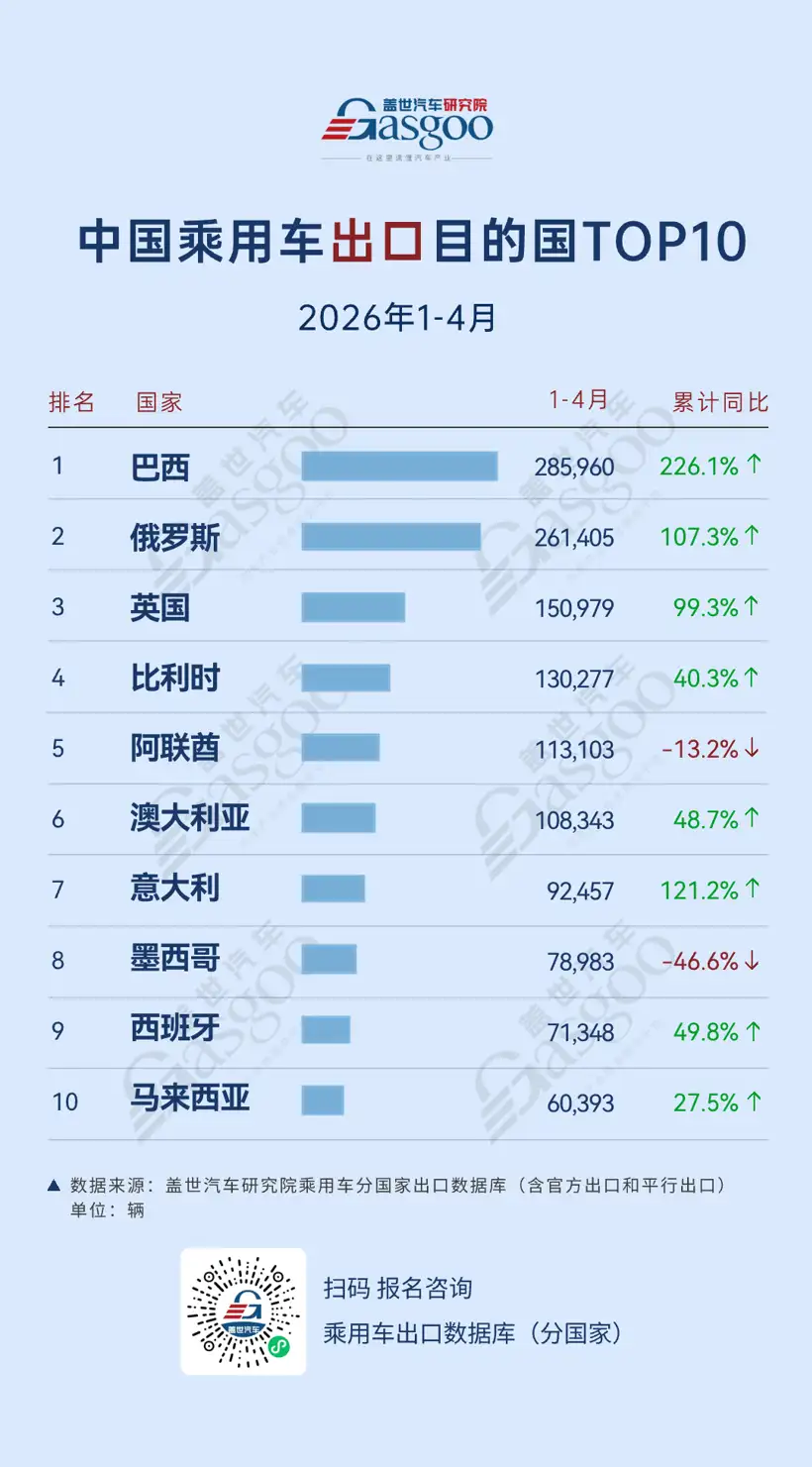
The UAE remains one of the most important global destinations for Chinese passenger cars, but the latest export data tells a more complex story than simple growth. Between January and April 2026, China exported 113,103 passenger cars to the UAE, placing the country among the top five destinations for Chinese vehicle exports. At the same time, that figure represented a 13.2% year-on-year decline.
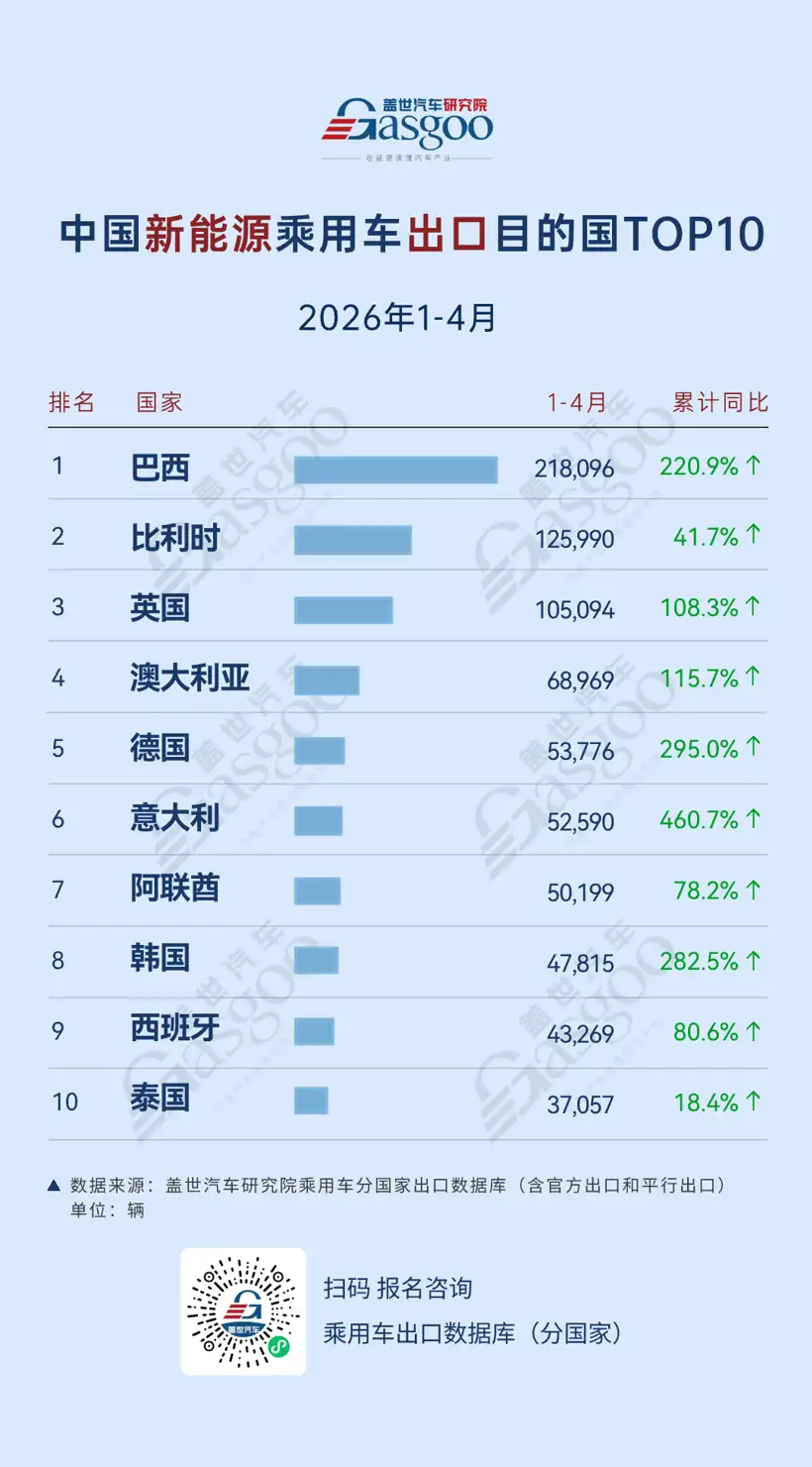
On the surface, this may look like a slowdown. But the new-energy vehicle data changes the picture. During the same period, China exported 50,199 new-energy passenger vehicles to the UAE, up 78.2% year-on-year. In other words, while total passenger-car exports softened, electrified models gained strong momentum.
For the UAE, this signals a shift in buyer demand. For Chinese brands, it shows that the Gulf is not only a volume market anymore. It is becoming a more selective and more strategic market, especially for hybrids, plug-in hybrids and electric vehicles.
A Large Market, But No Longer an Easy One
The UAE’s position as China’s fifth-largest passenger-car export destination underlines the country’s importance. Few markets outside China combine high car ownership, strong SUV demand, openness to new brands and a large re-export ecosystem in the same way.
However, the decline in total exports suggests that the market is maturing. Chinese brands can no longer depend only on attractive prices, long feature lists and fast showroom expansion. Competition has intensified, and buyers are becoming more demanding.
In the UAE, a new car must do more than look modern. It must handle extreme heat, long highway driving, daily urban use, family needs and aftersales expectations. This makes the market harder, but also more valuable for brands that can prove themselves.
New-Energy Vehicles Are the Real Growth Story
The strongest part of the data is the rise of Chinese new-energy passenger vehicles. With 50,199 units exported to the UAE in the first four months of 2026, NEVs accounted for around 44% of China’s passenger-car exports to the country during that period.
That is a significant signal. It shows that the UAE is not only absorbing traditional petrol Chinese cars, but increasingly accepting electrified products. This includes full EVs, plug-in hybrids and extended-range or hybrid-style solutions, depending on brand strategy and product availability.
The growth also fits the wider direction of the local market. Fuel costs, sustainability targets, corporate fleet interest, premium EV launches and stronger hybrid awareness are all changing how customers compare vehicles.

Why the UAE Is Important for Chinese Brands
The UAE plays a special role in the Middle East automotive landscape. It is both a consumer market and a visibility market. A model that succeeds in Dubai or Abu Dhabi can gain credibility across the GCC, especially if it performs well in heat, traffic, long-distance driving and family use.
For Chinese brands, this matters. The UAE can help test whether a vehicle is only competitive on paper, or genuinely ready for Gulf conditions. It can also show whether the brand has enough aftersales strength to support long-term ownership.
This is why the rise in NEV exports is important. The Gulf is not always seen as the easiest region for electrification, because drivers value long range, fast refuelling, strong cooling and large vehicles. If Chinese NEVs can grow here, it means the products are starting to match real regional needs more closely.
Hybrids May Be the Bridge
The UAE’s NEV growth should not be read only as a full-electric story. For many GCC buyers, the most practical transition may come through hybrids and plug-in hybrids rather than pure EVs.
This is where Chinese automakers have a major opportunity. Brands such as BYDEgypt BYDUAE BYDKSA BYDBahrain BYDKuwait BYDOman BYDQatar BYD, GeelyUAE GeelyKSA GeelyKuwait GeelyQatar GeelyOman GeelyBahrain GeelyEgypt Geely, CheryKSA CheryKuwait CheryQatar CheryBahrain CheryUAE CheryOman CheryEgypt Chery-related brands, GWM and others are increasingly pushing hybrid and plug-in hybrid technologies designed to reduce fuel use without forcing drivers to depend fully on charging infrastructure.
That middle-ground approach could be especially effective in the UAE. A plug-in hybrid SUV or MPV can cover daily city driving more efficiently, while still offering the confidence needed for long intercity trips, family travel and summer driving.
What the Data Says About the Next Phase
The combined numbers reveal a useful contradiction. China’s total passenger-car exports to the UAE declined, yet its new-energy exports grew sharply. That suggests the market is not rejecting Chinese cars. It is becoming more selective about which Chinese cars it wants.
This is a healthier stage of competition. Instead of measuring success only by volume, Chinese brands now need to compete through product relevance, drivetrain strategy, warranty confidence, service network strength and technology that feels useful in daily life.
The next winners will likely be the brands that understand GCC usage patterns, not just those that ship the most cars.
Cartea Editor’s Verdict
The UAE remains a major destination for Chinese passenger cars, but the latest data shows that the market is changing. The overall export slowdown should not be ignored, but the sharp rise in new-energy vehicles is the more important signal.
Chinese brands are entering a new phase in the UAE. The first phase was about price and equipment. The next phase is about efficiency, electrification, aftersales trust and products designed around real Gulf driving conditions.
For Cartea readers, the message is clear: Chinese cars are no longer growing in the UAE as one single category. The market is separating. Traditional models are facing pressure, while new-energy vehicles are gaining momentum. That shift may define the next chapter of Chinese automotive expansion in the GCC.