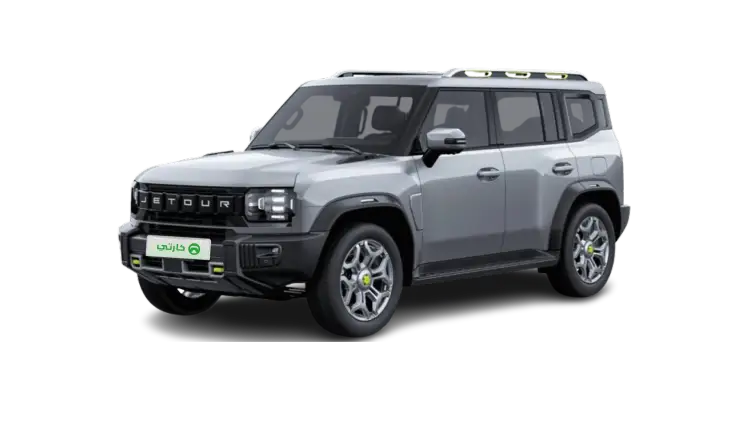

UAE May 2026 Chinese Car Sales: Jetour T2 Leads as Brands Capture 33.1% Market Share
In May 2026, Chinese automotive brands continued their remarkable ascent in the UAE market, capturing 33.1% of total new car sales. Against a backdrop of shifting consumer preferences toward value-packed SUVs and electrified drivetrains, Chinese manufacturers have moved from niche challengers to mainstream contenders. Jetour, BYD, and Changan led the charge with nine distinct Chinese models ranking among the month's top sellers.
33.1% CHINESE BRANDS SHARE
735 JETOUR T2 UNITS — TOP CHINESE MODEL
221 BYD SONG PLUS UNITS
215 JETOUR DASHING UNITS
The headline story of May 2026 is not merely growth — it is consistent dominance across multiple price segments. From the budget-friendly Changan CS35 Plus at AED 75,000 to the premium BYD Atto 3 at AED 149,900, Chinese brands now field competitive products in nearly every SUV category. Their combined share of 33.1% places them firmly ahead of Korean manufacturers and within striking distance of Japanese market leaders.
Top Chinese Models in UAE — May 2026
| Rank | Model | May 2026 Units | Body Style | Starting Price (AED) |
|---|---|---|---|---|
| 1 | Jetour T2 | 735 | SUV | 146,000 |
| 2 | BYD Song Plus | 221 | SUV | 119,900 |
| 3 | Jetour Dashing | 215 | SUV | 109,000 |
| 4 | BYD Atto 3 | 197 | SUV | 149,900 |
| 5 | Jetour X70 Plus | 177 | SUV | 99,000 |
| 6 | Changan CS35 Plus | 159 | SUV | 75,000 |
| 7 | MG ZS | 142 | SUV | 71,104 |
| 8 | Chery Tiggo 8 | 131 | SUV | 92,500 |
| 9 | Geely Monjaro | 121 | SUV | 124,000 |
Jetour T2: The Undisputed Leader
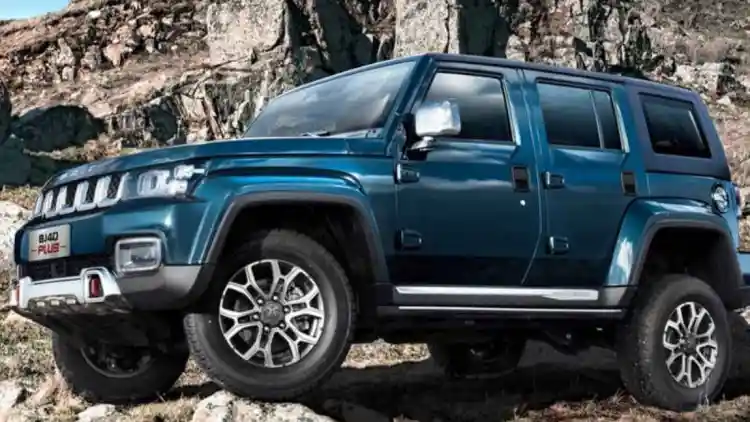
The Jetour T2 stands as the best-selling Chinese car in the UAE, moving 735 units in May alone. This 2.0L turbocharged SUV with all-wheel drive and 251 hp has struck a chord with Emirati buyers seeking desert capability without paying premium Japanese or European prices. At AED 146,000, the T2 undercuts comparably equipped Toyota RAV4 and Hyundai Tucson variants while delivering more power, a larger touchscreen, and a longer warranty.
Jetour's success is not accidental. The brand has built a dealer network across Dubai, Abu Dhabi, and the Northern Emirates, backed by aggressive financing packages and a 5-year/150,000 km warranty that matches or exceeds every mainstream competitor. The T2's monthly volume now rivals some non-Chinese nameplates, confirming that buyer skepticism toward Chinese brands has largely evaporated in the UAE.
BYD's Dual-Strategy Success
BYD claimed two of the top four positions with the Song Plus and Atto 3. The Song Plus, a plug-in hybrid with 100 km of electric range and a combined 326 hp, sold 221 units — a remarkable figure for a powertrain category that remains underdeveloped among legacy competitors. At AED 119,900, it offers a compelling middle ground for buyers not yet ready to commit to fully electric driving.
The fully electric BYD Atto 3 added 197 units, reinforcing BYD's position as the leading Chinese EV brand in the UAE. With its 60.5 kWh Blade Battery, 420 km of range, and an 8-year battery warranty, the Atto 3 addresses the two concerns that have historically slowed EV adoption: range anxiety and battery degradation. At AED 149,900, it sits comfortably below the Tesla Model Y while offering comparable range and superior interior technology.
The Budget Champions: CS35 Plus and MG ZS
At the entry level, the Changan CS35 Plus and MG ZS delivered 159 and 142 units respectively. Both models prove that Chinese brands are not merely competing on price — they are winning on features. The CS35 Plus includes a panoramic sunroof, wireless Apple CarPlay, and a 1.4L turbo engine at AED 75,000, a price point where most competitors offer stripped-down base trims. The MG ZS, with its 5-year/unlimited km warranty, remains a safe choice for first-time buyers prioritizing peace of mind.
Conclusion
May 2026 confirms that Chinese brands have transitioned from market disruptors to market pillars in the UAE. With 33.1% share and nine models in the monthly top rankings, the competitive landscape has fundamentally shifted. For buyers, this means more choice, better technology, and lower prices. For legacy brands, it means the fight for relevance has only intensified.