
- First: How does a gasoline engine work, and why doesn’t it accept diesel?
- Second: What happens immediately after filling diesel instead of gasoline?
- Third: What should you do as soon as you discover you filled diesel instead of gasoline?
- Fourth: Steps to clean the system (the technical rescue plan)
- Fifth: What if you drove a long distance on a diesel–gasoline mixture?
- Sixth: The difference between “diesel in a gasoline car” and “gasoline in a diesel car”
- Seventh: How can you avoid this mistake in the future?
- Eighth: Quick bullet points to highlight in the article
- Risk level by case
- An expensive mistake if ignored… simple if treated early
In the rush of everyday life, it’s not surprising for a driver to make a mistake and stop at the wrong fuel pump, especially if they drive more than one car or use rental or fleet vehicles. Filling a gasoline car with diesel might seem like a “simple mistake,” but it can lead to expensive damage to the injectors, fuel pump, and catalytic converter if it isn’t handled firmly and calmly. The big difference between the properties of gasoline and diesel makes a gasoline engine unable to deal with diesel properly, and that’s where the danger begins.
First: How does a gasoline engine work, and why doesn’t it accept diesel?
A gasoline engine relies on a mixture of air and fast‑evaporating gasoline, compressed inside the combustion chamber and then ignited by a spark plug. This setup requires a fuel that is:
Light and quick to evaporate.
Suitable for ignition at specific temperatures and pressures.
By contrast, diesel is:
Heavier, more viscous, and less volatile.
Designed to ignite under high pressure in engines that operate without spark plugs (diesel engines).
When diesel enters the fuel system of a gasoline car, it:
Does not evaporate as required.
Does not burn efficiently, leading to poor combustion, misfiring, loss of power, and possibly smoke from the exhaust.
Second: What happens immediately after filling diesel instead of gasoline?
Scenario 1: Discovering the mistake before starting the car
This is the best possible scenario:
Diesel has not yet been drawn from the tank to the fuel pump and injectors.
Damage is usually almost zero if the situation is handled quickly.
In this case:
Do not start the car at all.
Do not try to “move it a little” or change its position while it is filled with diesel.
Scenario 2: Starting the car after filling
If the engine is started after filling:
Diesel begins to reach the lines, filter, injectors, and possibly the combustion chambers.
You may notice:Hard starting or delayed response.
Vibrations and noticeable misfiring.
Black or gray smoke from the exhaust.
A clear loss of power.
Continuing to drive in this condition increases the likelihood of:
Injector damage due to clogging or exposure to the wrong type of fuel.
Catalytic converter blockage because of incomplete combustion and unburned fuel reaching the exhaust.
Failures in oxygen sensors and other exhaust‑system sensors.
Third: What should you do as soon as you discover you filled diesel instead of gasoline?
Stop immediately and do not start the engine
If you are still at the fuel station:
Stop everything and do not try to start the car.
If you discover the mistake after driving a short distance:
Pull over safely to the side of the road and turn off the engine immediately.
Do not try to “fix” the situation yourself
Do not pour gasoline over the diesel hoping the mixture will “dilute.”
Do not try to siphon the fuel yourself if you lack the tools and proper experience.
Call for a tow truck to a workshop
It is best to call a towing service and move the car to a specialist workshop or authorized service center.
Tell them clearly that the problem is wrong fueling (diesel instead of gasoline).
Fourth: Steps to clean the system (the technical rescue plan)
Step 1: Completely drain the fuel tank
At the workshop, the first essential action is to:
Drain all the contents of the fuel tank (gasoline–diesel mixture).
Open the tank or use a suitable extraction pump to remove all fuel.
Clean or flush the tank as much as possible to remove diesel residues and deposits.
Step 2: Clean the fuel lines and replace the filter
After draining the tank:
The fuel filter is inspected and replaced; it is always recommended to change it after such a fueling error.
Clean gasoline is run through the fuel lines to flush out the remaining diesel from the pipes up to the engine.
Step 3: Inspect the injectors and fuel pump
If the car was not started after filling:
Injectors usually only need clean gasoline to pass through them, with performance monitored.
If the car was started and driven:
Injectors may need professional cleaning with a dedicated machine or removal and manual cleaning.
The fuel pump is checked to ensure it has not been damaged or subjected to abnormal stress.
Step 4: Fill with clean gasoline and restart under supervision
After completing all cleaning steps:
The tank is filled with clean gasoline (preferably more than half full).
The car is started inside the workshop while:
Monitoring engine idle speed.
Watching for any misfiring, cutting, or abnormal vibration.
Ensuring the exhaust is free from unusual smoke.
If everything appears normal, a short test drive is carried out to confirm stable performance.
Fifth: What if you drove a long distance on a diesel–gasoline mixture?
If a long distance was driven and the engine was heavily loaded, the likelihood increases of:
Injector clogging or damage.
Damage to the catalytic converter due to incomplete combustion.
Engine‑oil contamination if fuel enters the cylinders in significant amounts.
In these cases, in addition to the previous steps, it may be necessary to:
Perform a compression test to ensure the combustion chambers are healthy.
Check the condition of the catalytic converter and oxygen sensors.
Change the engine oil and filter as a precaution if fuel contamination is suspected.
Sixth: The difference between “diesel in a gasoline car” and “gasoline in a diesel car”
Diesel in a gasoline car:
Usually leads to poor combustion, misfiring, and system clogging, but is less likely to cause immediate mechanical breakage inside the engine if stopped early.
Gasoline in a diesel car:
More dangerous, because gasoline reduces lubrication of the high‑pressure pump and injectors in modern diesel engines, and may cause very expensive mechanical damage in a short distance.
Seventh: How can you avoid this mistake in the future?
To reduce the chance of repeating the mistake:
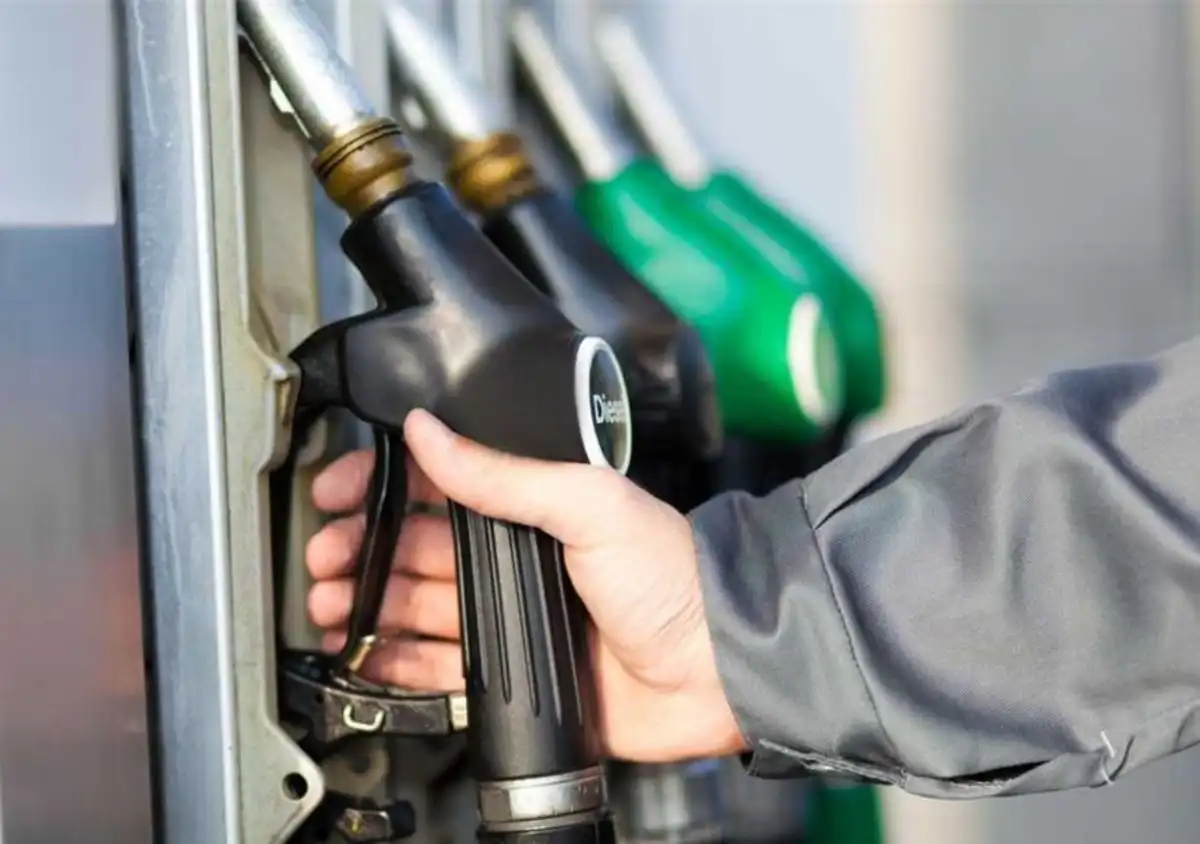
Always focus on the fuel type written on the pump (Gasoline / Petrol) versus (Diesel).
Check the color of the nozzle if the station uses color coding for each fuel.
If you drive more than one car (one gasoline and one diesel):
Place a clear sticker near the filler cap indicating the correct fuel type.
Avoid distractions while refueling (phone use, long conversations, rushing).
Eighth: Quick bullet points to highlight in the article
Filling diesel in a gasoline car prevents proper combustion and causes misfiring, power loss, and possibly exhaust smoke.
The best action when discovering the mistake is to never start the car and to have it towed to a specialist workshop.
The correct rescue plan includes: draining the tank, cleaning the lines, replacing the fuel filter, and checking injectors and fuel pump.
Driving a long distance on a diesel–gasoline mixture can damage the catalytic converter and exhaust sensors and may require a broader inspection and an engine‑oil change.
Prevention starts with paying attention to the fuel type on the pump and using reminder stickers on the filler cap, especially for those who switch between more than one car.
Risk level by case
An expensive mistake if ignored… simple if treated early
Filling diesel in a gasoline car is not the end of the world, but it can turn into a hefty bill if the driver keeps driving and ignores the warning signs. The key to minimizing losses is to act quickly: do not start the engine, have the car towed to a specialist workshop, and carry out full fuel‑system cleaning before the mistake turns into a chain of mechanical failures. With awareness, calm, and adherence to the correct procedures, this common error can be turned into a single lesson instead of the beginning of recurring problems with the car.