
- Why state of charge matters for battery life
- Why 20–80% is considered an ideal balance
- When to charge to 100% – and when to avoid it
- The role of temperature and charging method in battery health
- Practical tips for EV owners in Saudi Arabia and the Gulf
The best state of charge for most electric‑car lithium‑ion batteries is usually in the mid‑range, roughly between 20% and 80% for daily use, reserving 100% only when you really need maximum range for longer trips. Keeping the battery away from the extremes (0% and 100%) and avoiding high heat as much as possible reduces the rate of capacity loss over the long term.
Why state of charge matters for battery life
EV lithium‑ion batteries are sensitive to two extremes: staying fully charged all the time, and being deeply discharged repeatedly.
Charging to 100% and leaving the car parked for long periods:
Keeps cell voltage high for a long time, which increases unwanted chemical reactions and accelerates degradation.
Frequently discharging under 10% or even to 0%:
Stresses the cells and over time can cause permanent damage to parts of the battery.
That is why most informal guidance for EV owners recommends avoiding “living at the edges” and using a comfortable middle zone for everyday driving.
Why 20–80% is considered an ideal balance
There is no single magic number for all cars, but the 20–80% band has become almost a “golden rule” among many experts and users.
Between 20% and 80%, cell voltage sits in a less chemically stressful operating region.
The risk of over‑charge or deep‑discharge is lower, so charge/discharge cycles are “easier” on the battery.
Many manufacturers now include settings that let you choose a daily charge cap (for example 70% or 80%) and reserve 100% for a “trip mode” or “long journey” profile.
This strategy extends the battery’s long‑term usable life (in terms of remaining capacity after years) at the cost of a small amount of range that most drivers do not actually need every single day.
When to charge to 100% – and when to avoid it
Even though avoiding 100% daily is beneficial, there are times when a full charge is logical and necessary.
When to go to 100%:
Right before long trips when you need every kilometre of range.
When travelling between areas where charging infrastructure is limited.
How to reduce the negative impact of a full charge:
Try to time charging so that it reaches 100% shortly before you set off, rather than sitting at 100% for many hours while parked.
Avoid leaving the car fully charged under strong sun or in very high ambient temperatures if you can.
When to avoid full charges as much as possible:
In daily city use if 50–70% of the battery’s capacity easily covers your needs.
For longer storage periods when you are not driving much; in that case, leaving the car around 40–60% is usually preferable.
The role of temperature and charging method in battery health
State of charge is not the only factor; temperature and how you charge also have a strong impact.
High temperature plus high state of charge:
The worst case for battery health is combining hot conditions (e.g. summer, outdoor parking in the sun) with the pack sitting near 100% for long periods.
Frequent DC fast charging:
Very useful on trips, but it heats the battery more than slower AC charging.
Best practice is to rely on fast charging for intercity travel and use slower home or workplace AC charging for everyday needs.
Parking for long periods:
If the car will sit unused for weeks, most guidance suggests leaving it somewhere around 40–60% rather than full or nearly empty.
Practical tips for EV owners in Saudi Arabia and the Gulf
The Gulf’s hot climate makes respecting the “comfortable SOC zone” even more important than in cooler regions.
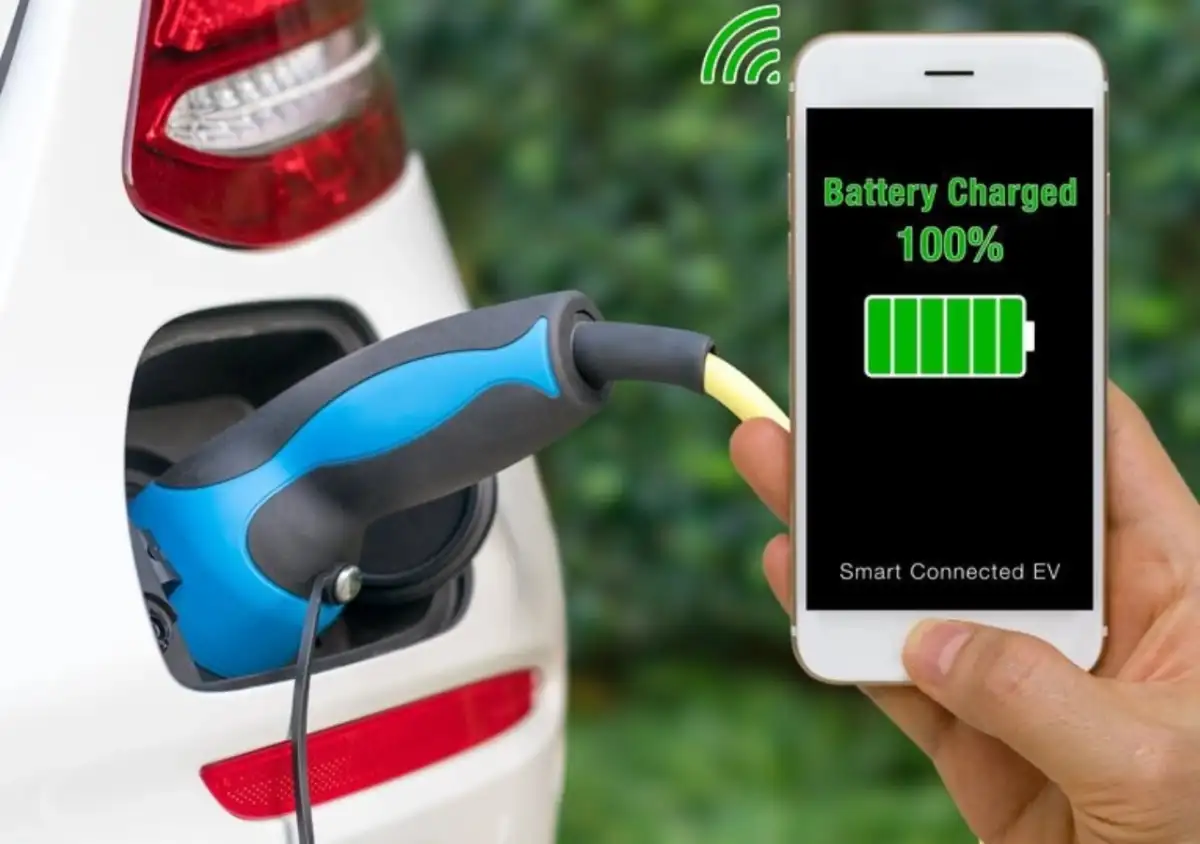
Set your daily charge limit to about 70–80% via the car’s settings or app, if available.
Use 100% only before long journeys and avoid leaving the car fully charged in direct sun for hours.
Whenever possible, park in the shade or in covered/indoor parking, especially in summer, to reduce thermal stress on the battery.
If the car will not be used for an extended period, leave charge around the middle (roughly 50%) instead of storing it full or nearly empty.
With these habits, you can significantly slow battery degradation and preserve more range over time, which also helps the car retain better resale value.