

- An Unexpected Link Between One Man and Automotive Ambitions
- Uncommon Cars on a Private Wishlist
- Toyota Century: A Classic Dream That Never Materialized
- Why the Import Failed: Regulations Are Reality, Not Theory
- Discussions Extended to Other Vehicles
- What Do These Details Reveal?
- Money Does Not Override the Rules
An Unexpected Link Between One Man and Automotive Ambitions
Within thousands of pages released by the US Department of Justice, details emerged not only about legal disputes and allegations, but also about unexpected automotive-related pursuits. One of the more unusual revelations involved Jeffrey Epstein’s attempts to import vehicles not officially sold in the United States—a story that blends personal ambition, technical limitations, and the rigid regulatory framework governing vehicles in the American market.
Despite vast financial resources and extensive connections, Epstein failed to bring certain cars into the US, not because of cost constraints, but due to the complexity of laws regulating vehicle imports.

Uncommon Cars on a Private Wishlist
A series of emails contained within the documents revealed Epstein’s interest in several vehicles unavailable through official US channels.
Among the models discussed were:
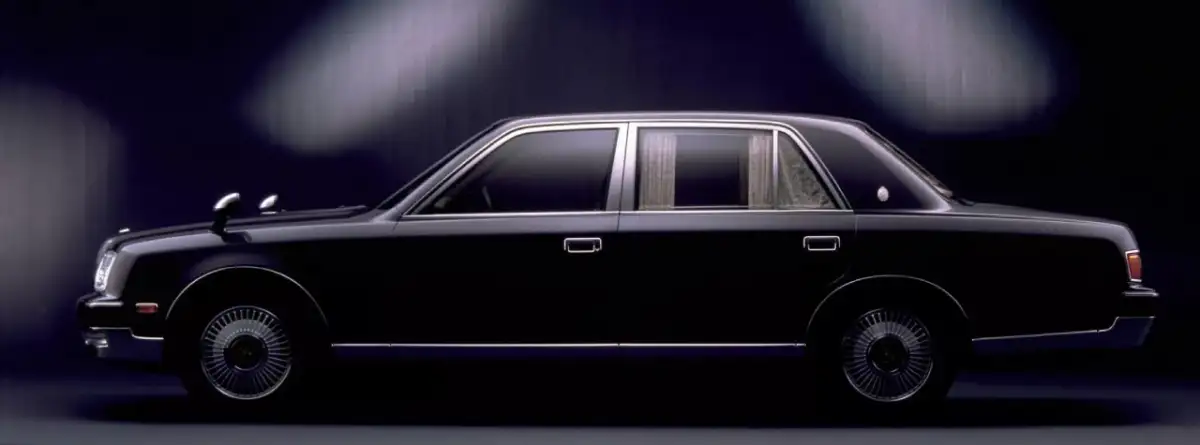
Toyota Century – Japan’s ultra-luxury sedan, widely regarded as a symbol of traditional Japanese elegance.
Hyundai Equus (Limousine) – A high-end limousine variant offering exceptional comfort and luxury.
Other vehicles such as the Chevrolet Express, Nissan NV Cargo, and Ford Transit, which Epstein explored acquiring through unconventional means.
What stands out is that some of these vehicles are not typical choices for a wealthy collector seeking exclusivity, suggesting personal or operational motivations rather than pure automotive passion.
Toyota Century: A Classic Dream That Never Materialized
Among the vehicles Epstein sought to import, the Toyota Century was the most distinctive. Known as Japan’s flagship luxury sedan and often used by senior officials and dignitaries, the Century represents understated prestige rather than flashy opulence.
Epstein explored the possibility of shipping a Century directly to the US, but encountered a fundamental obstacle: the vehicle did not comply with US federal safety standards.
This meant the car would require:
Extensive crash-safety modifications
US-approved safety equipment
Comprehensive certification testing
As a result, importing a single unit became impractical and prohibitively complex, especially when weighed against the high cost of regulatory compliance and engineering changes.
Why the Import Failed: Regulations Are Reality, Not Theory
The United States enforces one of the strictest vehicle safety and emissions regulatory systems in the world. Any vehicle imported for road use must:
Meet federal crash-test standards
Be equipped with approved safety systems such as airbags and ABS
Comply with environmental emissions regulations
Undergo certified testing before being legally registered
These regulations exist to protect road users and pedestrians, but they also make importing non-homologated vehicles a significant legal and technical challenge.
In Epstein’s case, despite leveraging advisors and contacts to explore possible loopholes or conversion specialists, the regulatory hurdles proved insurmountable.
Discussions Extended to Other Vehicles
The documents also reveal Epstein’s interest in additional vehicles, including:
Hyundai Equus Limousine, with inquiries about availability or possible importation to New York
Commercial vans such as Nissan NV, Ford Transit, and Chevrolet Express
Each attempt ultimately collided with the same reality: US regulatory requirements outweighed practicality, making local alternatives far more feasible than importing non-compliant models.
What Do These Details Reveal?
It is rare for documents tied to a major legal scandal to shed light on technical automotive matters such as vehicle importation.
Yet these details highlight an unexpected truth: even individuals with immense wealth and influence cannot easily bypass technical and regulatory systems. The rules governing vehicle safety and compliance are not merely bureaucratic obstacles, but foundational safeguards built into the automotive ecosystem.
Money Does Not Override the Rules
Even someone with Epstein’s financial power and network was unable to simply ignore or override automotive regulations. While such rules may appear restrictive, they play a critical role in ensuring safety, environmental responsibility, and consistency across the market.
Ultimately, Epstein’s failed attempts to import rare and unconventional vehicles into the United States serve as a reminder that technical regulations in the automotive industry are not optional—they are a reality that applies to everyone.
إذا رغبتِ: