
- What Are Car Fuses — And Why Do They Matter?
- How to Know When a Fuse Is Blown
- Tools You’ll Need
- Where Are the Fuse Boxes?
- Reading Fuse Box Labels
- Step-by-Step Fuse Inspection
- Using a Multimeter for Fuse Testing
- Why Fuses Blow — Don’t Just Replace and Forget
- Red Flags That Require Expert Attention
- Replace a Fuse — What to Avoid
- Fuse Types You Might Encounter
- Practical Tips for Everyday Drivers
- Advanced Help: When to Use Diagnostic Tools
- Fuse Troubleshooting Flowchart
- Comparing Fuse Replacement vs. Professional Repair
- Fuse Maintenance Is Battery Life Insurance
Modern vehicles are packed with electrical systems: infotainment screens, power windows, sensors, lighting, keyless entry, and even advanced driver-assist features. But when things go wrong — like headlights cutting out, the radio refusing to power on, or interior lights flickering — the culprit is often surprisingly simple: a blown fuse.
Fuses are the unsung heroes of your car’s electrical network. Like tiny electrical bodyguards, they protect sensitive circuits from overloads and short circuits. But despite their importance, most drivers don’t know where to find them or how to check them when something stops working.
If you want to diagnose electrical problems efficiently and fix them without unnecessary workshop visits, this guide will walk you step by step through fuse inspection, replacement, and troubleshooting common issues.
What Are Car Fuses — And Why Do They Matter?
A fuse is a small device designed to protect electrical circuits. When excessive current flows — due to a short circuit or overload — the fuse “blows,” breaking the circuit and preventing damage to wiring or expensive components.
Think of fuses as safety valves that sacrifice themselves to protect the rest of the car’s electrical system.
Key Functions of Fuses
Prevent overheating of wires
Protect sensitive modules and control units
Keep short circuits from causing fires
Provide a clear point of diagnosis if something stops working
Without properly functioning fuses, simple electrical faults can escalate into costly repairs or even safety hazards.
How to Know When a Fuse Is Blown
Before reaching for tools, pay attention to symptoms that point to an electrical issue:
Common Indicators
Sudden loss of headlights or brake lights
Power windows or mirrors stop working
Radio or infotainment system does not turn on
Dashboard glow dimly or flicker
Interior lights won’t illuminate
Accessories like cigarette lighters or USB ports fail
If one or more features stop working — particularly multiple features at once — the fuse is often the first place to check.
Tools You’ll Need
You don’t need a full toolbox to inspect fuses:
Fuse puller (usually in the fuse box)
Needle-nose pliers (if no puller available)
Multimeter (optional but helpful)
Replacement fuses of correct ratings
Flashlight for visibility
Always turn off the ignition before working with fuses to avoid electrical shock or accidental short circuits.
Where Are the Fuse Boxes?
Most cars have two or more fuse boxes:
Primary Locations
Under the dashboard (driver’s side or passenger side)
Under the hood near the engine bay
Under the rear seat or trunk area (in some models)
Your owner’s manual has diagrams showing exact locations and fuse assignments.
Reading Fuse Box Labels
Fuse boxes usually include:
A circuit diagram on the cover
Labels like “ECU,” “IGN,” “R/DEF,” etc.
Color-coded fuses (based on amperage)
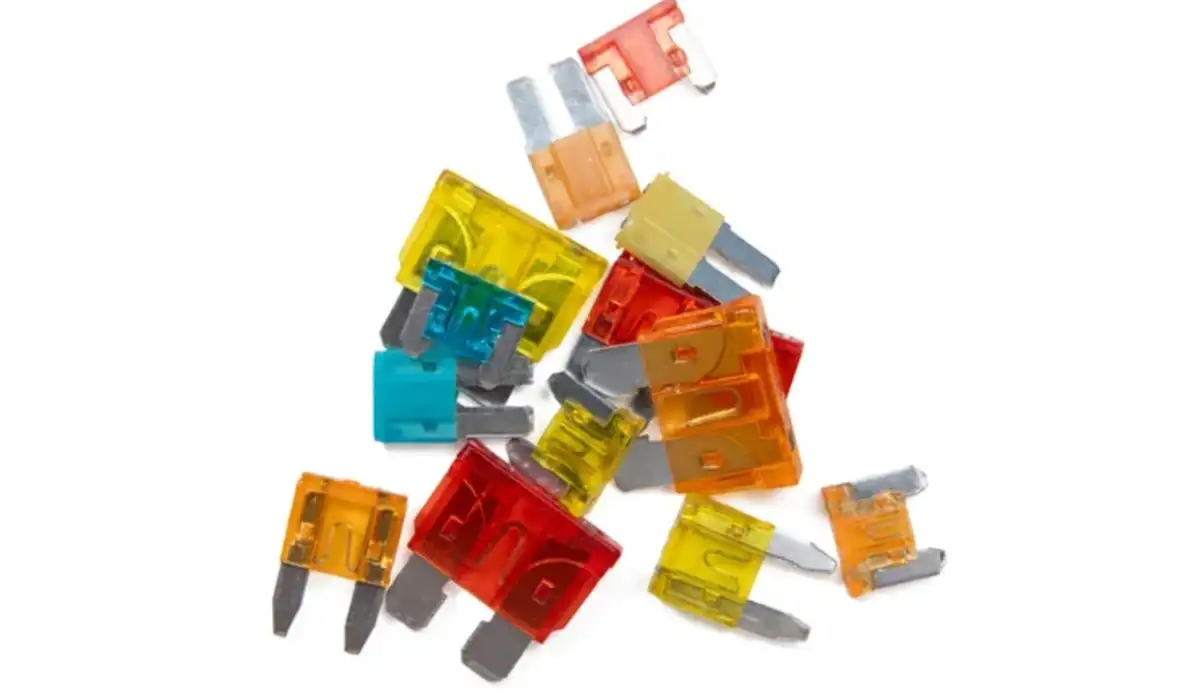
Fuse Colors and Amperages
Always replace a blown fuse with one of the same rating, never a higher one.
Step-by-Step Fuse Inspection
Step 1: Identify the Problem Circuit
Refer to the circuit label that corresponds to the malfunctioning component.
Step 2: Open the Fuse Box
Use the fuse box cover diagram to find the correct fuse.
Step 3: Remove the Fuse
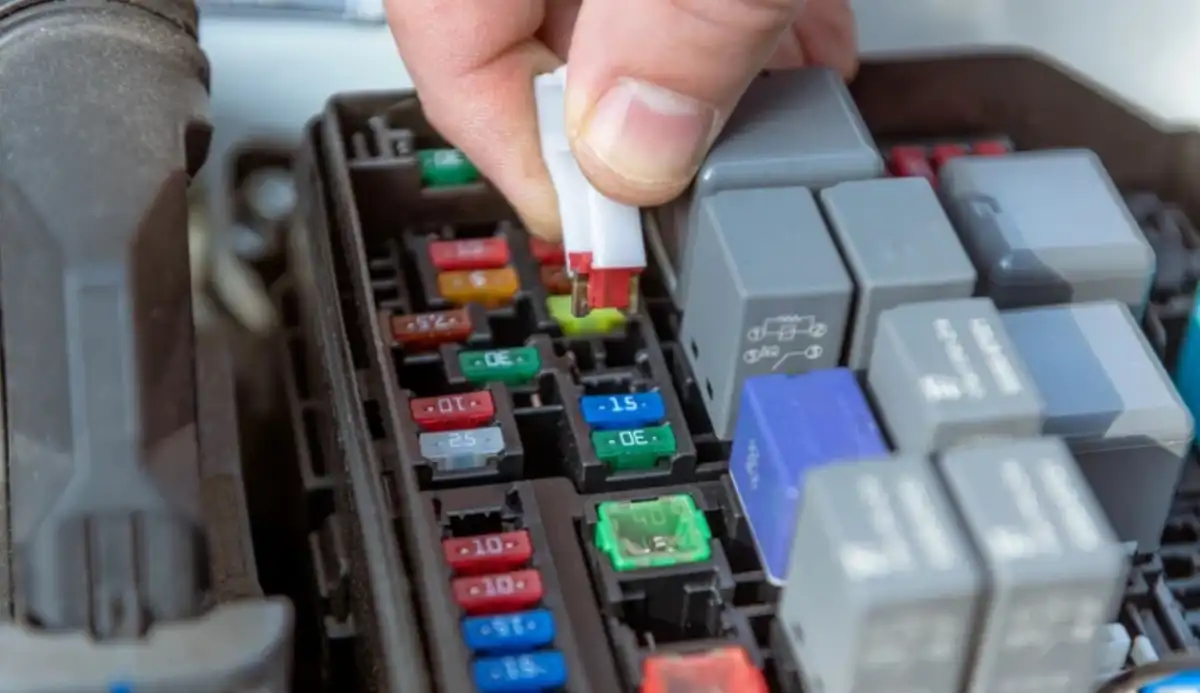
Use the fuse puller or pliers to gently extract it.
Step 4: Inspect the Fuse
Look at the metal filament inside:
Intact: OK
Broken or discolored: Fuse is blown
Step 5: Replace With Same Rating
Match the amperage exactly. A higher rating can allow excessive current, risking damage.
Using a Multimeter for Fuse Testing
For a more accurate test:
Set the multimeter to continuity mode
Touch each probe to the fuse terminals
A beep or low resistance indicates a good fuse
No beep means the fuse is blown
This helps when visual inspection is inconclusive.
Why Fuses Blow — Don’t Just Replace and Forget
Replacing a fuse can be a quick fix, but it doesn’t solve the underlying cause.
Common Causes for Blown Fuses
Short circuits in wiring
Water ingress in electrical connectors
Aftermarket accessories drawing too much current
Faulty components (lamps, motors, modules)
If fuses blow repeatedly, it’s a sign of a deeper electrical issue that deserves professional diagnosis.
Red Flags That Require Expert Attention
Watch out for:
Multiple fuses blowing at once
Burning smell or visible wire damage
Fuses of the same circuit going out repeatedly
Damage near fuse box terminals
These can indicate wiring problems, moisture, or even potential fire hazards.
Replace a Fuse — What to Avoid
NEVER Do This
Replace with a higher-rated fuse
Use foil or paper in place of a fuse
Ignore repeated fuse failure
These actions can lead to electrical fires and serious damage.
Fuse Types You Might Encounter
Blade Fuses: Most common
Mini Fuses: Found in modern cars
Maxi Fuses: High-current circuits
Micro2 / Micro3 Fuses: Newer compact designs
Knowing the type helps you buy the correct spare fuse.
Practical Tips for Everyday Drivers
Keep a small fuse kit in your glovebox
Learn basic fuse box locations early
Check fuses early before assuming expensive repairs
Document fuse failures (circuit + frequency)
Advanced Help: When to Use Diagnostic Tools
If your car has:
A built-in OBD system
Bus communication errors
Battery draw issues
…then fuses may be the symptom, not the root cause. A scan tool and professional inspection can identify:
Faulty modules
Intermittent shorts
Grounding issues
Fuse Troubleshooting Flowchart
Comparing Fuse Replacement vs. Professional Repair
Fuse Replacement (DIY)
Quick and cheap
Effective for simple blown fuse
Good for first-time diagnosis
Professional Electrical Repair
Needed for complex shorts
Recommended if multiple circuits fail
Ensures long-term safety
Fuse Maintenance Is Battery Life Insurance
Fuses are simple in design but vitally important. Understanding how to check and replace them:
Saves time and money
Prevents misdiagnosis
Boosts confidence as a car owner
Keeps electrical systems safe from damage
Don’t dismiss a blown fuse as a minor nuisance — it’s your car’s way of preventing a bigger failure.