
- When a Moment Becomes a Brand Test
- What Happened? Context Without Sensationalism
- Xiaomi’s Response: Calm, Not Denial
- Xiaomi SU7: A Car That Arrived Faster Than Expectations
- EV Fires: The Bigger Picture
- Why This Incident Matters More for Xiaomi
- Battery Thermal Management: The Core Debate
- Will This Impact the SU7’s Future?
When a Moment Becomes a Brand Test
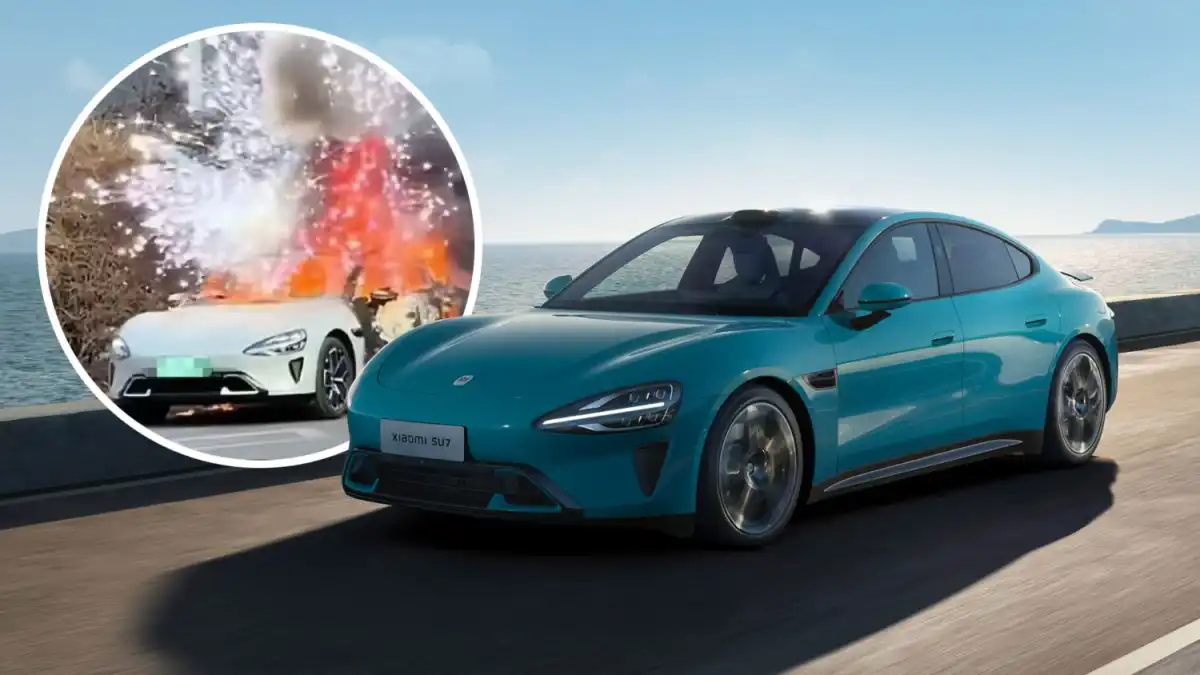
Entering the electric vehicle world is not measured solely by acceleration figures or preorder numbers. True credibility is forged during crisis moments. Following the recent fire incident involving the Xiaomi Xiaomi SU7 in China, the tech giant faced its first major real-world challenge as an automaker.
The incident quickly circulated online, transforming from a single event into a broader discussion about battery safety, thermal management, and crisis handling in the EV industry.
What Happened? Context Without Sensationalism
According to available information, the fire involved a Xiaomi SU7 in China, with visible sparks and flames drawing public attention.
While the visuals were dramatic, the incident must be viewed within the broader EV industry context, where such cases—though rare—receive disproportionate scrutiny.
The critical question is not what was seen, but how the situation is handled.
Xiaomi’s Response: Calm, Not Denial
Rather than remaining silent or dismissive, Xiaomi issued an official response stating:
Awareness of the incident
Initiation of a technical investigation
Cooperation with relevant authorities
No premature conclusions before verified results
This approach reflects a mature understanding of automotive crisis management, particularly for a newcomer in the sector.
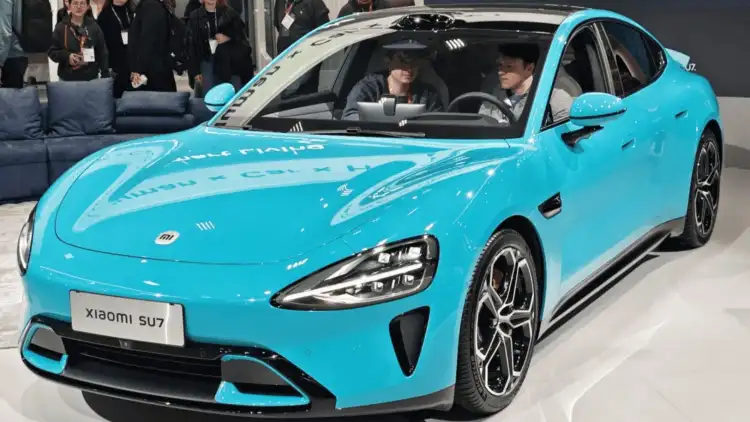
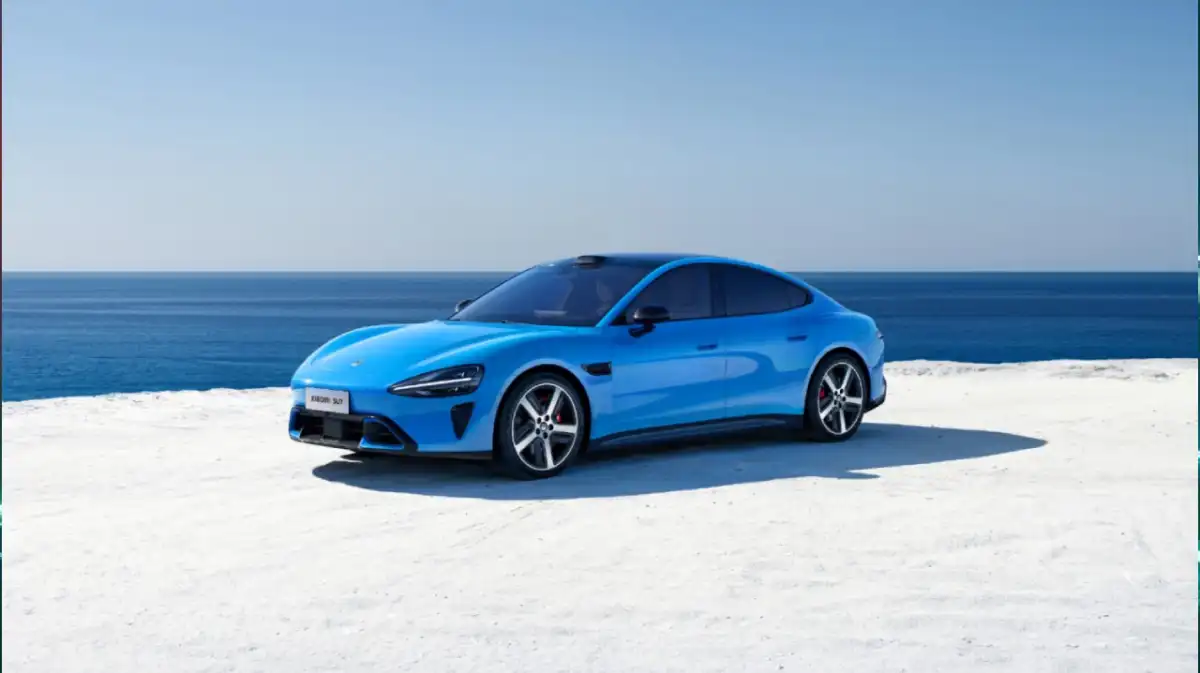
Xiaomi SU7: A Car That Arrived Faster Than Expectations
Beyond the incident, the SU7 represents a bold leap for a company rooted in consumer electronics.
Why did the SU7 gain rapid attention?
Sleek, low-slung design
Performance-focused positioning
Deep integration with Xiaomi’s digital ecosystem
Aggressive pricing relative to specifications
However, rapid success amplifies the impact of any negative event.
EV Fires: The Bigger Picture
Treating any EV fire as a direct indictment of the product is misleading. Industry data shows:
Fires remain statistically rare
Most occur after severe collisions or external damage
Lithium-ion batteries require specific conditions to ignite
That said, transparency and swift action are essential to preserving consumer confidence.
Why This Incident Matters More for Xiaomi
Because Xiaomi is:
A new entrant to automotive manufacturing
Building its reputation on smart technology
Targeting mass-market consumers
Operating in a tightly regulated, competitive Chinese market
Any misstep risks evolving into long-term skepticism.
Battery Thermal Management: The Core Debate
Public concern extends beyond the fire itself to questions about:
Cooling systems
Cell isolation
Safety response mechanisms
Underbody protection
These challenges are shared across the EV industry—not unique to Xiaomi.
Will This Impact the SU7’s Future?
Short term:
Media attention
Public debate
Regulatory pressure
Long term:
Dependent on investigation results
Transparency of communication
Any subsequent technical updates
History shows that brands often emerge stronger after addressing such moments properly.
The Chinese Consumer: More Aware, Less Forgiving
The Chinese market is defined by a highly informed consumer base and an exceptional speed at which information spreads. News travels within minutes across digital platforms, quickly shaping public opinion and media narratives. Safety-related incidents, in particular, attract heightened scrutiny and often trigger decisive regulatory involvement. In such an environment, Xiaomi is required to do more than simply explain what happened. The real challenge lies in reassuring the market that the incident was isolated and in convincingly demonstrating that robust measures are in place to prevent a recurrence, a critical requirement for any brand seeking long-term credibility in China’s intensely competitive automotive landscape.
A Defining Moment, Not the End of the Road
The Xiaomi SU7 fire does not mark the end of an ambitious automotive project, but it does represent an early warning and a defining test. The difference between failure and long-term success does not rest on the occurrence of the incident itself, but on how the company responds to it. Speed of action, technical accuracy in the investigation, clarity of communication, and a genuine willingness to improve the product will ultimately determine the outcome. In the electric vehicle industry, trust is not built during calm periods, but forged under pressure, when brands are measured by their ability to confront challenges rather than avoid them.