

- How to improve fuel efficiency?
- What causes low fuel efficiency?
- Do different types of fuel affect fuel consumption?
Fuel costs are a significant concern for car owners and potential buyers in the GCC, where fuel prices and consumption patterns can vary widely. As vehicle ownership continues to rise in countries like Saudi Arabia, the UAE, and Qatar, understanding fuel efficiency becomes crucial not just for economic reasons but also for environmental considerations. Fuel efficiency directly impacts your wallet; the more efficient your vehicle, the less you spend at the pump. In this article, we'll dive into how to improve fuel efficiency, what causes low fuel efficiency, and whether different types of fuel affect fuel consumption.

How to improve fuel efficiency?
Improving fuel efficiency is a goal for many car owners, especially in the Middle East, where the long drives across vast desert landscapes are common. Here are several strategies to enhance the fuel efficiency of your vehicle:
1. Regular Maintenance
Keeping your vehicle in top shape is one of the most effective ways to improve fuel efficiency. Regular maintenance schedules, which include oil changes, tire rotations, and air filter replacements, can have a significant impact on your fuel consumption.
Oil Changes: Use the manufacturer-recommended oil type. Synthetic oils, while more expensive, can improve fuel efficiency by reducing engine friction.
Air Filters: A clean air filter allows for better air intake, improving the combustion process and enhancing fuel efficiency.
2. Tire Pressure
Under-inflated tires increase rolling resistance, making your engine work harder and reducing fuel efficiency.
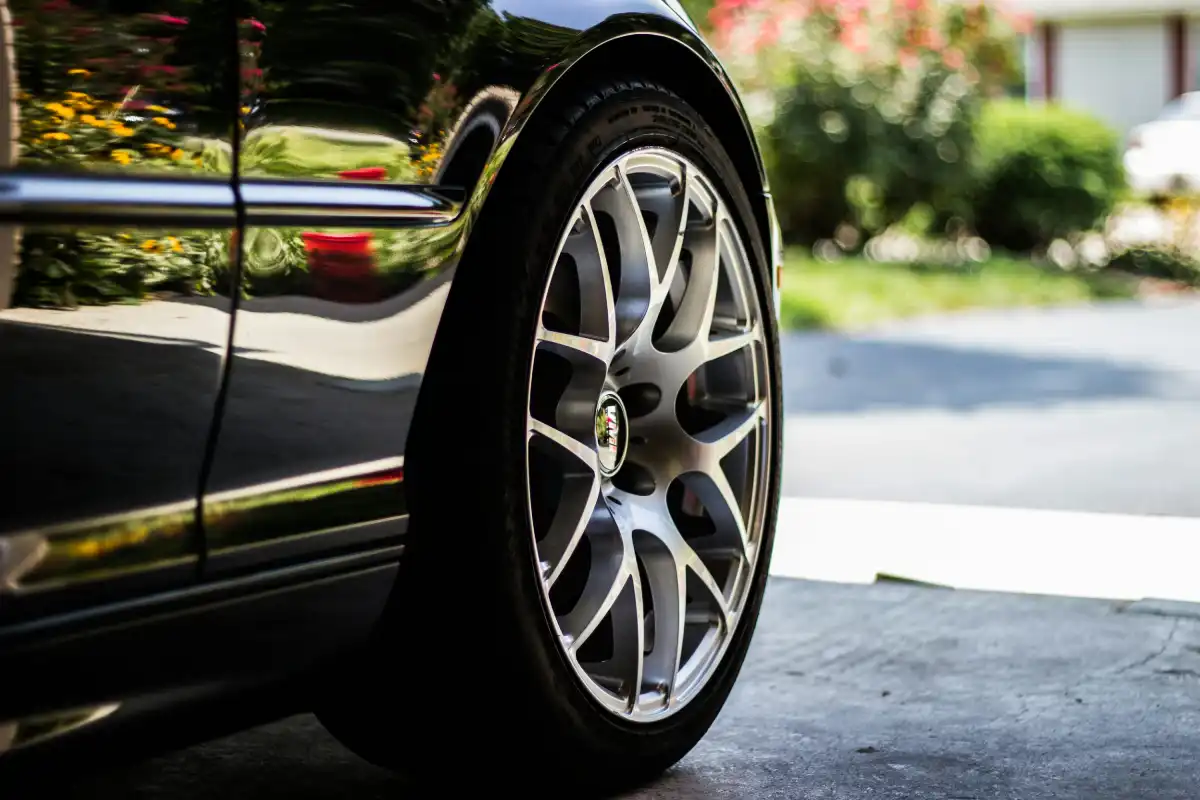
Check Tire Pressure: Ensure your tires are inflated to the manufacturer's recommended levels, usually found on a sticker inside the driver’s door.
Regular Rotation: Rotate your tires every 5,000 to 7,000 kilometers to ensure even wear.
3. Driving Habits
Your driving style significantly influences fuel consumption. Adopting more fuel-efficient driving habits can lead to substantial savings.
Smooth Acceleration and Braking: Rapid acceleration and hard braking can lead to higher fuel consumption. Instead, try to accelerate gradually and anticipate stops.
Observe Speed Limits: Most vehicles are most fuel-efficient at speeds between 50-80 km/h. Driving at higher speeds can lead to increased wind resistance, further decreasing fuel efficiency.
4. Weight Management
Extra weight in your vehicle can negatively impact fuel efficiency.
Remove Unnecessary Items: Regularly check your trunk and back seat for items you don’t need. An extra 50 kg can decrease fuel economy by approximately 1-2%.
Roof Racks: If you’re not using roof racks, remove them. They create drag, which can affect fuel efficiency.
5. Use of Air Conditioning
Air conditioning can considerably impact your fuel efficiency, particularly in the hot climates of the GCC.
Minimize AC Use: Use the vehicle’s ventilation system when possible and reserve air conditioning for when it’s truly necessary.
Windows vs. AC: At lower speeds, open windows might be more efficient than using AC. However, at higher speeds, the drag caused by open windows can reduce efficiency.
6. Consider Fuel Type
If your vehicle allows for it, using a higher octane fuel can improve performance and efficiency. Brands like ToyotaBahrain ToyotaEgypt ToyotaKSA ToyotaKuwait ToyotaOman ToyotaQatar ToyotaUAE Toyota and NissanKSA NissanBahrain NissanOman NissanQatar NissanUAE NissanKuwait NissanEgypt Nissan offer vehicles that can benefit from premium fuel, which might provide better mileage compared to regular gasoline.
7. Invest in Technology
Modern vehicles come equipped with technology designed to improve fuel efficiency.

Eco Mode: Many brands, including LexusUAE LexusKSA LexusBahrain LexusEgypt LexusKuwait LexusOman LexusQatar Lexus and BMW, offer an "Eco Mode" feature that optimizes throttle response and shifts in automatic transmissions to improve fuel consumption.
Hybrid Vehicles: Consider investing in hybrid models from manufacturers like Toyota or Honda, which are designed specifically for fuel efficiency.
By implementing these strategies, you can effectively improve your vehicle's fuel efficiency, leading to significant savings and a smaller environmental footprint.
What causes low fuel efficiency?
Understanding the reasons behind low fuel efficiency is essential for car owners who wish to mitigate fuel costs. There are several factors that can contribute to subpar fuel economy:
1. Engine Problems
Engine issues can severely impact fuel efficiency, often leading to increased fuel consumption.
Poor Combustion: Problems with fuel injectors or spark plugs can cause incomplete combustion, wasting fuel.
Faulty Sensors: Modern vehicles rely on various sensors (like oxygen sensors) to optimize performance. If these sensors malfunction, it can lead to improper air-fuel mixtures.
2. Aerodynamics
The design of your vehicle plays a critical role in fuel efficiency.

Body Shape: Vehicles with less aerodynamic designs, like some SUVs and trucks, can experience higher fuel consumption.
Additional Accessories: Spoilers, roof racks, and other aftermarket accessories can increase wind resistance, decreasing fuel efficiency.
3. Driving Conditions
The environment in which you drive can also impact fuel consumption.
Stop-and-Go Traffic: Frequent stops and starts can lead to increased fuel consumption. Consider carpooling or using public transportation to reduce these conditions.
Hilly Terrain: Driving in hilly areas can require more power from the engine, leading to higher fuel usage.
4. Fuel Quality
In the GCC, fuel quality can vary, impacting your vehicle's performance.
Octane Rating: Lower octane fuels can cause knocking in some engines, prompting the engine control unit to adjust timing, which can decrease efficiency.
Contaminated Fuel: Poor fuel quality can lead to deposits in the engine, further impacting performance.
5. Seasonal Changes
Temperature changes can affect your car's efficiency.

Cold Weather: In colder months, engines take longer to reach optimal operating temperatures, which can lead to higher fuel consumption.
Hot Weather: While the GCC is primarily hot, excessive use of AC in summer months can also lead to increased consumption.
By identifying these factors, car owners can take proactive measures to address low fuel efficiency, ultimately saving money and reducing their environmental impact.
Do different types of fuel affect fuel consumption?
Fuel type is an often-overlooked factor when considering a vehicle's fuel efficiency. In the Middle East, where fuel options can vary, understanding how different fuels affect fuel consumption is vital for car owners.
Fuel Cost Calculator
1. Gasoline Variants
Most vehicles in the GCC run on gasoline, but there are different octane ratings available—typically 91 and 95 in Saudi Arabia and the UAE.
Regular vs. Premium: Vehicles designed for high-performance may benefit from premium gasoline, which can help maintain efficiency. For example, a Nissan GT-R thrives on high-octane fuel, enhancing performance and fuel efficiency.
Engine Compatibility: Always check your vehicle owner's manual to determine the appropriate fuel type. Using a higher octane than necessary does not necessarily improve fuel efficiency for engines designed for regular fuel.
2. Diesel Fuel
Diesel engines are common in larger vehicles and commercial fleets across the GCC, offering better fuel efficiency than gasoline engines in many cases.
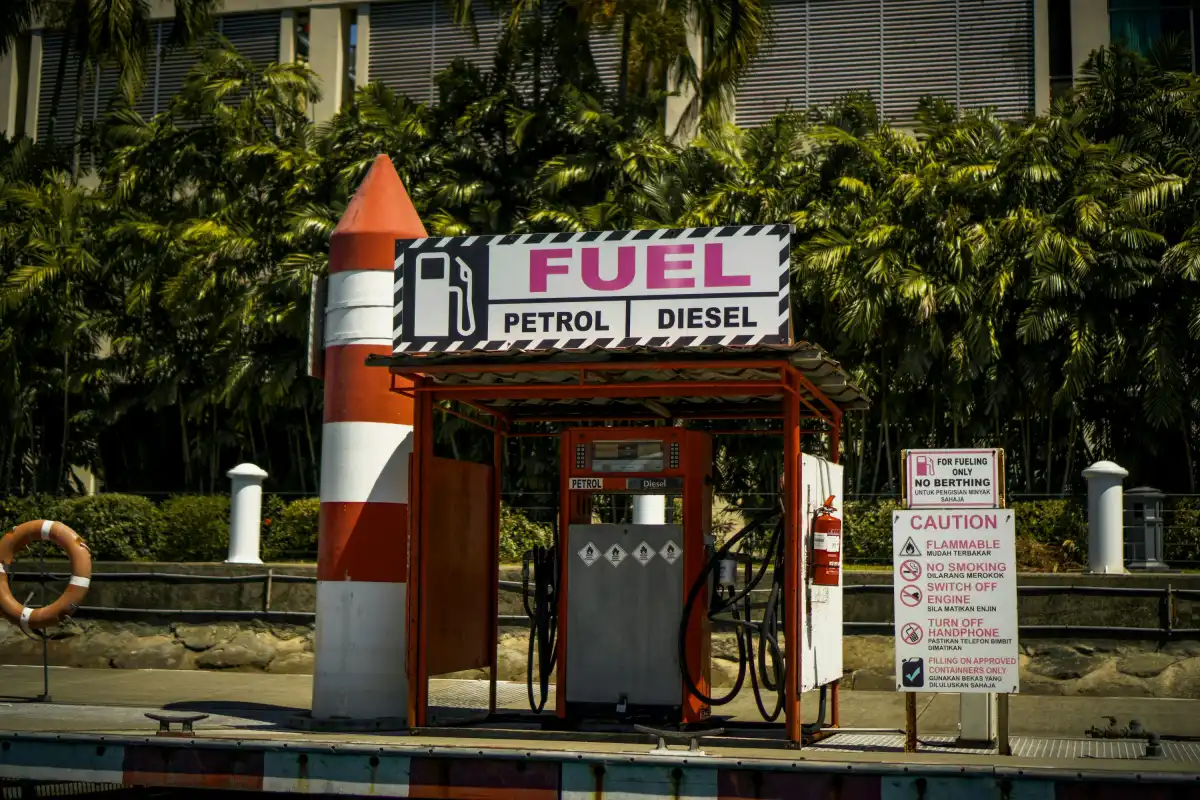
Fuel Economy: Diesel engines typically deliver better fuel economy compared to their gasoline counterparts, making them ideal for long-distance travel or heavy loads.
Maintenance: Diesel engines require different maintenance practices; neglecting them can lead to increased consumption and potential engine damage.
3. Alternative Fuels
The GCC has seen a rise in alternative fuel options, including compressed natural gas (CNG) and electric vehicles (EVs).
CNG: Vehicles running on CNG can be more fuel-efficient than gasoline counterparts, offering lower operational costs. Brands like Toyota have started incorporating CNG options in their fleets.
Electric Vehicles: EVs offer significantly lower fuel costs compared to traditional gasoline vehicles. With models like the Nissan LeafUAE Nissan LeafKSA Nissan Leaf or Tesla Model 3UAE Tesla Model 3KSA Tesla Model 3Kuwait Tesla Model 3Qatar Tesla Model 3Oman Tesla Model 3Bahrain Tesla Model 3Egypt Tesla Model 3, drivers can save substantially on their fuel expenses.
4. Fuel Additives
Fuel additives can impact efficiency by cleaning injectors and improving combustion.
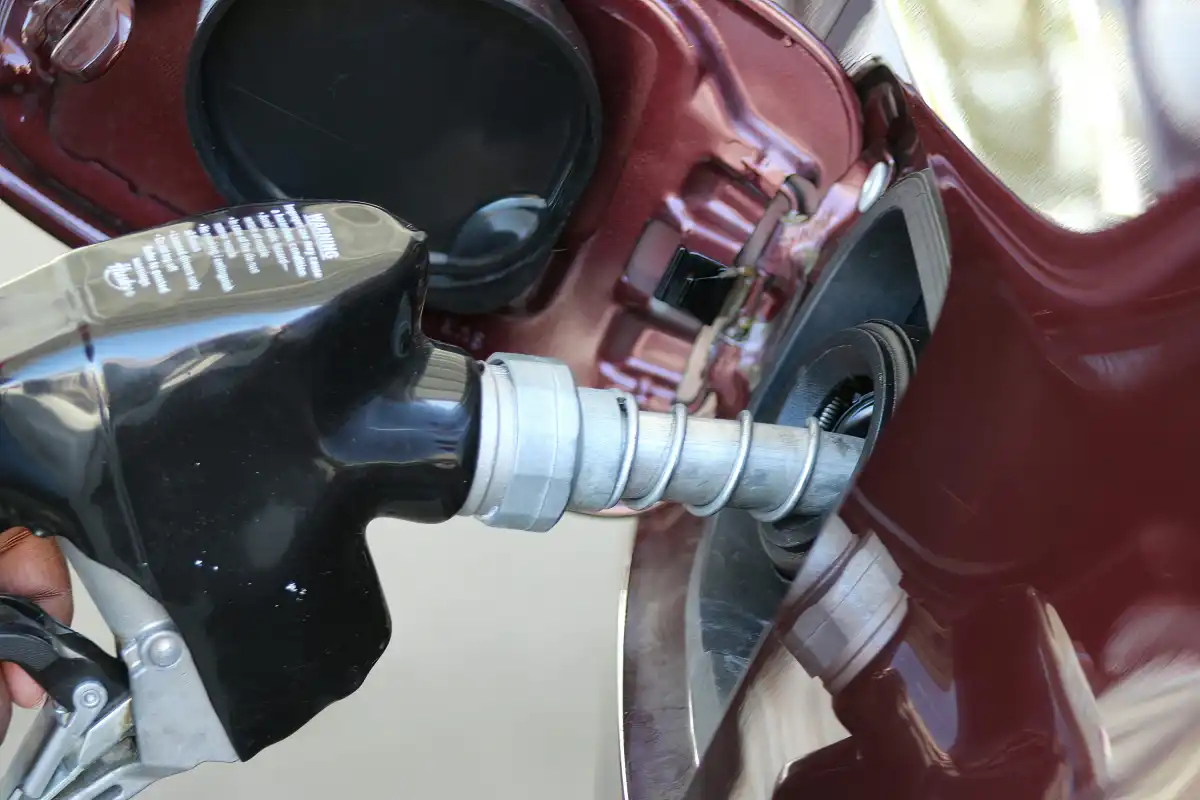
Injector Cleaners: Some brands offer detergents that help keep fuel injectors clean, which can lead to better fuel efficiency.
Octane Boosters: These can improve performance in vehicles designed for higher octane fuels, but should only be used as recommended.
5. Regional Fuel Standards
The GCC has specific fuel standards that can affect availability and efficiency.
Quality Control: Fuel quality regulations ensure that consumers receive fuel that meets specific performance standards, which can impact overall fuel efficiency.
Market Variations: Fuel prices and types can vary by country, affecting consumer choices and operational costs.
Understanding how different types of fuel affect your vehicle’s fuel consumption can help you make informed decisions about your next vehicle purchase or current fuel choice.