
- What Does White Smoke Indicate?
- What Should You Do First?
- Common Causes of White Smoke and solution
- How to Diagnose the Problem?
- Preventative Maintenance Tips
- When to Visit a Garage Immediately
- FAQ
White smoke when starting car — what does it mean? This sight can be troubling, and while it might not always indicate a serious issue, it does warrant attention to determine the root cause. Understanding why this happens and how to address it can save you from potential headaches down the road. In this article, we'll explore the most common causes and their respective fixes, keeping your vehicle in optimal condition.
What Does White Smoke Indicate?
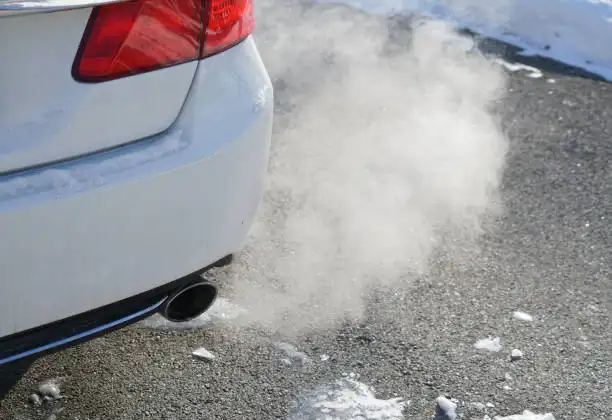
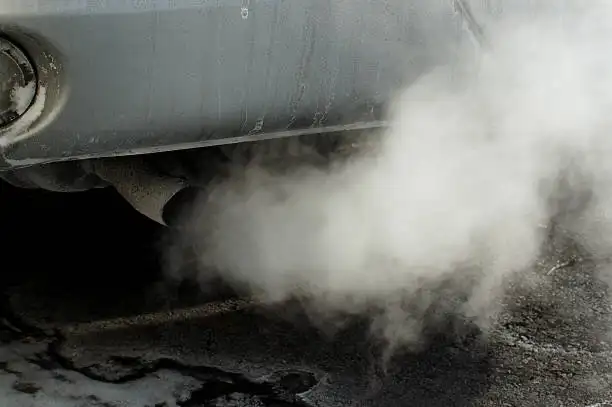
White smoke from a car's exhaust is often a result of condensation turning into steam when the engine starts, especially on cold mornings. However, persistent or thick white smoke may signal an underlying mechanical issue, such as coolant leakage, fuel system problems, or engine damage. Identifying the exact cause is crucial to prevent further complications.
What Should You Do First?
When you spot white smoke when starting car, act fast to diagnose the issue. Taking immediate steps can prevent further damage to your engine. Here’s what you should do:
1. Check fluid levels
Open the hood and inspect the engine coolant. Look carefully at the dipstick for any milky traces on the oil, indicating possible coolant contamination.
A quick 3-minute inspection can reveal if a coolant leak is the root cause.
2. Observe smoke patterns
Notice how long the white smoke persists. If it lasts only 10-20 seconds, it might simply be normal condensation from a cold start.
However, if the white smoke continues for over a minute, this could signal a coolant leak or engine damage. Refer to the table below for guidance:
Smoke Duration | Possible Issue |
|---|---|
10-20 seconds | Normal condensation |
1+ minute | Coolant leak or engine damage |
3. Monitor engine temperature
Modern 2020-2025 vehicles typically reach around 90°C within 5-8 minutes of idling. Keep an eye on this as an unusually low or erratic temperature can hint at internal engine issues such as piston damage.
Common Causes of White Smoke and solution
Understanding the origin of the white smoke when starting car is essential. Here are the most common causes based on recent data:
1. Condensation in the Exhaust System
Cause: On cold days, moisture naturally builds up in the exhaust system. When the engine starts, this moisture vaporizes, producing thin white smoke or steam.
Fix: This is normal. If the white smoke dissipates quickly after the engine warms up, there's no need to worry.
2. Coolant Leaking into the Combustion Chamber
Cause: A coolant leak often results from a blown head gasket, cracked cylinder head, or damaged engine block. When coolant enters the combustion chamber, it burns and produces thick white smoke.
Symptoms: Sweet-smelling exhaust, loss of coolant without visible leaks, and engine overheating.
Fix: Inspect and replace the head gasket or repair the cracked components. This is a complex task that may require professional help.
3. Faulty Fuel Injection System
Cause: An improper air-fuel mixture due to a malfunctioning fuel injector can cause incomplete combustion, leading to white smoke.
Symptoms: Rough idling, loss of power, and increased fuel consumption.
Fix: Clean or replace the faulty fuel injectors to restore proper combustion.
4. Worn Piston Rings or Valve Seals
Cause: Worn piston rings or valve seals allow oil to seep into the combustion chamber, where it burns and creates white smoke.
Symptoms: Blueish-white smoke, excessive oil consumption, and reduced engine performance.
Fix: Replacing the piston rings or valve seals is necessary. This is a labor-intensive repair that should be performed by a professional mechanic.
5. Low-Quality or Contaminated Fuel
Cause: Using fuel with impurities or water content can result in white smoke during combustion.
Fix: Drain the contaminated fuel, clean the fuel tankBahrain TankEgypt TankKSA TankKuwait TankOman TankQatar TankUAE Tank, and refill it with high-quality gasoline or diesel. Regularly inspect and replace fuel filters to prevent future issues.
6. Cracked or Leaking Intake Manifold
Cause: A damaged intake manifold can allow coolant to leak into the engine, resulting in white smoke.
Symptoms: Coolant loss, engine misfires, and decreased performance.
Fix: Repair or replace the damaged intake manifold. Ensure the cooling system is flushed and refilled.
How to Diagnose the Problem?
Identifying the cause of white smoke requires careful observation and, often, professional diagnostic tools. Here are some steps you can take:
Inspect Coolant Levels: Check if your coolant reservoir is losing fluid without visible leaks.
Smell the Smoke: Sweet-smelling exhaust often points to coolant burning, while a fuel odor may indicate injection system issues.
Observe Smoke Duration: If the smoke disappears after warming up, it may be condensation. Persistent smoke signals a deeper issue.
Check for Engine Codes: Use an OBD-II scanner to detect any error codes from the engine's control module, which can guide you toward the problem.
Preventative Maintenance Tips
Prevention is key when it comes to avoiding the complications of white smoke when starting car. Staying on top of routine care can save you time and money:
Weekly Maintenance:
Check the coolant reservoir level to ensure it’s between the MIN and MAX marks.
Warm up your engine for about 90 seconds before heavy driving to allow optimal fluid circulation.
Replace cabin air filters at every 12,000 km to maintain proper engine airflow.
Oil Change Guidelines:
Vehicle Age | Recommended Oil Type |
|---|---|
0-3 years | 0W-20 Synthetic |
4+ years | 5W-30 High Mileage |
Regular inspections and timely oil changes using the right product for your vehicle can reduce the risk of engine complications that cause white smoke.
When to Visit a Garage Immediately
You should not hesitate to consult a professional if you notice any of the following:
White smoke persisting for more than 2 minutes during startup
An unusual sweet or maple syrup-like odor from the exhaust
Noticeable coolant loss exceeding 200 ml per week
Many UAE service centers now use modern diagnostic tools that can pinpoint white smoke causes within 18-25 minutes. Acting quickly can reduce repair costs significantly and preserve your vehicle’s reliability.
FAQ
Q1: What does it mean if I see white smoke when starting car only on cold mornings?
It’s common for some condensation to build up overnight, leading to thin white smoke on the first start. This short-lived smoke usually dissipates once the engine warms. However, if the plume of smoke lingers or appears thicker than normal, it might indicate an issue with your engine coolant or head gasket. Monitoring the pattern over a few mornings can help determine if further inspection is needed.
Q2: Can white smoke when starting car be dangerous if I ignore it?
Ignoring recurring white smoke can result in more severe engine issues over time. In many cases, persistent white smoke may point to a coolant leak or piston ring wear, both of which can lead to critical engine damage. Addressing these symptoms promptly with proper diagnostics and repairs can help avoid higher repair costs. Regular maintenance is essential in ensuring your car remains safe and efficient.
Q3: How do I differentiate between normal condensation and a serious coolant leak in my car?
Normal condensation usually appears as a light, short burst of white smoke that quickly dissipates. In contrast, a coolant leak tends to produce thicker, more persistent white smoke accompanied by unusual engine temperature readings or altered oil clarity. Always check your coolant and oil levels, and consult a mechanic if the smoke persists. A simple in-person inspection using GCC-certified diagnostic tools can provide the reassurance you need.
Q4: Are there any immediate fixes I can try before visiting a garage for white smoke issues?
There are a few quick checks you can perform at home, such as verifying coolant levels, checking for visible leaks around the engine block, and monitoring the oil on the dipstick. However, if these initial steps do not resolve the issue, or the white smoke continues, it’s best to consult a professional. Prompt action can prevent the problem from escalating into a more expensive repair down the line.
This article is for reference only. Please refer to the latest local laws and regulations.
Read more:
How Can Cable Car System Solve Your Desert Commuting Woes?