

- First: The philosophy behind Wrangler special editions
- 1) Segmenting by user type
- 2) Leveraging “limited production” as a hook
- Second: Off-road hardware in the serious trail editions
- Mechanical elements
- Protection and “ready-to-go” overland gear
- Third: Colors and visual identity in special editions
- 1) Non‑traditional color palettes
- 2) Unique badges and graphics
- Fourth: Cabin character – from hard use to premium touches
- 1) Materials that survive real adventures
- 2) Comfort and connectivity still matter
- Fifth: Heritage editions honoring Wrangler’s roots
- Expected heritage design cues
- Sixth: What do 12 special editions mean for Gulf and Arab markets?
- 1) Appealing directly to dune and desert culture
- 2) Dealer opportunities for storytelling
- Seventh: How should customers choose between all these editions?
- Eighth: Collectibility and long-term value
- Conclusion: From “desert icon” to a collector’s platform
The Jeep Wrangler is not just an SUV; it is a symbol of a whole identity in the off-road world: removable doors and roof, a chassis built for rocks and dunes, and an almost fanatical owner base. In recent years, Jeep has realized that this base is very receptive to the idea of special editions: versions with standout colors, factory-installed adventure gear, and limited production numbers that boost both desirability and resale value.
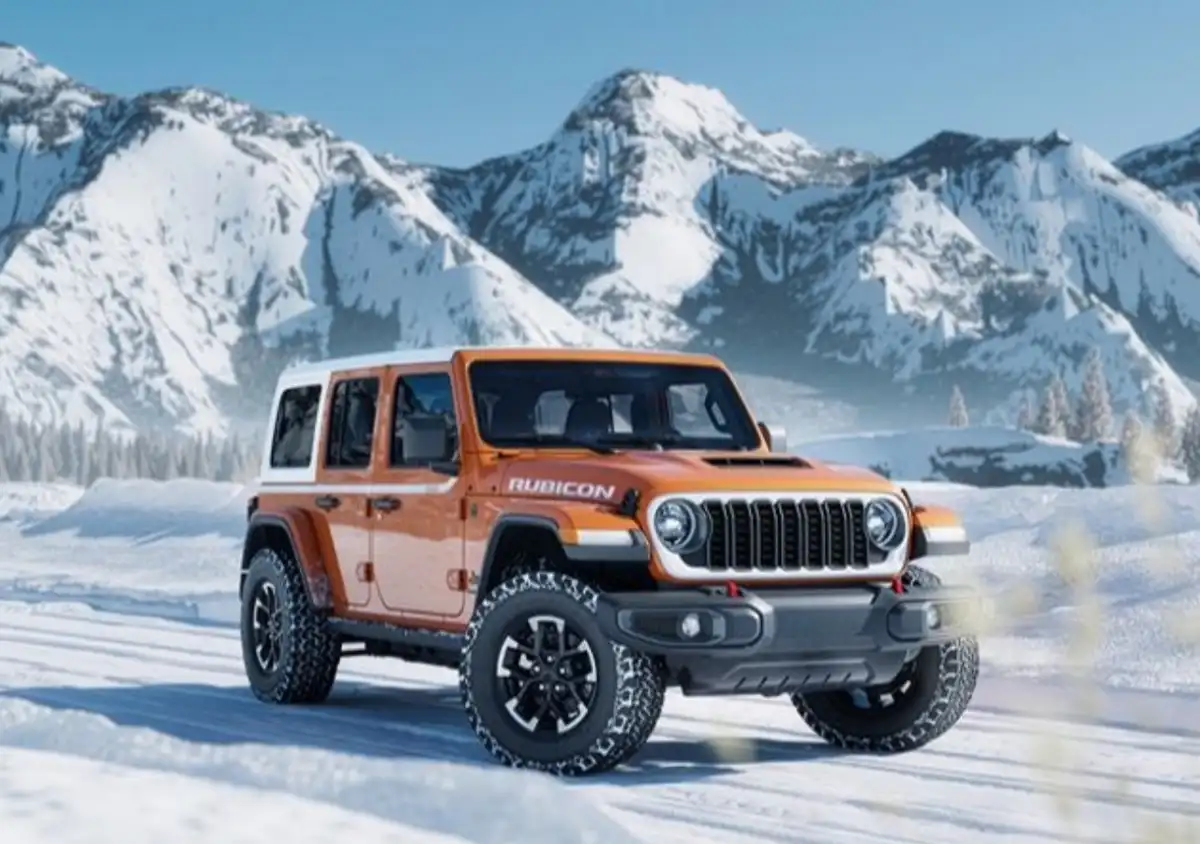
The plan to launch 12 special editions through 2026 is more than a simple marketing trick. It is a deliberate strategy to link the Wrangler tightly to three worlds: adventure, heritage, and lifestyle/personalization.
First: The philosophy behind Wrangler special editions
1) Segmenting by user type
Jeep’s strategy can be understood by grouping the planned special editions into categories that serve different buyer profiles:
Editions aimed at rock‑crawling enthusiasts.
Editions designed for desert and dune fans.
Editions with a heritage/historic theme, inspired by older Wranglers or military Jeeps.
Lifestyle‑driven editions focused more on colors and aesthetics than pure performance.
This approach allows each customer to feel that there is a Wrangler edition tailored closely to their personality and use case.
2) Leveraging “limited production” as a hook
Limiting each special edition to a defined run (hundreds or a few thousand units) creates:
A sense of rarity that attracts collectors.
An incentive to buy early before stock disappears.
Potential for stronger resale value later, especially for heritage‑themed editions.
Second: Off-road hardware in the serious trail editions
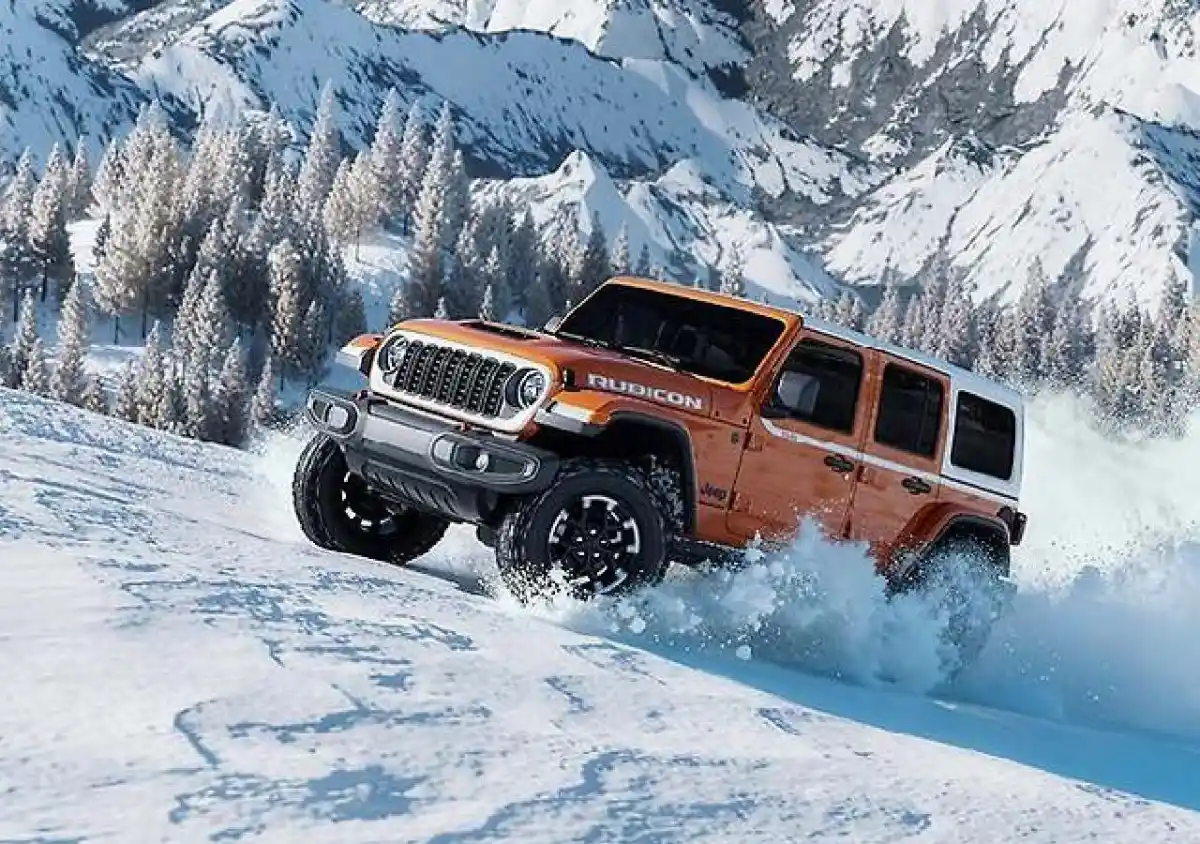
Even if names and colors differ, most truly off‑road‑focused special editions share a familiar set of upgrades:
Mechanical elements
Factory or officially lifted suspension, raising ground clearance and improving approach and departure angles.
All‑Terrain or Mud‑Terrain tires with larger diameter, usually mounted on unique wheels in black or accent colors.
Rear (and sometimes front) locking differentials on the more extreme rock‑oriented versions.
Stronger links and joints in the suspension, plus reinforced underbody components and steering elements.
Protection and “ready-to-go” overland gear
Skid plates to protect the drivetrain, transmission, and differentials.
Front and rear tow hooks, and often a winch‑ready bumper or even a factory‑installed winch on specific trims.
Wider fender flares to house the bigger tires and give the vehicle a more aggressive stance.
With these upgrades, many special Wranglers come trail‑ready straight from the dealer, minimizing the need for aftermarket modifications.
Third: Colors and visual identity in special editions
1) Non‑traditional color palettes
Jeep has a tradition of offering bold Wrangler colors—bright greens, yellows, and strong blues. With 12 special editions planned, it’s reasonable to expect:
New metallic and matte finishes with catchy marketing names (Antique Bronze, Sandstone, Desert Tan, etc.).
Two‑tone combinations (black roof with a vivid body color).
Schemes inspired by military Jeeps or early CJ/Willys tones.
2) Unique badges and graphics
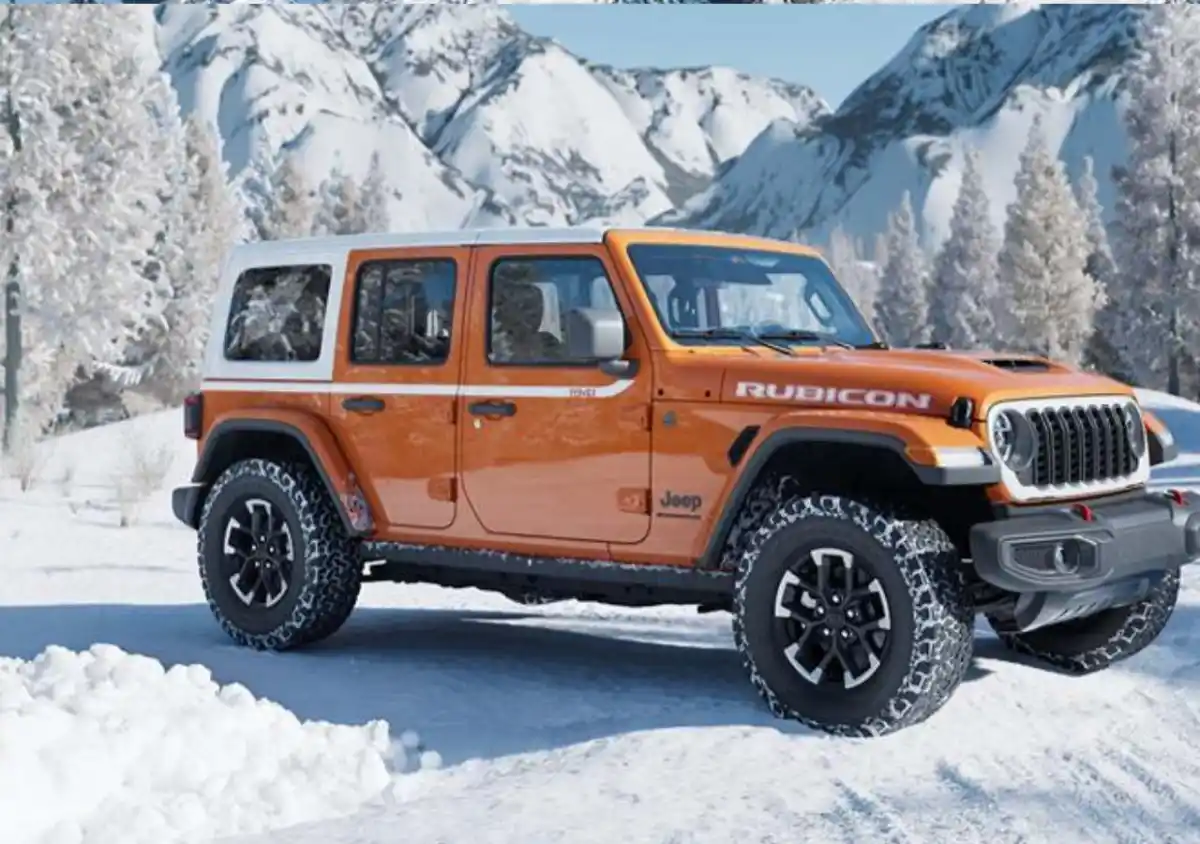
Special fender and door badges carrying the edition name (Trail, Heritage, Rubicon X, etc.).
Simple hood or body decals that reference the edition theme (mountains, dunes, topographic lines).
Interior plaques with serial numbers (for example, “1 of 500”), boosting the sense of owning something exclusive.
Fourth: Cabin character – from hard use to premium touches
1) Materials that survive real adventures
On the hardcore off‑road editions, Jeep tends to emphasize:
Durable leather or heavy‑duty cloth upholstery with contrast stitching.
Rubberized or washable floor surfaces, often with drain plugs so the cabin can be hosed out after muddy or sandy trips.
Large, glove‑friendly switches and a control layout suitable for use in rough conditions.
2) Comfort and connectivity still matter
Despite the rugged nature, special editions don’t ignore modern comfort:
A central Uconnect touchscreen with Apple CarPlay and Android Auto support.
Upgraded audio systems (such as Alpine) in some lifestyle‑focused trims.
Multiple USB ports and, in some cases, 115V power outlets to run camping or overlanding gear.
This balance gives buyers a vehicle capable of climbing a rocky trail in the morning and parking in front of an upscale café in the evening without feeling out of place.
Fifth: Heritage editions honoring Wrangler’s roots
Given Jeep’s origins in World War II and the CJ era, it’s natural that some of the 12 editions through 2026 will be “heritage‑inspired”:
Expected heritage design cues
Classic colors like military green, desert beige, and simple white with subtle side stripes.
Wheel designs that echo steel rims of older models, even if they’re actually modern alloys.
Vintage Jeep branding or “Willys” badges in specific spots on the body.
These editions primarily target:
Collectors who value history and authenticity.
Owners with emotional ties to Jeep from childhood memories or family vehicles.
Sixth: What do 12 special editions mean for Gulf and Arab markets?
1) Appealing directly to dune and desert culture
Markets like Saudi Arabia, the UAE, and Oman have deeply rooted 4x4 and desert traditions. That means:
Wrangler special editions with lifted suspensions and large tires are very attractive to young off‑road enthusiasts.
Heritage‑like editions offer something visually unique for desert drivers who want an SUV that stands out in gatherings and on the dunes.
2) Dealer opportunities for storytelling
Regional Jeep dealers can build full campaigns around each special edition—trails, group drives, dune events, and social media storytelling.
Time‑limited offers on these editions encourage fast decisions before the limited run is sold out.
Seventh: How should customers choose between all these editions?
With 12 special editions on the horizon, some buyers might feel overwhelmed. A simple decision framework could look like this:
If you focus on rocks and technical trails:
Look for editions with:Front and rear lockers.
Rock‑oriented suspension tuning and maximum articulation.
If you prioritize sand and desert driving:
Choose editions with:Tires specifically suited for dunes.
Stronger torque at low rpm and, ideally, higher‑output engines.
If you care more about appearance and uniqueness in the city than extreme off‑road:
Heritage or lifestyle editions with special paints and upgraded interiors will likely fit you best.
Eighth: Collectibility and long-term value
Because these are limited runs:
Some editions may appreciate on the used market in the medium term, especially if kept in excellent condition with low mileage.
Keeping all documentation, original badges, and unique trim pieces intact enhances future desirability.
A few of these editions may eventually achieve “modern classic” status, as has happened with special‑run sports cars in the past.
Conclusion: From “desert icon” to a collector’s platform
With its plan to launch 12 special Wrangler editions by 2026, Jeep is clearly moving the model from being just a tool for adventure to becoming a deeply personal object that reflects the owner’s lifestyle and identity.
Whether you’re a rock‑crawler, a dune addict, a heritage enthusiast, or simply someone who wants an SUV that turns heads in town, Jeep’s strategy boils down to a simple message: there is a special Wrangler out there that was basically built just for you.