

- Roles and responsibilities
- Second: Restoring classic cars – between craft and technology
- The journey from “forgotten storage car” to moving masterpiece
- Balancing authenticity and reliability
- Third: Classic Mercedes racing – the past returns to the track
- Presence at historic race events
- Drivers and legends
- Fourth: Heritage as a modern marketing tool
- Why does Mercedes invest in its past?
- Fifth: Digital expansion – from museum hall to phone screen
- 1) Digital archives and virtual experiences
- 2) Interactive content on social media
- Sixth: Supporting classic Mercedes owners worldwide
- Seventh: What Mercedes-Benz Classic means to car enthusiasts in the Arab world
- Eighth: How an Arabic automotive magazine can use this topic
- A heritage that lives and renews itself
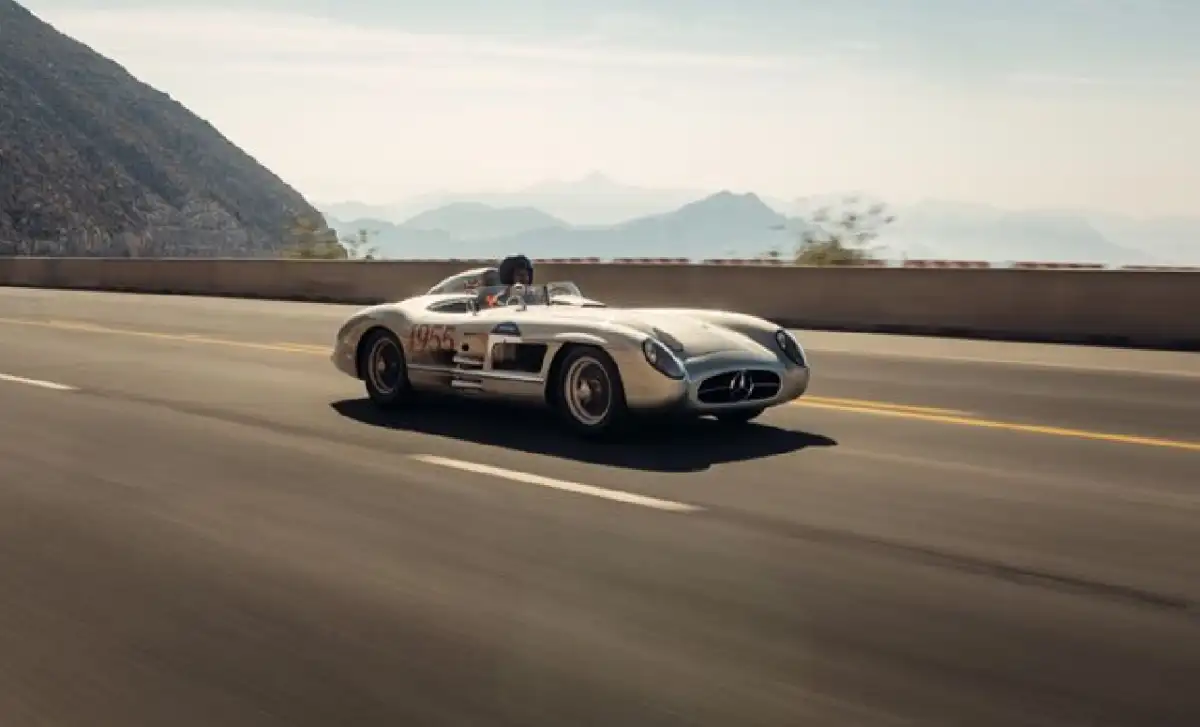
When we talk about Mercedes-Benz, most people immediately think of innovation and cutting-edge technology in luxury cars. But there is another side to the brand that is just as important: the Mercedes-Benz Classic division, responsible for preserving and managing its heritage. This division does not treat old cars as silent museum pieces, but as a living history that can return to the racetrack, to the road, and even to phone screens through digital platforms.
Roles and responsibilities
The role of Mercedes-Benz Classic can be summarized as follows:
Preserving the brand’s historical heritage:
By storing and maintaining thousands of documents, photos, blueprints, recordings, and original vehicles from different eras.Restoring and reviving classic cars:
From old race cars to luxury sedans from the 1950s and 1960s, using original or remanufactured parts that meet factory specifications.Overseeing Mercedes-Benz museums and traveling heritage exhibitions:
Where the public can see rare cars linked to names like Karl Benz, or iconic racing machines.Supporting owners of classic Mercedes models:
By supplying genuine spare parts for older cars, offering documentation and valuation services, and even full factory restoration programs.
Second: Restoring classic cars – between craft and technology
The journey from “forgotten storage car” to moving masterpiece
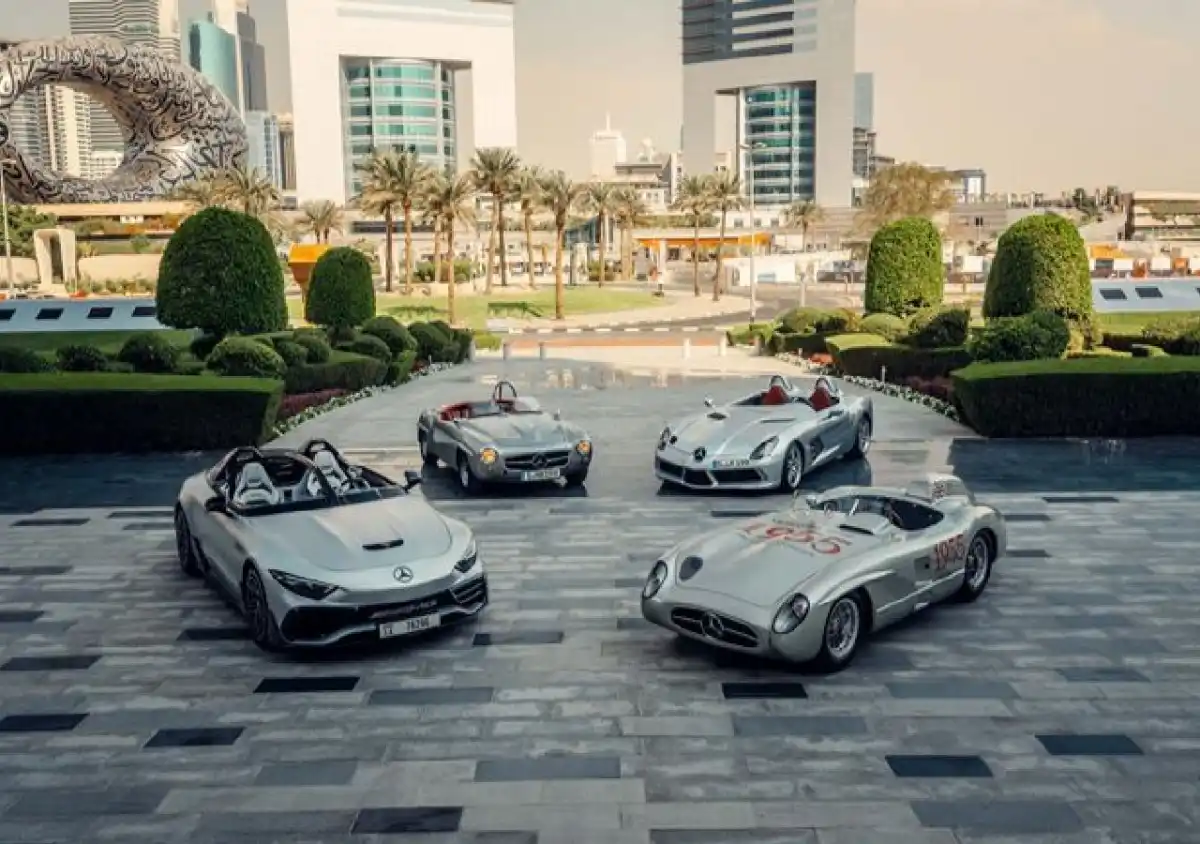
In the world of Mercedes-Benz Classic, restoration is far more than repainting and changing seats; it’s a meticulous process that includes:
Complete disassembly of the car:
To inspect the chassis, body, powertrain, suspension, and every major system.Using genuine or approved parts:
Sourced from preserved historic stock or from limited production runs made specifically to support heritage cars.Preserving the car’s original character:
Ensuring paint colors, leather type, and even small trim details match how the car left the factory.
Balancing authenticity and reliability
In some cases, small, invisible upgrades are introduced to improve reliability and safety (for example, better brake materials or wiring insulation) without changing the car’s identity.
The goal is for the car to be fully driveable and usable, not just a static sculpture in a display hall.
Third: Classic Mercedes racing – the past returns to the track
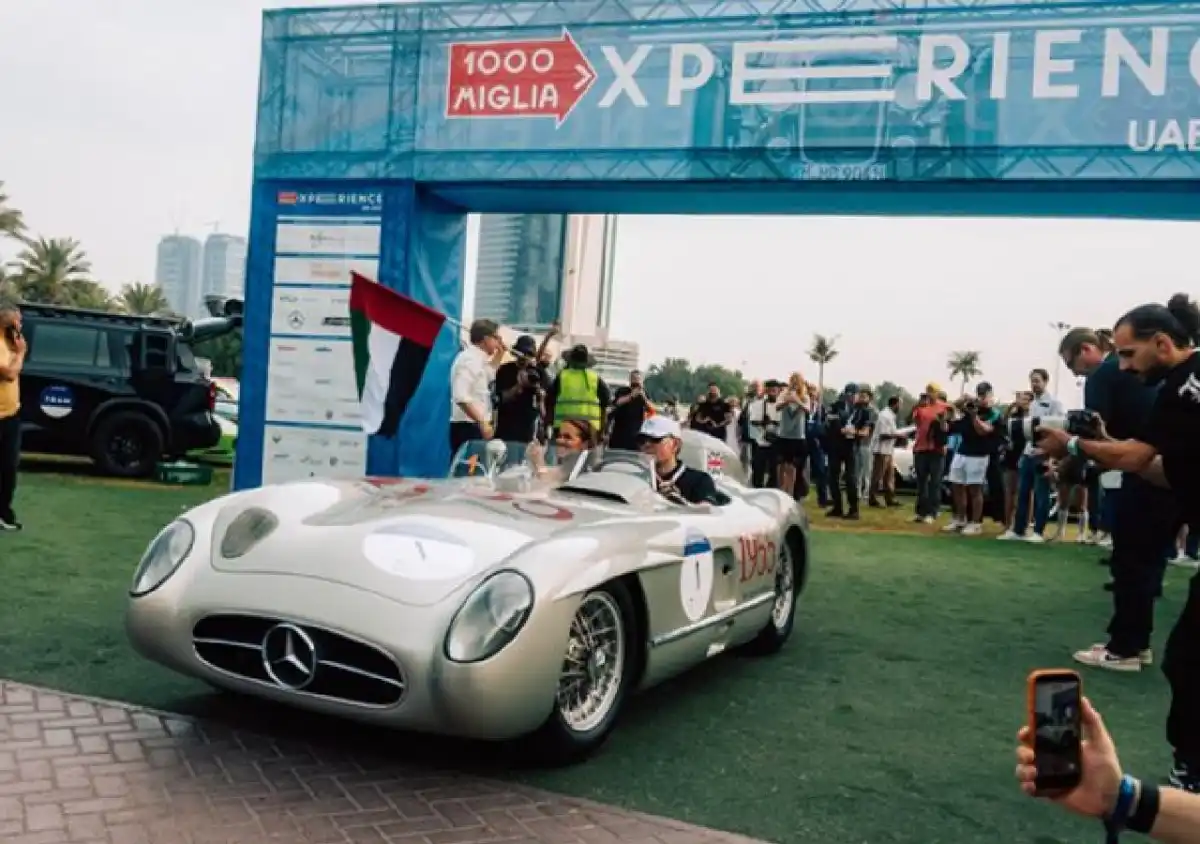
At Mercedes-Benz, classic cars are not confined to museums; they regularly return to the track at historic racing events around the world.
Presence at historic race events
Classic Mercedes cars appear at events such as:
Historic racing series in Europe.
Speed festivals and hillclimb events (like Goodwood and others).
These appearances demonstrate:
The enduring capability of old racing machines decades after they were built.
The precision and seriousness of the restoration work carried out by Mercedes-Benz Classic teams.
Drivers and legends
Often, these cars are driven by former racing drivers or official brand ambassadors, reinforcing the link between Mercedes’ motorsport history and its modern image.
The cars that appear in such events may be:
“Silver Arrows” from the pre‑war era.
Rally or touring cars from the 1970s and 1980s.
Fourth: Heritage as a modern marketing tool
Why does Mercedes invest in its past?
Beyond emotion, there are clear business reasons:
Strengthening brand value:
When customers see that Mercedes has a deep history of quality and innovation, they are more confident in today’s products.Targeting classic car enthusiasts:
This group is willing to pay significant sums for rare cars, genuine parts, or full factory restorations.Linking modern technology to real heritage:
For example, presenting new EVs while reminding audiences of a long lineage of innovation dating back to the first automobile.
Fifth: Digital expansion – from museum hall to phone screen
In the past, accessing Mercedes-Benz heritage meant visiting a museum in Stuttgart or attending a special event. Today, things are different:
1) Digital archives and virtual experiences
Building digital libraries that contain high‑resolution photos, archival video clips, and documents accessible to journalists, researchers, and enthusiasts.
Developing VR (virtual reality) and AR (augmented reality) experiences that let users “walk through” a Mercedes museum or “sit” inside a classic car virtually.
2) Interactive content on social media
Producing short videos that tell the stories of iconic cars, such as:
The story of a race car that won a historic event.
Or a sedan that symbolized a specific economic or cultural period.
Using platforms like Instagram, YouTube, and TikTok to show:
Behind‑the‑scenes restoration work.
Interviews with Mercedes-Benz Classic engineers and experts.
This approach makes heritage alive and accessible for a generation that may never have ridden in a car without a touchscreen, but can connect deeply with a good story on their phone.
Sixth: Supporting classic Mercedes owners worldwide
Mercedes-Benz Classic does not serve only the company’s own museum cars:
It provides documentation services to verify a car’s originality and history, crucial for sales, auctions, and serious collecting.
It offers remanufactured spare parts built to original factory specs, especially for popular classics such as the SLs, classic S-Classes, and beloved sedans.
In some programs, an owner can send their car to the factory for a full restoration with an official Mercedes certificate, significantly increasing the car’s market value.
Seventh: What Mercedes-Benz Classic means to car enthusiasts in the Arab world
For enthusiasts in the Gulf and Arab region:
Many own or dream of owning:
W126 or W140 S-Class models.
SL/R107 or W123 sedans, which have become cultural icons.
Having an official heritage division means:
A better chance of obtaining genuine parts.
Reliable information about original specifications and configurations.
A serious reference point for those who want to restore their cars without ruining their value.
Digital expansion also ensures that Mercedes-Benz Classic content is readily available to Arab audiences online, without needing to travel.
Eighth: How an Arabic automotive magazine can use this topic
As an editor at an online car magazine, you can leverage this topic by:
Focusing on stories of classic Mercedes cars within the region, and linking them to what Mercedes-Benz Classic is doing globally.
Creating a recurring feature on “A classic Mercedes from the Arab world,” telling the owner’s story and showing before/after restoration photos.
Enriching articles visually using official Mercedes heritage images and materials (where usage rights permit).
A heritage that lives and renews itself
Mercedes-Benz Classic is not just a department that preserves old cars in closed halls; it is a long-term project to keep history as part of the present.
Through meticulous restoration, participation in historic racing, and embracing digital archiving and interactive content, Mercedes succeeds in sending a clear message:
The innovation we see in today’s Mercedes models did not appear from nowhere—it is the continuation of a journey that began with the very first automobile in history. And the three-pointed star is still determined to keep that heritage alive, heard on the track, and seen on the screens of new generations.