

- Exterior design: classic Defender DNA in an XXL body
- Cabin: practical luxury for a big family
- Engine and performance: supercharged V8 power… and a serious appetite for fuel
- Off-road ability: all the hardware is there… with some compromises
- Defender 130 V8 as a Gulf family SUV
- Competitors and realistic alternatives
- Who is the Defender 130 V8 really for?
Land Rover’s new Defender is no longer just the bare‑bones off‑road icon that 1980s and 1990s buyers remember; in its latest generation it has evolved into a luxury SUV that tries to blend serious off‑road capability with family comfort and high‑end tech. With the Defender 130 V8 2026, Land Rover pushes that formula to the limit: the longest body in the range, the most interior space, and a supercharged V8 engine producing around 493 hp.
On paper, it looks like the perfect dream for a Gulf family that loves long‑distance road trips and still wants the option of heading into the desert or dunes whenever the opportunity arises. The real question is how that image holds up once you factor in price, day‑to‑day comfort, and fuel consumption.
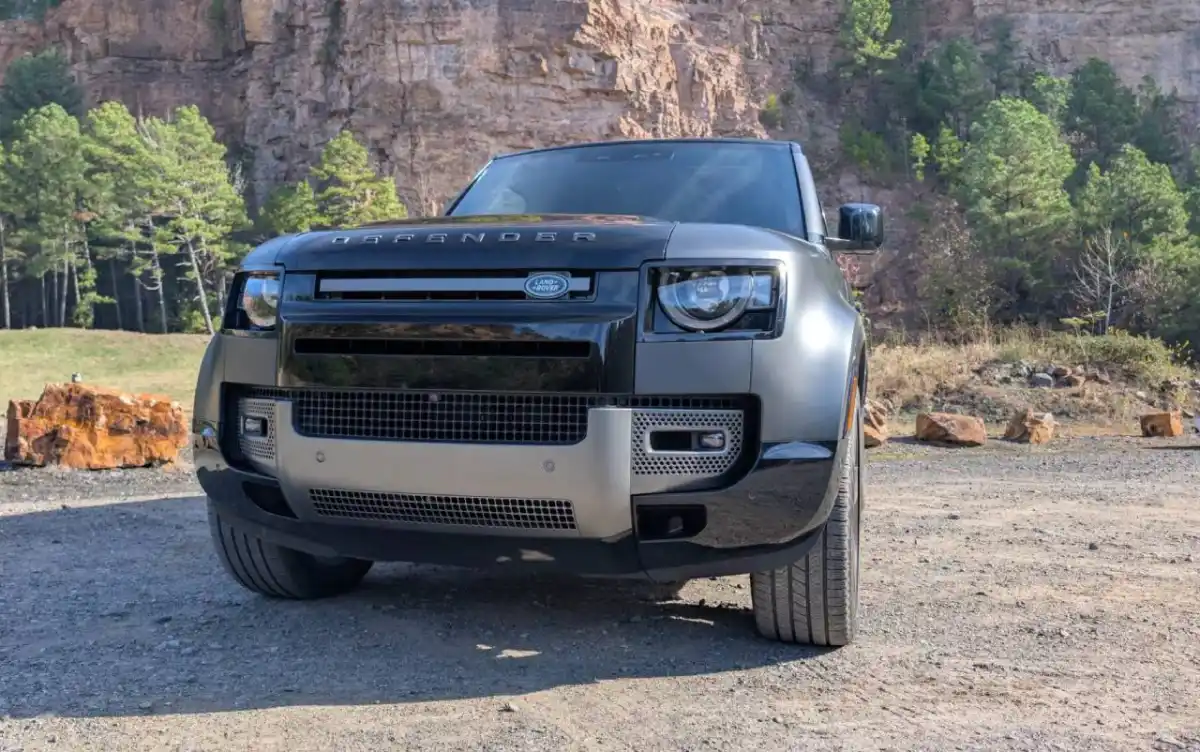
Exterior design: classic Defender DNA in an XXL body
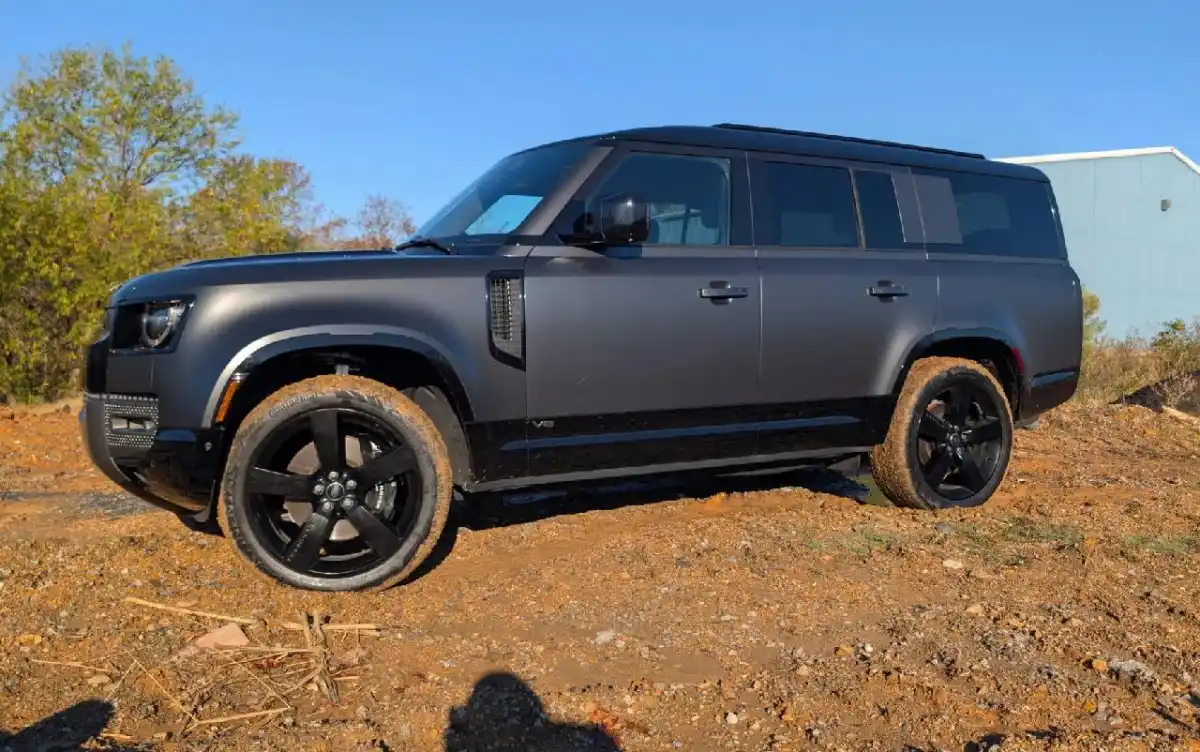
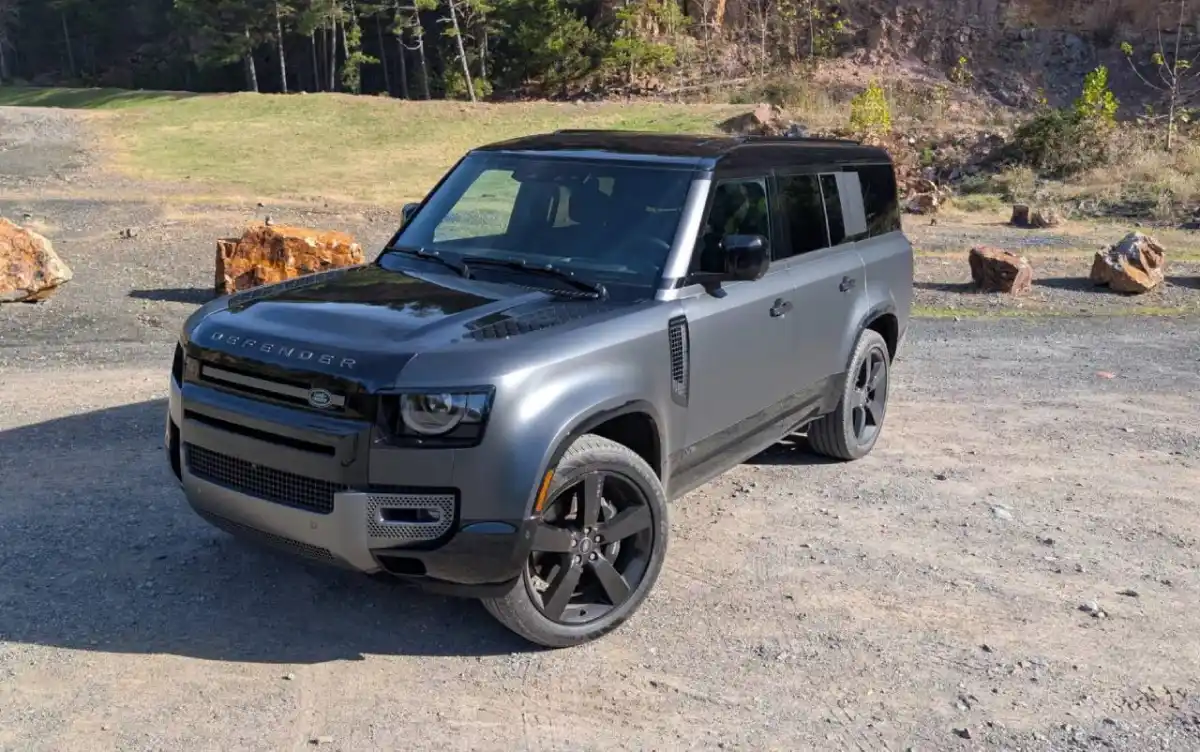
The Defender 130 uses the same familiar design language as the rest of the Defender line‑up: squared‑off lines, an upright, almost slab‑sided body, and boxy proportions that clearly communicate its off‑road character.
The extra length compared with the 110 makes the 130 look more imposing on the road, with a longer rear overhang that allows for a genuinely usable third row and meaningful luggage space.
Details like the circular headlights within square frames, the pronounced wheel arches, and the flat, horizontal roof preserve the traditional Defender spirit but execute it in a clean, modern way.
Details that matter in Gulf markets:
Buyers can specify special paint colors, matte finishes, and large wheels (up to 22 inches), giving the 130 a very strong visual presence in the street.
The adjustable air suspension lets you increase ride height for rough tracks and medium‑difficulty dunes, then lower it again for easier access and better efficiency in everyday driving.
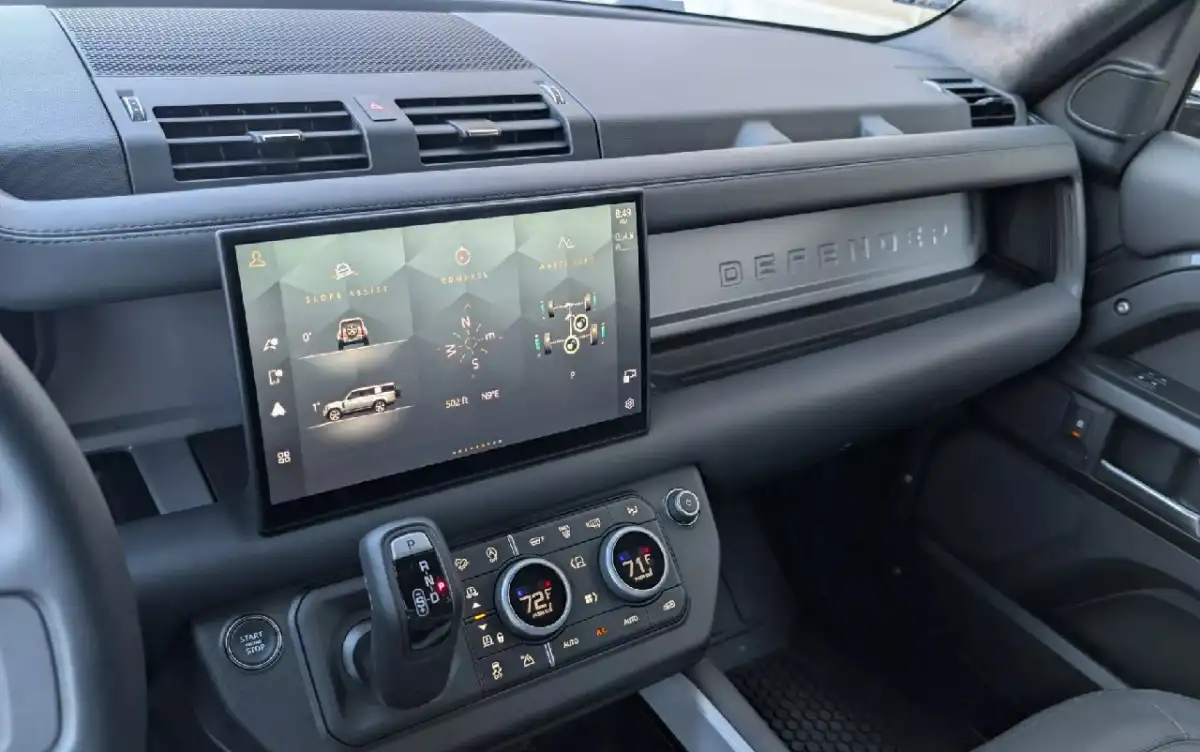
Cabin: practical luxury for a big family
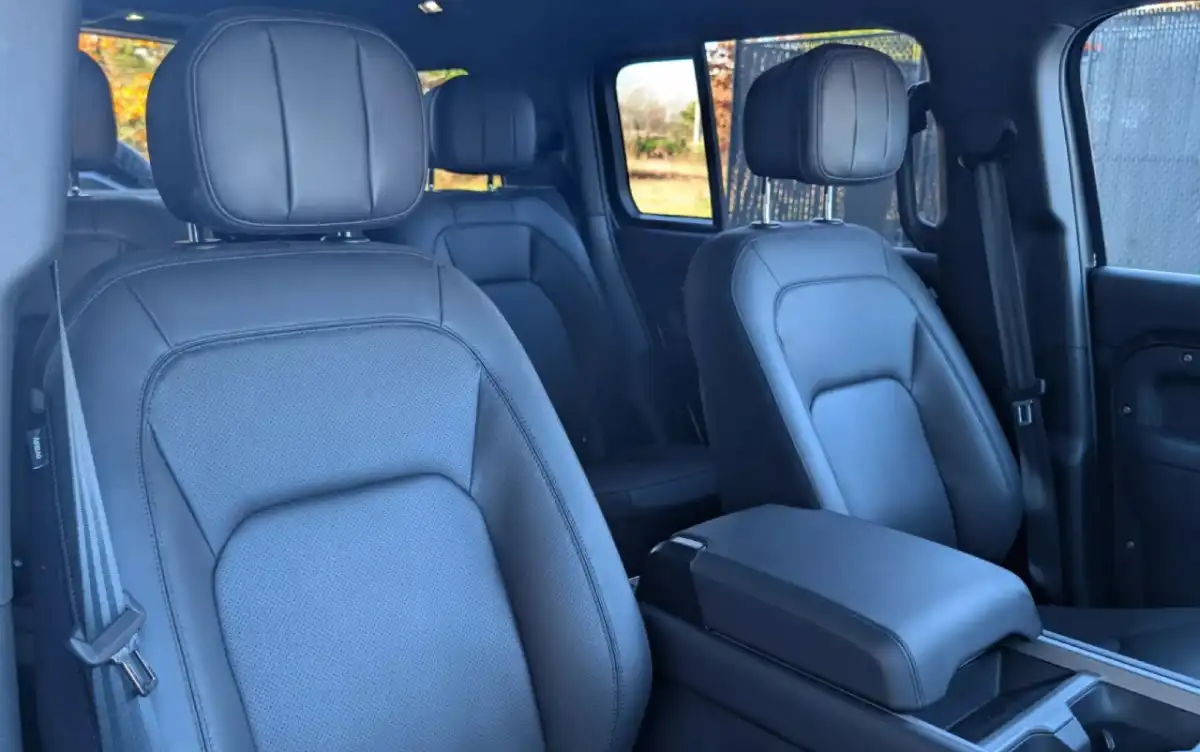
Inside, the Defender 130 V8 offers a cabin that can seat up to eight passengers depending on configuration (three rows), with a clear focus on long‑term family usability.
Key cabin strengths:
Materials combine luxury and durability: a mix of leather, soft‑touch plastics, and rubberized surfaces in areas likely to see dirt, sand, or spills on off‑road trips, beach days, or camping.
The dashboard has a simple overall design but is full of practical touches: open storage shelves, integrated grab handles, and large, easy‑to‑use physical controls that work even when you are wearing gloves.
The Pivi Pro infotainment system features a large touchscreen (around 11.4 inches) with full Apple CarPlay and Android Auto support for seamless smartphone integration.
Passenger space:
The second row offers a genuinely comfortable seating position even for tall adults, with seats that can slide and recline to fine‑tune comfort.
The third row in the 130 is not just symbolic; adults can use it for shorter and medium‑length journeys, which is important for large families.
Luggage space behind the third row remains practical (over roughly 13 cu‑ft), and expands to more than 40–80 cu‑ft when you fold down the rear rows, giving enough room for family bags, strollers, or camping gear.
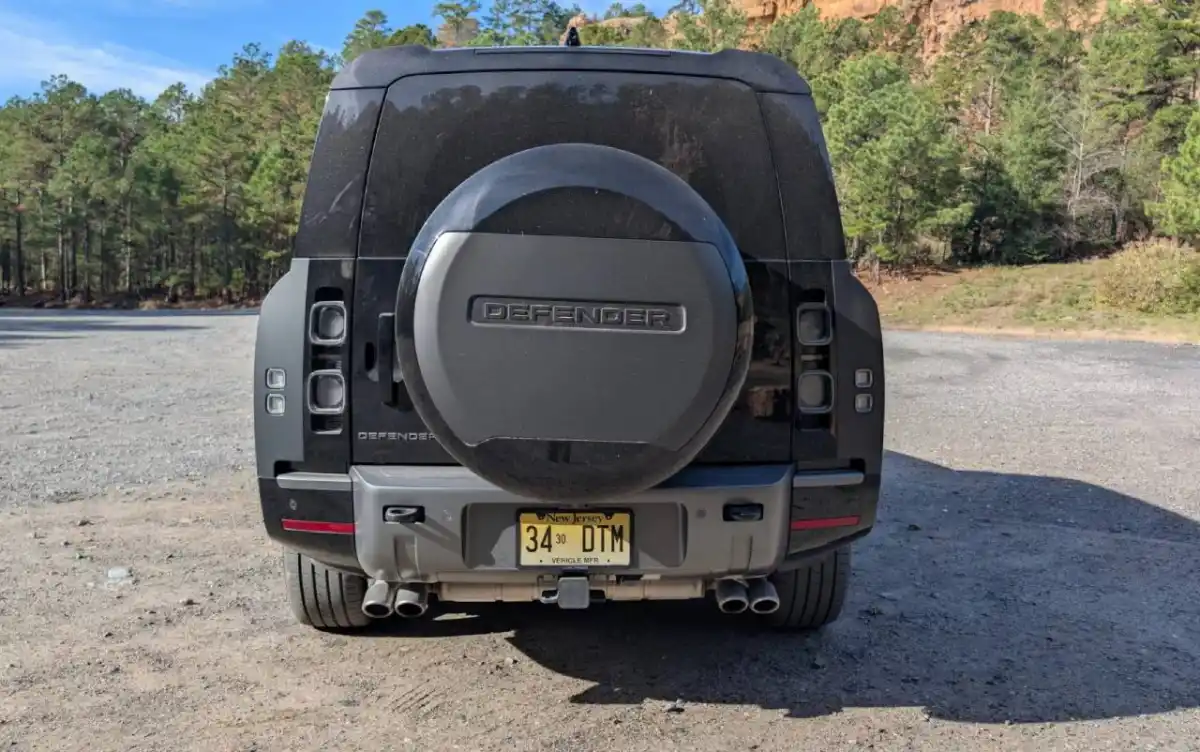
Engine and performance: supercharged V8 power… and a serious appetite for fuel
Under the hood lies the real heart of this SUV:
A 5.0‑liter supercharged V8 producing around 493 hp and about 610 Nm of torque.
The engine is paired with an 8‑speed automatic gearbox and permanent all‑wheel drive, with a torque split that typically favors the rear axle in normal driving.
On paved roads:
Acceleration is strong and smooth, but it doesn’t feel like a pure performance SUV because the curb weight sits around 2,600 kg or more.
The 130 is very stable at highway speeds, and the air suspension does a good job of soaking up bumps, but you are always aware of the mass during hard braking or quick direction changes.
Official consumption is around 14 mpg city and 19 mpg highway (~16 combined), which translates to roughly 14–15 L/100 km in mixed use — high by current fuel‑price standards, but exactly what you’d expect from a big, heavy V8 off‑roader.
In everyday Gulf use:
For owners in cities like Riyadh or Dubai driving between work, home, schools, and malls, the 130 V8 offers a quiet, refined ride with excellent noise and wind isolation.
Drivers who dislike frequent fuel stops, however, may find the six‑cylinder versions more sensible.
Off-road ability: all the hardware is there… with some compromises
Despite its luxury and family focus, the Defender 130 V8 still carries genuine off‑road DNA:
Air suspension that can raise ground clearance to roughly 293 mm gives it useful off‑road capability for something of this size.
Approach, departure, and breakover angles are respectable relative to its dimensions, and some trims offer both center and rear locking differentials.
Off‑road systems such as Terrain Response add selectable modes for sand, mud, rocks, and more, plus hill‑descent control and other driver aids.
But:
The heavy weight and long wheelbase make it less agile on tight tracks or technical trails than a Defender 110 or a lighter SUV.
Standard 20–22‑inch wheels and road‑biased tires are rarely ideal for soft dunes or sharp rocks, so anyone planning serious off‑roading will want to swap to more dedicated all‑terrain or mud‑terrain rubber.
Defender 130 V8 as a Gulf family SUV
Strengths for a Saudi/Gulf family:
Three genuinely usable seating rows plus good cargo space make it a strong choice for long family road trips and mixed highway/desert weekends.
High ride comfort on fast roads, with powerful air‑conditioning and vents for every row — critical in hot‑climate markets.
Advanced safety and driver‑assist systems such as adaptive cruise control, lane‑keep assist, a 360‑degree camera system, and parking sensors help a large SUV feel manageable in busy neighborhoods and multi‑story car parks.
Weak points to consider:
A very high price tag: global pricing starts at roughly USD 118,000 before options, and final on‑road prices in Gulf markets will be higher once duties and fees are applied.
High fuel consumption, plus elevated costs for tires, servicing, and insurance in this class of vehicle.
Competitors and realistic alternatives
No rival matches the Defender 130 V8’s exact mix of three rows, luxury, and serious off‑road branding, but there are some relevant alternatives:
Ineos Grenadier: closer in spirit to the old Defender, more hardcore off‑road, less luxurious, and generally more affordable and utilitarian.
Mercedes‑Benz GLS / BMW X7: premium three‑row family SUVs with strong comfort and tech but less emphasis on demanding off‑road use.
Range Rover: higher in luxury and status, but more road‑oriented; with similar equipment it often ends up significantly more expensive than a Defender.
Who is the Defender 130 V8 really for?
If you want the most exaggerated, most luxurious, most visually imposing Defender with the biggest interior and a V8 that still defies the downsizing and hybrid trend, this is the top‑tier choice in the lineup.
If you’re looking for the best balance of price, efficiency, and driving enjoyment, the six‑cylinder variants (such as the P400) are likely more logical and easier to live with on a daily basis.
The Defender 130 V8 is not the “purest” Defender in terms of driving feel or value for money, but it is undeniably the most indulgent — both on paper and on the street. For a specific slice of buyers, that is exactly the point.