
- 1. What Exactly Is Brake Lag?
- 2. Understanding the Science of Stopping Distance
- 3. Symptoms That Indicate Brake Lag
- 4. What Causes Brake Lag?
- 1. Low or Contaminated Brake Fluid
- 2. Worn Brake Pads or Shoes
- 3. Faulty Master Cylinder or Brake Booster
- 4. Leaking or Air‑Filled Hydraulic Lines
- 5. Damaged Shock Absorbers
- 5. Brake Lag vs. Brake Fade — Know the Difference
- 6. Preventing Brake Lag — Maintenance Tips That Matter
- 7. The Engineering Behind Immediate Brake Response
- 8. When Should You Service the Brakes?
- 9. Modern Solutions to Brake Lag
Imagine pressing the brake pedal in an emergency — but instead of an immediate slowdown, there’s a brief, frightening delay before your car reacts. That tiny pause, lasting less than a second, can be the difference between a narrow escape and a costly accident.
This hidden phenomenon, known as brake lag, rarely shows itself until your braking system is already compromised. It’s a warning sign that your brakes no longer respond instantly when you step on the pedal. While most modern cars are designed to respond almost instantly, poor maintenance, worn components, or neglected brake fluid can make a safe system turn dangerous.
In this guide, we’ll explore what causes brake lag, how to distinguish it from brake fade, and the essential steps to prevent it in both passenger cars and heavier vehicles.
1. What Exactly Is Brake Lag?
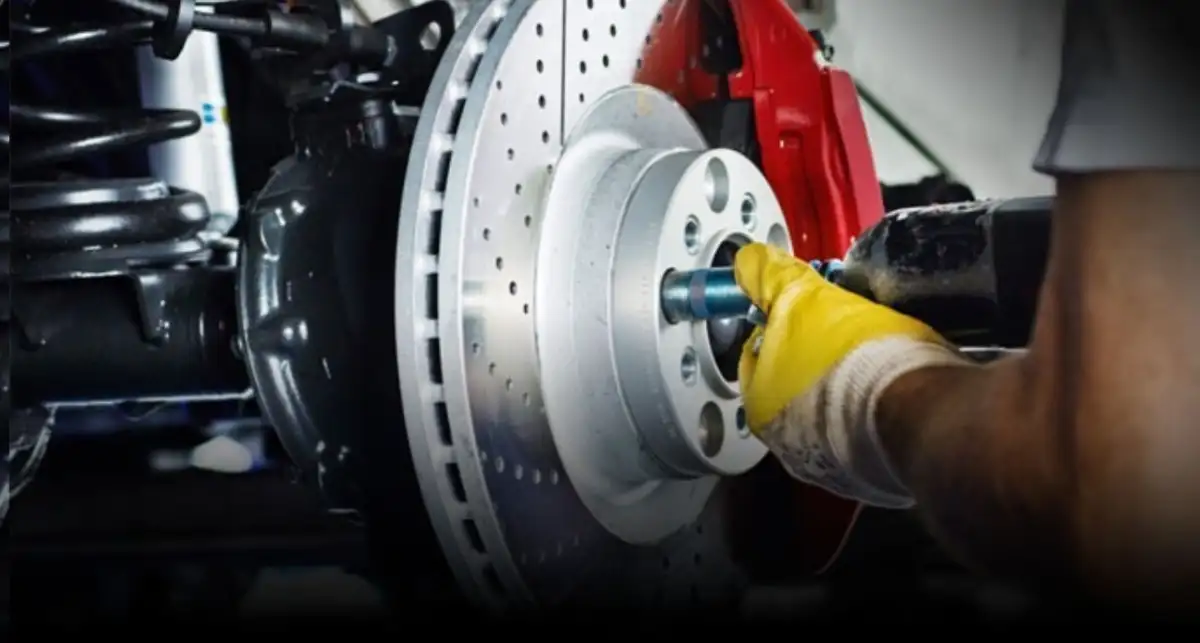
Brake lag is the slight delay between pressing the brake pedal and the actual engagement of the braking force that slows your vehicle.
In cars with hydraulic brakes, this delay should be imperceptible — pressing the pedal should instantly build hydraulic pressure.
In large trucks and buses with air brakes, a half‑second delay is normal, as compressed air takes time to pressurize the chambers.
If you drive a passenger car and notice any measurable hesitation in braking response, that’s a sign something is wrong.
Why it’s dangerous:
That short delay effectively increases your stopping distance — the total distance it takes from recognizing danger to coming to a complete stop. Even a 0.3‑second delay translates into several extra meters of travel at highway speeds.
2. Understanding the Science of Stopping Distance
To visualize the impact of brake lag, it helps to distinguish two key concepts:
Braking Distance: The distance the car covers after the brakes start acting until it stops.
Stopping Distance: The total distance traveled from the moment you react until the car fully stops. This includes:
Your reaction time.
The time for the brakes to engage (brake lag).
The braking distance itself.
If brake components are not functioning properly, even excellent reflexes can’t make up for those lost milliseconds.
3. Symptoms That Indicate Brake Lag
Recognizing brake lag early can save time, money, and lives. Common warning signs include:
A spongy or soft brake pedal feel.
The need to press deeper before the brakes engage.
Noticeable delay between pressing the pedal and deceleration.
Unusual noises such as hissing or metallic scraping during braking.
Longer stopping distance despite normal driving speeds.
If you detect any of these, it’s time to treat your car to immediate brake inspection and servicing.
4. What Causes Brake Lag?
A braking system consists of multiple components — rotors (or drums), calipers, pads, the master cylinder, and hydraulic lines.
When any of them underperforms, lag appears.
Here are the main causes:
1. Low or Contaminated Brake Fluid
Old or dirty brake fluid is the top reason for delayed brake response.
Moisture contamination lowers fluid pressure and causes soft or weak braking.
Always replace the fluid every 2 years or 30,000 miles, whichever comes first.
Never reuse fluid that’s been exposed to air — it absorbs moisture and loses efficiency.
2. Worn Brake Pads or Shoes
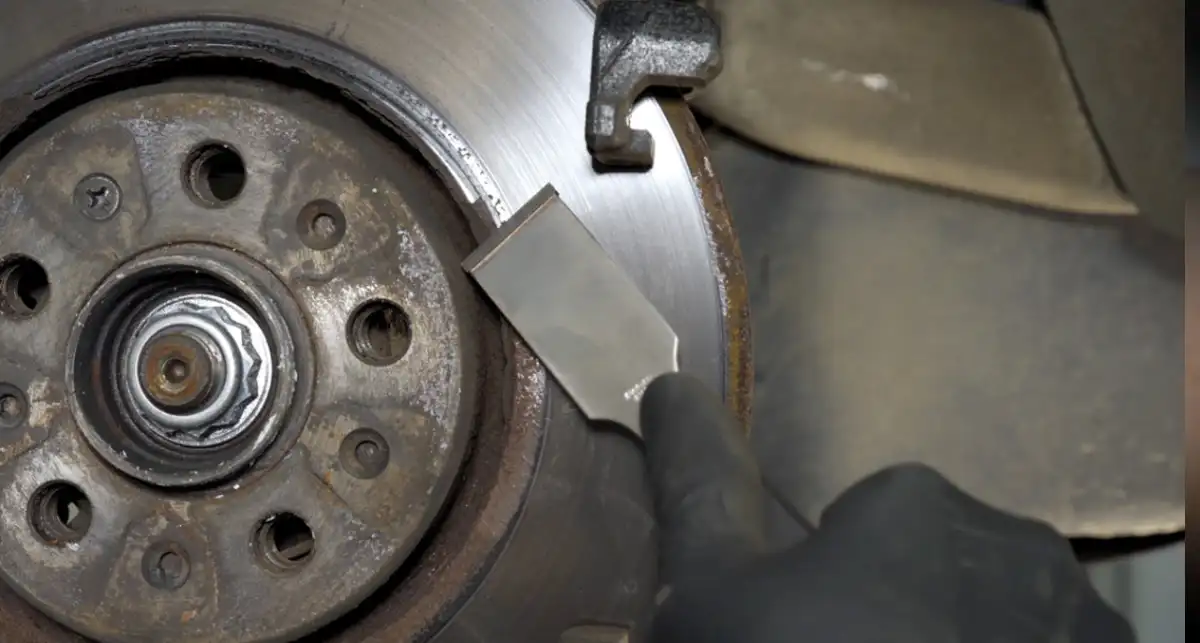
As pads thin out, they take longer to make full contact with the rotor, creating that brief lag before engagement.
3. Faulty Master Cylinder or Brake Booster
The master cylinder is the heart of the hydraulic system. Any internal seal leakage delays pressure buildup.
A failing brake booster reduces pedal assist and forces the driver to press harder, mimicking lag.
4. Leaking or Air‑Filled Hydraulic Lines
Air bubbles compress under pressure, delaying fluid transmission to the calipers.
Regular bleeding of the brake lines ensures consistent hydraulic pressure.
5. Damaged Shock Absorbers
Though not part of the brake system, worn shocks reduce tire grip, prolong stopping distances, and amplify the feeling of brake lag.
5. Brake Lag vs. Brake Fade — Know the Difference
Both issues reduce stopping power, but they develop under different conditions:
Understanding this distinction helps mechanics and drivers pinpoint the true source of the problem.
6. Preventing Brake Lag — Maintenance Tips That Matter
Brake lag is preventable with simple maintenance habits. Follow these practical steps:
Change brake fluid regularly.
Flush and refill every 24 months or as recommended by your manufacturer.
Replace brake pads and rotors together.
New pads on old rotors can create temporary lag due to uneven surfaces.
Bleed the system after every service.
Leaves no air pockets inside the hydraulic lines.
Check for leaks and cracks in hoses and connections.
Even small leaks can drastically reduce brake pressure.
Monitor ABS warning lights.
If illuminated, diagnostic scanning is a must, as modern braking systems rely heavily on electronic coordination.
Inspect shocks and tires regularly.
Optimal suspension and correct tire pressure ensure stable braking.
Avoid aggressive braking unless necessary.
Hard braking causes faster wear and can introduce heat‑related issues similar to brake fade.
7. The Engineering Behind Immediate Brake Response
In hydraulic systems, pressure = responsiveness. When the brake pedal is pressed, a plunger in the master cylinder pushes brake fluid through narrow steel lines.
That fluid transfers pressure equally across all four calipers, thanks to Pascal’s principle.
If there’s air, moisture, or an internal leak, the pressure wave slows down, and the brake pad doesn’t bite right away — hence, lag.
This is why even a small bubble or drop of water in the system can change stopping distances significantly.
8. When Should You Service the Brakes?
Replacement intervals depend on usage and environment, but as a general rule:
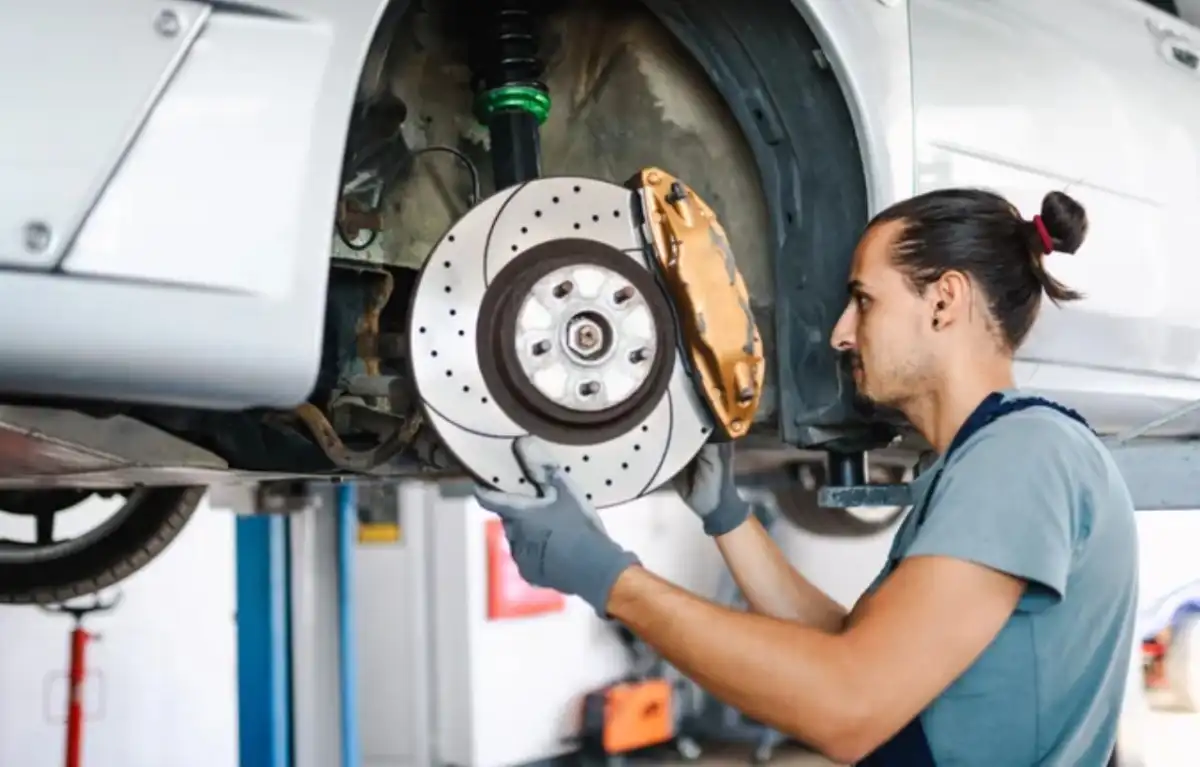
Pads: every 30,000 – 40,000 km (or sooner if you hear squealing).
Rotors: inspect at every pad change; resurface or replace if deeply grooved.
Fluid: flush every 2 years.
Master Cylinder: replace once seals or pressure consistency falter.
Never ignore vibration or delay when braking — both are early signs of system inefficiency.
9. Modern Solutions to Brake Lag
Today’s vehicles use advanced systems to minimize lag naturally:
ABS and EBD (Electronic Brake Distribution): optimize pressure across wheels, improving initial bite.
Brake Assist (BA): adds instant hydraulic pressure when the ECU detects a panic stop.
Regenerative braking in EVs: provides immediate resistance using electric motors, reducing reliance on traditional hydraulic lag.
However, even with these technologies, mechanical parts still require routine servicing for optimal performance.
Brake lag is not just a technical fault — it’s a warning your vehicle gives before something worse happens.
It can hide for weeks, manifesting only during emergency stops or in wet conditions. But every fraction of a second counts, especially at highway speeds.
The solution is simple: maintenance and awareness.
Flushing brake fluid, checking pad wear, and listening to early signs will turn that silent hazard into a system you can trust.
Remember — a responsive brake pedal is more than convenience; it’s your last line of defense on the road.