
- Exterior Design That Speaks to Adventure Lovers
- Cabin and Features: Chinese Practicality vs. American Technology
- Desert Capabilities: Real Performance and Numbers That Prove Strength
- Power and Efficiency: A Look at Engine Strength and Fuel Consumption
- In Cabin Safety: Modern Technologies and Smart Features
- How to Choose the Right Vehicle?
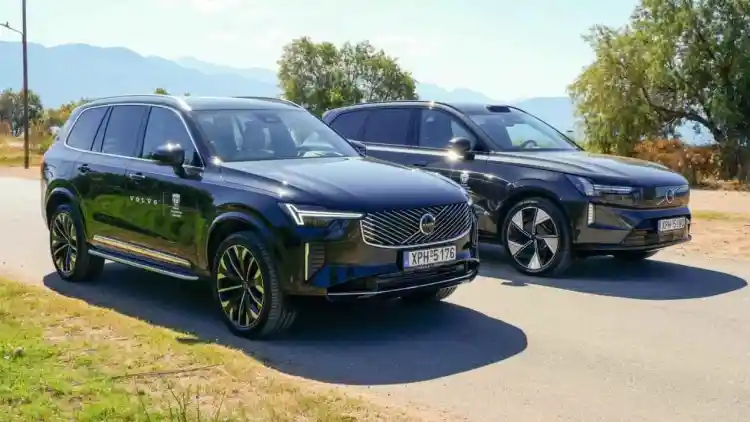
The comparison between the BAW 212 T01 and the Jeep WranglerUAE Jeep WranglerBahrain Jeep WranglerEgypt Jeep WranglerKSA Jeep WranglerKuwait Jeep WranglerOman Jeep WranglerQatar Jeep Wrangler places the buyer at the heart of a true showdown between the heritage of the iconic American name and the bold spirit brought by the Chinese manufacturer. Both vehicles deliver strong off road character, yet each one appeals to a different type of adventure enthusiast across the UAE and the GCC, between those seeking a well established brand with decades of legacy, and those who prefer a fresh experience with competitive pricing and standout styling.
Exterior Design That Speaks to Adventure Lovers
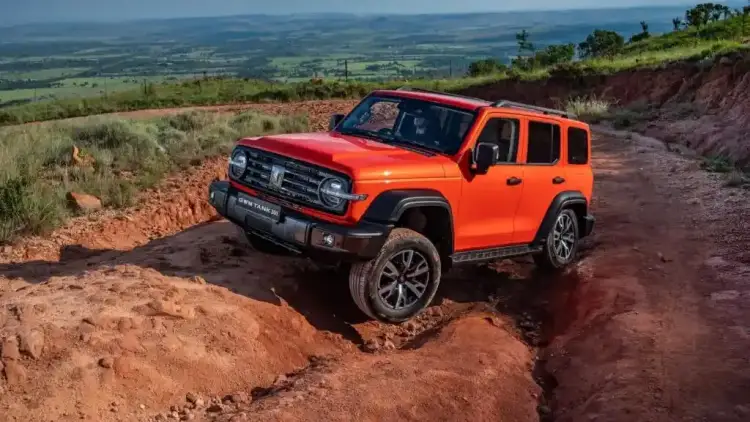
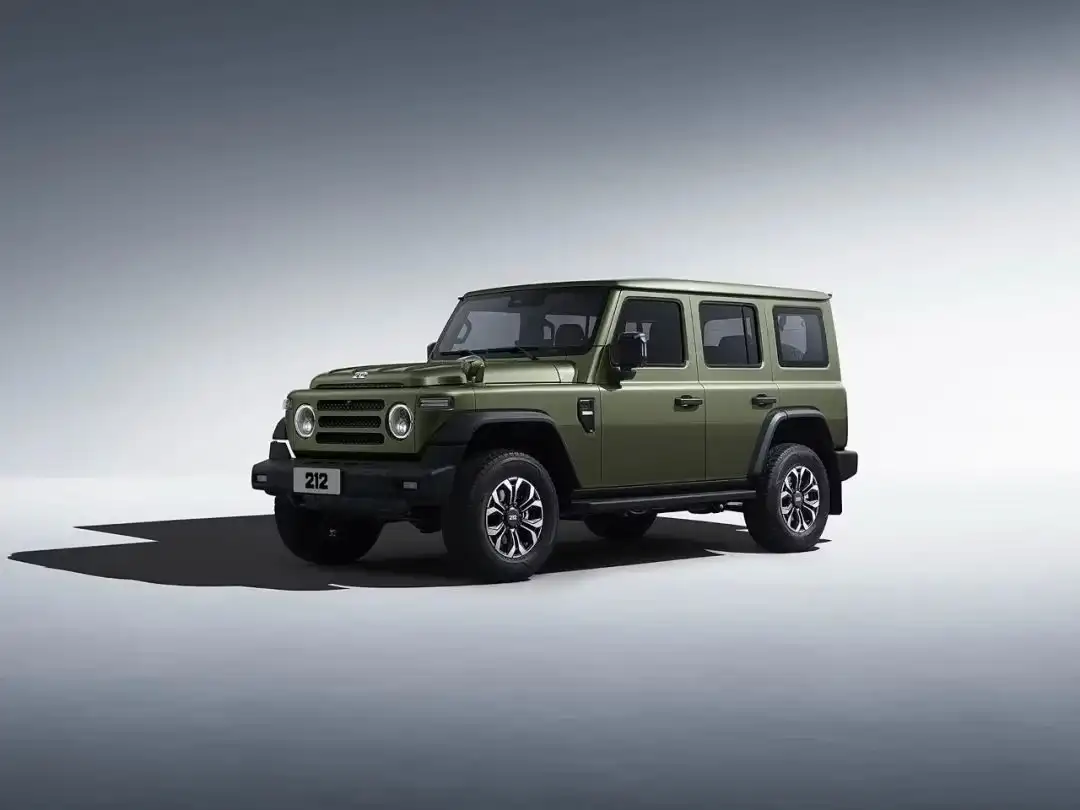
The BAWBahrain BAWEgypt BAWKSA BAWKuwait BAWOman BAWQatar BAWUAE BAW 212 T01 presents a classic design language that recalls old school off roaders: a boxy body, sharp edges, and an exposed rear spare wheel that signals its readiness to tackle harsh terrains. The fixed hard roof and retro inspired front fascia add a touch reminiscent of vintage Land RoverUAE Land RoverKSA Land RoverKuwait Land RoverQatar Land RoverOman Land RoverBahrain Land RoverEgypt Land Rover models, creating a bold presence on sandy dunes and rocky trails.
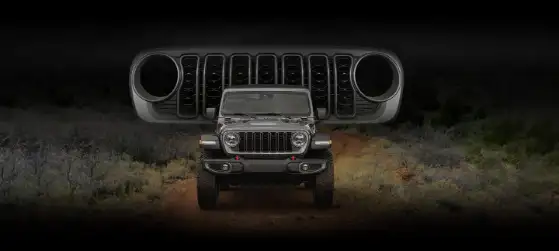
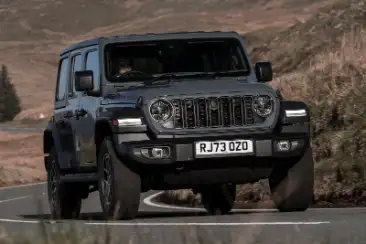
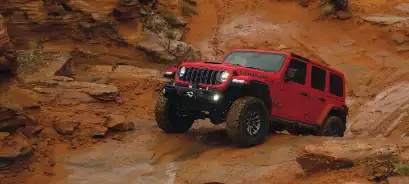
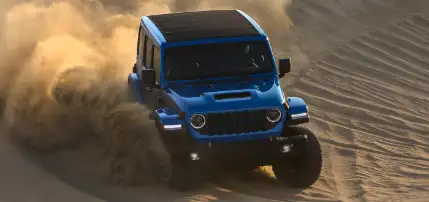
On the other hand, the JeepKSA JeepBahrain JeepEgypt JeepKuwait JeepOman JeepQatar JeepUAE Jeep Wrangler maintains its globally recognized American identity: a box shaped body, a short muscular hood, and removable doors and roof that grant the driver an open air experience. Special trims such as the Sahara and Rubicon add distinctive styling cues to the bumpers and fender flares, enhancing its aggressive off road personality.
Cabin and Features: Chinese Practicality vs. American Technology
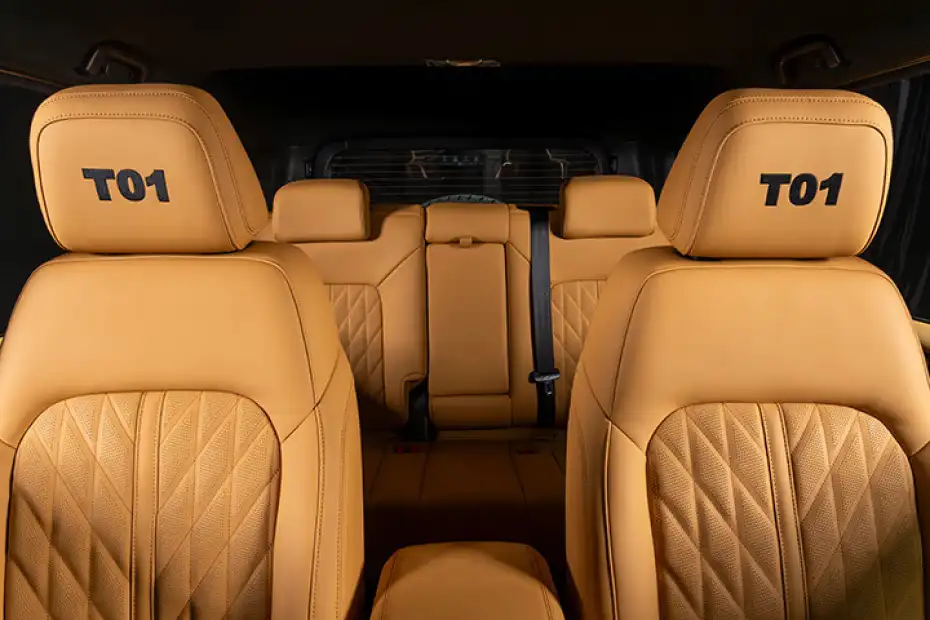
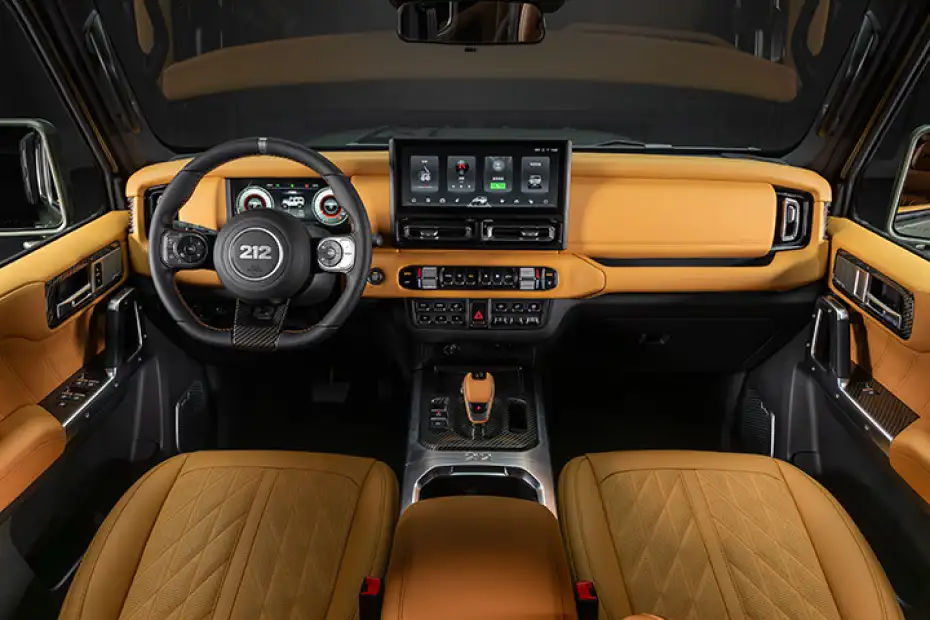
Inside the 212 T01, practical functionality blends with subtle Chinese luxury touches: leather trimmed seats, a leather wrapped steering wheel, and a dashboard that relies on large mechanical buttons and switches for easy use during vibrations on sandy routes. The cabin also features pre installed mounting points for convenient modifications, allowing the installation of racks and gear suited for long distance adventures.
Meanwhile, the Jeep Wrangler adopts a more modern approach inside the cabin, offering a large infotainment display powered by the latest Uconnect system, supporting smartphone connectivity and advanced navigation. Despite the technological upgrades, some users point out the heavy presence of hard plastics, giving the Wrangler a “functional tech focused” feel rather than a fully premium one.
Desert Capabilities: Real Performance and Numbers That Prove Strength

The BAW 212 T01 appeals to serious off road enthusiasts through a traditional and robust setup:
Front and rear rigid axles.
Part time 4WD system with a Low Range mode.
Approach angle of around 40°.
Departure angle of about 36°.
Water fording depth reaching approximately 850 mm.
The 212 T01 has also been tested in harsh rallies and terrains, including desert races and the Dakar Rally in the region, confirming its readiness for GCC environments.
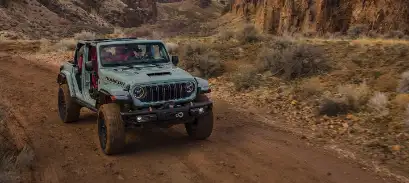
In contrast, the Jeep Wrangler continues to reinforce its legendary status, especially in the Rubicon version:
Rock Trac system with a low range 4:1 gear reduction.
Selec Trac system for smart switching between 2WD and 4WD.
Significant ground clearance with the Xtreme 35 package reaching about 12.9 inches.
Approach angle of nearly 47.4°.
Departure angle around 40.4°.
Water fording depth close to 34 inches (about 860 mm).
This gives the Wrangler a blend of electronic systems and supportive cameras, while the 212 T01 offers a more mechanical, straightforward philosophy suited for drivers who prefer manual control and practical off road modifications.
Power and Efficiency: A Look at Engine Strength and Fuel Consumption
The 212 T01 delivers a set of appealing numbers for power focused drivers:
2.0 liter turbocharged petrol engine.
Output of around 248 hp (185 kW).
Torque reaching approximately 410 Nm.
8 speed automatic transmission.
Part time 4WD system with low range capability.
Weight of about 2,150 kg, providing solid stability on rough terrain.
In contrast, the Jeep Wrangler in the GCC region comes with several powertrain options:
2.0 liter turbo engine producing around 270 hp and 400 Nm of torque.
3.6 liter V6 engine generating up to about 285 hp globally.
8 speed automatic transmission.
Lighter weight (around 1,720 kg for some trims), contributing to lively acceleration, reaching 0–100 km/h in roughly 6.9 seconds.
When it comes to fuel efficiency, the Wrangler holds the advantage:
Wrangler 2.0L: up to around 13.9 km/L in ideal conditions.
Wrangler 3.6L: approximately 8.9 km/L.
BAW 212 T01: consumption around 10.9 L/100 km, equal to roughly 9.1 km/L.
This makes the 212 T01 more focused on power and stability at the expense of fuel economy, while the Wrangler provides a more balanced blend of performance and efficiency for daily GCC driving.
In Cabin Safety: Modern Technologies and Smart Features
The Jeep Wrangler delivers an advanced safety package:
Multiple airbags.
ABS and anti lock braking system.
ESC stability control system.
Emergency brake assist.
Optional features such as blind spot monitoring and surround view cameras.
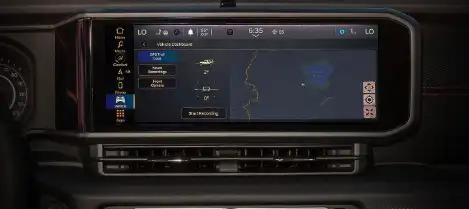
Modern Wrangler generations also include a large touchscreen display (up to 12.3 inches) with an advanced infotainment system supporting Apple CarPlay, Android Auto, and multiple navigation modes, along with adaptive cruise control and comfort oriented features for long trips.
On the other hand, the BAW 212 T01 focuses on structural strength and harsh use durability:
High strength steel body construction.
Extensive field testing over long distances in extreme conditions.
Basic electronic assistance systems for stability and braking.
Cabin materials with soft surfaces, comfortable leather, and generous storage spaces.
The 212 T01 also stands out with a relatively smaller screen (typically 8–10 inches) paired with mechanical controls that remain easy to operate during off road vibrations.
How to Choose the Right Vehicle?
In UAE and GCC markets, the Wrangler sits close to the premium 4×4 segment:
Jeep Wrangler prices start at around AED 192,000 for the base models.
Prices rise to over AED 260,000 for the more equipped Rubicon and 392 versions.
On the other hand, the BAW 212 T01 targets buyers looking for strong value for money:
Prices for the 212 T01 generally range between AED 90,000 and AED 110,000 for new units in the region.
Those who prefer a distinguished brand name, advanced technology, and a wide global service network will find the Jeep Wrangler a logical and reliable choice. Meanwhile, buyers seeking a different experience, a bold retro design, and strong engine performance at a competitive price will find the BAW 212 T01 an appealing alternative that stands out across UAE and GCC desert camps and roads.
2 / 44