

- Tire balance – a small detail with big consequences
- First: Annoying shake in the steering wheel or seats
- Second: Strange noises that get louder with speed
- Third: The car drifts like a mild “Tokyo Drift”
- Fourth: Uneven tread wear patterns
- Fifth: Your car suddenly becomes a gas guzzler
- How to act like an informed driver
Tire balance – a small detail with big consequences
Tire balancing is not a luxury or a throwaway service your tire shop does by chance when you change rubber; it is a core factor in safe driving, ride comfort and fuel economy.
The issue is that symptoms of poor balance overlap with other suspension or axle faults, so many drivers spot the problem late, paying the price later in the form of premature tire wear or costly suspension repairs.
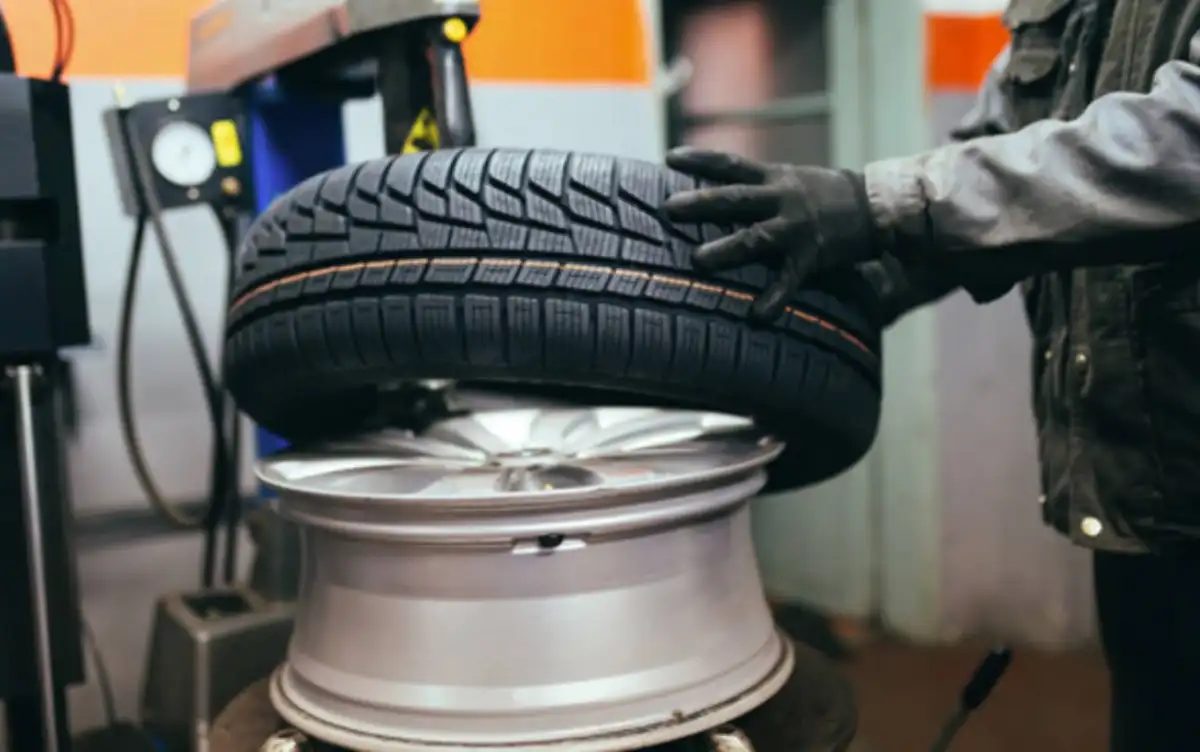
First: Annoying shake in the steering wheel or seats
Vibrations that show up with speed
One of the clearest signs of poor tire balance is a noticeable shake in the steering wheel, or vibration in the seat or floor, even though the road is not particularly rough.
Sometimes the shake is present any time the car is moving; other times it only starts after a certain speed, often above 50 mph (around 80 km/h), turning a highway trip into an irritating experience.
Where you feel it points to which tire
If the vibration is mainly in the steering wheel, the problem is usually with one of the front tires because they are directly linked to the steering system.
If you feel the shake more in the seat or rear floor area, the culprit is more likely one of the rear tires, which helps you or the technician narrow down the diagnosis.
A “wobbly” feel or lazy steering response
You might not feel a strong shake, but notice the car responds more slowly to steering inputs, or the wheel feels looser and less precise than it used to.
Having to make constant small corrections just to keep the car tracking straight can be a sign of an out‑of‑balance tire, alongside possible alignment or suspension issues.
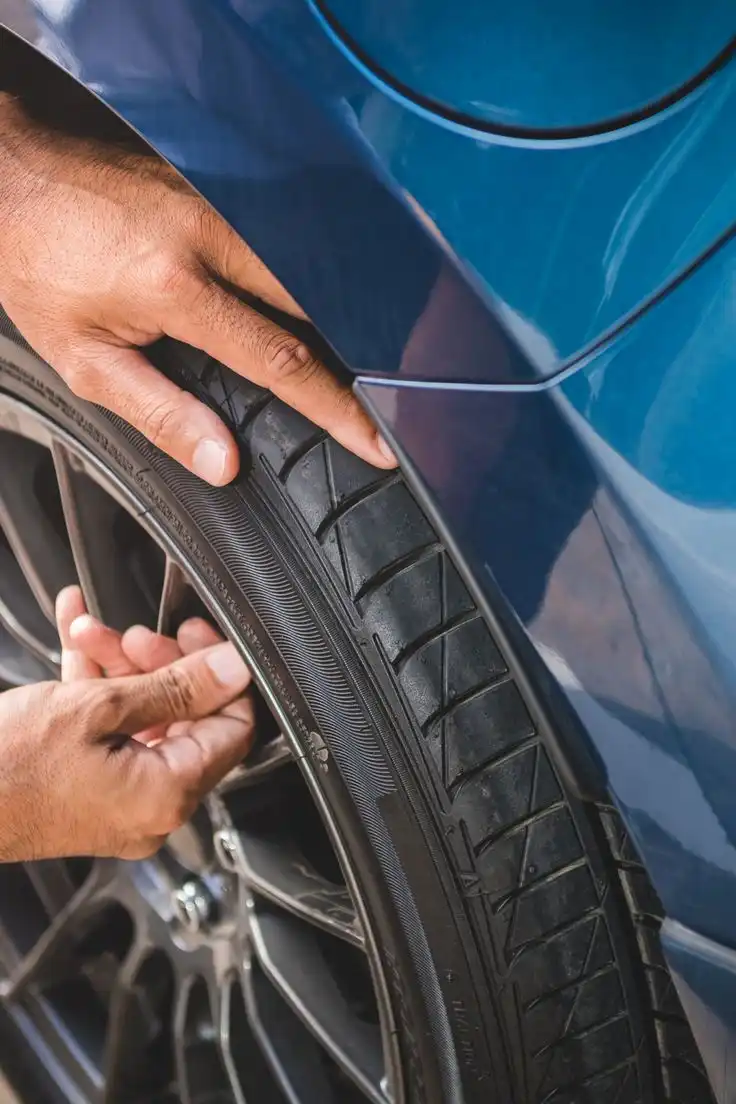
Second: Strange noises that get louder with speed
A regular whomp‑whomp or rhythmic thumping
A common sound symptom of unbalanced tires is a steady whomp‑whomp‑whomp or rhythmic thump that speeds up as the car goes faster.
This happens because an out‑of‑balance tire does not maintain smooth, even contact with the road; it bounces and “slaps” the pavement in a repeating pattern, like a high spot hitting the ground every revolution.
A humming that builds with road speed
You might also hear a hum or droning sound that gradually increases as road speed rises, regardless of engine revs or which gear you are in.
You can tell it is not an engine noise because it keeps getting louder even when you are coasting downhill with your foot off the throttle, pointing to tires or wheels as the source.
Listen closely after tire service
If these noises appear right after fitting new tires, rotating them, or doing other tire work, there is a chance the shop forgot to balance one or more tires or got the weights wrong.
In that case, it is best to go back quickly and have them recheck the job, because early sound clues are cheap and easy to fix compared with long‑term uneven wear or damage.
Third: The car drifts like a mild “Tokyo Drift”
Constant pull to the right or left
If the car keeps drifting to one side on a straight road and you have to hold the steering wheel slightly off‑center just to avoid ending up in the ditch or the opposite lane, that is a warning you cannot ignore.
The pull might be subtle at first, but over time it becomes both annoying and dangerous, especially on high‑speed roads or in poor weather.
Other possible causes alongside balance
The most common cause of this behaviour is incorrect wheel alignment, but it can also come from a damaged or badly worn tire, or uneven tire pressure across the car.
While poor balance is not the only reason a car pulls, an out‑of‑balance tire can contribute to the problem and make it worse over time.
Why balancing alone may not fix it
Once the drift becomes obvious, rebalancing alone may not be enough to restore normal tracking, because misalignment and uneven tread wear may already be present.
At that stage, you need a full check: alignment, tire pressures and a close look for severe wear, bulges or damage in the tread and sidewall.
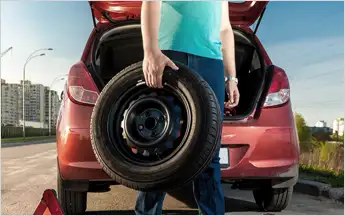
Fourth: Uneven tread wear patterns
“Feathering”, cupping and scalloping
Tread wear is expected over time, but with unbalanced tires you often see feathering (a saw‑tooth edge) or patchy bald spots known as cupping or scalloping.
These patterns reveal that certain sections of the tread hit the road harder than others, creating localised wear instead of a smooth, even reduction across the width of the tire.
Why this is a direct safety risk
Tires with uneven wear cannot grip or brake as they should, especially on wet roads, and are more prone to losing traction during sudden manoeuvres.
If allowed to deteriorate, such tires become genuine safety hazards and are more likely to suffer a blowout at speed.
What to do when you spot it
If you see obvious bald patches or one side of the tread worn far more than the other, you have passed the point of no return: that tire needs replacing as well as balancing and alignment.
Regular visual checks—every few days or at least weekly—help you catch early irregular wear, when a simple balance and rotation can still prevent serious damage.
Fifth: Your car suddenly becomes a gas guzzler
How balance affects fuel economy
A properly balanced tire rolls smoothly with consistent rolling resistance; an unbalanced one bounces and vibrates, forcing the suspension to work harder to control the motion.
This extra internal friction in the system makes the engine work harder to maintain the same speed, which shows up at the pump as increased fuel consumption.
Clues from your fuel stops
If you drive the same routes, at similar speeds and with the same gentle habits, yet notice a clear drop in miles per gallon, unbalanced tires could be part of the explanation.
Many other faults can also hurt fuel economy, but tire balance is among the quickest and cheapest items to check off the list.
One of the simplest fixes with the biggest payoff
After setting correct tire pressures, having your tires balanced is one of the easiest maintenance steps that can protect you from a cascade of bigger problems: premature wear, annoying vibrations, wasted fuel and increased blowout risk.
How to act like an informed driver
Regularly give your tires a visual inspection, watching for odd wear, bald spots or obvious differences between inner and outer tread.
Pay attention to how the steering feels, how straight the car tracks and whether any new rhythmic noises appear and rise with speed, as these are often early signs that a simple balance can cure.
Do not delay a workshop visit once you notice more than one of these symptoms, because ignoring them usually means paying more later for tires, suspension parts and extra fuel.