
- From memory lane back to the production line
- How did Mitsubishi hint at the Montero’s comeback?
- Why the Montero name still matters in the SUV world
- What to expect from the 2028 Montero
- What does Montero 2028 mean for Mitsubishi?
From memory lane back to the production line
For many enthusiasts, the Mitsubishi Montero (known as Pajero in other markets) is far more than a family SUV; it is a genuine off‑road icon tied to Dakar glory and old‑school Japanese toughness.
Now, with a new teaser video revisiting Mitsubishi and Ralliart’s rally history and ending on a shadowy SUV cruising down a highway, it has become clear that the brand is preparing to resurrect one of its most storied names.
How did Mitsubishi hint at the Montero’s comeback?
A short video with a long message
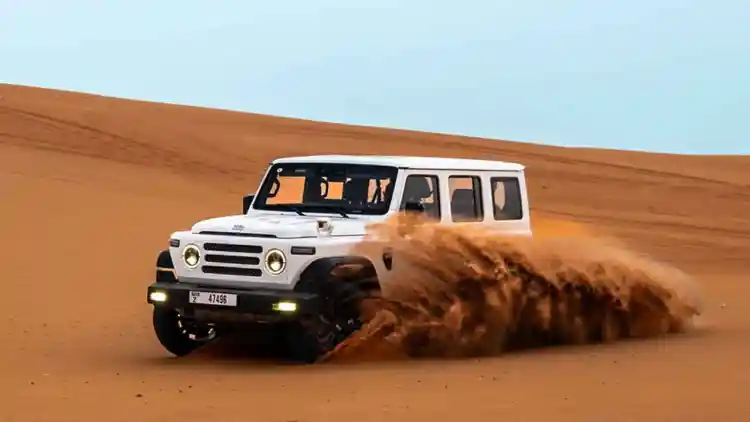
A roughly 60‑second clip on Mitsubishi’s official channel shows archival footage of the brand and Ralliart competing in the World Rally Championship and the grueling Dakar Rally, complete with desert‑racing Pajeros.
In the final moments, the footage jumps to the present day with shots of the Mitsubishi Ralliart Triton race truck in the 2025 East Asia Cross Country Rally, then closes on a modern, shadowed SUV driving down a highway, effectively signing off with a visual “it’s coming back.”
A clear link to camouflaged test mules
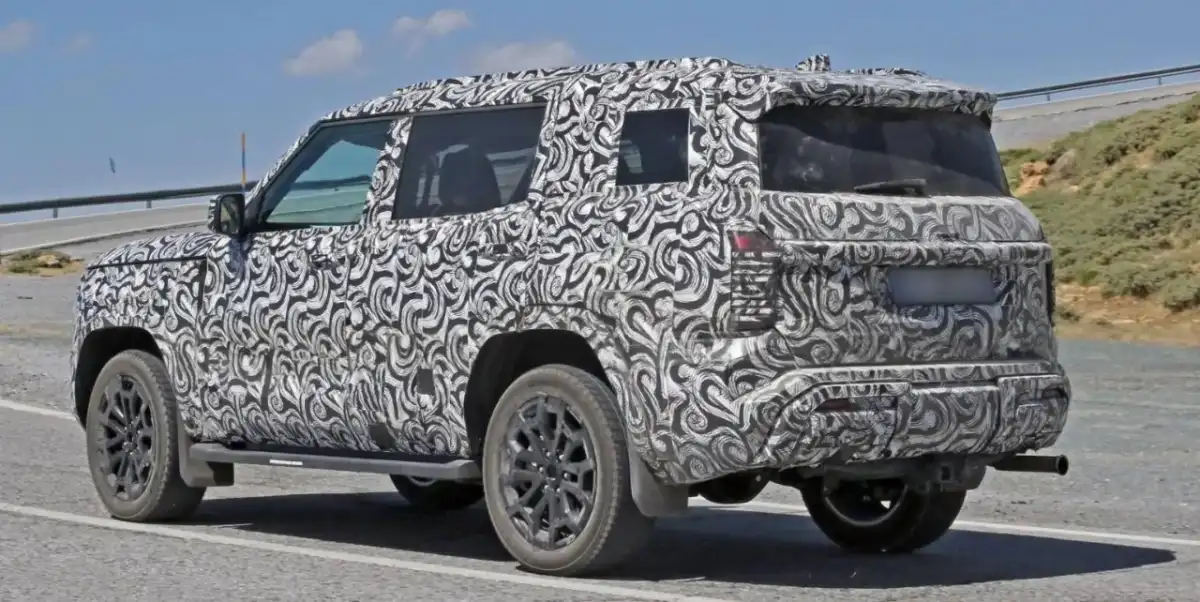
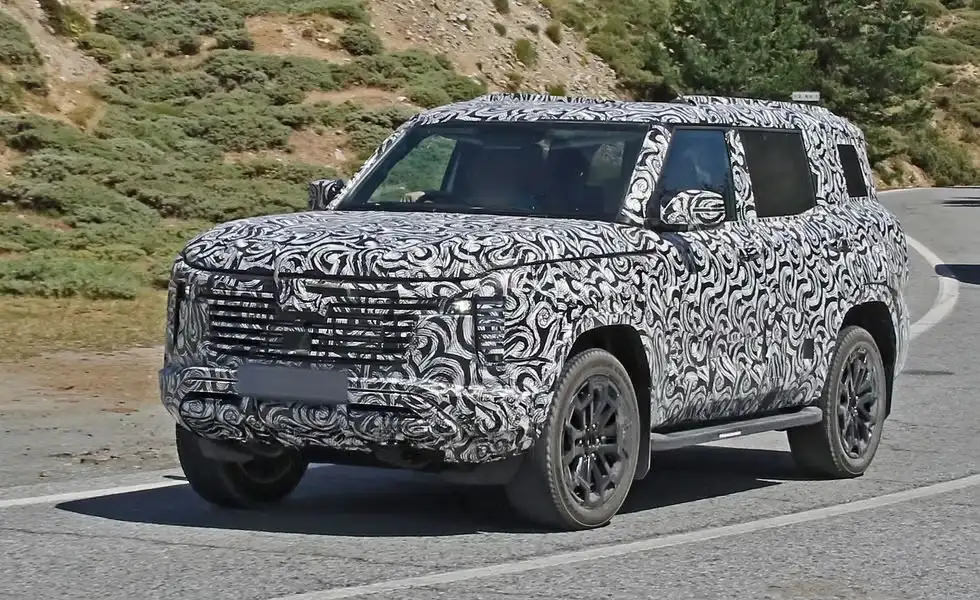
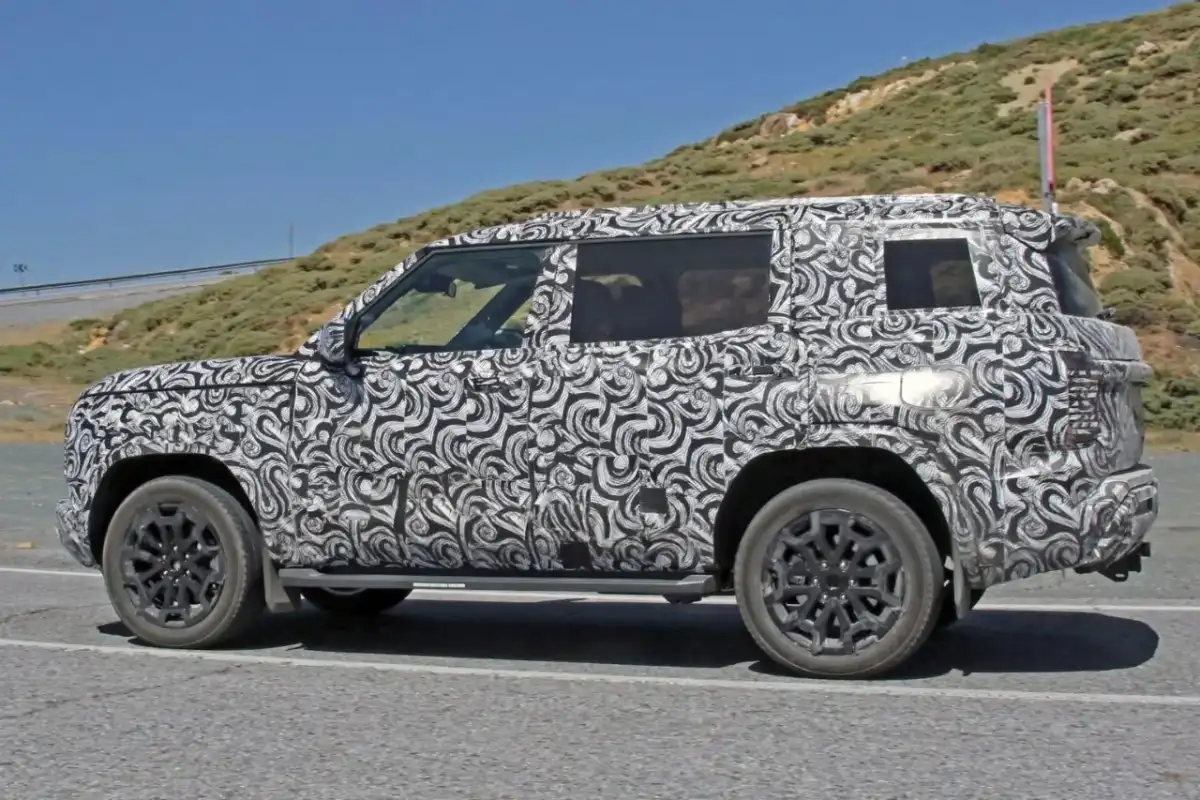
Recent spy shots of a camouflaged Mitsubishi SUV, with its boxy silhouette, high stance and familiar glasshouse, closely match the proportions and roofline of the shadowy model in the teaser.
That resemblance, combined with the rally‑heritage context of the video, has led most observers to conclude that this is not just another soft‑road crossover, but the long‑awaited next Montero/Pajero.
Why the Montero name still matters in the SUV world
A Dakar‑forged off‑road reputation
The Montero/Pajero built its legend through multiple entries and successes in the Dakar Rally, evolving in the public mind from a family 4x4 into a symbol of durability and desert‑tested capability.
That competition heritage created a loyal fan base that never saw it as just another SUV, but as a trusted adventure partner for deserts, mountains and battered tracks.
A long absence that only increased nostalgia
In the U.S., Mitsubishi stopped selling the body‑on‑frame Montero back in 2006, leaving buyers to migrate toward names like Toyota’s Land Cruiser/Prado, Jeep Wrangler or Ford Bronco.
Bringing the Montero badge back for 2028 taps directly into that nostalgia, signalling that Mitsubishi wants to rejoin the “real SUV” conversation rather than fighting only in the soft‑roader space.
Brand roadmaps that support a revival
Mitsubishi has already laid out a plan to launch several new models through 2030, saying it wants bolder products and clearer brand identity in global markets.
The fact that “Montero” was re‑trademarked in the U.S. more than a year ago reinforced the idea that the badge is viewed as a valuable asset to relaunch, not just a museum piece.
What to expect from the 2028 Montero
Platform and construction
The main question is whether Montero returns on a traditional body‑on‑frame chassis aimed at serious off‑roading, or uses a shared architecture adapted for high rigidity and rough‑road use.
You can contrast market trends toward multi‑role SUVs with the need for Mitsubishi to give Montero enough hardware credibility to stand beside rivals like Land Cruiser 250, Bronco and Wrangler.
Powertrains and drivetrains
Expect region‑specific petrol and diesel options, with a strong chance of hybrid or plug‑in hybrid variants to satisfy emissions rules in Japan, Europe and other markets.
Here you can link to Mitsubishi’s experience with PHEV systems in the Outlander and discuss how that know‑how might translate into a Montero that can commute quietly in EV mode yet still deliver long‑range touring on fuel.
Exterior design and visual identity
Mitsubishi’s current design language favours bold faces and sharp lines, setting the stage for a muscular front end with a large grille and slim LED lighting to give Montero real presence.
Retaining a relatively flat roof and upright windows would preserve some of the classic Pajero flavour, while modern details and aero work would move it into 2028.
Cabin and technology
The new Montero is likely to adopt contemporary infotainment with large screens, full phone integration and a suite of driver‑assist systems such as adaptive cruise, lane‑keeping, blind‑spot monitoring and more.
Editorially, you can explore the balance between the hard‑wearing, practical interior that off‑road fans expect and the tech‑heavy, premium feel buyers in this price bracket now demand.
Drive modes and off‑road capability
The Montero name almost obliges Mitsubishi to offer multiple terrain‑specific modes for sand, mud, rocks and gravel, backed by advanced 4WD hardware and at least one locking differential.
You can compare what buyers will expect from Montero versus rivals’ systems such as Toyota’s Multi‑Terrain Select and Crawl Control, Jeep’s off‑road modes or Bronco’s GOAT modes.
What does Montero 2028 mean for Mitsubishi?
Rebuilding confidence in brand identity
Years without truly exciting products have left Mitsubishi somewhat faded in the minds of many buyers, but reviving a heavyweight name like Montero gives the brand a chance to re‑introduce itself as a serious SUV player.
Fighting in a crowded but authenticity‑hungry segment
The market is saturated with stylish crossovers, yet there is still strong demand for “real” off‑roaders built on heritage and substance, where names like Land Cruiser, Wrangler and Bronco dominate.
If Mitsubishi can deliver a new Montero that respects its Dakar‑inspired backstory while adding modern reliability and tech, it stands to regain meaningful share in Asia, the Middle East and potentially North America.