
- A New Phase for Autonomous Mobility
- From Ride-Hailing to Autonomous Ecosystem
- Scaling Ambitions: 100,000 Robotaxis by 2030
- Why Abu Dhabi?
- Auto China 2026: A Platform for Transformation
- Cartea Insight
- The Bottom Line
At Auto China 2026 in Beijing, one of the world’s largest and most influential automotive exhibitions, a major development in the future of mobility quietly took center stage — not from a traditional automaker, but from a mobility platform.
Cao Cao Mobility, the ride-hailing arm of GeelyUAE GeelyKSA GeelyKuwait GeelyQatar GeelyOman GeelyBahrain GeelyEgypt Geely, has officially revealed its next-generation robotaxi strategy, signaling a significant step toward large-scale autonomous transportation — with Abu Dhabi among the first launch markets.
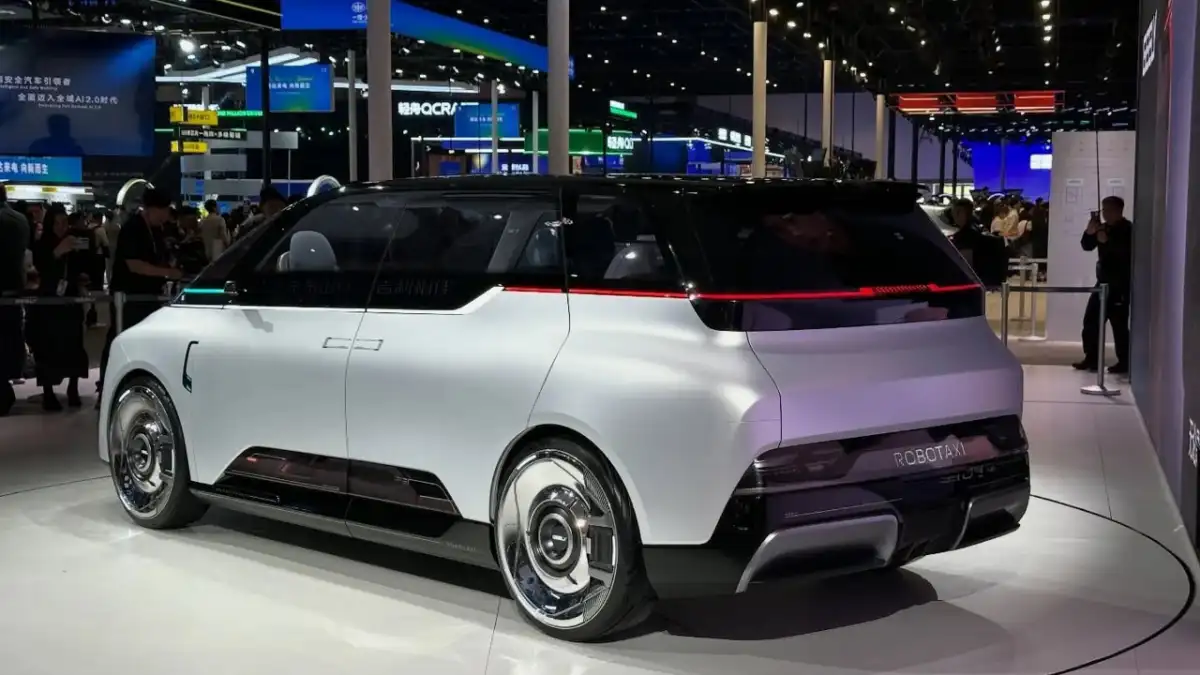
A New Phase for Autonomous Mobility
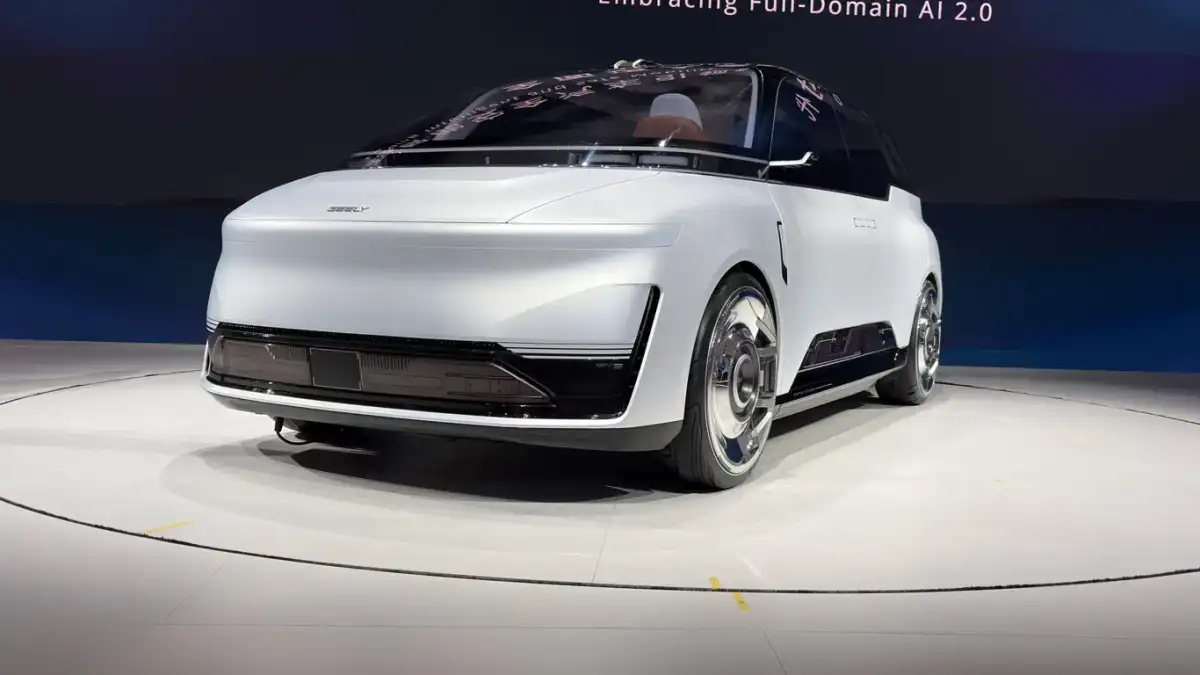
During the exhibition, the company’s CEO confirmed plans to deploy fully customized robotaxis starting in 2027, marking the beginning of a broader global rollout.
The initial phase will focus on Abu Dhabi, Hong Kong, and Five major cities in China.
This multi-market launch reflects a deliberate strategy to test and scale autonomous mobility across diverse urban environments, combining advanced infrastructure with real-world deployment scenarios.
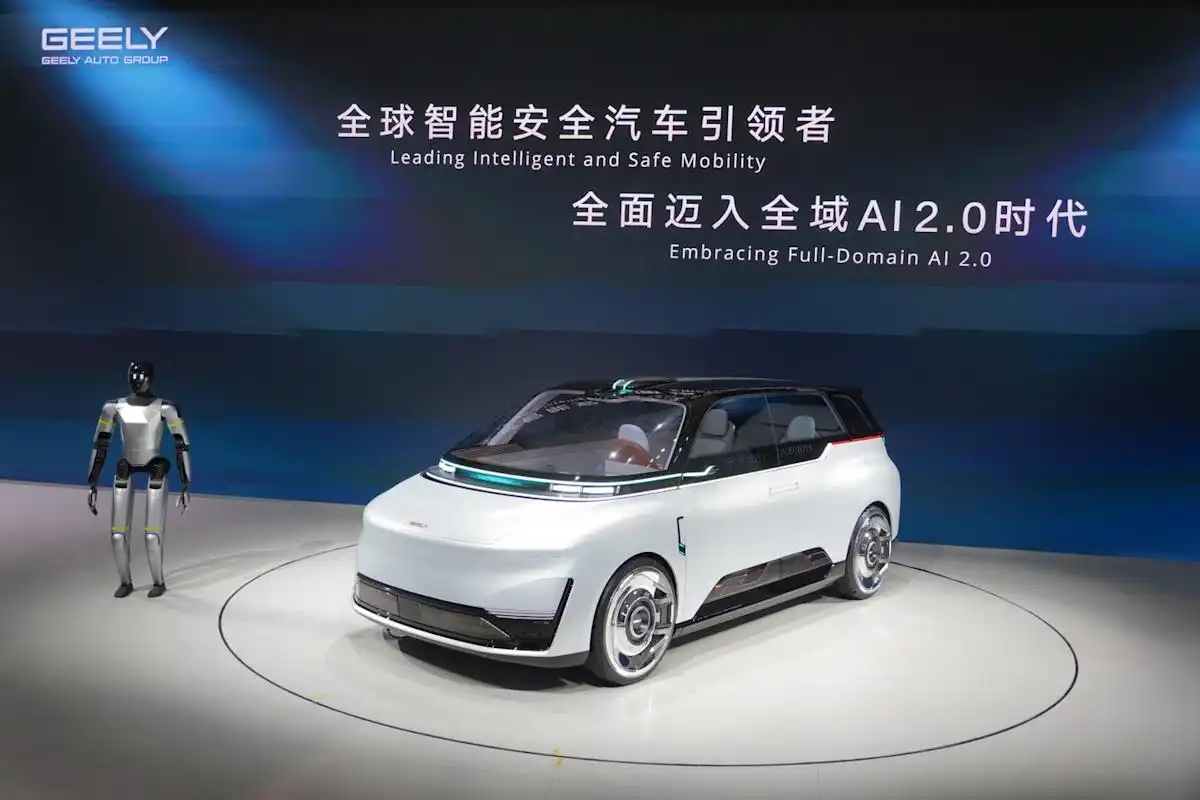
From Ride-Hailing to Autonomous Ecosystem
Cao Cao Mobility is not a traditional car manufacturer. It operates as a mobility service platform, similar in concept to global ride-hailing providers, but with a key distinction — it is deeply integrated with Geely’s automotive and technology ecosystem.
This integration allows the company to develop purpose-built autonomous vehicles, control both hardware and software stacks, and accelerate deployment through vertical integration.
The newly revealed robotaxi is designed specifically for autonomous operations, rather than adapted from existing consumer vehicles — a key factor in optimizing safety, efficiency, and passenger experience.
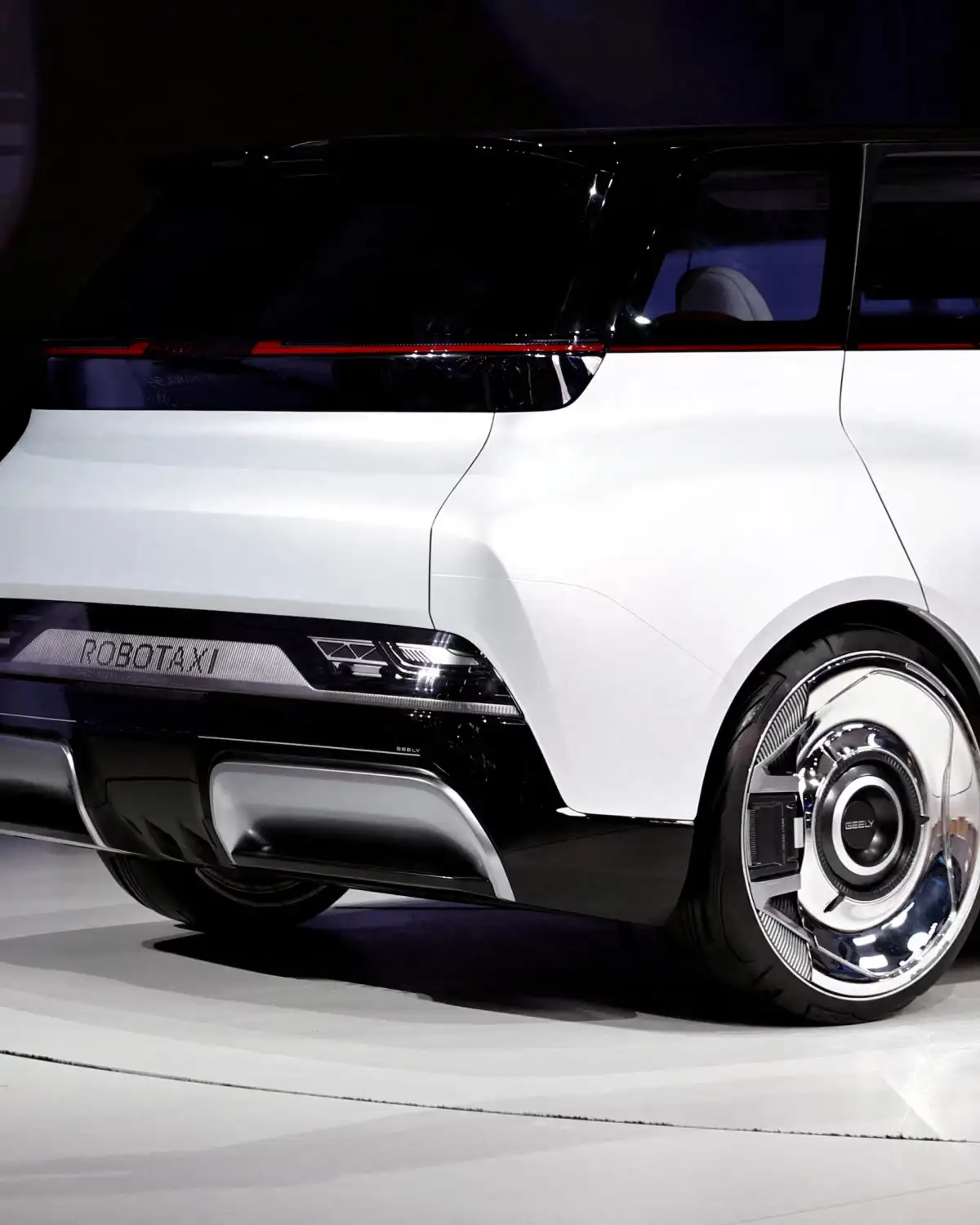
Scaling Ambitions: 100,000 Robotaxis by 2030
Beyond its initial rollout, Cao Cao Mobility has set an ambitious long-term target 100,000 autonomous vehicles in operation by 2030.
This scale positions the company among the most aggressive players in the global robotaxi race, alongside major technology firms and automotive manufacturers investing heavily in autonomous driving.
Such expansion would not only reshape urban transportation but also redefine the economics of mobility services, reducing reliance on human drivers while increasing operational efficiency.
Why Abu Dhabi?
The inclusion of Abu Dhabi as a launch market highlights the emirate’s growing role as a regional hub for advanced mobility solutions.
With ongoing investments in smartUAE Smart city infrastructure, autonomous vehicle regulation, and sustainable transport initiatives.
Abu Dhabi offers an ideal environment for pilot programs and early deployment of next-generation transportation technologies.
Auto China 2026: A Platform for Transformation
Held across two major venues in Beijing, Auto China 2026 brought together global automakers, technology companies, and mobility providers under the theme of intelligent transformation.
While vehicle launches remained a core attraction, this year’s exhibition made one thing clear, the future of the automotive industry is no longer defined by cars alone, but by the ecosystems that move people.
Cartea Insight
Cao Cao Mobility’s announcement reflects a broader shift in the industry, from vehicle ownership to mobility as a service, powered by automation.
By combining Geely’s manufacturing strength with autonomous driving technologies, the company is positioning itself not just as a service provider, but as a key player in the next era of transportation.
The Bottom Line
The rollout of robotaxis in cities like Abu Dhabi is no longer a distant vision — it is becoming a near-term reality.
With deployment set to begin in 2027 and expansion already planned, the question is no longer whether autonomous ride-hailing will arrive, but how quickly it will integrate into everyday life.
And when it does, the way people move through cities may change permanently.