

- Electrification Has Taken Over
- Cars Are Becoming Intelligent Systems
- A Global Industry, Recentered
- Technology Is Redefining Competition
- Suppliers Step Into the Spotlight
- More Than a Show.. A Signal
Beijing Auto Show 2026: The New Playbook for the Global Auto Industry
The 2026 Beijing Auto Show didn’t just break records — it delivered a clear message: the automotive industry is entering a new era, and the rules are being rewritten in real time.
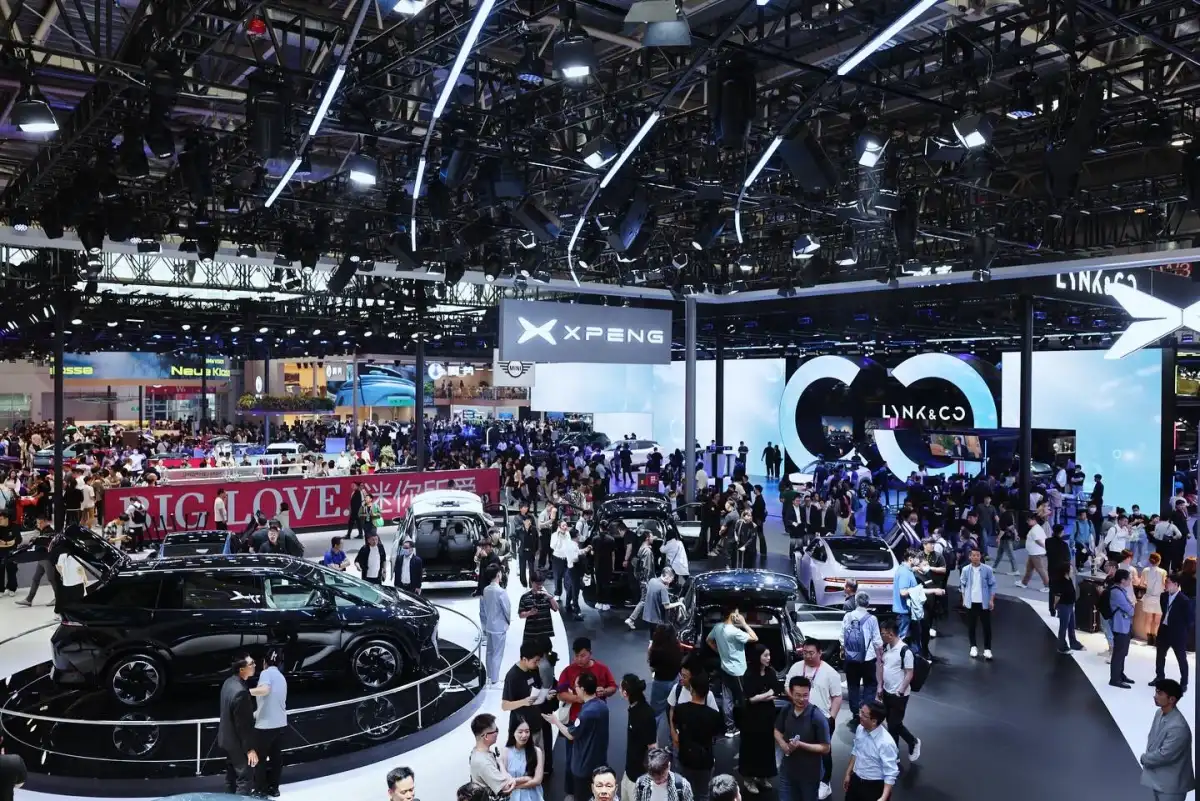
Held over 10 days and spanning an unprecedented 380,000 square meters across two major venues, this year’s show became the largest automotive exhibition ever staged globally. With 1.28 million visitors, 1,451 vehicles on display, and 181 global debuts, the scale alone signals a shift in where the center of gravity in the auto world now lies.
But beyond the numbers, what stood out most was the direction of the industry itself.
Electrification Has Taken Over
If there was any lingering doubt about the dominance of electric vehicles, Beijing 2026 put it to rest.
Nearly 80% of newly unveiled models were new energy vehicles (NEVs), reflecting how deeply electrification has taken root — particularly in China, where EV adoption has already surpassed the halfway mark of total new car sales.
Automakers didn’t just showcase electric cars — they pushed the boundaries of what EVs can do. Next-generation battery technologies promised energy densities exceeding 400 Wh/kg and driving ranges surpassing 1,500 km under testing conditions. Fast-charging capabilities also took center stage, with demonstrations showing vehicles charging from low to near-full in under 15 minutes.
This is no longer about range anxiety, it’s about redefining expectations.
Cars Are Becoming Intelligent Systems
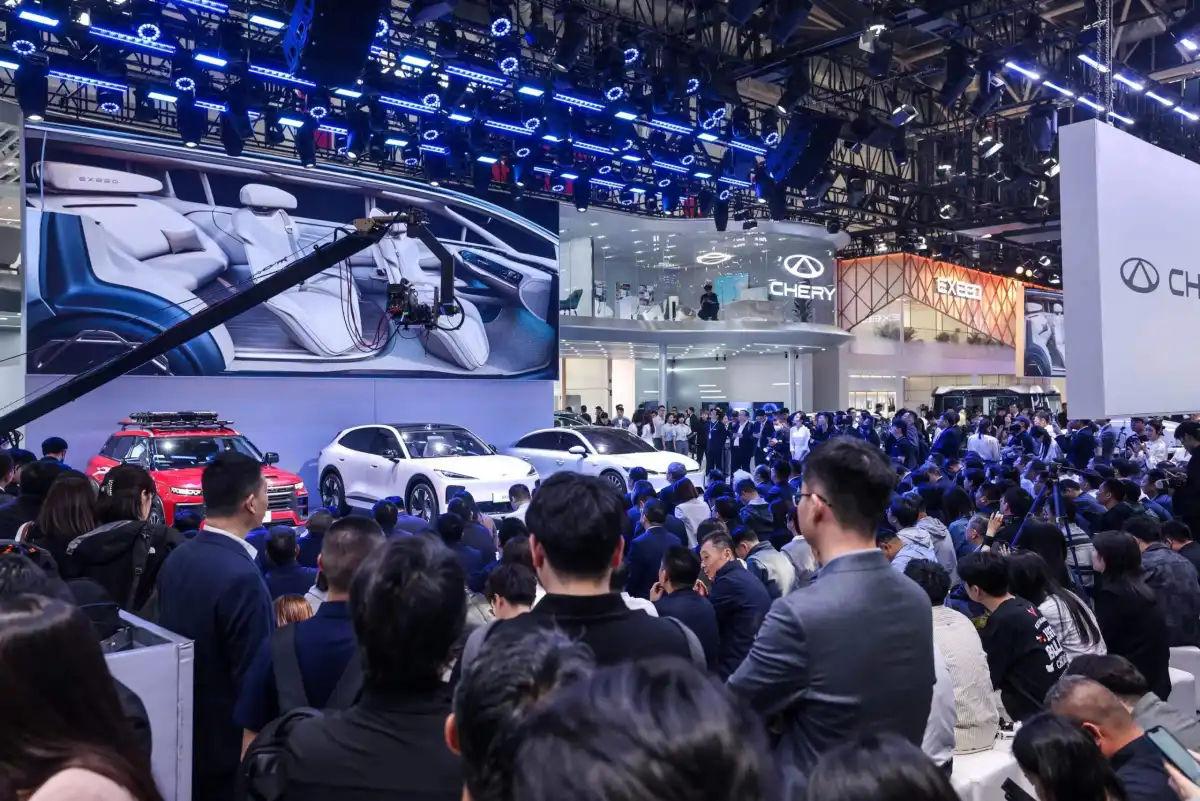
Beyond electrification, intelligence is now the defining battleground.
Across the show floor, vehicles were presented less as machines and more as connected, thinking platforms. Advanced driver-assistance systems, LiDAR integration, and centralized computing architectures were widely featured, particularly in mid- to high-end models.
More notably, the industry is moving toward AI-powered in-car experiences. New systems demonstrated the ability to understand context, remember user preferences, and execute complex commands — hinting at a future where cars act more like intelligent companions than tools.
While fully seamless AI integration is still evolving, the direction is clear: the next competitive edge will come from software, not hardware alone.
A Global Industry, Recentered
The Beijing Auto Show attracted participants from 21 countries, alongside tens of thousands of international visitors and media representatives. Despite global challenges, cross-border collaboration remains strong — but the balance is shifting.
International automakers are no longer simply adapting products for China. Increasingly, they are developing vehicles with China — leveraging local technology ecosystems, supply chains, and partnerships to stay competitive.
At the same time, Chinese automakers are accelerating in the opposite direction: expanding globally with confidence. What was once a domestic-focused industry is now exporting not just vehicles, but technology, platforms, and entire brand ecosystems.
The result is a new global dynamic, one where China is not following trends, but setting them.
Technology Is Redefining Competition
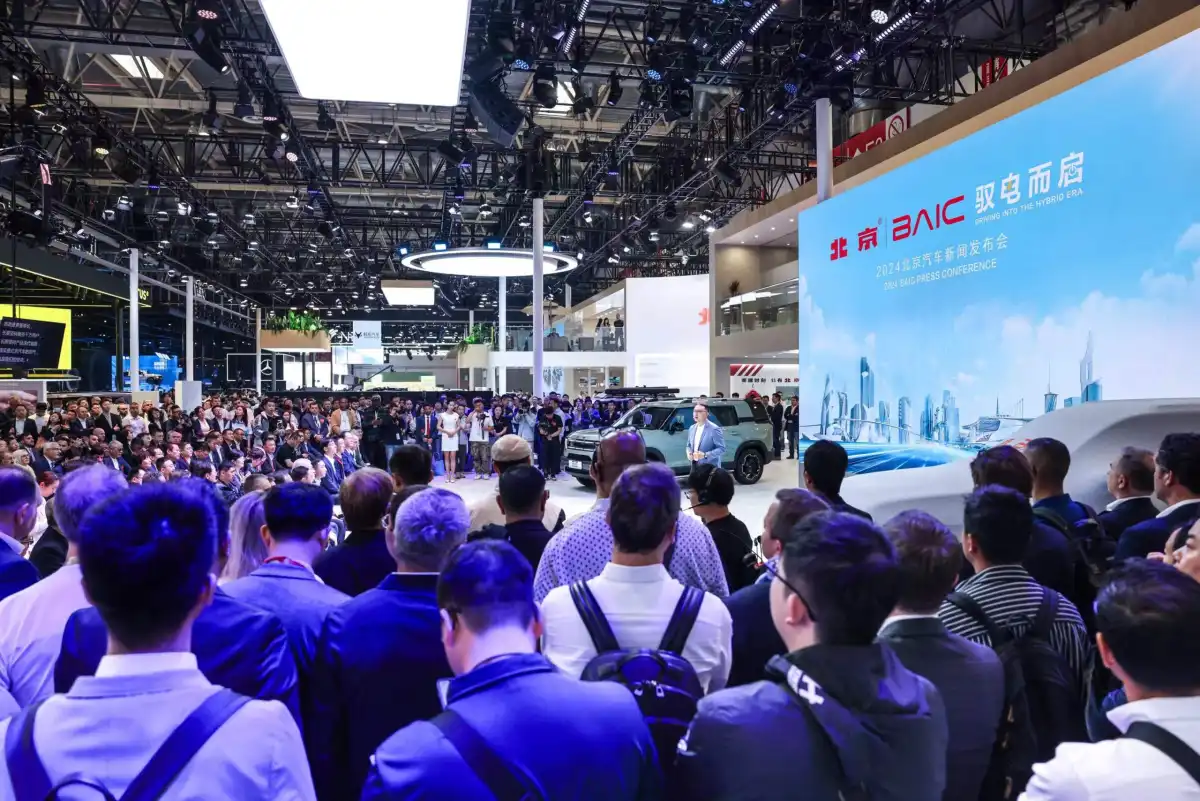
Walking through the exhibition halls felt less like a traditional auto show and more like a technology expo.
Alongside cars were flying vehicle concepts, robotics, advanced chips, and AI-driven systems — all pointing toward a broader vision of mobility that extends beyond transportation.
This shift reflects changing consumer expectations. Innovation, digital experience, and intelligent features are becoming more important than legacy brand value, particularly in the premium segment.
At the same time, the pace of development is accelerating. Multiple manufacturers unveiled flagship vehicles within similar timeframes, a signal of increasing R&D efficiency and industrial maturity, especially among Chinese automakers.
Suppliers Step Into the Spotlight
Another noticeable shift at Beijing 2026 was the rising visibility of suppliers.
Technologies such as autonomous driving systems, battery platforms, and in-car operating systems are no longer hidden behind brand badges. They are becoming key selling points — and the companies behind them are gaining recognition.
This reflects a broader transformation: innovation in the automotive industry is now a shared effort across a deeply integrated ecosystem, rather than being driven solely by car manufacturers.
More Than a Show.. A Signal
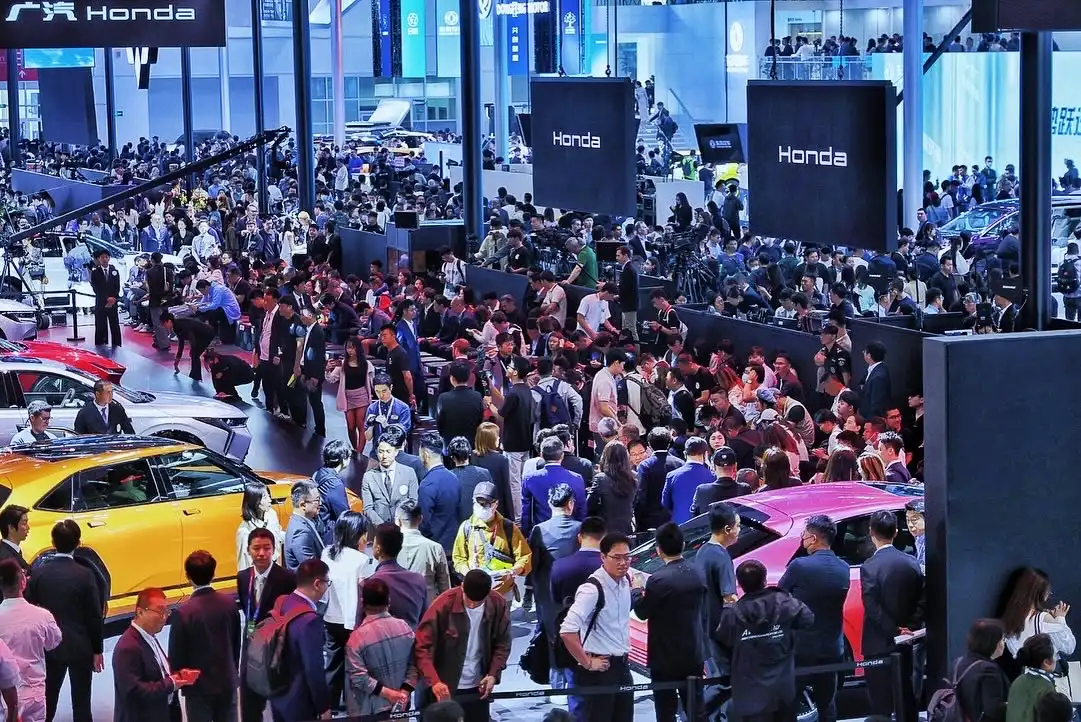
Auto China 2026 was not just about showcasing new models. It was about illustrating a turning point.
The industry is moving toward a future defined by electrification, intelligence, and global realignment. The companies that can combine these elements — speed of innovation, technological depth, and market adaptability, will define the next era of mobility.
And if Beijing made anything clear, it’s this: that future is already taking shape.