

- Battery Recalls at the Heart of the World’s Largest EV Market
- Recall Background: Big Numbers, Bigger Questions
- Why Is Battery Quality Now So Critical in China?
- How Is BYD Addressing the Problem? OTA Updates and Smart Diagnostics
- Previous Recalls: Ongoing Improvements, Not an Isolated Case
- BYD’s Commercial Performance: Strong Sales Despite Headwinds
- What Does This Mean for China’s NEV Industry?
- What About Gulf and Middle East Markets?
- Are Recalls a Sign of Weakness or Maturity?
- What Does This Mean for the Future of Chinese Cars in Our Markets?
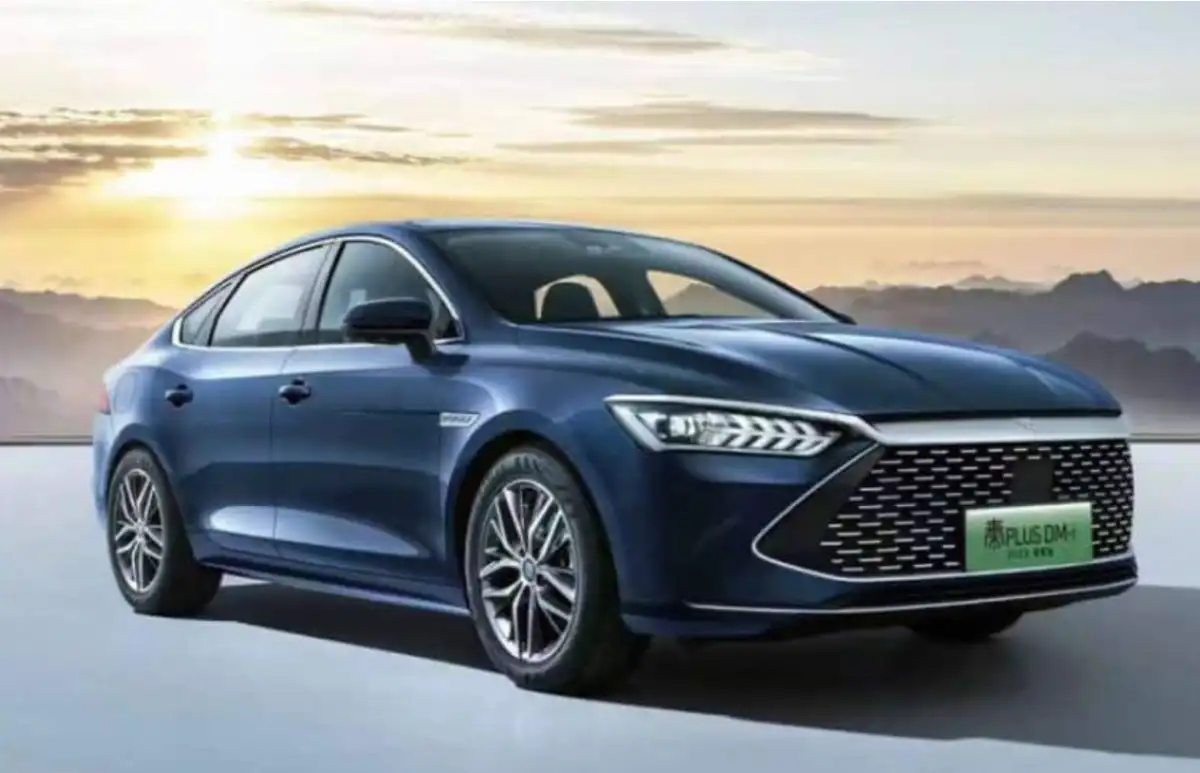
BYD’s recent recall in China of Qin Plus DM-i vehicles opens a critical chapter in the automotive industry: battery quality and safety in the age of EVs and plug-in hybrids. Far from being a passing news item, this development marks a new phase for the new energy vehicle (NEV) sector, where rapid growth alone is no longer enough—rigorous quality control and transparent handling of defects have become essential for survival, both locally and globally.
Battery Recalls at the Heart of the World’s Largest EV Market
For years, China has led the transformation toward electric and hybrid cars, dominating production, sales, and infrastructure. In this landscape, BYD stands out as one of the world’s key players, selling millions annually in its domestic market.
Yet, fast growth in any high-tech industry always brings the real test of quality, and the recent large-scale recalls announced by BYD for batches of the Qin Plus DM-i in China clearly highlight this reality. These recalls put the spotlight on battery reliability, not just as a component but as the heart of any electrified powertrain.
Recall Background: Big Numbers, Bigger Questions
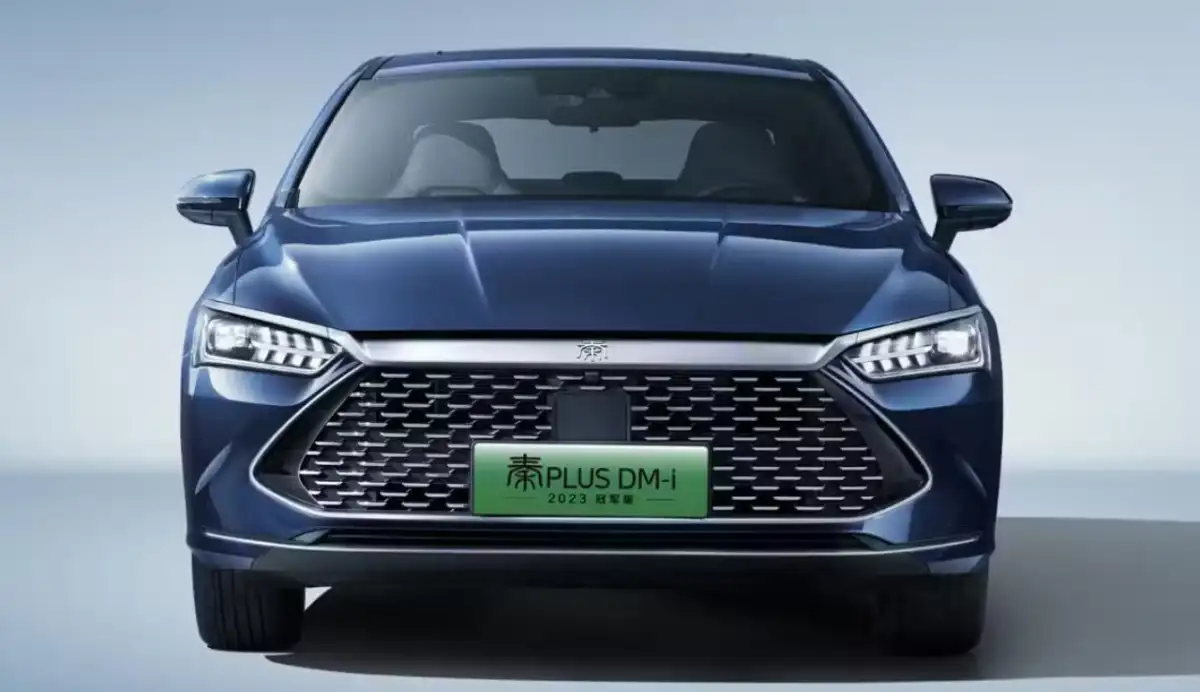
In a single market, recalling tens of thousands of cars is no ordinary event, especially for a popular hybrid sedan like Qin Plus DM-i. The root of the issue—as stated by authorities and BYD—is inconsistency or weakness in battery drive performance for certain production batches, which can lead to power drops and, in some cases, the failure of pure electric driving mode.
While these cases may not be widespread, just the possibility of losing power or experiencing total system shutdown during use is a safety matter that requires official intervention, particularly in a regulated market like China where agencies take potential EV drivetrain flaws very seriously.
Why Is Battery Quality Now So Critical in China?
Several reasons have pushed battery issues to the front of regulatory and media attention in China:
The explosive proliferation of EVs and hybrids across Chinese cities in a very short time, meaning any battery defect can affect large numbers of vehicles at once.
The reputation of Chinese automakers—especially those aiming for expansion abroad—depends directly on battery quality, which is pitched as a unique advantage over competitors.
Authorities have focused on safety standards after reporting scattered incidents of fire and other battery failures, leading to tighter oversight and proactive recall campaigns.
Booming exports to Europe, the Middle East, and Latin America mean any proven defect is instantly scrutinized worldwide, impacting confidence in Chinese products in new markets.
Thus, the battery is no longer just an energy storage unit—it’s a strategic factor that can decide a brand’s future.
How Is BYD Addressing the Problem? OTA Updates and Smart Diagnostics
A notable feature in BYD’s handling of the Qin Plus DM-i recall is the extensive use of software solutions and intelligent diagnostics before resorting to physical battery replacements.
The approach, as outlined by BYD, involves three major steps:
First: Upgrading the battery diagnostic software via over-the-air (OTA) updates to improve monitoring accuracy under all driving conditions.
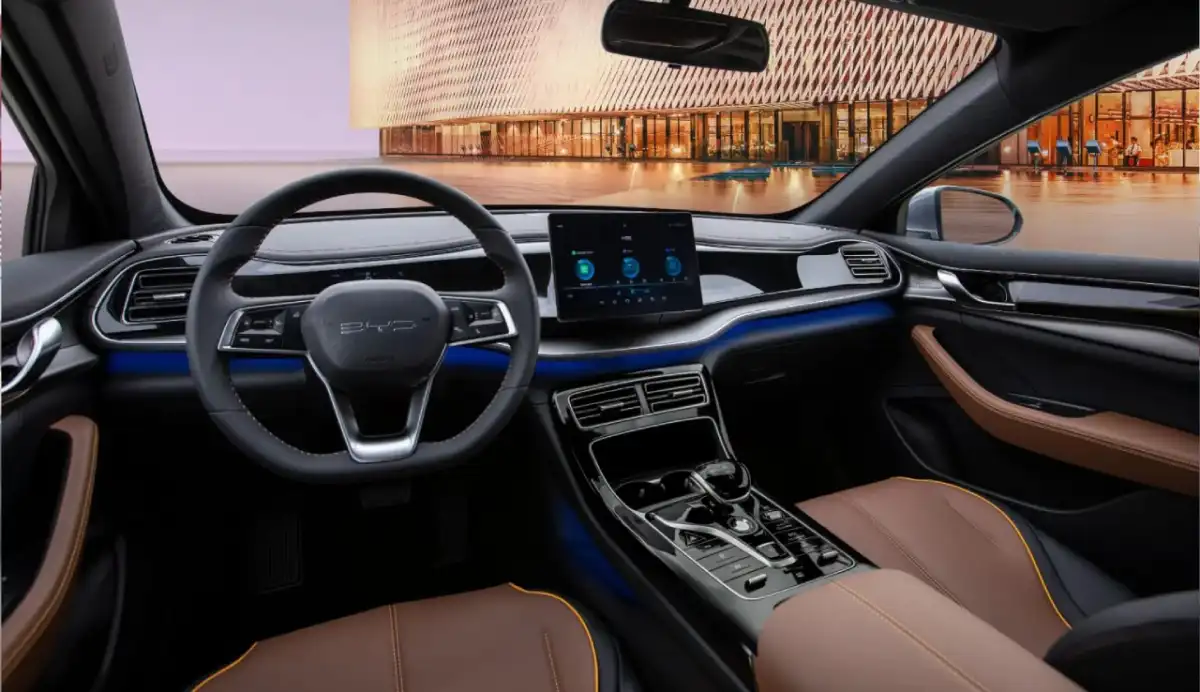
Second: If the system identifies any inconsistency or fault, it alerts the driver with a dedicated battery warning lamp on the dashboard, preventing an undetected issue from developing.
Third: Drivers are directed to certified service centers for thorough battery checks; if a defect is confirmed, the entire battery unit is replaced free of charge.
This method reflects an industry-wide shift in EV/plug-in hybrid management, where manufacturers aren’t relying solely on mass replacement but leverage software connectivity to minimize risk and repair costs.
Previous Recalls: Ongoing Improvements, Not an Isolated Case
The Qin Plus DM-i recall isn’t BYD’s first major action of 2025; it was preceded in October by a large-scale recall of over 100,000 Tang EV and Yuan Pro EV models, addressing issues from powertrain failures to water ingress in battery packs.
Such repeated recalls are sometimes read as a negative, but they can also signal an intensifying “internal clean-up” phase for the industry—old problems are revisited, batches are audited and defects are corrected before they worsen. Crucially, Chinese regulators are leading investigations and requiring automakers to disclose findings and solutions publicly.
BYD’s Commercial Performance: Strong Sales Despite Headwinds
BYD continues to report strong sales numbers in 2025, both in China and overseas, with year-on-year growth in new energy vehicle sales. With so many BYD vehicles on the roads, even non-critical defects show up as large numbers in official data.
Despite battery concerns, there are no clear signs of reduced demand for BYD’s core models—especially the DM-i extended hybrid variants—showing that buyer confidence is holding steady for now, especially as the company delivers transparent, actionable solutions through recalls.
What Does This Mean for China’s NEV Industry?
Several strategic lessons emerge from the BYD Qin Plus DM-i recall (and similar recent actions):
Firstly: The “growth at any cost” era of China’s EV sector is ending, making way for deepened quality control and technological sustainability.
Secondly: We are likely to see more recalls with re-examination of older production batches, especially with regulators taking a more proactive approach.
Thirdly: Large recalls do not necessarily mean a brand’s downfall short-term, but they do increase pressure on manufacturing lines, supply chains, and internal QA to reduce repeat flaws.
Fourthly: Government oversight is evolving from reactive measures to proactive, technical investigations and preventative recall mandates.
These dynamics show that China’s NEV sector is maturing, and battery quality management has become a core benchmark for evaluating brands.
What About Gulf and Middle East Markets?
A key question for readers in our region is: do these recalls affect BYD cars in the Gulf?
Technically, the present recalls in China target specific production batches for the local market, often with specs differing from current imports to the Gulf, which mostly feature later model years and regional adaptations.
In regulated markets like Saudi Arabia and UAE, any proven defect triggers formal recall actions through the Ministry of Commerce or equivalent authorities. Safety defects can’t be swept under the rug; if similar battery issues emerge in Gulf-bound batches, BYD and its agents are required by law to notify and recall affected vehicles for free repair.
Are Recalls a Sign of Weakness or Maturity?
A fundamental question arises: are recurring recalls in China’s EV sector evidence of product weakness, or indicators of industry maturity?
Purely from an industrial angle, well-publicized recalls usually mean the regulatory environment is working and that companies are willing to invest in fixes and protect their reputation long-term. Conversely, “no recalls” in markets with massive fleets doesn’t always mean perfection—it can even signal lack of transparency.
For BYD, current recalls put greater pressure on quality assurance but also give it a chance to prove it can handle complex battery management challenges head-on.
What Does This Mean for the Future of Chinese Cars in Our Markets?
As Chinese vehicles continue to proliferate in Europe, the Middle East and Africa, battery quality and safety will become a key element in purchase decisions. Recalls like those for Qin Plus DM-i serve as benchmarks for how seriously manufacturers treat customer safety and global brand reputation.
If companies—led by BYD—convert recall strategies into opportunities to enhance quality and technology, they will emerge better-prepared for international competition. If the same problems persist without real fixes, they’ll struggle for credibility in mature and reputation-sensitive markets.
BYD’s recall of Qin Plus DM-i vehicles in China is more than a fleeting regulatory incident—it is a mirror for a decisive moment as the electric/plug-in hybrid car industry balances breakneck growth and the need for tighter quality control and customer trust.
For local users, perhaps the key message is that transparent, effective recalls are not necessarily a danger sign; rather, they’re part of what maturity in such a fast-evolving industry really means.