
- From “Headlights” to a Design Language
- Overview of the 2025 Geely Cityray
- Availability in Saudi Arabia: Trims, Warranty and Pricing
- Interactive Front Lighting: The First Impression
- Rear Neon Strip: A Road Signature
- Interior Lighting: 72 Colours to Match the Mood
- Lighting as a Design Identity, Not Just a Marketing Trick
- Cityray’s Position in the Compact Crossover Scene
- Light as a New Automotive Language
From “Headlights” to a Design Language
In the past, lighting in cars was treated as a purely functional element: headlights for visibility, taillights for signalling, and that was it. Today, with the evolution of LED and digital neon technologies, light has become part of the design language itself – a “visual signature” that defines a brand’s identity at first glance.
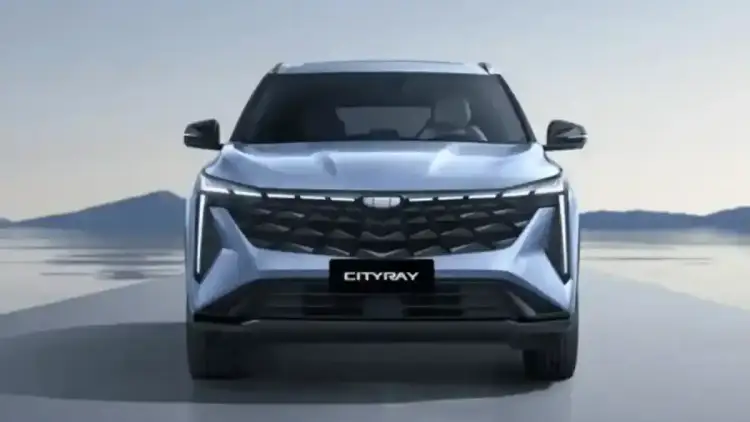
In this context, the 2025 Geely Cityray – available in Saudi Arabia through Geely dealer Al-Wallan Trading – offers a clear example of using lighting as a tool to express the car’s character, whether through interactive illumination at the front, a full-width neon strip at the rear, or ambient lighting inside the cabin.
Overview of the 2025 Geely Cityray
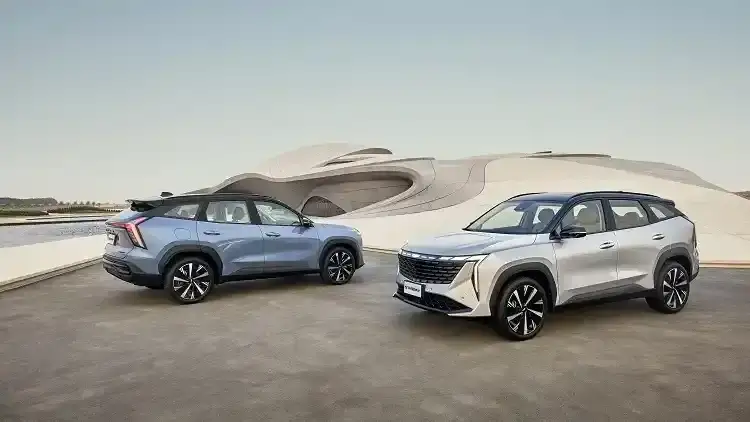
Geely Cityray belongs to the highly competitive compact crossover segment, where buyers are looking for a mix of modern design, practicality and reasonable pricing.
The car was launched globally at the end of 2024 under the name Boyue Cool in the Chinese market, and is built on the advanced BMA 2.0 platform, which also underpins several of Geely’s latest models.
Key technical highlights:
1.5-litre turbo engine with around 172 hp, giving the car suitable performance for daily urban driving and highway use.
7-speed dual-clutch (DCT) transmission, providing quicker response and better fuel efficiency than many traditional gearboxes.
Multi-link rear suspension designed to balance comfort with stability through corners.
High-rigidity body structure using hot-formed steel and boron steel in key areas to enhance safety.
Within Geely’s line-up, Cityray slots between the smaller Geely Coolray and the larger, more upscale Geely Starray, filling an important gap in the youthful compact crossover class.
Availability in Saudi Arabia: Trims, Warranty and Pricing
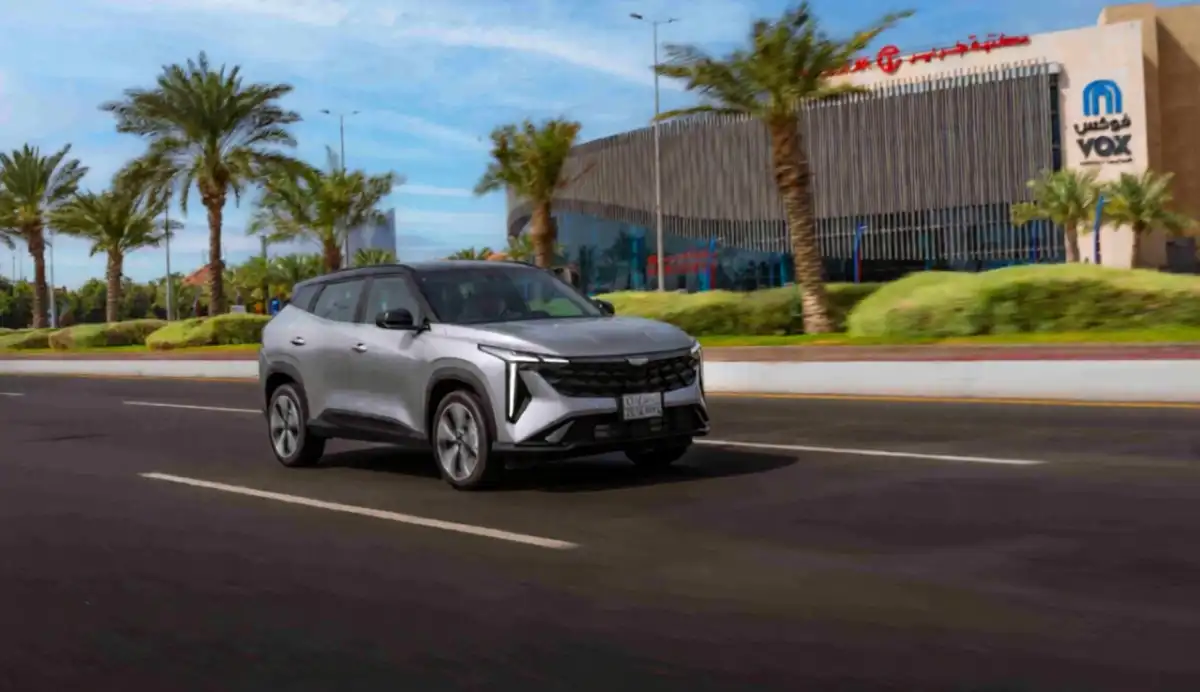
In Saudi Arabia, Geely Cityray is offered through Al-Wallan Trading with a warranty of up to 7 years or 250,000 km – an important reassurance for the young buyers and small families the car targets.
Available trims and approximate prices:
Geely Cityray GC 2025 – around SAR 77,154.
Geely Cityray GK 2025 – around SAR 87,654.
Geely Cityray GF 2025 – the highest trim – around SAR 91,554.
These price points place Cityray in direct competition with a wide range of compact crossovers from Korean, Chinese and Japanese brands. Geely’s bet here is clear: deliver a stronger “visual and tech experience” rather than relying solely on spec sheets.
Interactive Front Lighting: The First Impression
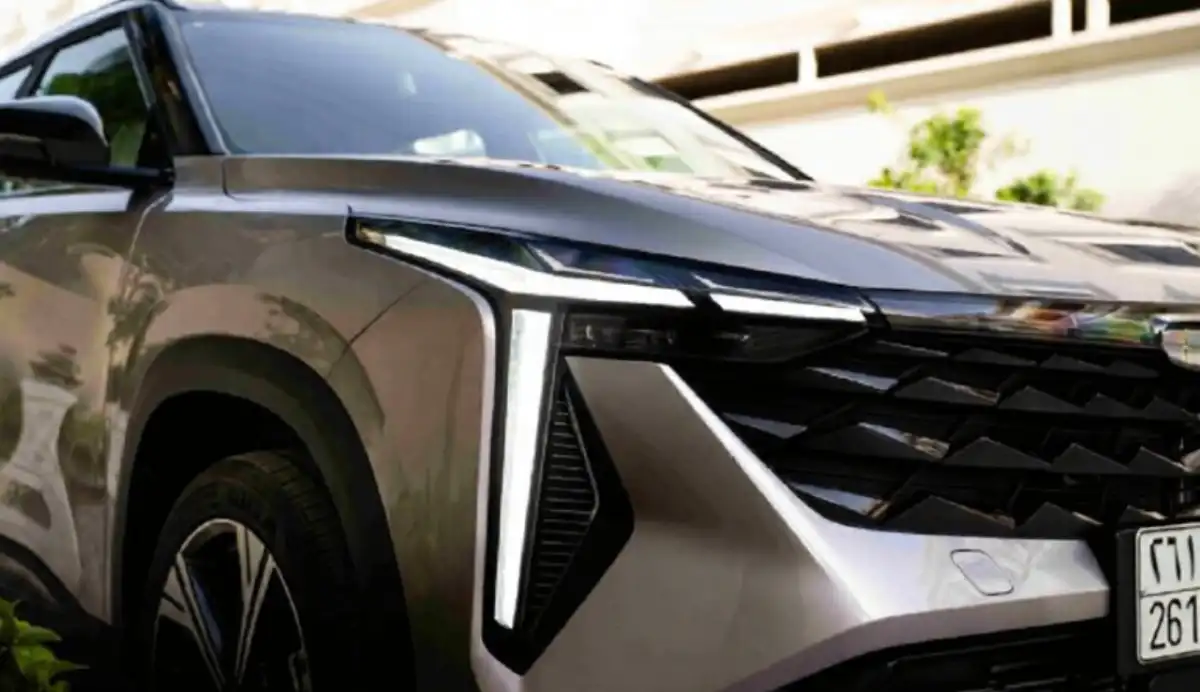
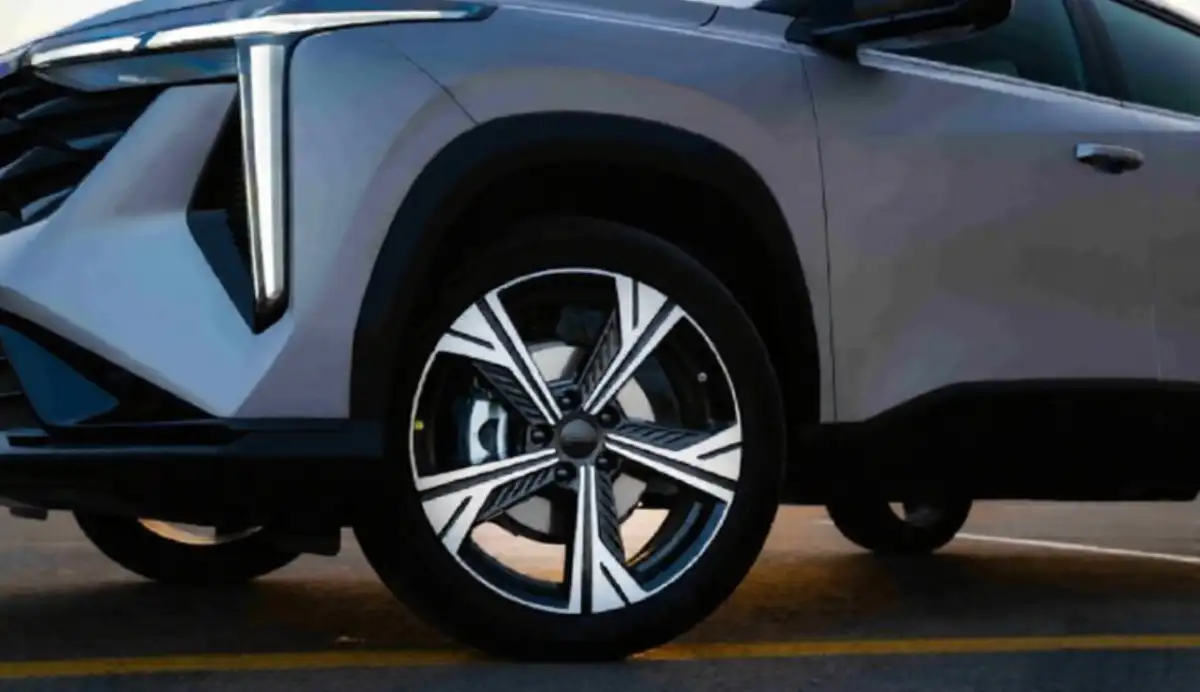
One of Cityray’s standout features is its interactive LED front lighting, which responds to approach and departure. The idea sounds simple, but it has a strong psychological effect on the user experience:
When the driver approaches the car or unlocks it, the front lights pulse or illuminate in a preset pattern, as if the car is “welcoming” its owner.
When walking away or locking the car, the lights shut off in a staged way that adds a subtle, almost theatrical feel.
This is more than a visual gimmick; it brings practical benefits as well:
Better visibility around the car when getting in or out, especially in poorly lit car parks or residential streets.
A stronger sense of safety, because the area around the vehicle is briefly illuminated, making obstacles or people easier to spot.
In this way, the front lighting becomes part of a silent “conversation” between car and driver, going well beyond traditional on/off headlights.
Rear Neon Strip: A Road Signature
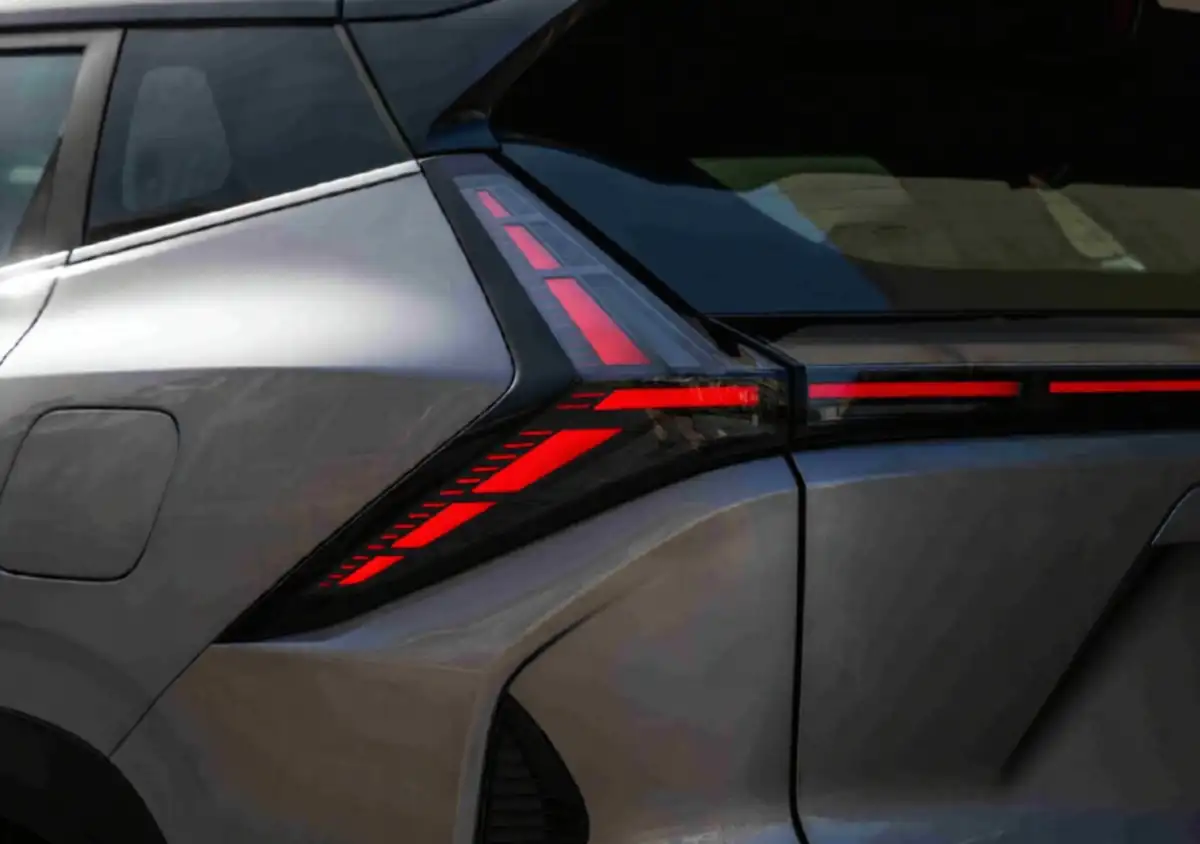
At the rear, Cityray stands out with a digital neon light strip that spans the full width of the car and integrates with the main taillights and high-mounted stop lamp. This strip serves several purposes:
It gives the car a strong visual presence on the road, making it easy to recognise from behind both day and night.
It visually widens the car and makes it appear more planted, a known design trick used by many automakers to increase apparent stability and stance.
It works in concert with turn signals and warning lights to create dynamic visual effects that make the driver’s intentions clearer to following traffic.
In a market where full-width rear light bars have become a trend across European, Korean and Chinese brands, Geely uses Cityray to deliver a cohesive execution where the strip is more than just decorative – it plays a functional role as well.
Interior Lighting: 72 Colours to Match the Mood
The lighting story in Cityray continues inside the cabin, where the car offers multi-colour ambient lighting – up to 72 different colours – that the driver can choose from depending on their taste or mood.
The importance of this ambient lighting goes beyond showmanship:
It helps create an interior identity that feels different from more basic cabins, giving a vibe closer to higher-end models.
Colours can be linked to driving moods or situations – for example, calming tones for long journeys or more energetic colours for night-time city driving.
When integrated with the dashboard design, air vents and infotainment screen, the ambient lighting enhances perceived quality and reinforces the overall cabin design.
By connecting the interior ambient lighting with the exterior signature lights, Cityray delivers a unified visual language that clearly targets buyers who care about tech and modern styling, not just mechanical specs.
Lighting as a Design Identity, Not Just a Marketing Trick
It’s easy to dismiss such features as mere “marketing tricks” aimed at a generation in love with visual effects. But in Cityray, the approach can be read more deeply:
Geely is using lighting to establish a repeatable design identity – a signature that can be recognised from afar even before you see the badge.
The interaction between exterior and interior lighting builds a complete experience, from the moment you walk towards the car to the moment you sit down and start driving.
This visual language helps Geely stand out in a crowded segment where many cars share similar mechanical layouts and equipment levels, making “look and feel” a real differentiator in the purchase decision.
In other words, light becomes a design tool that gives the car personality and helps the brand carve out a unique space in the market.
Cityray’s Position in the Compact Crossover Scene
Within its segment, Cityray competes against multiple Korean, Chinese and Japanese crossovers that offer turbo engines, large screens and driver-assistance systems. The difference Geely is pushing lies here:
A youthful exterior design language with a clear focus on lighting as a brand signature.
A tech-forward cabin that uses ambient lighting, screens and trim to create a modern impression.
A relatively long warranty package in the Saudi market, plus pricing that sits in the “upper mid” band of the compact crossover class.
Taken together, Cityray looks like a strong option for buyers who want a practical car for city and highway use but also want it to reflect their visual and tech-savvy personality.
Light as a New Automotive Language
The 2025 Geely Cityray is not the first car to use lighting as a design highlight, but it is one of the models that tries to turn light into a complete language: used to welcome, to define width and stance, to shape interior mood and to sign a recognisable identity.
In an era where customers often judge a car from its first “visual impression” on Instagram or TikTok before reading about power or boot space, Geely’s decision to bet on lighting as a core design identity for Cityray seems logical – and could well be one of the main reasons the car succeeds in grabbing attention amid a crowded compact crossover field in Saudi Arabia and the wider region.