

- BYD Seal vs Tesla Model 3: Performance & Tech Scorecard
- BYD Seal
- Acceleration & Handling vs Model 3
- Infotainment & Software Comparison
- Range & Charging Comparison
- Value Scorecard
- Pros & Cons
- Frequently Asked Questions
- Verdict
BYD Seal vs Tesla Model 3: Performance & Tech Scorecard
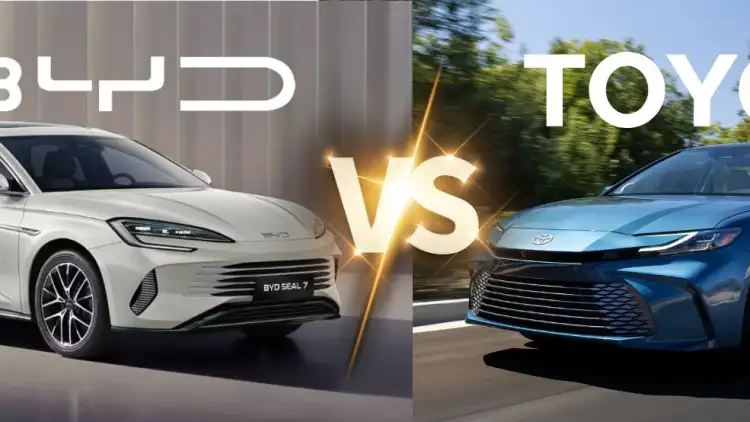
The BYD Seal was built to take the fight directly to the Tesla Model 3, and on paper the numbers are remarkably close. Both are sleek electric saloons with dual-motor performance variants, sub-4-second 0-100 km/h times and 500+ km of range. This scorecard pits the Seal against the Model 3 across the categories that matter to UAE buyers, acceleration and handling, infotainment and software, range and charging, and overall value, to see whether BYD's challenger can genuinely match the benchmark.
Updated August 2026.
| Model | Body Style | Starting Price | Best For |
|---|---|---|---|
| BYD Seal | Sedan | 149,900 AED | Buyers who want Tesla-rivaling performance and range at a sharper price. |
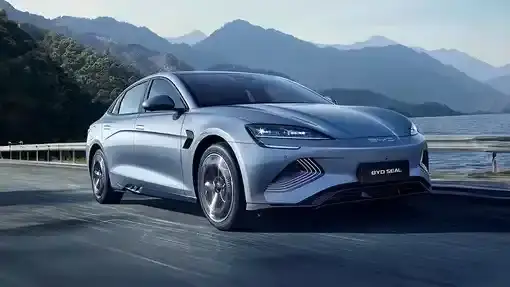
BYD Seal
Starting Price: 149,900 AED
Body Style: Sedan
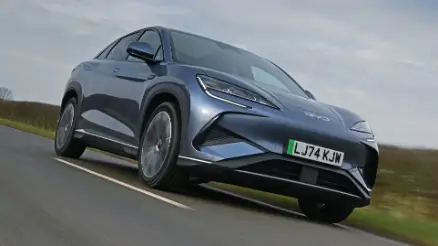
A sleek electric sedan with dual motors producing 523 hp and a 0-100 km/h time of 3.8 seconds. The 82.5 kWh Blade Battery delivers up to 570 km of range and is tested at 50 degrees Celsius for Gulf summers, making it a genuine Tesla rival.
Key Highlights
- Dual motors with 523 hp and 3.8s 0-100 km/h
- 82.5 kWh Blade Battery with up to 570 km range
- Heat-stable LFP battery tested at 50C
- L2 ADAS and 15.6-inch rotating screen
- 8-year / 160,000 km battery warranty
Best for: Buyers who want Tesla-rivaling performance and range at a sharper price.
Acceleration & Handling vs Model 3
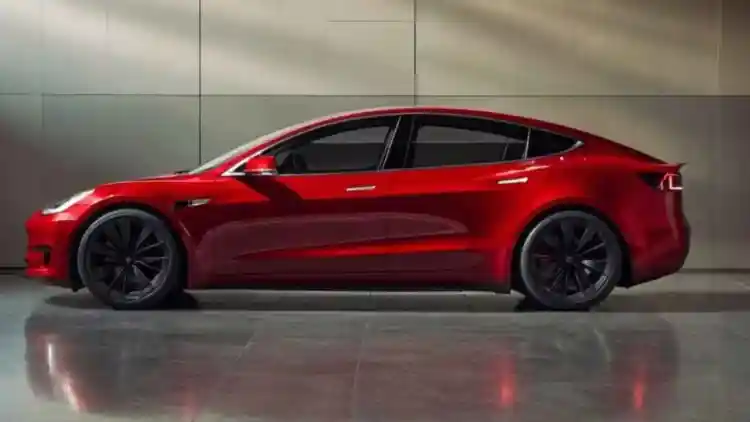
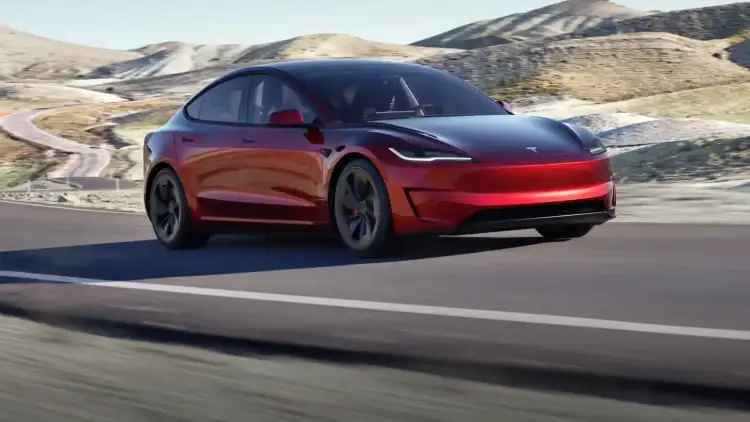
The dual-motor Seal delivers 523 hp and a 0-100 km/h sprint of 3.8 seconds, which lands it squarely against the Model 3 Performance. In real-world testing the Seal's launch is violent but composed, with all-wheel-drive traction keeping wheelslip in check on warm tarmac. The Model 3 Performance remains marginally quicker off the line, but the gap is smaller than the price difference would suggest.
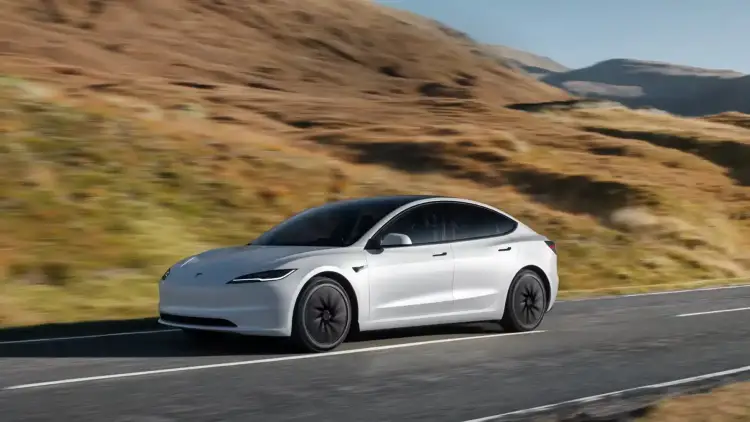
Handling is where the philosophies diverge. The Model 3's stiffer, lower-sprung chassis feels sharper and more communicate through fast corners, while the Seal prioritises a slightly more compliant ride tuned for comfort. Both feel planted at highway speeds, but buyers who value back-road engagement still lean Tesla, while those who want a grand tourer prefer the Seal.
Infotainment & Software Comparison
Tesla's software ecosystem remains the class benchmark: navigation, streaming, games and over-the-air updates are polished and deeply integrated. The Seal counters with a 15.6-inch rotating touchscreen supporting wireless Apple CarPlay and Android Auto, which Tesla still does not offer natively, a genuine plus for buyers who want their phone ecosystem mirrored.
Where BYD trails is app breadth and the smoothness of its native interface, which can feel a generation behind Tesla's in responsiveness and visual polish. The Seal's rotating screen is a useful gimmick for map and video views, but Tesla wins on software maturity and the frequency of meaningful OTA updates.
Range & Charging Comparison
The Seal's 82.5 kWh Blade Battery delivers up to 570 km of WLTP range, broadly matching the Model 3 Long Range. In UAE summer conditions both lose ground to AC use, but the Seal's heat-stable LFP chemistry holds up well in sustained high temperatures. Real-world usable range sits around 450-500 km for both cars in mixed Gulf driving.
Charging is Tesla's clear advantage. The Model 3 accesses the mature Supercharger network with plug-and-charge simplicity, while the Seal relies on the growing but more fragmented public CCS2 network. The Seal's 30-80% DC top-up is competitive on speed, but the charging experience itself is smoother and more reliable on Tesla's network.
Value Scorecard
At 149,900 AED the dual-motor Seal undercuts a comparably specified Model 3 Performance by a significant margin while delivering near-identical straight-line pace and matching range. That price advantage is the Seal's strongest single argument, especially before options are layered on.
Tally the scorecard and Tesla still wins on software and charging ecosystem, the Seal wins on price, phone integration and heat-stable battery chemistry, and the two draw on performance and range. For value-focused buyers who do not need the Supercharger network, the Seal is the most credible Model 3 alternative yet to reach the UAE.
Pros & Cons
Pros
- 523 hp and 3.8s 0-100 km/h match the Model 3 Performance for far less money
- Wireless Apple CarPlay and Android Auto, which Tesla still lacks natively
- LFP Blade Battery is more heat-stable for Gulf-summer longevity
- Up to 570 km WLTP range rivals the Model 3 Long Range
Cons
- Native infotainment software is less polished than Tesla's ecosystem
- Relies on fragmented public CCS2 charging rather than the Supercharger network
- Ride prioritises comfort over the sharp handling engagement of the Model 3
| Specification | Detail |
|---|---|
| Price | 149,900 AED |
| Body Style | Sedan |
| Powertrain | Electric Sedan |
| Power | 523 hp |
| Range / Fuel Economy | 570 km (WLTP) |
| Boot Space | 400 L |
| Warranty | 8 yr / 160,000 km |
| Key Competitor | Tesla Model 3 |
| Best For | Buyers who want Tesla-rivaling performance and range at a sharper price. |
Frequently Asked Questions
Is the BYD Seal faster than Tesla Model 3?
The dual-motor Seal hits 100 km/h in 3.8 seconds with 523 hp, which is almost identical to the Model 3 Performance. The Model 3 remains marginally quicker off the line, but the real-world gap is small and the Seal costs significantly less.
Which has better range, Seal or Model 3?
They are closely matched. The Seal delivers up to 570 km WLTP from its 82.5 kWh Blade Battery, broadly matching the Model 3 Long Range. In UAE summer both lose some range to AC use, but the Seal's heat-stable LFP chemistry holds up well in sustained high temperatures.
Is the Seal's infotainment as good as Tesla's?
Not quite. The Seal offers a 15.6-inch rotating screen with wireless Apple CarPlay and Android Auto, which Tesla lacks, but Tesla's native software is smoother, more polished and updated more frequently via OTA. The Seal wins on phone integration, Tesla wins on ecosystem maturity.
Verdict
The BYD Seal is the first Chinese electric sedan that can stand on the same stage as the Model 3 without apology. It matches Tesla on performance and range, beats it on price and phone integration, and only really trails on software polish and charging-network convenience. For UAE buyers who value value and heat-stable chemistry over the Supercharger ecosystem, the Seal is the most convincing Model 3 rival on sale.


.png?x-oss-process=image/format,webp/interlace,1/quality,q_70/resize,w_750)