
- Introduction: The Growing GCC Market for EVs
- Price Comparison Between BYD and Tesla
- Comparing Performance and Technology
- Charging Infrastructure in the GCC
- A Look at Sustainability
- Final Thoughts for GCC Drivers
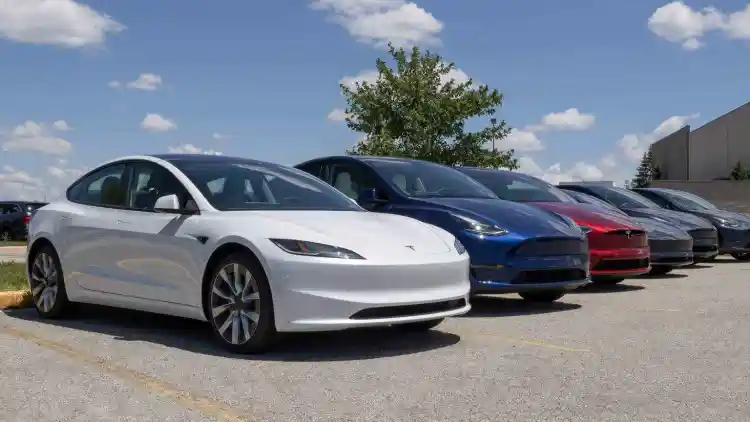
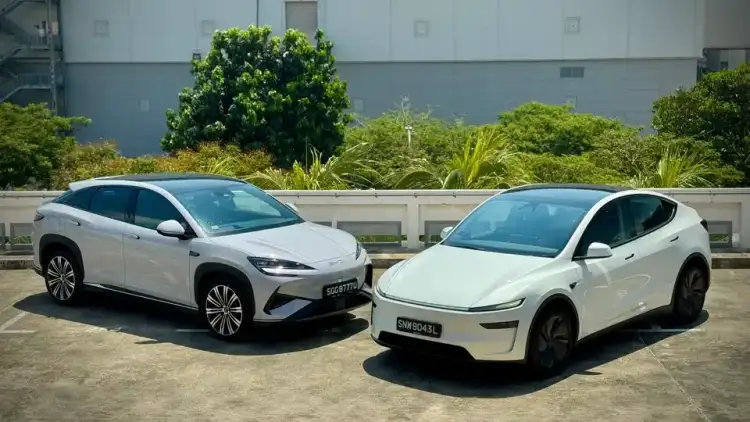
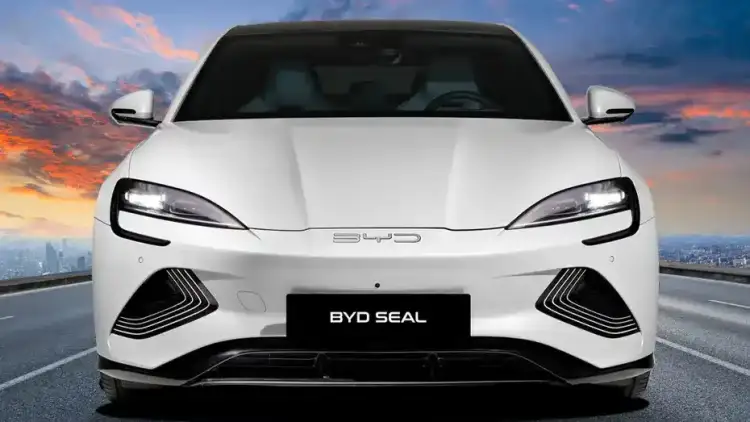
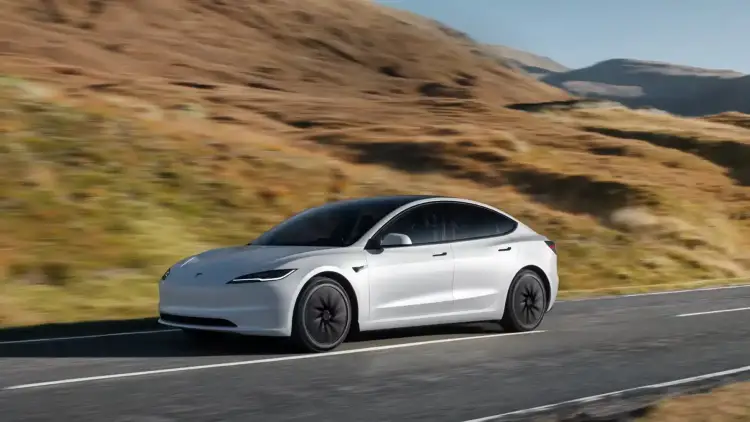
Electric vehicles are gaining momentum in the GCC region, with BYDEgypt BYDUAE BYDKSA BYDBahrain BYDKuwait BYDOman BYDQatar BYD and TeslaUAE TeslaBahrain TeslaEgypt TeslaKSA TeslaKuwait TeslaOman TeslaQatar Tesla emerging as top contenders. Which of these brands truly meets GCC drivers' needs? Let's explore all key aspects, from affordability to advanced features, to help you choose between these two electric giants.

Introduction: The Growing GCC Market for EVs
The demand for electric vehicles in the GCC countries, including UAE, Saudi Arabia, and Qatar, is increasingly shaping the regional automotive market. Underpinning this trend are national drives towards renewable energy, government-backed incentives, and a growing awareness of eco-friendly alternatives. Companies like BYD and Tesla aim to capitalize on these opportunities, offering a compelling blend of convenience, technology, and sustainability for diverse consumer needs. But which one is best suited to the unique driving conditions of this region? Keep reading to find out.

Price Comparison Between BYD and Tesla
Cost considerations are often at the heart of any purchase decision, and in the GCC, where the market spans diverse consumer preferences, affordability versus luxury becomes particularly interesting.
BYD Pricing Insights
Initial Costs: BYD models tend to start at significantly lower price ranges compared to Tesla, making them an attractive option for those venturing into the EV market for the first time.
Model Range: With offerings that include sedans and SUVs, BYD caters to families and individuals with diverse needs.
Typical Prices: In GCC markets, the average price for a BYD sedan or SUV can hover around AED 80,000–120,000/SAR 80,000–120,000, appealing to budget-conscious buyers.
Tesla Pricing Insights
Premium Offering: Tesla vehicles reflect a commitment to high-end features, superior build quality, and cutting-edge design. This explains their premium pricing.
Tax Breaks: For those purchasing Teslas in the GCC, EV tax incentives can reduce import fees, although these incentives vary by country.
Typical Prices: Depending on the model, Tesla prices generally start at AED 220,000–250,000/SAR 220,000–250,000 and go upwards, catering to luxury enthusiasts.
Decision Point: BYD is ideal for those on a budget or looking for an everyday commute solution. On the other hand, Tesla appeals more to consumers who seek luxury and state-of-the-art technology.

Comparing Performance and Technology
Performance matters in the GCC region, where prolonged commutes and extreme weather challenge even the best vehicles. Electric car buyers often prioritize battery range, ease of driving, and temperature resilience.
Battery Range and Longevity
BYD: Featuring lithium iron phosphate batteries, BYD vehicles promise realistic ranges between 300–500 km, making them suitable for both urban and intercity travels.
Tesla: Tesla goes further in range, offering up to 600 km in some models supported by industry-leading battery technology.
Adapting to GCC Heat
BYD: Thermal management systems help BYD cars handle hot climates effectively, though performance may slightly vary during peak summer temperatures.
Tesla: Tesla’s advanced cooling technologies and optimized battery management ensure reliability, even under extreme heat.
Driving Assistance Features
BYD: Semi-autonomous functionalities, including lane-keeping and adaptive cruise control, are standard in most models.
Tesla: Known for groundbreaking Full Self-Driving (FSD), Tesla vehicles are equipped to tackle various traffic scenarios. The software-only improves through updates.
Final Note: Tesla clearly comes ahead in technology and range. However, BYD is practical for buyers prioritizing affordable adaptability in regional conditions.
Charging Infrastructure in the GCC
A well-developed charging ecosystem is essential for every EV owner. GCC markets present uneven availability, making compatibility and flexibility key.
BYD Charging Options
Public Charging Compatibility: BYD vehicles can use most charging stations across the GCC, although proprietary fast chargers are limited.
Home Charging: While slower than Tesla’s superchargers, they provide a dependable alternative for daily usage.
Tesla’s Charging Network
Superchargers: Tesla has rapidly expanded its supercharger network across GCC countries, providing fast and accessible charging stations.
Universal Adapters: Tesla's hardware ensures compatibility with third-party chargers if required.
Bottom Line: While BYD is functional and adaptable, Tesla stands out for its exceptional network and infrastructure investments.
A Look at Sustainability
GCC consumers focus on eco-friendliness as a core value with EVs. Tesla and BYD take different routes to reduce carbon footprints.
BYD’s Sustainability Goals
BYD aims to lead the EV market by producing recyclable batteries and employing efficient manufacturing protocols. Its focus on mass affordability means making environmentally responsible vehicles accessible to the middle class.
Tesla’s Green Path
Tesla emphasizes a holistic green lifestyle, offering solutions like solar energy storage along with electric mobility. Energy efficiencies across the entire product range are unmatched and contribute to its leadership on sustainable innovation.
Insight: Tesla’s comprehensive ecosystem approach aligns with premium sustainability goals, while BYD’s practical affordability paves the way for wider adoption in emerging markets.
Final Thoughts for GCC Drivers
The choice between BYD and Tesla depends heavily on what you value more. For everyday driving needs, BYD’s affordability and reliability in tough climates make it a smartUAE Smart pick. Tesla’s unmatched battery range, futuristic tech, and improved infrastructure earn it top marks for innovation enthusiasts. GCC customers should assess their commuting needs and prioritize factors like price, features, and charging accessibility before making a decision.
FAQ Section
Which is more budget-friendly in the GCC market—BYD or Tesla?
BYD is the more affordable choice, offering quality electric cars to those on a tight budget. Tesla serves a higher-end market, delivering luxury and advanced features.
Is Tesla accessible for long-distance travel in GCC countries?
Yes, Tesla’s supercharger stations are widely distributed across major GCC cities and provide unmatched convenience for long trips.
How does BYD perform in intense Gulf heat?
BYD’s thermal management systems are designed to maintain performance even in extreme temperatures, although Tesla’s technology may be slightly more effective.
Does Tesla outpace BYD in range capabilities?
Absolutely. Tesla vehicles can exceed the 500 km mark easily, while BYD models max out around 300–500 km depending on specific features.
Are both brands eligible for local EV tax benefits?
In some GCC nations, such as the UAE and Saudi Arabia, BYD and Tesla can both qualify for EV-centric tax cuts. It's important for buyers to check specific country policies prior to purchase.
Read More:
What Age Can You Drive in UAE? Everything You Need to Know