

- What Advertising Does Not Tell You
- Fact One: Home Charging Is the Foundation, Not Fast Charging
- Fact Two: Fast Charging Is Not Always Battery-Friendly
- Fact Three: Heat Directly Impacts Charging and Range
- Fact Four: Planning Matters More Than Range
- Fact Five: Charging Costs Are Lower, But Not Zero
- Are Electric Vehicles for Everyone?
- Charging Is Not a Problem, It Is a New Lifestyle
What Advertising Does Not Tell You
Electric vehicles are often marketed as a perfect solution to fuel costs, emissions, and running expenses. However, behind the polished image lies a set of practical realities many first-time EV owners do not anticipate. Charging an electric car is not just about plugging in a cable; it is an entire ecosystem that affects daily routines, travel planning, and overall mobility habits.
This article aims to reset expectations through five essential facts about EV charging, particularly relevant in environments like Saudi Arabia, where distances are long and temperatures are high.
Fact One: Home Charging Is the Foundation, Not Fast Charging
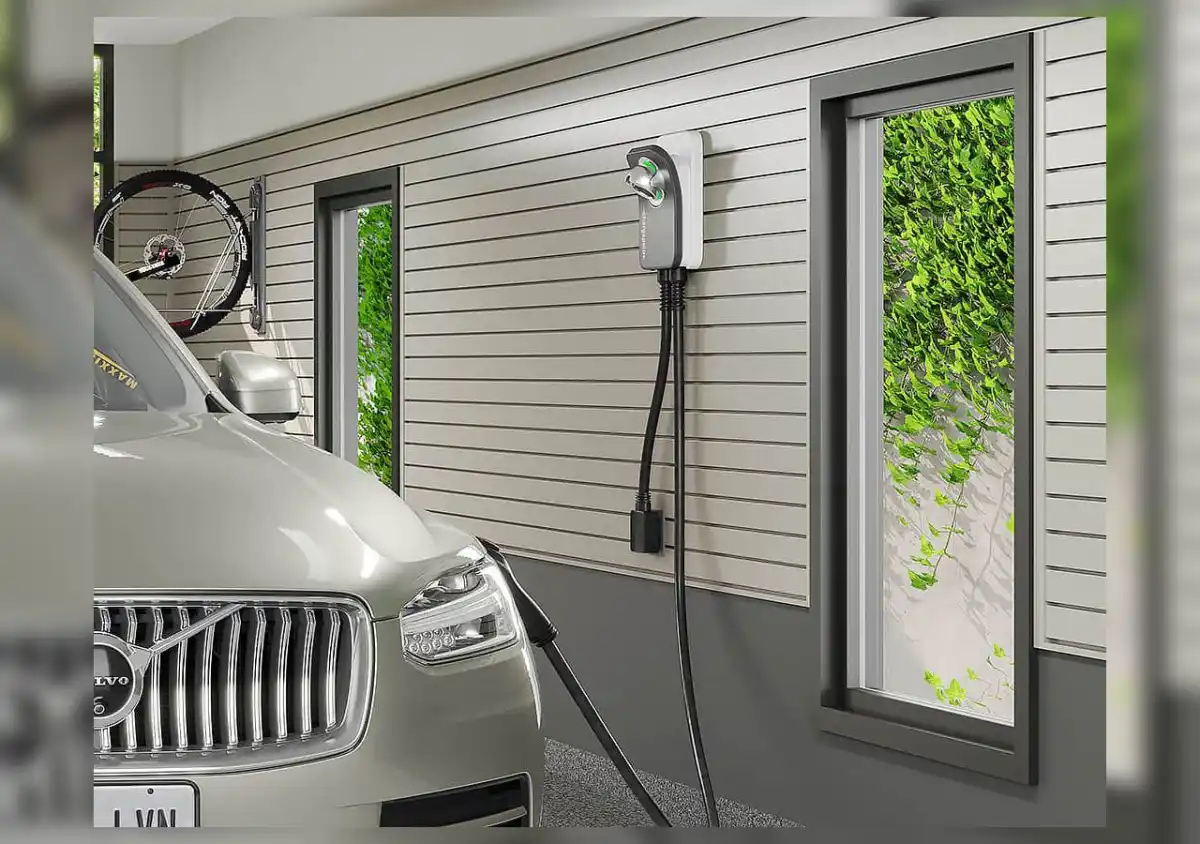
Contrary to popular belief, more than 80 percent of EV owners rely primarily on home charging. Fast chargers are designed for long trips or emergencies, not everyday use.
Home charging offers greater convenience, lower cost per kilometer, and consistent usage patterns.
Charging Type Comparison
Charging Type | Location | Charging Time | Ideal Use |
|---|---|---|---|
Home charging (AC) | Home | 6–10 hours | Daily use |
Public slow charging | Public parking | 4–8 hours | During work |
Fast charging (DC) | Highways | 20–40 minutes | Long trips |
Without home charging, EV ownership becomes far less flexible.
Fact Two: Fast Charging Is Not Always Battery-Friendly
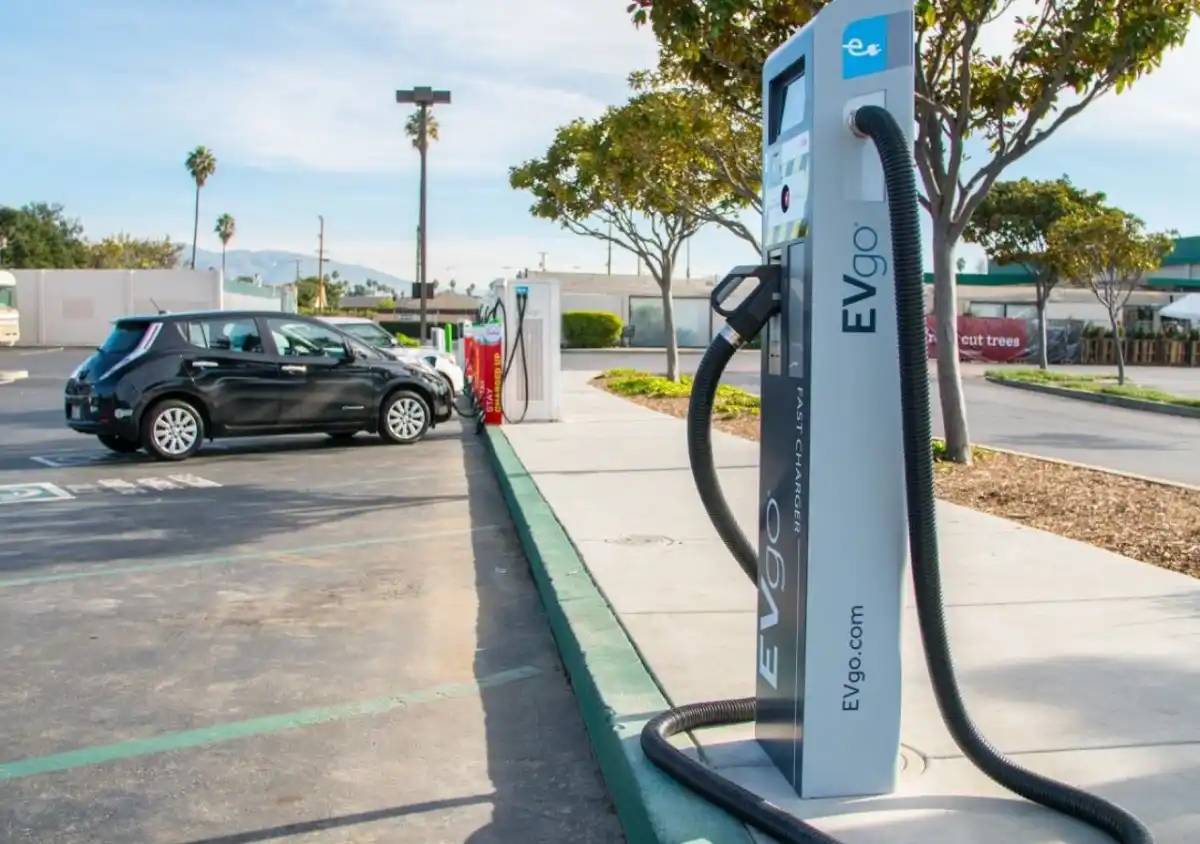
While highly useful, frequent reliance on fast charging can affect long-term battery health. Batteries prefer steady, slower charging cycles.
Manufacturers generally recommend:
Using fast charging only when necessary
Keeping battery levels between 20 percent and 80 percent
Avoiding frequent full charges except for travel
These habits preserve both battery lifespan and efficiency.
Fact Three: Heat Directly Impacts Charging and Range
In hot climates, temperature significantly influences charging speed, battery efficiency, and real-world driving range.
Modern EVs use thermal management systems to protect the battery, but this can result in reduced charging speeds and additional energy consumption for cooling.
As a result, advertised range figures may differ from real-world performance during summer months.
Fact Four: Planning Matters More Than Range
With electric vehicles, the key question shifts from “How far can it go?” to “Where and when will I charge?”. Proper trip planning is essential for a stress-free experience.
Planning includes knowing charger locations, estimating stop durations, and selecting suitable routes.
Navigation systems and mobile apps have made this easier, but planning remains a core part of EV ownership.
Fact Five: Charging Costs Are Lower, But Not Zero
While EV charging is cheaper than fueling a gasoline car, it is not free. Costs depend on charging method, electricity tariffs, and driving behavior.
Approximate Cost Comparison
Vehicle Type | Cost per 100 km (Approx.) |
|---|---|
Gasoline car | High |
Hybrid car | Medium |
Electric car | Low |
The real savings become apparent over long-term ownership.
Are Electric Vehicles for Everyone?
The answer is not universally yes. EVs are ideal for drivers who commute within cities, have access to home charging, and plan their trips.
They may be less suitable for drivers who frequently travel long distances, lack fixed charging access, or prefer not to adapt their driving habits.
Charging Is Not a Problem, It Is a New Lifestyle
EV charging is not an obstacle, but rather a shift in mindset. Those who understand and adapt to these realities enjoy a smoother and more economical experience. Those expecting a traditional driving model without behavioral changes may face unnecessary frustration.