
- When Three Letters Become a Philosophy
- What Does N Stand For? More Than Performance
- From Gasoline to Electricity: A Calculated Transition
- Preserving Driver Engagement in Electric Performance Cars
- N Vision 74: A Concept That Speaks Volumes
- What the Future of N Means for Saudi Arabia
- Past vs Future: A Performance Comparison
- Is N Losing Its Identity?
- Korean Performance Enters a New Chapter
When Three Letters Become a Philosophy
The Hyundai N badge is no longer just a performance emblem placed on more powerful versions of standard cars. Over a short period, it has evolved into a complete engineering philosophy reflecting Hyundai’s vision for high-performance vehicles. This vision is not built on numbers alone, but on driver engagement and the ability to balance daily usability with genuine driving enjoyment.
At a time when most manufacturers are moving quietly toward electrification, Hyundai N aims to prove that electric power does not signal the end of excitement, but rather the beginning of a new interpretation.
What Does N Stand For? More Than Performance
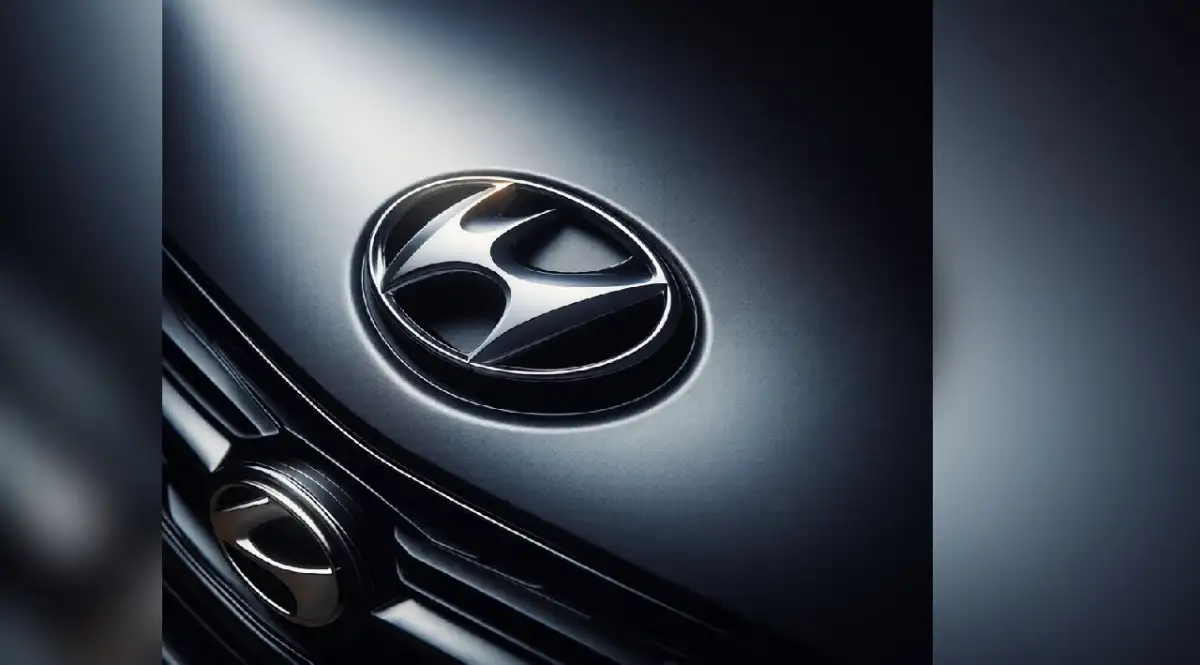
The letter N represents Namyang, Hyundai’s primary R&D center in South Korea, and Nürburgring, the legendary German circuit where performance testing takes place. This dual meaning defines the brand’s core identity: cars developed for everyday roads and refined on racetracks.
The N philosophy is built on three pillars, delivering vehicles that are thrilling on track, confident on public roads, and practical enough for daily use.
From Gasoline to Electricity: A Calculated Transition
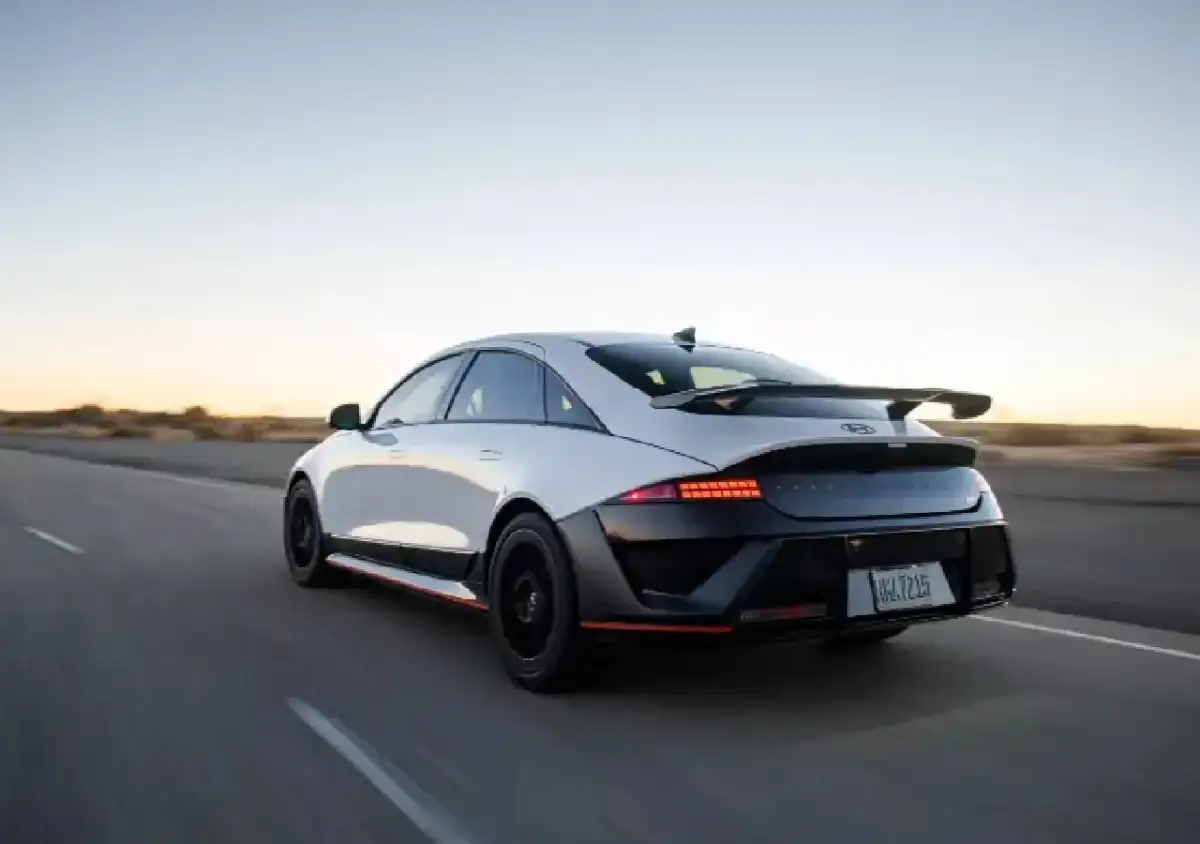
Hyundai N’s journey began with gasoline-powered performance models such as the i30 N and Veloster N. Today, the brand is entering a historic phase by introducing high-performance electric vehicles like the Ioniq 5 N.
This shift is not a simple engine replacement, but a complete rethinking of what performance means in a modern context.
Preserving Driver Engagement in Electric Performance Cars
One of the biggest challenges facing electric performance vehicles is the absence of mechanical sound and tactile feedback. Hyundai N addresses this through innovative solutions designed to recreate emotional engagement.
Simulated gear-shifting systems, advanced sound engineering, track-focused suspension tuning, and intelligent torque distribution all work together to rebuild the connection between driver and machine.
N Vision 74: A Concept That Speaks Volumes
The Hyundai N Vision 74 concept stands as a powerful statement of intent. More than a futuristic design exercise, it signals Hyundai’s commitment to high-performance vehicles powered by advanced technologies, including hydrogen and next-generation electric systems.
For enthusiasts, it reaffirmed that passion still has a place in Hyundai’s future.
What the Future of N Means for Saudi Arabia
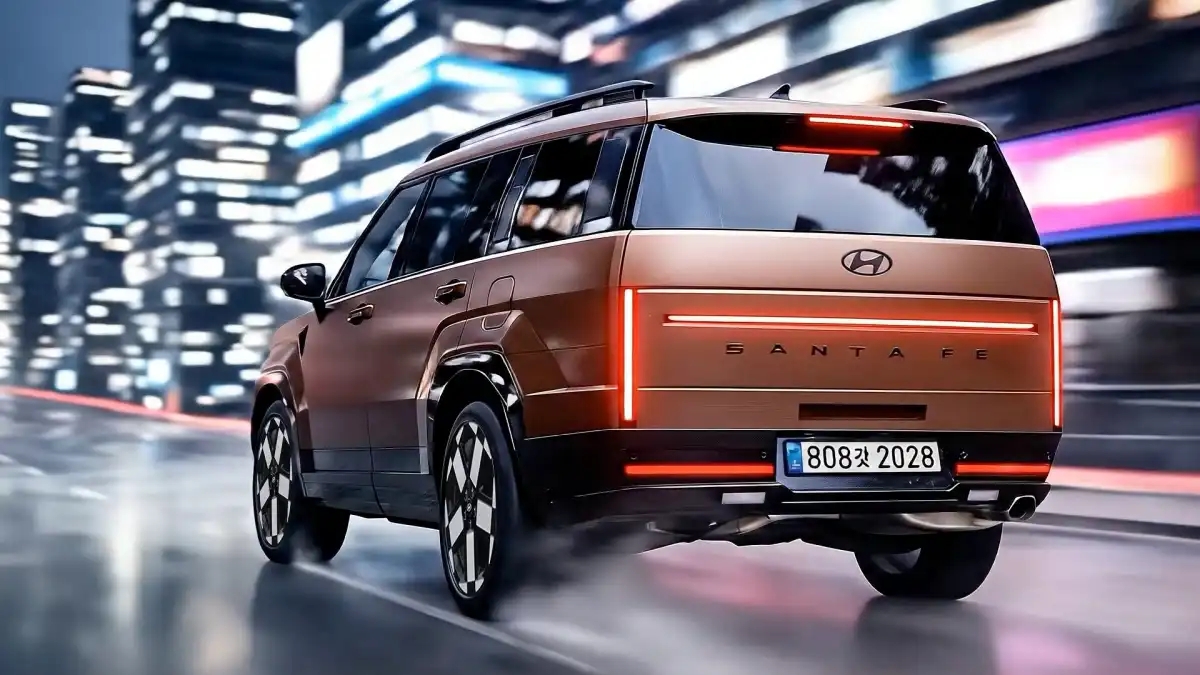
The Saudi market is defined by drivers who value power, everyday usability, and long-term reliability. Hyundai N aligns naturally with these expectations, offering strong performance without sacrificing comfort or practicality.
As charging infrastructure continues to expand, high-performance electric N models are becoming increasingly viable for local buyers.
Past vs Future: A Performance Comparison
Aspect | Traditional N | Electric N |
|---|---|---|
Power source | Gasoline | Electric / Hybrid |
Sound | Mechanical | Engineered simulation |
Driving feel | Direct | Re-engineered |
Acceleration | Strong | Instant |
Philosophy | Pure sport | Intelligent performance |
Is N Losing Its Identity?
The key question remains whether Hyundai N risks losing its soul in the electric era. Current evidence suggests the opposite. Rather than abandoning its identity, Hyundai is reshaping it, focusing on engagement, control, and driver confidence.
Korean Performance Enters a New Chapter
The future of Hyundai N is neither a nostalgic retreat nor blind technological enthusiasm. It is a calculated balance between emotional driving, regulatory realities, and technological advancement.
In achieving this balance, Hyundai N may emerge as one of the most compelling performance brands of the coming decade.