

- Why Hidden Door Handles Became Popular
- What Triggered China’s Regulatory Action
- Key Details of the New Chinese Rule
- Why Safety Takes Priority Over Design
- Comparison Table: Door Handle Designs and Safety
- Which Vehicles and Brands Are Affected
- Could This Influence Global Car Design?
- Industry and Consumer Reactions
- The Bigger Picture: Function Over Form
In a decision that could reshape global car design trends, Chinese regulators have announced plans to ban hidden and retractable door handles on new vehicles sold in the country. Beginning January 1, 2027, all newly approved passenger vehicles in China will be required to feature visible, mechanically operable door handles that can be opened manually from both inside and outside the car.
At first glance, the issue may appear trivial. Door handles are among the most basic automotive components, often overlooked by consumers focused on battery range, software features, or autonomous driving systems. Yet regulators argue that this small design element has become a critical safety concern, particularly in emergencies involving electric vehicles.
The proposed rule reflects a broader regulatory shift: as vehicles become more technologically complex, governments are reassessing whether design trends driven by aesthetics and aerodynamics are compromising fundamental safety and accessibility.
Why Hidden Door Handles Became Popular
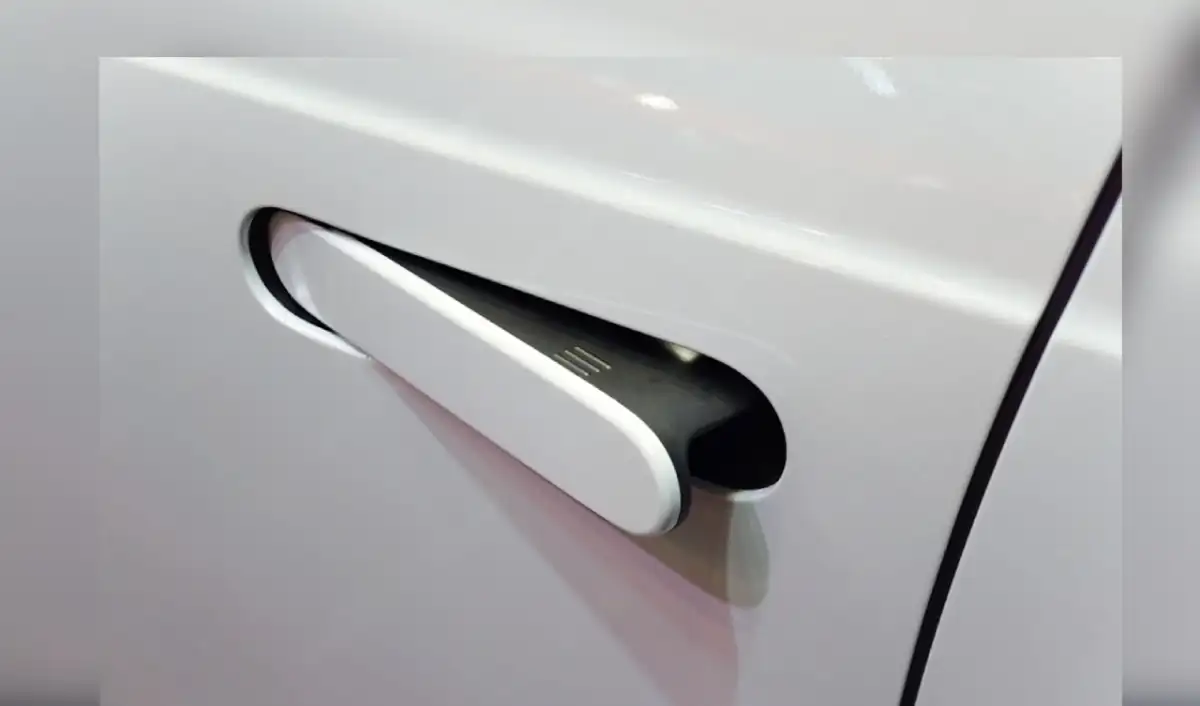
Hidden or flush door handles have surged in popularity over the past decade, especially among electric vehicles. Automakers promoted them as symbols of innovation, modernity, and efficiency.
The main reasons for their adoption include:
Improved aerodynamics, reducing drag and marginally increasing driving range
Cleaner exterior design, aligning with futuristic styling trends
Integration with keyless entry systems and proximity sensors
Brands such as Tesla, BYD, NIO, and XPeng widely adopted retractable or flush handles, making them a defining feature of modern EV design.
However, what looked elegant in marketing images proved far less reliable in real-world emergency scenarios.
What Triggered China’s Regulatory Action
Chinese authorities did not move toward a ban arbitrarily. The decision followed:
Reports from first responders unable to open doors after crashes
Incidents where power loss disabled electronic door mechanisms
Cold-weather failures where retractable handles froze in place
Confusion among passengers unfamiliar with non-mechanical exits
In several documented cases, emergency crews were forced to break windows to rescue occupants because door handles could not be accessed or operated quickly enough.
From a regulatory perspective, this raised a serious red flag: any safety-critical function that depends on electrical power is a potential failure point.
Key Details of the New Chinese Rule
Under the proposed regulation issued by China’s Ministry of Industry and Information Technology, the following requirements will apply:
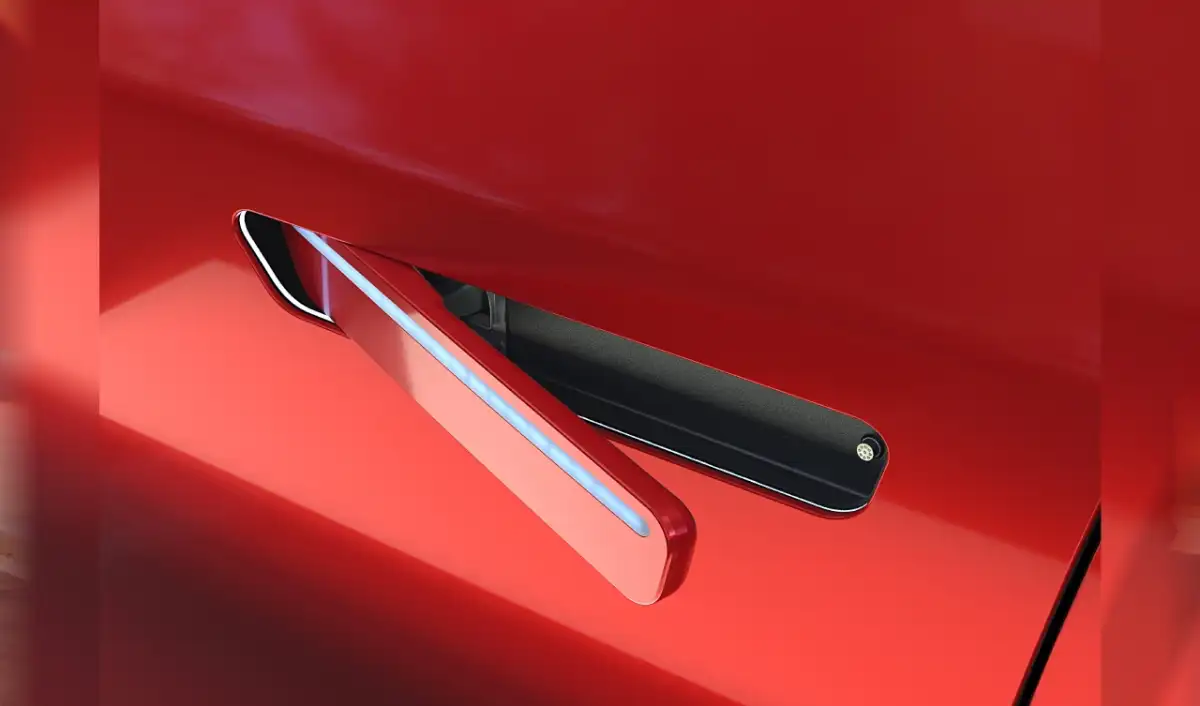
Hidden, flush, or fully retractable exterior door handles will be banned on newly approved vehicles
Vehicles under 3.5 tons must feature purely mechanical door-opening mechanisms
Exterior handles must allow direct hand access without reliance on motors or sensors
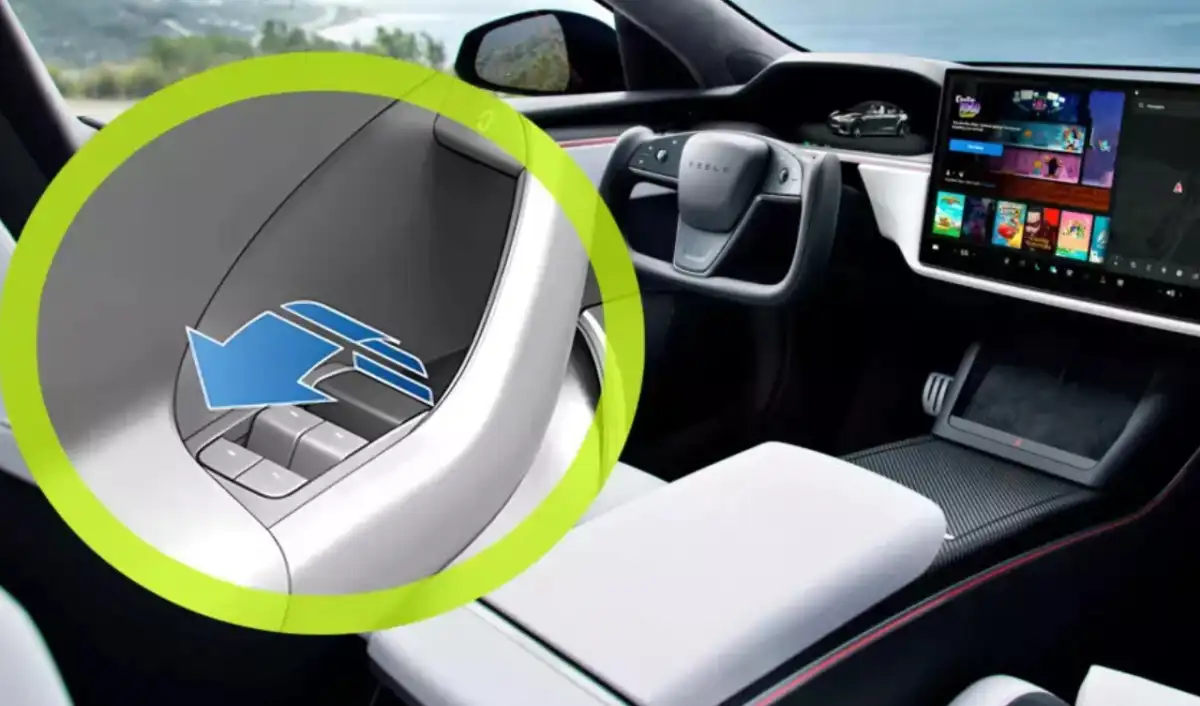
Interior emergency release instructions must be clearly labeled and intuitive
Previously approved models will receive a transition period until 2029 to comply
The regulation prioritizes manual operability, ensuring doors can be opened even if the vehicle loses all electrical power.
Why Safety Takes Priority Over Design
Regulators emphasize that door handles are not cosmetic features. They are primary escape mechanisms.
In emergencies such as:
High-speed collisions
Fires involving battery packs
Submersion or structural deformation
Total electrical failure
Seconds matter. A door handle that fails to deploy or requires unfamiliar gestures can cost lives.
Chinese authorities argue that while aerodynamic gains from flush handles are measurable, they are negligible compared to the safety risks introduced when doors cannot be opened reliably.
Comparison Table: Door Handle Designs and Safety
Door Handle Type | Design Appeal | Emergency Reliability | Dependence on Power | Regulatory Risk |
|---|---|---|---|---|
Fully hidden / retractable | Very high | Low | High | Very high |
Semi-flush mechanical | Medium | Medium | Partial | Moderate |
Traditional mechanical | Low | High | None | Low |
Mechanical with emergency override | Medium | Very high | None | Very low |
This comparison highlights why regulators are moving decisively toward simple, fail-safe solutions.
Which Vehicles and Brands Are Affected
The rule will affect a wide range of vehicles currently sold or planned for the Chinese market, including:
Electric sedans and SUVs using retractable handles
Premium and luxury EVs emphasizing minimalistic design
Future models already engineered around flush-handle platforms
Manufacturers may now face costly redesigns, including:
Reengineering door structures
Adjusting body panels
Re-certifying safety systems
For global automakers, the implications extend far beyond China.
Could This Influence Global Car Design?
China is the world’s largest EV market, and its regulatory decisions often shape global automotive trends. Analysts believe this move could:
Encourage automakers to standardize mechanical handles globally
Influence European and North American safety regulators
Shift design priorities away from aesthetics toward usability
Spark renewed debate about over-digitization in vehicles
Just as touchscreen overload has come under scrutiny, door handles are now part of a broader conversation about human-centered design.

Industry and Consumer Reactions
Consumer Perspective
Many consumers welcome the change, especially families and older drivers who:
Prefer intuitive, familiar controls
Worry about being trapped during accidents
Distrust fully electronic systems
Manufacturer Perspective
Automakers, on the other hand, face challenges:
Increased production costs
Loss of distinctive design elements
Potential delays in upcoming model launches
Nevertheless, some engineers privately acknowledge that design trends may have gone too far.
The Bigger Picture: Function Over Form
This regulation signals a deeper shift in automotive philosophy. As vehicles become rolling computers, regulators are drawing clear boundaries between:
Features that may fail gracefully
Features that must never fail
Door handles fall firmly into the latter category.
China’s decision suggests that future vehicle design will be judged not only by innovation and efficiency, but by how reliably a human can interact with the car under stress.
China’s plan to ban hidden and retractable door handles represents more than a design correction—it is a reassertion of safety fundamentals in an era of rapid technological change.
By mandating visible, mechanical door handles, regulators are sending a clear message: innovation must never compromise the ability to escape, rescue, or survive. As electric vehicles continue to evolve, this seemingly small rule may trigger one of the most significant design reversals the modern auto industry has seen.
What began as a stylistic trend may soon be remembered as a cautionary tale—proof that sometimes, the simplest solutions are the safest.