
- Chinese Car Brands Are Entering a New Phase in the UAE
- The Old Image Is Changing
- BYD Is Building a Full New-Energy Ladder
- NIO and ZEEKR Raise the Premium Question
- XPENG Brings the Smart-Car Angle
- The UAE Buyer Is Becoming More Demanding
- Why This Matters Now
- The Bottom Line
Chinese Car Brands Are Entering a New Phase in the UAE
Chinese car brands in the UAE are moving into a more mature phase. For years, their strongest argument was simple: more features for less money. That formula still matters, but it is no longer enough to explain what is happening in the market.
In 2026, brands such as BYDEgypt BYDUAE BYDKSA BYDBahrain BYDKuwait BYDOman BYDQatar BYD, NIOBahrain NioEgypt NioKSA NioKuwait NioOman NioQatar NioUAE Nio, XPENGKSA XpengUAE XpengBahrain XpengEgypt XpengKuwait XpengOman XpengQatar Xpeng and ZEEKR are no longer presenting themselves only as affordable alternatives. They are entering the conversation around electric performance, plug-in hybrid range, smart-driving systems, premium cabin design and advanced battery technology. Recent UAE-focused coverage also reflects this shift, describing Chinese brands as competitors to European and Japanese manufacturers in quality, features and price, rather than only low-cost options.
The Old Image Is Changing
The old stereotype around Chinese cars was built around low pricing, heavy equipment lists and uncertain long-term confidence. That image is becoming outdated, especially in the UAE, where Chinese brands are now arriving with more serious product strategies and stronger local partners.
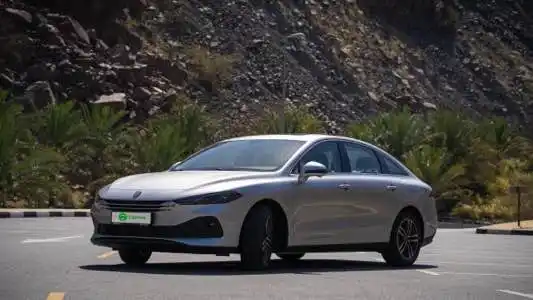
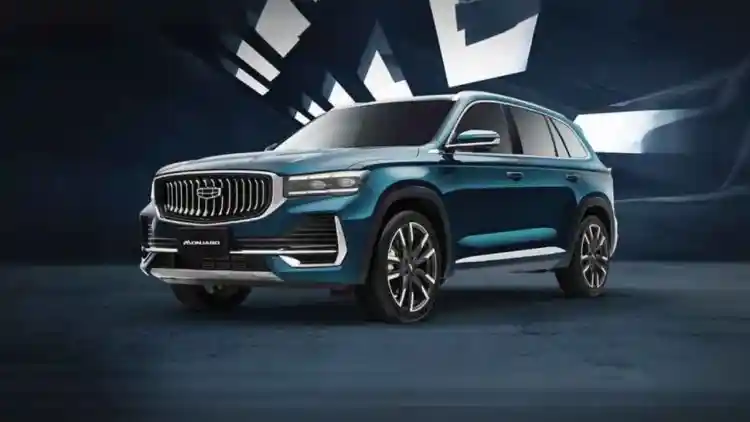
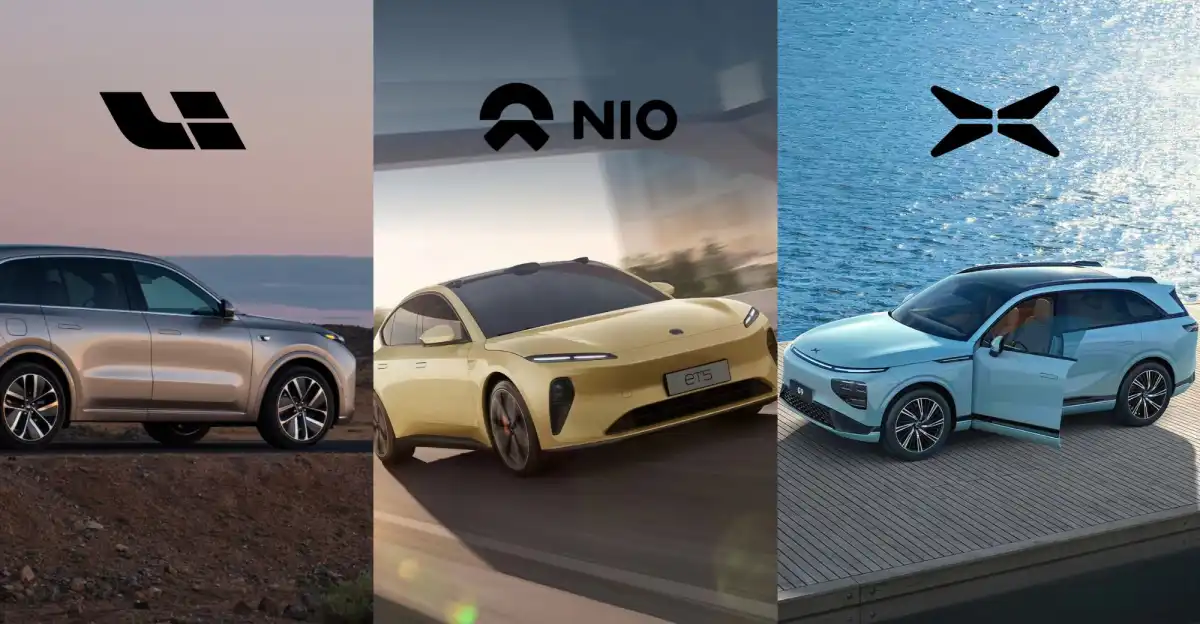
BYD is pushing new-energy vehicles with a broad UAE line-up that includes fully electric and Super Hybrid models such as the Sealion 7, ATTO 8, Song Plus, Shark 6, Seal 7, Han and Qin Plus. NIO is positioning itself in the premium electric SUV space, with the EL8 listed in the UAE from AED 359,900 including VAT and battery. XPENG is targeting tech-focused EV buyers with models such as the G6 Pro and G9 Pro, while ZEEKR is promoting its UAE range around premium electric performance, including the 7X and the upcoming 9X.
BYD Is Building a Full New-Energy Ladder
BYD’s advantage in the UAE is not based on one model. The brand is building a full new-energy ladder, from electric sedans and SUVs to Super Hybrid family cars and even a plug-in hybrid pickup.
That matters because UAE buyers do not all want the same type of electrification. Some are ready for a full EV. Others want the fuel-saving benefits of a hybrid without depending completely on charging. BYD is trying to cover both groups, which gives it a stronger position than brands that rely only on traditional petrol cars or only on fully electric vehicles.
The brand’s UAE range shows this clearly. The ATTO 8 is presented as a Super Hybrid family car, the Shark 6 brings hybrid technology into the pickup segment, and models like the Han and Sealion 7 target customers looking for a more premium electric experience.
NIO and ZEEKR Raise the Premium Question
The more interesting shift is happening at the premium end. Chinese brands are no longer avoiding luxury buyers. They are going after them directly.
NIO’s EL8 is positioned as a flagship premium electric SUV with 33 integrated cameras and sensors, making technology a central part of its identity. ZEEKR is also pushing a premium EV image in the UAE, with its official local page promoting the 7X and taking pre-orders for the ZEEKR 9X.
This changes the competitive landscape. Chinese brands are not only challenging mainstream Japanese and Korean SUVs. They are starting to ask whether a buyer considering a European premium EV should also consider a Chinese one.
XPENG Brings the Smart-Car Angle
XPENG adds another layer to the story: intelligent mobility. The brand’s UAE offers page currently highlights the 2026 G6 Pro Long Range and G9 Pro, showing that XPENG is actively pushing its electric SUV products in the local market.
Globally, XPENG is also building its reputation around autonomous-driving systems and AI-driven mobility. That matters for the UAE because local buyers are highly responsive to visible technology. Large screens alone are no longer impressive; the next battle is about how smart the car feels in daily use, from driver assistance to charging speed, cabin software and route planning.
The UAE Buyer Is Becoming More Demanding
This shift does not mean Chinese brands have already won. The UAE buyer is open to new brands, but also demanding. A strong screen, long spec sheet and attractive price can bring attention, but they do not guarantee trust.
The real test is ownership. Buyers will look closely at warranty clarity, service quality, parts availability, resale value and how the car performs under Gulf heat. This is where Chinese brands need to prove that they are not just fast-moving launch machines, but long-term market players.
Why This Matters Now
The timing is important. Fuel prices, EV infrastructure, hybrid adoption and growing competition are all changing how people compare cars in the UAE. A customer who once looked only at engine size and brand reputation may now compare battery range, charging speed, ADAS capability, software interface and monthly running cost.
That shift benefits Chinese automakers because many of them were built around the new-energy transition from the beginning. They are not trying to add technology to old platforms; they are using technology as the main selling point.
The Bottom Line
Chinese car brands in the UAE are no longer playing only the value game. They are moving into a more serious phase, where technology, electrification, design and aftersales confidence will decide who succeeds.
BYD is building scale through hybrids and EVs. NIO and ZEEKR are pushing into premium territory. XPENG is leaning into intelligent electric mobility. Together, they show that the Chinese automotive story in the UAE has changed.
The next question is no longer whether Chinese cars are affordable enough. It is whether they are advanced, reliable and trusted enough to compete with the brands UAE buyers already know.