
- The Conversation Moves From Features to Running Costs
- BYD Is Already Playing the Hybrid Card
- DENZA Pushes the Premium PHEV Argument
- LEPAS Enters at the Right Time
- Why the GCC Buyer May Prefer the Middle Ground
- The Bigger Market Signal
- The Bottom Line
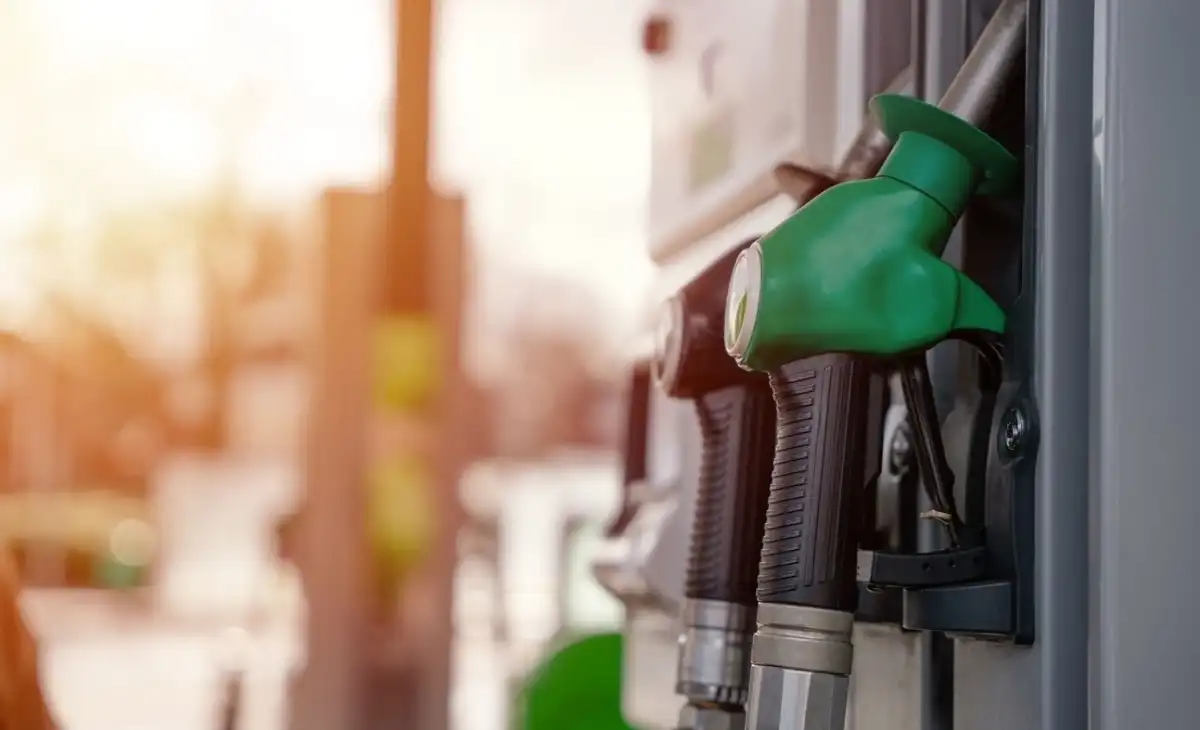
The latest UAE fuel price update has added a new layer to the car-buying conversation. From June 1, 2026, motorists are paying AED 3.95 per litre for Super 98, AED 3.83 for Special 95 and AED 3.76 for E-Plus 91, marking another increase for petrol users across the country. Diesel, however, moved in the opposite direction, dropping to AED 4.33 per litre.
For many drivers, this is not just a monthly price change. It is a reminder that fuel cost remains one of the most important ownership factors in the UAE, especially for families, commuters and SUV buyers who cover long distances every week.
The Conversation Moves From Features to Running Costs
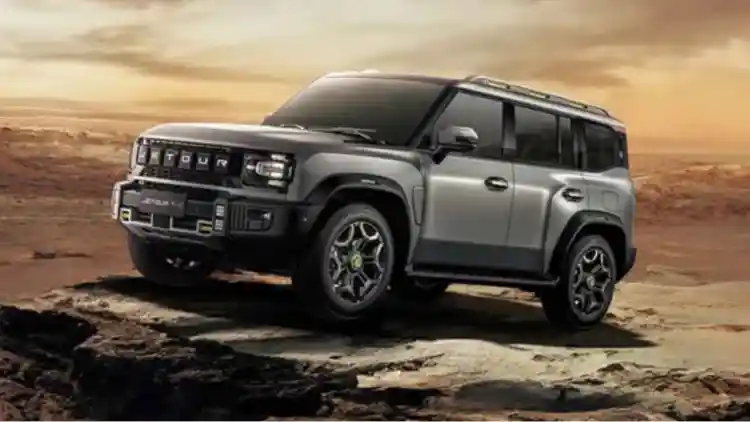
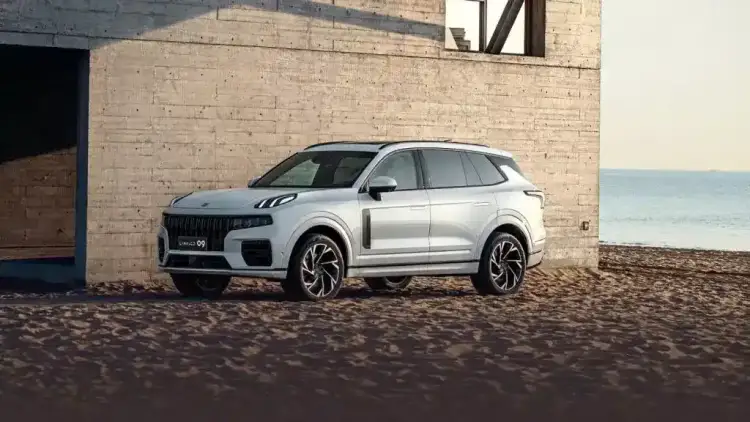
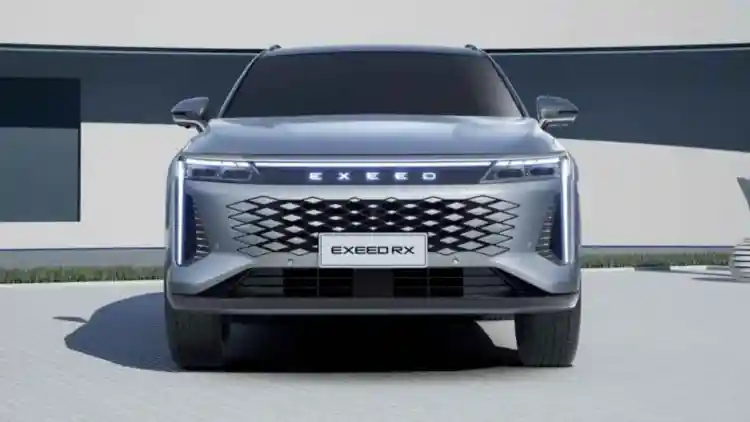
Chinese car brands in the UAE have already been gaining attention through design, large screens, generous equipment and competitive pricing. But rising petrol prices give them a different and possibly stronger argument: long-term running cost.
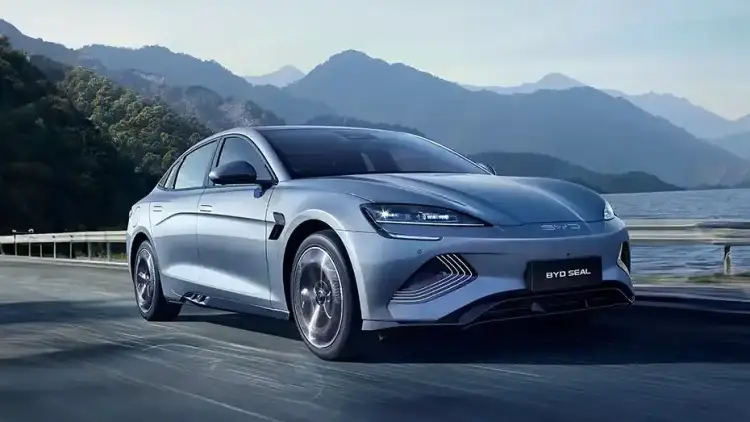
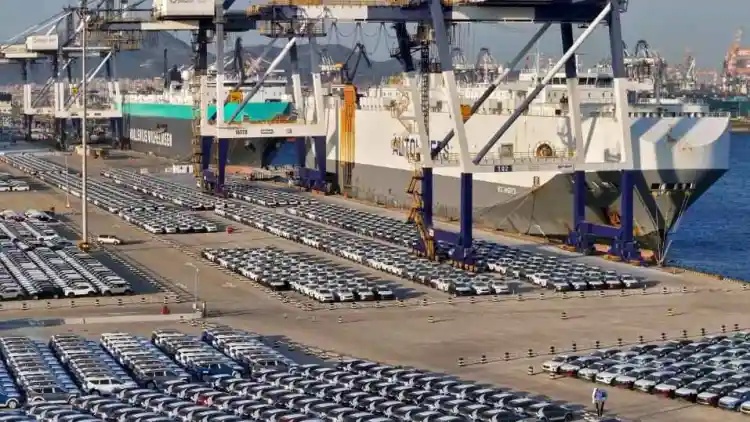
This matters because the Chinese automotive push in the UAE is no longer limited to budget petrol cars. Brands such as BYDEgypt BYDUAE BYDKSA BYDBahrain BYDKuwait BYDOman BYDQatar BYD, DENZABahrain DenzaEgypt DenzaKSA DenzaKuwait DenzaOman DenzaQatar DenzaUAE Denza, LEPAS, CheryKSA CheryKuwait CheryQatar CheryBahrain CheryUAE CheryOman CheryEgypt Chery-related brands and others are bringing more hybrid, plug-in hybrid and electric options into the market. The timing is useful. As fuel becomes more expensive, buyers may start looking beyond the showroom price and ask a more practical question: how much will this car cost me every month?
BYD Is Already Playing the Hybrid Card
BYD is one of the clearest examples of this shift. In the UAE, the brand’s current range includes several new-energy models, from fully electric vehicles to Super Hybrid options such as the BYD ATTO 8Bahrain BYD Atto 8Egypt BYD Atto 8KSA BYD Atto 8Kuwait BYD Atto 8Oman BYD Atto 8Qatar BYD Atto 8UAE BYD Atto 8 and Shark 6. BYD UAE lists the ATTO 8 as a Super Hybrid family car with up to 728 km of range and a claimed 0–100 km/h time of 4.9 seconds, positioning it as both efficient and performance-oriented.
The Shark 6 also adds an interesting angle because it brings plug-in hybrid technology to the pickup segment, a category that usually depends heavily on petrol engines in the region. For UAE buyers who want capability without fully accepting traditional fuel consumption, this type of product could become more relevant.
DENZA Pushes the Premium PHEV Argument
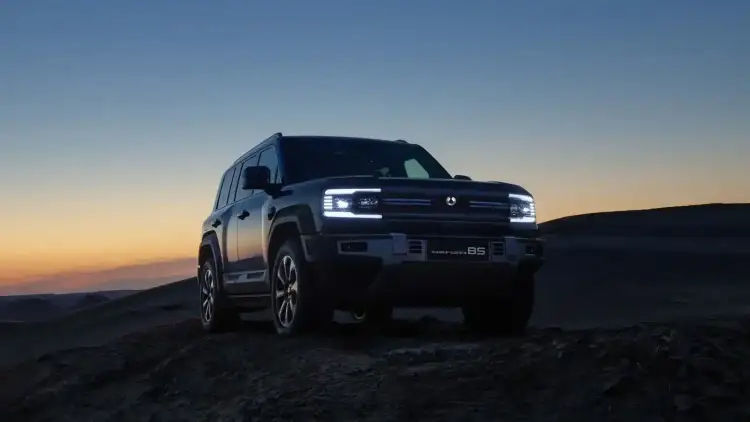
The fuel-price discussion is not only about affordable cars. DENZA, BYD’s premium brand, is already listing the B5 and B8 plug-in hybrid SUVs in the UAE, with prices starting from AED 174,900 for the B5 and AED 243,900 for the B8.
This is important because it shows how Chinese brands are not only attacking the entry-level market. They are also targeting premium SUV buyers who want power, technology, space and a more efficient drivetrain. In a market where large SUVs are popular, plug-in hybrids could become a bridge between traditional petrol luxury and full electric ownership.
LEPAS Enters at the Right Time
LEPAS, Chery Group’s premium new-energy brand, is also preparing for its UAE arrival through Al Ghurair Mobility. The brand has been highlighting its Super Hybrid technology, which combines a 1.5TGDI engine with a hybrid transmission, aiming to deliver efficiency without forcing buyers to rely fully on charging infrastructure.
That approach could make sense in the GCC. Many drivers are interested in lower running costs, but still want long-distance confidence, fast refuelling and flexibility for highway travel. A strong hybrid or plug-in hybrid can speak directly to that buyer.
Why the GCC Buyer May Prefer the Middle Ground
Fully electric cars are becoming more visible in the UAE, but the market is still different from many European or Asian cities. Driving distances can be longer, summer temperatures are extreme, and many families still prefer large SUVs. That makes hybrids and plug-in hybrids especially interesting.
They allow buyers to reduce fuel use without changing their lifestyle completely. For daily commutes, a plug-in hybrid can reduce petrol dependency. For long drives between emirates, it still offers the confidence of a combustion engine. This balance is exactly where several Chinese brands are now trying to compete.
The Bigger Market Signal
The June fuel increase does not automatically mean every buyer will move to a hybrid or EV. But it strengthens the argument. In the past, Chinese cars were often judged by price and equipment. Now, the conversation is expanding toward energy efficiency, ownership cost and future readiness.
This is where Chinese automakers may have an advantage. They are moving quickly, launching more electrified options across different price points and body styles. Instead of waiting for the market to fully turn electric, they are filling the transition phase with hybrids, PHEVs and EVs.
The Bottom Line
The latest UAE petrol price rise gives Chinese new-energy vehicles a timely opportunity. It makes efficiency easier to explain, ownership cost easier to calculate and hybrid technology more relevant to everyday buyers.
For brands like BYD, DENZA and LEPAS, this is not just a fuel-price story. It is a market-positioning moment. If they can combine efficiency with strong aftersales support, realistic pricing and GCC-ready performance, Chinese carmakers could turn rising petrol prices into one of their strongest selling points in the UAE.