

- Does Saudi heat melt your car’s battery? How extreme weather affects modern car batteries
- How a car battery works – and why it hates thermal extremes
- How Saudi heat affects battery efficiency in the short term
- Battery lifespan in a hot climate: what happens in the long run?
- Thermal‑management systems: the main line of defence in modern vehicles
- User habits that accelerate thermal damage – and habits that protect the battery
- What about conventional 12‑volt batteries in petrol and hybrid cars?
- Battery types under Saudi heat
High temperatures in Saudi Arabia do not just strain drivers and air-conditioning systems; they also put car batteries under intense thermal stress that affects their efficiency and lifespan, especially in the growing number of electric and hybrid vehicles on the market.
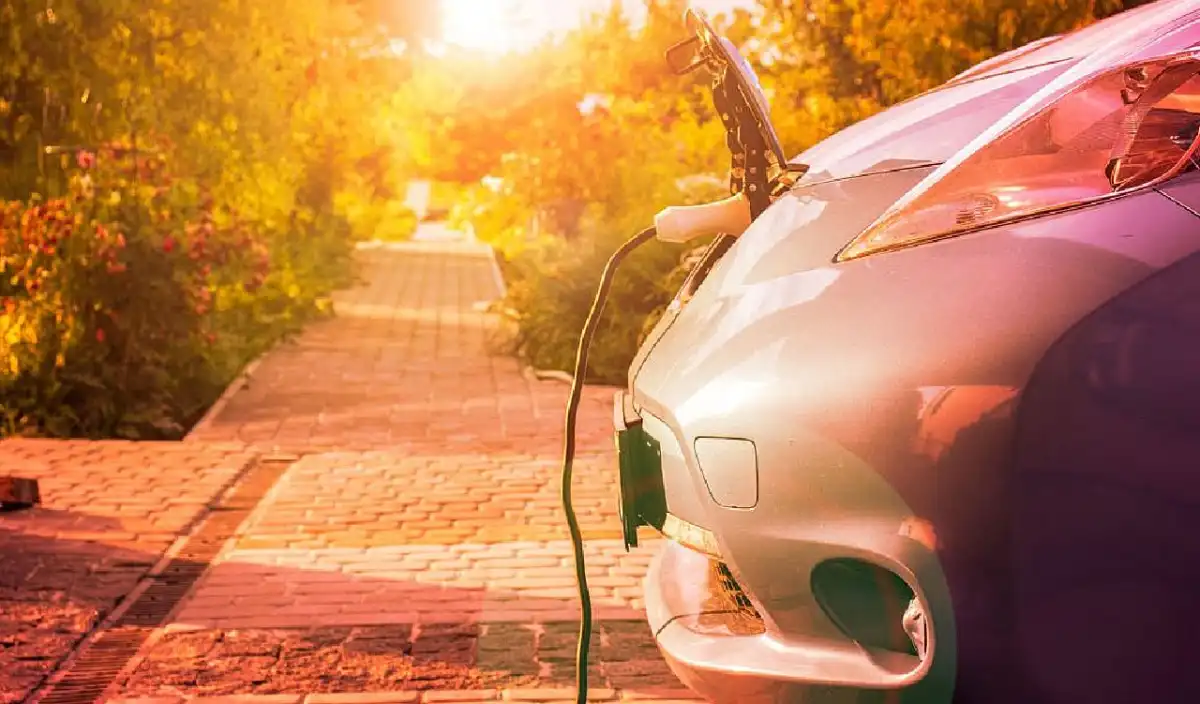
Does Saudi heat melt your car’s battery? How extreme weather affects modern car batteries
Saudi Arabia lives most of the year in a high‑temperature range, with a long summer and temperatures often exceeding 45 degrees Celsius in many regions. This harsh climate raises a crucial question for owners of modern vehicles: how do batteries – whether a conventional 12‑volt unit or a large lithium‑ion pack in an electric or hybrid car – cope with such conditions, and does hot weather inevitably mean faster degradation and earlier, costly replacement?
How a car battery works – and why it hates thermal extremes
To understand the impact of heat, it helps to remember that a battery is, at its core, a sensitive chemical system.
In lithium‑ion batteries:
Energy storage relies on the movement of lithium ions between electrodes during charging and discharging.
High temperatures speed up chemical reactions, which can temporarily boost performance but accelerate internal degradation over time.
In lead‑acid (12‑volt) batteries:
The system is based on a reaction between lead plates and a sulfuric acid electrolyte.
Excessive heat increases electrolyte evaporation and speeds up plate corrosion, leading to weak or prematurely failing batteries.
Batteries prefer a “golden middle ground”; they do not cope well with extreme cold or excessive heat, which makes Saudi’s climate a real challenge for any battery pack.

How Saudi heat affects battery efficiency in the short term
On hot days, drivers may sometimes feel that the electric car is more responsive than usual, but that extra “liveliness” has another side to it.
Temporary benefits within a moderate range:
Within a controlled temperature window, warmth helps ion movement inside the cells, reducing internal resistance and boosting momentary efficiency.
This can mean better throttle response or slightly faster charging within the limits set by the battery management system.
When does heat turn into a direct enemy?
Once cell temperatures rise beyond the designed thresholds, protection systems step in and start limiting performance, such as reducing fast‑charging rates or cutting peak power.
Hard driving in the middle of a summer day combined with heavy air‑conditioning loads puts the entire energy system under extra strain and quickly exposes the car’s thermal design limits.
In other words, heat may not show up as an immediate “fault”, but it silently burns through the battery’s usable life in the background.
Battery lifespan in a hot climate: what happens in the long run?
The biggest challenge in Saudi Arabia is not a single hot day, but the repeated exposure to high temperatures year after year.
Accelerated cell degradation:
The higher the average operating and parking temperature, the faster side reactions inside the cells consume capacity and reduce usable energy.
The practical result is a gradual loss of range in electric vehicles and reduced efficiency in hybrids compared with identical cars used in milder climates.
Hot versus mild climates:
An EV driven in a temperate city may retain a higher percentage of its original battery capacity after several years.
The same model, covering similar mileage in a hot Saudi city, is likely to show a more noticeable reduction in range due to persistent thermal stress.
Manufacturers increasingly take Gulf markets into account when designing battery thermal‑management and durability strategies.
Thermal‑management systems: the main line of defence in modern vehicles
To cope with hot environments, modern vehicles rely on advanced systems to control battery temperature.
Air cooling:
Uses airflow through or around the battery pack.
Simpler and cheaper, but less effective under extreme heat or sustained high load.
Liquid cooling:
Circulates coolant through channels inside or around the battery modules, often integrated with the car’s HVAC loop.
Provides much tighter temperature control and is now common in many new EVs aimed at global markets.
Integrating cooling with vehicle operation:
Some vehicles pre‑cool or pre‑heat the battery before driving or fast charging.
In climates like Saudi Arabia, these features help keep the pack in a safe operating window, even while parked.
The more sophisticated the thermal‑management system, the better the vehicle’s ability to survive Saudi heat without excessive battery wear.
User habits that accelerate thermal damage – and habits that protect the battery
Climate is not the only factor; daily usage can either worsen or mitigate heat‑related stress.
Habits that speed up degradation in hot weather:
Leaving the car at 100% state of charge parked in direct sun for long periods.
Frequent use of fast charging during peak heat.
Continuous spirited driving at midday with the air‑conditioning running at maximum.
Habits that reduce stress on the battery:
Parking in the shade or in covered/underground facilities whenever possible.
Scheduling charging so it finishes shortly before departure instead of keeping the battery full all day.
Limiting daily charging to around 70–80% for regular use and reserving 100% charges for longer trips, when recommended by the manufacturer.
These everyday choices make a real difference to how quickly a battery loses capacity over years of use in a hot environment.
What about conventional 12‑volt batteries in petrol and hybrid cars?
Even if the car is not fully electric, its conventional battery also suffers in extreme heat.
Electrolyte evaporation:
High temperatures accelerate evaporation of the electrolyte in non‑sealed lead‑acid batteries.
Low electrolyte levels speed up plate corrosion and reduce the battery’s ability to hold charge.
Increased electrical loads:
Heavy reliance on air‑conditioning, fans, and electronic systems adds stress to the charging system and keeps the battery cycling under hot conditions.
Early warning signs of thermal fatigue:
Difficulty starting the engine in the morning despite short parking intervals.
Noticeable dimming of lights when the air‑conditioning or other electrical systems are switched on.
Regular inspection and basic maintenance can prevent many “sudden death” battery failures during hot seasons.
Battery types under Saudi heat
Managing Saudi Arabia’s extreme heat is no longer a minor detail for owners of electric and hybrid vehicles; it has become a core factor in calculating total cost of ownership, especially as modern drivetrains rely on complex, thermally sensitive battery systems. Understanding how hot climates affect battery efficiency and lifespan – along with recognising the role of thermal‑management systems and adopting better daily habits in charging, parking, and driving – enables drivers to reduce premature degradation and maintain stable performance as much as possible. As cooling hardware and battery‑management software continue to evolve, vehicles designed for markets such as Saudi Arabia and the wider Gulf region will be able to deliver higher levels of reliability, provided that users match these engineering advances with informed, responsible usage