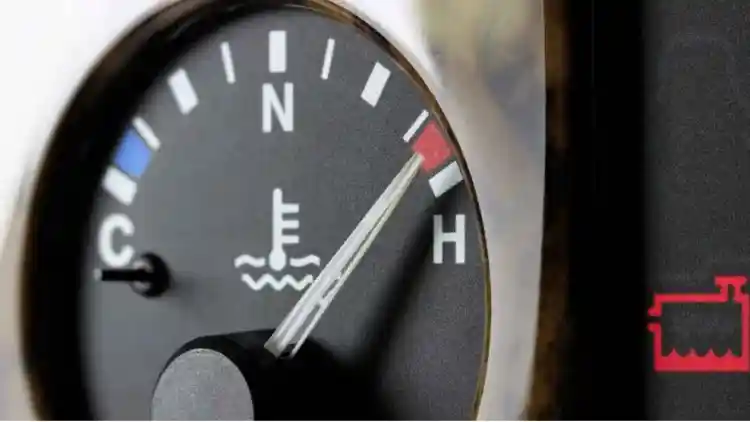

- Why is driving in UAE rain different?
- Preparing your car before the rainy season
- Taking care of the tyres
- Is your car “water-resistant” enough?
- Wiper blades and forward visibility
- Driving style in the rain: golden rules for wet roads
- Adjusting speed and leaving a safety distance
- Avoiding sharp manoeuvres
- Dealing with deep puddles and standing water
- Vehicle size and ground clearance: when is the SUV the hero?
- Watch the road: slippery surfaces and hidden surprises
- Essential driving techniques in the rain
- Worst-case scenario: aquaplaning
- Considering others: polite driving in the rain
- The joy of safe driving in UAE rain
Why is driving in UAE rain different?
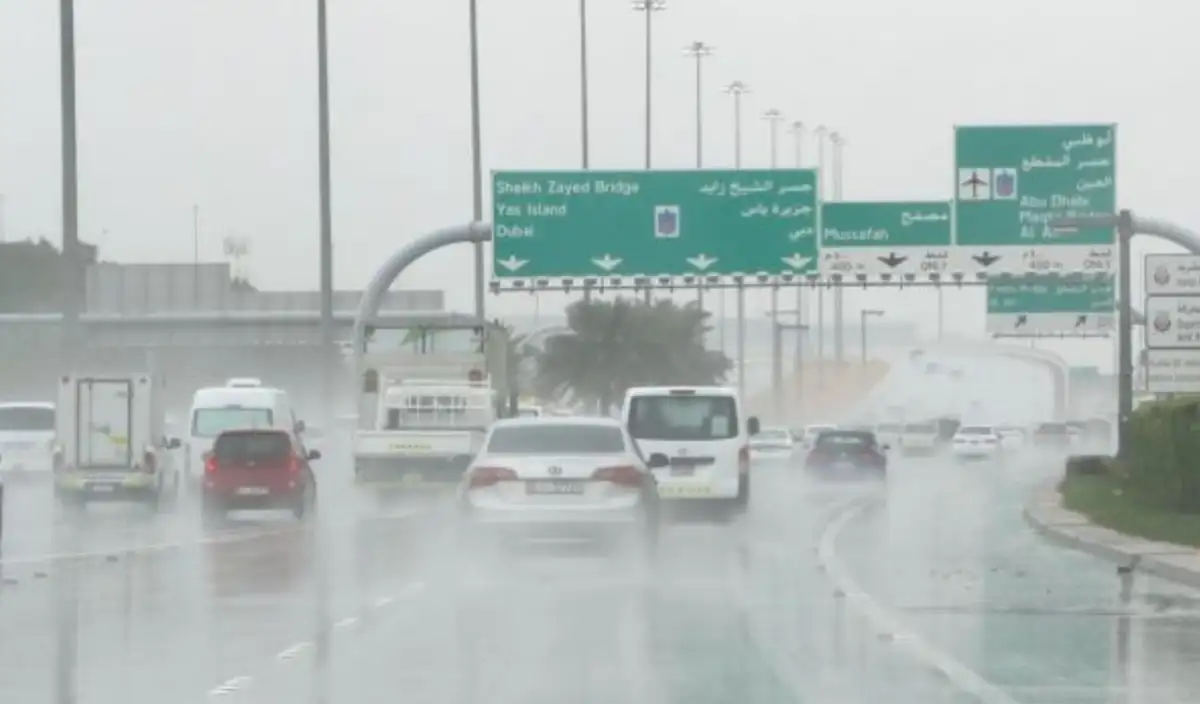
Unlike countries where it rains continuously, roads in the UAE are mostly designed for dry weather throughout the year, which makes the build-up of water, dirt, and oils on the asphalt more dangerous with the first rainfall. The roads quickly turn into a slippery surface, braking distances increase, and small driving mistakes become more costly. For this reason, the driver needs special preparation for the car, a change in driving style, and double the attention to what is happening around them on the road.
Preparing your car before the rainy season
Before you think about how to drive in the rain, you must first make sure that your car is ready to deal with humid conditions and waterlogged roads.
Keeping an eye on the weather forecast helps you prepare early for rainy days.
Checking the car before a strong spell of rain reduces the chances of unpleasant surprises while driving.
Taking care of the tyres
The tyres are the first line of defence between the car and the road, and their performance in the rain largely determines the level of safety and stability.
Checking the tread depth of the tyres (tread depth):
The deeper the tread, the better the tyre channels can expel water and reduce the chance of losing grip.
A tyre with an almost worn-out tread becomes almost ineffective at draining water, which increases the likelihood of skidding.Paying attention to the tyre age and rubber condition:
Old tyres often have rubber that has hardened due to high temperatures and long periods of standing still, and this reduces their ability to grip in cold and wet conditions.Choosing tyres that are suitable for road quality and your usual driving speed significantly raises the level of safety, especially in seasons of rain and strong winds.
Is your car “water-resistant” enough?
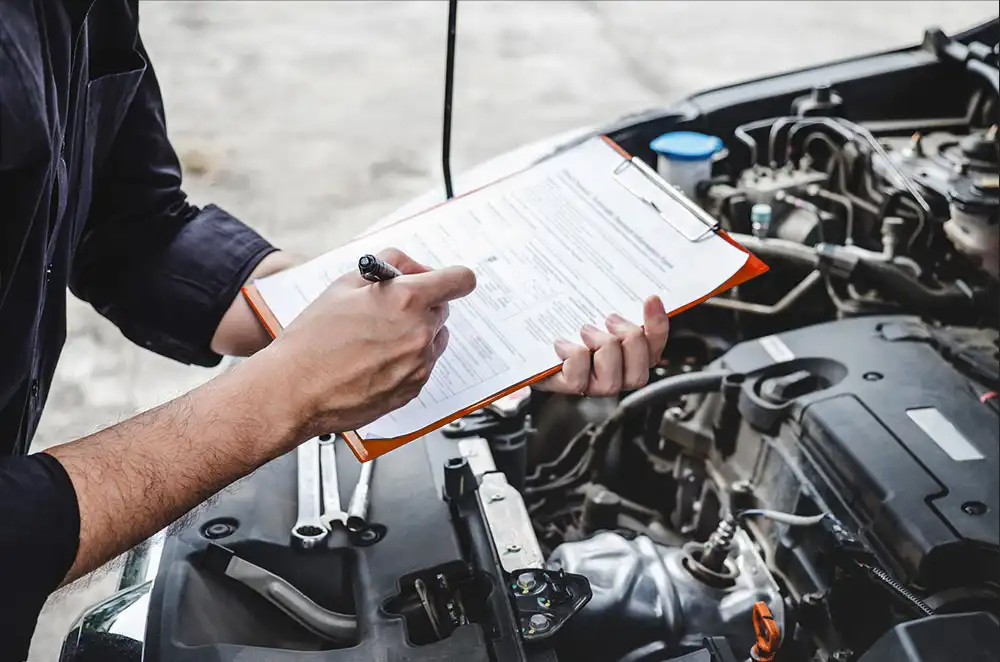
Cars are not designed to dive underwater, but they are equipped with a certain degree of resistance to water ingress, especially in the cabin and electrical components.
Checking the rubber seals around the doors and windows:
Cracked or hardened seals allow water droplets to seep into the cabin, which may cause dampness, condensation on the glass, and unpleasant odours.Checking the condition of exposed electrical components:
Making sure that fuse boxes are properly closed.
Inspecting visible wiring in the engine bay and ensuring there is no obvious damage or exposed connections.
Fixing any minor leak before the rainy season protects you later from annoying electrical problems or sudden breakdowns while driving on wet roads.
Wiper blades and forward visibility
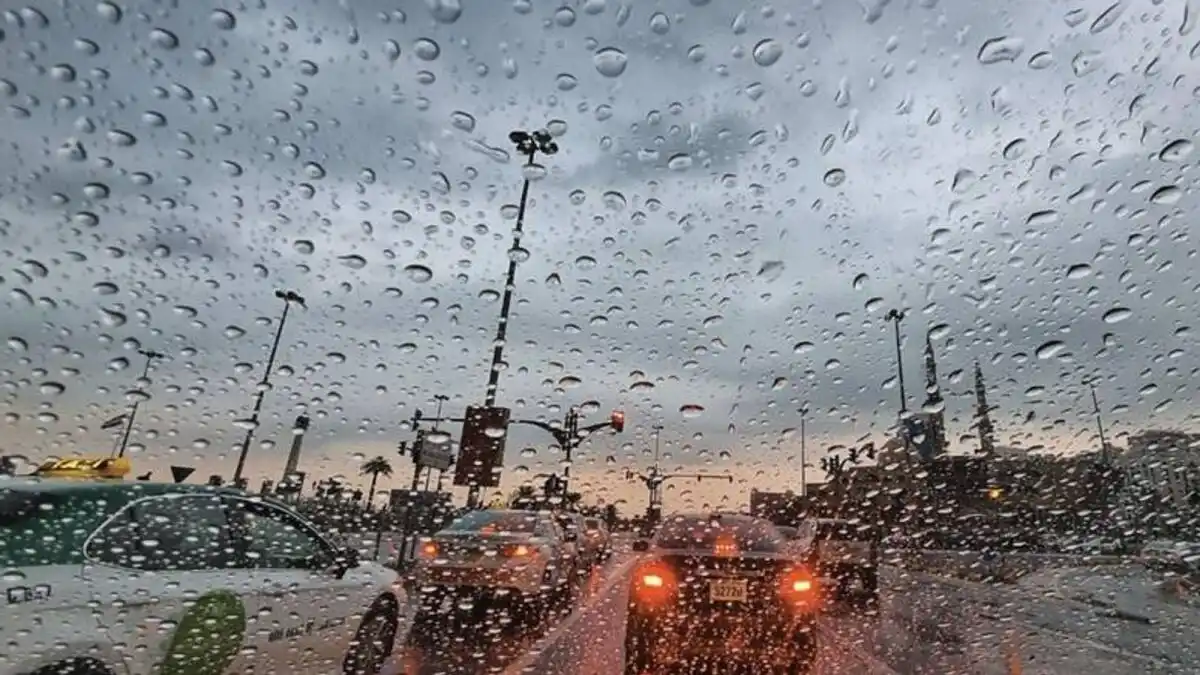
Poor visibility in the rain is one of the main causes of accidents, so the windscreen and wipers play a key role in your safety.
Making sure the front (and rear, if fitted) wipers are working effectively:
With harsh summer heat and cold nights, the rubber on the wiper blades dries out and cracks, causing the wiper to leave streaks or a wet haze on the glass instead of cleaning it.Replacing old wiper blades with new ones:
A low-cost solution that makes a big difference in clarity of vision.Cleaning the glass inside and out before the rainy season reduces fogging and annoying reflections when driving at night in the rain.
Driving style in the rain: golden rules for wet roads
Even if the car is perfectly prepared, driving style remains the decisive factor for safety in the rain.
Adjusting speed and leaving a safety distance
The speed that feels safe on a dry road can be reckless on a wet one.
Reducing your general speed compared to normal when it rains or when the roads are wet:
Braking distance increases significantly when the road is slippery, even if the car is equipped with the latest ABS systems.Leaving a larger safety distance to the car in front of you:
This extra space gives you enough time to respond calmly to any sudden change in traffic flow.
Avoiding sharp manoeuvres
Sudden movements clearly upset the balance of the car on slippery roads.
Avoid sudden hard braking:
Use gradual, gentle braking as much as possible.Avoid sharp cornering or aggressive lane changes:
Any sudden movement may push the tyres beyond their already limited grip zone on wet asphalt.
Dealing with deep puddles and standing water
Some roads in the UAE may experience areas of standing water after heavy rainfall.
Reduce your speed gradually before reaching standing water, not while you are already entering it.
If you are forced to cross a relatively deep puddle, do not change direction suddenly and do not use the brakes unless absolutely necessary.
After exiting a waterlogged area:
Press the brake pedal lightly and repeatedly to help dry the discs (rotors) and quickly restore braking efficiency.
Vehicle size and ground clearance: when is the SUV the hero?
The great variety of car types in the UAE means there is a big difference in each vehicle’s ability to deal with standing water on the roads.
Low-slung sports cars that sit very close to the ground may be exposed to water entering parts that should not be submerged.
SUVs, pickups, and crossovers often have higher ground clearance and a better ability to cross relatively deep water puddles.
When faced with a road clearly flooded to a certain depth, a very low car may suffer damage while a higher vehicle passes through with stability and confidence, making vehicle choice a real safety factor in areas frequently exposed to water accumulation.
Watch the road: slippery surfaces and hidden surprises
In the rain, it is not enough to monitor other cars only; you must also pay close attention to the condition of the road surface itself.
Metal drain covers become very slippery when wet; driving over them at speed or while cornering can cause a sudden skid.
Curbs and edges hidden under water in roundabouts or corners may strike the wheels or damage the bumper if you do not notice them early.
“Rainbow” patches on the water surface:
These pretty colours are caused by oil or fuel mixing with water.
This patch is one of the most dangerous spots on the road because the coefficient of friction there is extremely low.
Braking or changing direction while your tyres are on it should be avoided as much as possible.
Essential driving techniques in the rain
There is a set of practical rules that help you drive with more confidence in rainy conditions.
Reduce your speed compared to normal, even if your car is equipped with the latest braking and stability technologies.
Make sure to use the available driver-assistance systems in your car, such as Traction Control (TCS) and Electronic Stability Program (ESP), and do not switch them off in rainy weather.
Use appropriate lighting:
Turn on your headlights even during the day in the rain to improve visibility and make your car more noticeable to others.Avoid using cruise control on wet roads, especially if visibility is limited or there are obvious patches of standing water.
Worst-case scenario: aquaplaning
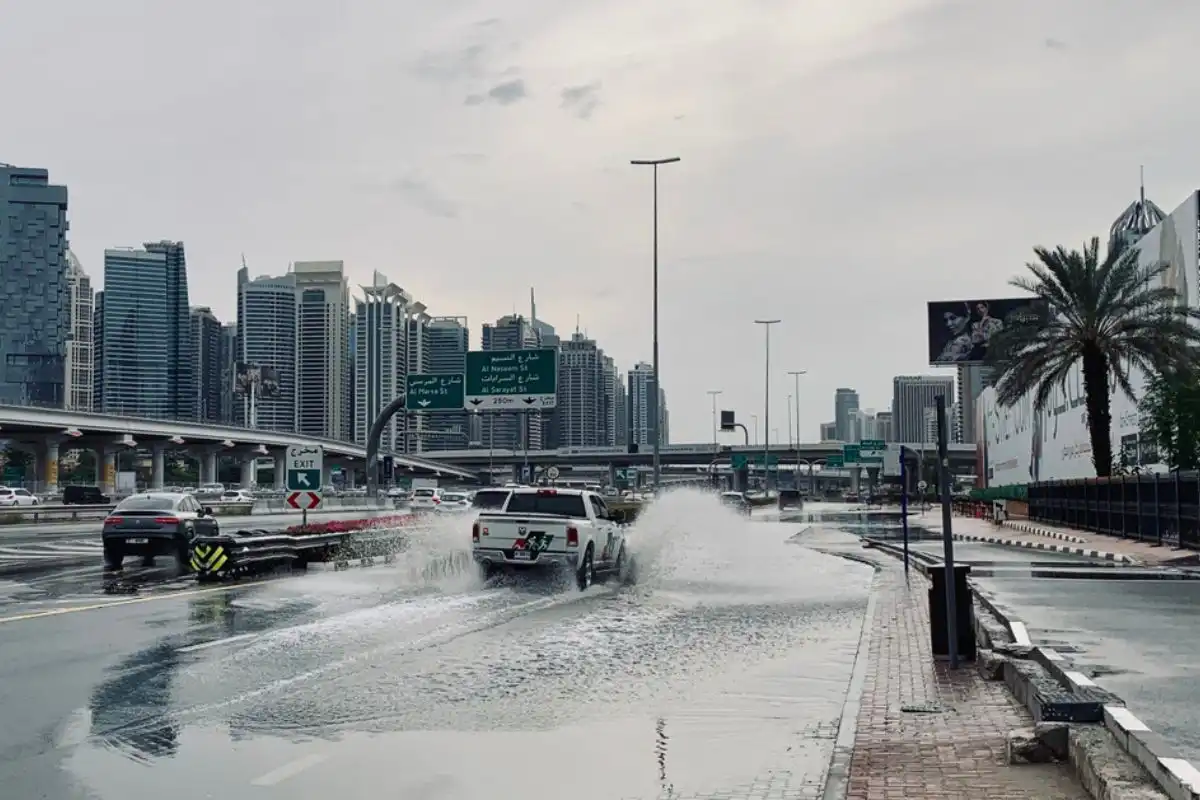
Aquaplaning is one of the most dangerous things a driver can experience in the rain because it happens suddenly and leads to an almost total loss of control.
What is aquaplaning?
It is a situation where the tyre rides up on a thin layer of water instead of directly contacting the road surface.
This results in a loss of grip, and the car feels as if it is “floating” for a few moments or metres.How do you deal with aquaplaning?
If you see a large area of water that you cannot avoid, reduce speed gradually before reaching it.
While you are passing over the water layer, completely avoid:
Sudden braking.
Sharp steering inputs.
Heavy pressure on the accelerator.Let the car pass over the water as steadily as possible, and once grip returns, you can gently regain full control.
Considering others: polite driving in the rain
Safety is not just about protecting yourself, but also about considering the safety of others on the road.
Driving at high speed through standing water can create a strong splash that soaks pedestrians on sidewalks or other cars nearby.
Reducing your speed when approaching pedestrians or smaller cars in waterlogged areas reflects civilised behaviour and reduces risks for everyone.
The joy of safe driving in UAE rain
Driving in UAE rain does not have to be a constant source of stress; with proper car preparation, greater attention to the road, and a simple adjustment in driving style, it can turn into a safe and enjoyable experience at the same time. Take care of your tyres and wipers, keep an eye on water depth and changes in the road surface, reduce your speed, and respect both your car’s limits and your own limits as a driver, and you will be able to enjoy your rainy journeys with safety and confidence on UAE roads.