

- Why experts say “don’t go below a quarter tank”
- Debris and clogged filters: what workshops actually see
- Fuel pump stress and repair costs
- Why cold weather makes low fuel more dangerous
- Practical advice from professionals
- high vs low fuel levels
Why experts say “don’t go below a quarter tank”
Mechanics and fuel‑system experts point out that the fuel in your tank does more than feed the engine; in modern cars it also helps cool and lubricate the in‑tank fuel pump. When the fuel level is consistently very low, the pump runs hotter and may wear out faster, leading to expensive repairs that can reach hundreds of dollars before labor.
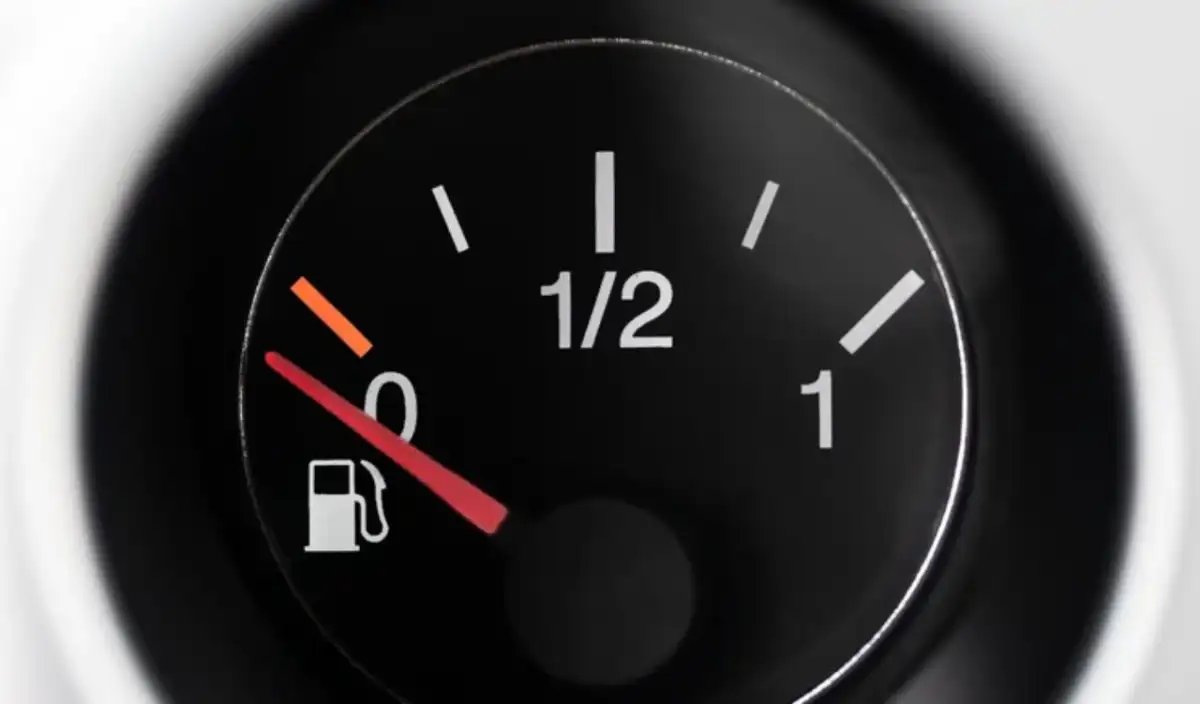
Specialists also note that low fuel levels increase your chances of being caught out by unexpected detours, traffic jams, or bad weather, when you may need extra range for safety rather than efficiency. For that reason, many recommend planning refueling so the warning light rarely, إن أمكن أبداً, becomes part of your normal driving routine.
Debris and clogged filters: what workshops actually see
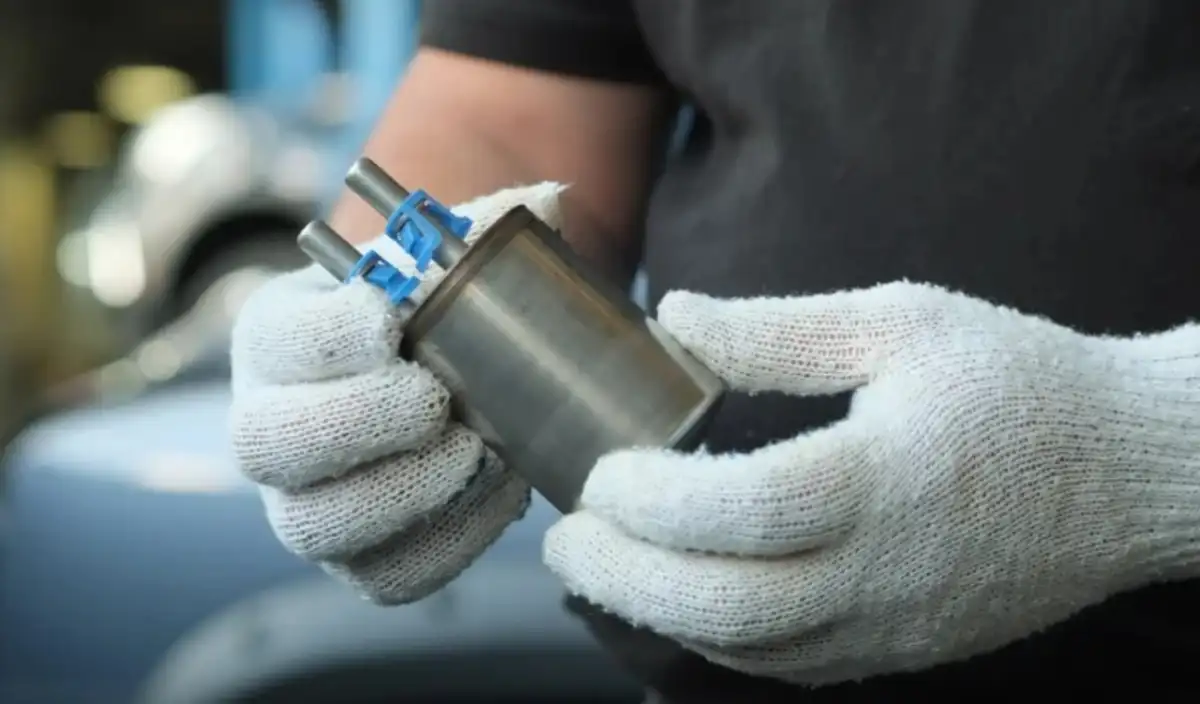
Over time, dirt and contaminants in poor‑quality fuel tend to settle at the bottom of the tank. Fuel filters are designed to catch these particles before they reach the engine, but workshop experience shows that constantly running near empty can increase the chances of drawing more of this sediment into the filter.
When the filter starts to clog, fuel pressure may drop, and drivers often complain of rough idling, hesitation, misfires, or even an illuminated check‑engine light—all symptoms technicians link to restricted fuel flow. In older carbureted cars, filters are usually easier and cheaper to replace because they are mounted in the engine bay, whereas on many fuel‑injected cars the pump and filter are located inside the tank, making access and repair more complex and costly.
Fuel pump stress and repair costs
Service advisers frequently warn that regularly driving on “fumes” can contribute to premature fuel‑pump failure. Because the pump in many vehicles sits inside the tank and relies on surrounding fuel for cooling, running low can mean the pump runs hotter, especially on long drives or in high temperatures.
Replacement costs vary widely by make and model, but parts alone often range from several hundred dollars for a pump and even more if injectors are damaged or need replacement due to fuel contamination or overheating. When you add labor—especially if the tank must be lowered—many owners discover that a chronic low‑fuel habit has turned into an avoidable four‑figure repair.
Why cold weather makes low fuel more dangerous
In cold climates, low fuel levels bring additional risks that technicians and breakdown services emphasize every winter season. If roads close during snowstorms or traffic stalls for hours, you may need to keep the engine running to power the heater and electronics; starting that situation with only a few liters left can quickly become a safety issue, not just a convenience problem.
Experts also highlight the risk of condensation: when there is more air than fuel in the tank and lines, moisture can accumulate, eventually freezing in extreme cold and blocking fuel flow. If ice forms in the lines, no fuel reaches the engine, and the car may refuse to start or stall, even though the issue is not mechanical damage but a temporary ice blockage.
Practical advice from professionals
Technicians and experienced driving instructors tend to converge on a set of simple, preventive habits:
Treat the quarter‑tank mark as your minimum, not “still plenty left”.
Aim to refill when the gauge passes below half if you regularly drive long distances or in harsh weather.
Avoid relying on the low‑fuel warning light as a normal reminder; consider it an exception, not part of daily routine.
Before long trips or during winter storms, start with a comfortably full tank to cover detours, traffic, and unexpected delays.
Remember that occasionally running low may not destroy a modern car immediately, but turning it into a habit increases long‑term risk and costs.
From a cost–benefit perspective, many experts argue that adding fuel a little earlier is far cheaper and less stressful than dealing with an overheated pump, clogged filter, or night‑time breakdown.