
- Design and technology features of “The Vision Car”
- Economic impact: from a car project to an industrial ecosystem
- Environmental and urban impact: a car at the heart of a smart city
- Social impact: inspiring a new generation of innovators
- What makes “The Vision Car” different?
- What does the Kingdom gain from localizing Vision‑aligned car production?
- “The Vision Car” vs a conventional imported car
- A car that sums up the future on four wheels
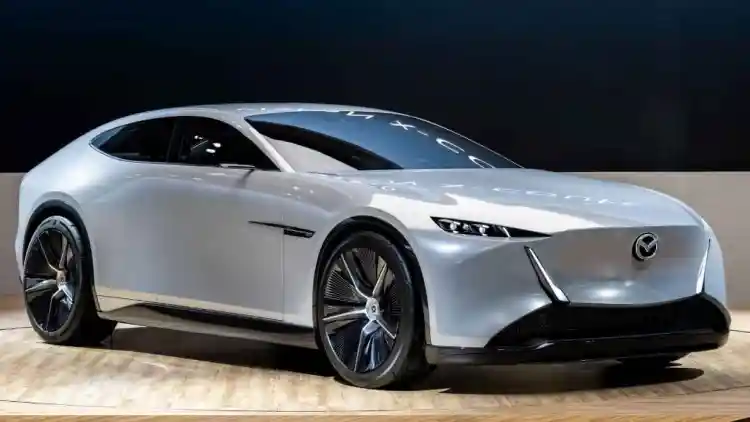
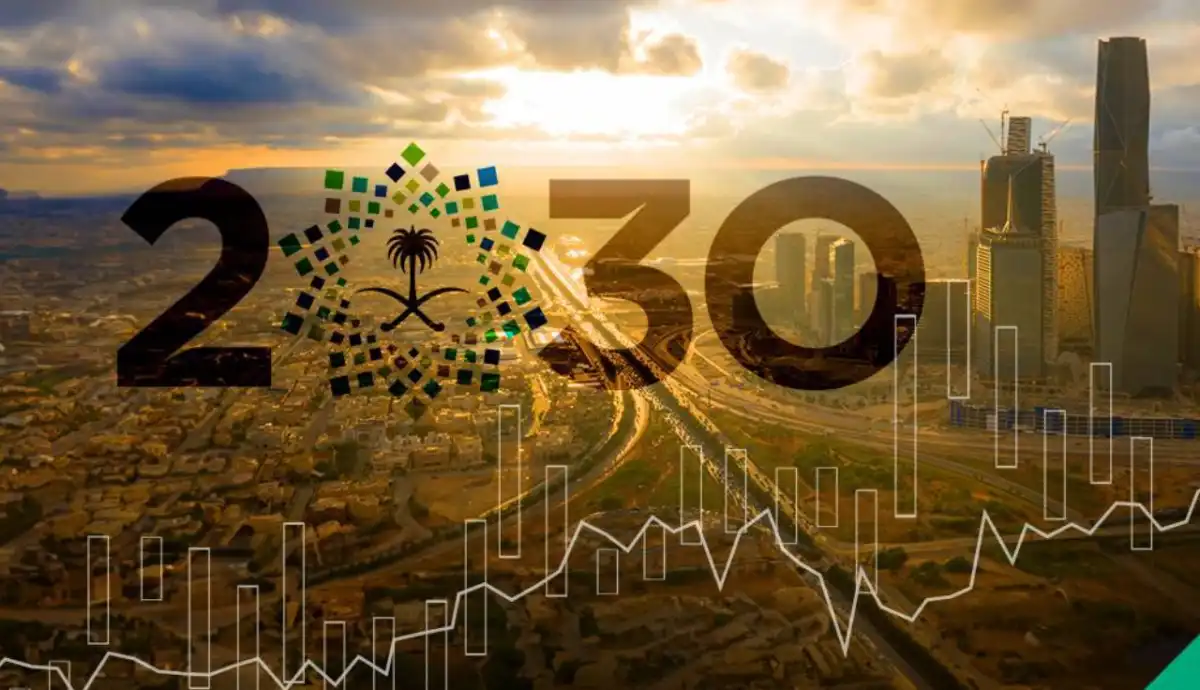
There is no single official car that can be considered the “final definition” of Vision 2030; instead, there is a set of characteristics that make any car project within this framework part of the story. “The Vision Car” can be imagined as a conceptual platform built on three main pillars.
Localization of technology and know‑how:
Parts of the design, engineering, or software are developed inside the Kingdom.
Saudi engineers and technicians participate directly in development.
Sustainability and clean energy:
The car is electric, hybrid, or highly fuel‑efficient.
It helps reduce emissions and aligns with Saudi environmental commitments.
Economic and social value:
It creates jobs and transfers skills.
It supports Saudi Arabia’s position as a regional hub for vehicle manufacturing and related technologies.
In this sense, “The Vision Car” could be an electric passenger car, a smart commercial vehicle, or even a connected bus fleet; what matters is that it belongs to a wider ecosystem tied to Vision 2030.
Design and technology features of “The Vision Car”
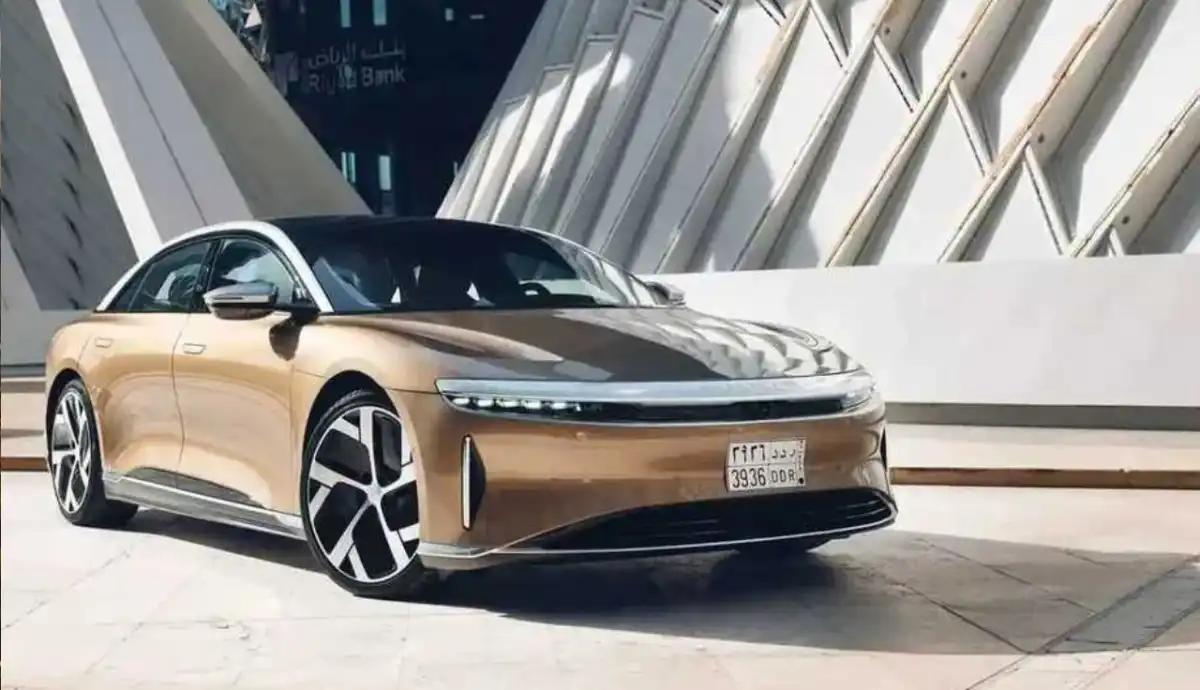
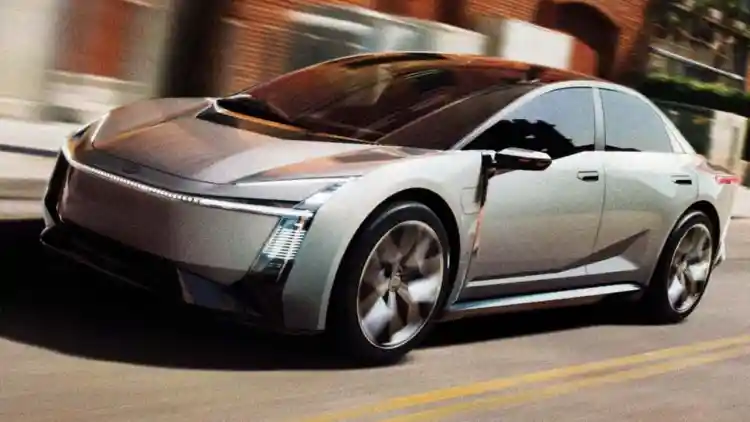
The idea can be presented in a narrative style: imagine a car proudly wearing a “Made in Saudi Arabia” badge, gliding quietly along modern highways and charging at stations powered partly by renewable energy. Inside the cabin, there is a fully Arabic digital interface, advanced driver‑assistance systems, and seamless integration with government and commercial apps and services.
From a technical perspective, “The Vision Car” brings together several core elements:
An electric or hybrid powertrain to cut emissions and improve energy efficiency.
Advanced connectivity (connected‑car systems) integrated with the Kingdom’s digital infrastructure, from updated maps to smart‑road services.
Modern safety and driver‑assistance systems (ADAS) such as lane‑keeping, blind‑spot monitoring, and automatic emergency braking.
Over‑the‑air software updates that turn the car into a “living product” evolving over time.
All these elements make the car part of the new digital and industrial landscape Vision 2030 aims to build.
Economic impact: from a car project to an industrial ecosystem
Building a single car is not enough to create a sector, but establishing a genuine production base means:
Component factories (bodies, seats, wiring, electronics, batteries where applicable).
Logistics companies moving parts and vehicles between ports, industrial zones, and the local market.
Research and development centers improving efficiency, safety, and user experience.
Training and education systems supplying Saudi engineers, technicians, and designers.
Thus “The Vision Car” becomes more than a product; it becomes an anchor for a full value chain that supports GDP, reduces imports, and opens export routes to regional and global markets.
Environmental and urban impact: a car at the heart of a smart city
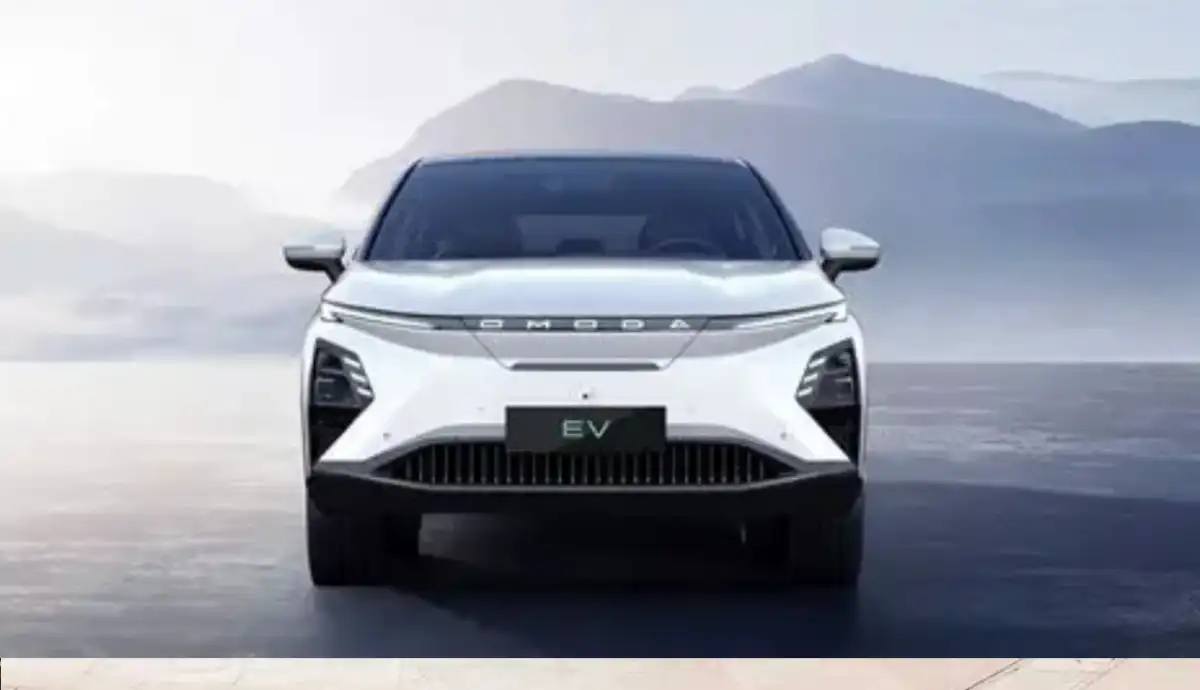
Vision 2030 is also tied to smart‑city projects and modern infrastructure, where cars form part of a broader system that includes public transport, walking paths, cycling routes, and EV charging networks. In this context, “The Vision Car” is one link in an integrated mobility network rather than an isolated private vehicle.
By focusing on energy efficiency and using electricity or cleaner fuels, such cars can help reduce pollution, improve air quality, and relieve pressure on road networks through shared or fleet‑based solutions (car‑sharing, corporate fleets, etc.). With continuous data flowing from connected vehicles, traffic and road management can be planned and optimized far more intelligently.
Social impact: inspiring a new generation of innovators
Another crucial dimension is symbolic: seeing a Saudi emblem on a modern, competitive car creates a sense of pride and belonging among younger generations. That image encourages many students to choose mechanical and electrical engineering, software development, industrial design, and supply‑chain management as career paths.
Saudi women taking part in this ecosystem—as engineers, designers, product managers, or even test drivers—reflects the broader social changes unfolding under Vision 2030 and widens the pool of national talent feeding the automotive and tech sectors.
What makes “The Vision Car” different?
It is tied to a national vision, not just a standalone commercial project.
It is built on partnerships that transfer technology, not just turnkey production lines.
It targets both local and regional markets, not the domestic market alone.
What does the Kingdom gain from localizing Vision‑aligned car production?
Lower long‑term import bills.
Creation of high‑quality, sustainable jobs.
A stronger image of Saudi Arabia as an industrial and technological hub in the region.
“The Vision Car” vs a conventional imported car
A car that sums up the future on four wheels
“The car that defined Saudi Vision 2030” is not necessarily a single official model; it is a concept of a vehicle woven into deeper transformations across the Kingdom’s economy, environment, and society. Every car project manufactured or developed locally according to principles of localization, sustainability, and smart technology adds a new line to a longer narrative in which Saudi Arabia is no longer just a car market, but a real player in the automotive industry.