

- How Is Volvo EX60 Different From Competitors in the AI Race?
- The Role of Cameras: From Monitoring to Understanding
- Privacy and Security: A Valid Question and Volvo’s Answer
- Everyday User Experience: What Does This Mean for the Average Driver?
- EX60 as a Model for the Intelligent Electric Future
- Why Is Volvo Betting on Artificial Intelligence Now?
What Volvo EX60 offers goes far beyond adding a new smart assistant; it reflects a deeper shift in modern automotive design philosophy. For the first time, artificial intelligence is no longer limited to executing commands or displaying information. Instead, it becomes context-aware — capable of understanding its surroundings, analyzing data, and interacting with the driver in a way that closely resembles natural human conversation.

In traditional vehicles, drivers were required to deal with numerous menus, screens, and visual alerts, increasing distraction and negatively affecting safety. In the EX60, however, Google Gemini redefines this interaction by reducing reliance on visual attention and touch, and instead emphasizing voice control and intelligent situational understanding.
This transformation clearly reflects Volvo’s direction toward making technology invisible yet effective — operating quietly in the background to support the driver rather than overwhelm them.
How Is Volvo EX60 Different From Competitors in the AI Race?
Although many manufacturers such as Tesla, Mercedes-Benz, and BMW are investing heavily in artificial intelligence, Volvo’s approach with the EX60 differs in substance rather than appearance alone.
A Quick Comparison:
Tesla: Focuses on AI tied to autonomous driving and large-scale data collection
Mercedes-Benz: Concentrates on digital luxury and intelligent personalization
BMW: Emphasizes user experience and advanced interfaces
Volvo: Prioritizes safety and contextual understanding above all else
The unique advantage of the EX60 lies in allowing artificial intelligence access to camera inputs, meaning the car does not only “listen,” but also “see” and understand — a capability that remains limited or not fully activated among most competitors.
The Role of Cameras: From Monitoring to Understanding
Volvo EX60 features an advanced camera system traditionally used in safety and driver-assistance technologies. What’s new here is how these cameras are used.
Instead of merely alerting the driver or intervening during emergencies, Google Gemini can:
Interpret what appears ahead of the vehicle
Explain the meaning of unclear warnings or alerts
Help drivers understand potential risks
Answer questions related to the road or surrounding environment
For example, a driver could ask:
“Why did the car slow down just now?”
and receive an answer based on what the cameras and sensors detected.
Privacy and Security: A Valid Question and Volvo’s Answer
There is no doubt that allowing artificial intelligence access to vehicle cameras raises legitimate privacy concerns. Volvo is fully aware of this, which is why it emphasizes that system design places data protection at its core.
What Volvo Confirms:
Data processing is handled inside the vehicle whenever possible
Cameras are not used for commercial or advertising purposes
Full compliance with strict European data protection regulations
User control over privacy and system settings
This point, in particular, strengthens customer trust, especially given Volvo’s long-standing history of prioritizing safety — both digital and physical.
Everyday User Experience: What Does This Mean for the Average Driver?
Away from technical terminology, the most important question is:
How will these technologies affect everyday driving?
The answer, simply put:
Less stressful driving
Easier interaction with the vehicle
Reduced need to look at screens
A feeling that the car truly “understands you”
Whether driving in the city, on highways, or during long journeys, having a smart assistant capable of understanding context and delivering information at the right moment can make a real difference in comfort and safety.
EX60 as a Model for the Intelligent Electric Future
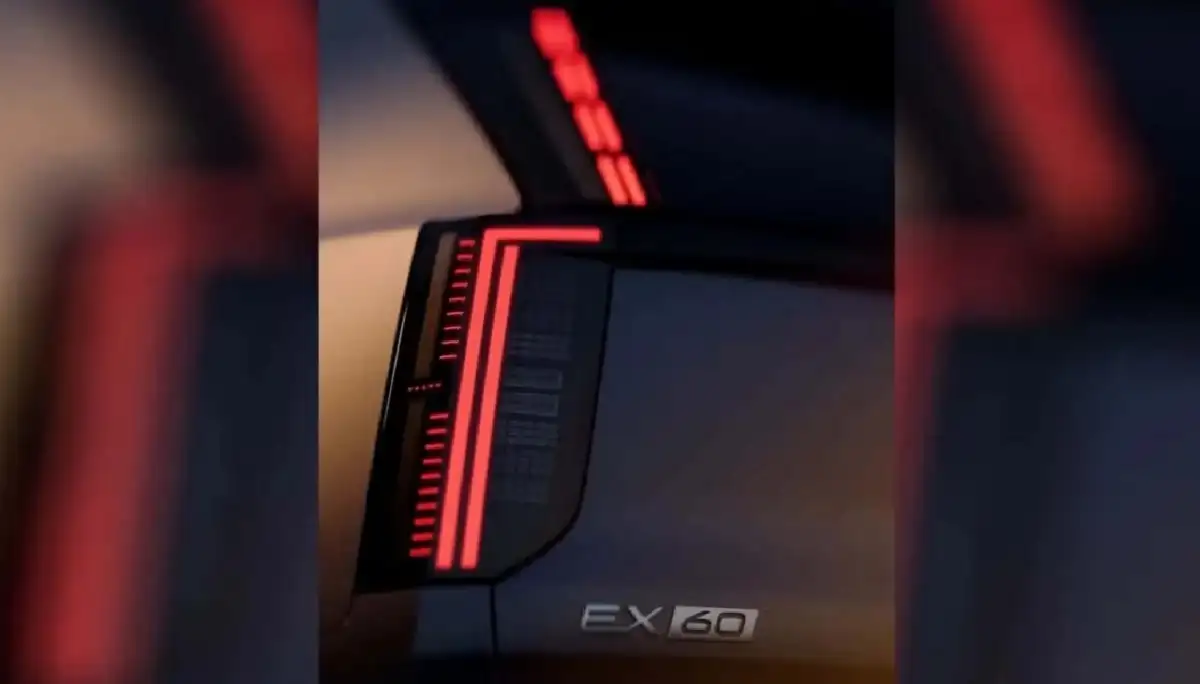
Volvo EX60 is not merely a new electric vehicle within the brand’s lineup; it represents a convergence of electrification, artificial intelligence, and human-centered design. It reflects Volvo’s vision of a future in which the car becomes an intelligent partner rather than just a means of transportation.
With over-the-air updates, the EX60 will not remain static after purchase. Instead, it will evolve over time, delivering a continuously improving experience similar to smartphone updates — but on four wheels.
Why Is Volvo Betting on Artificial Intelligence Now?
Volvo’s decision to rely on Google Gemini at this moment is not random, but rather the result of:
The maturity of conversational AI technologies
Advances in in-vehicle processing capabilities
Changing user expectations
Intensifying competition in the electric vehicle market
Volvo understands that the future will not belong solely to those offering the longest range or fastest acceleration, but to those delivering the smartest driving experience.
With Volvo EX60, we are not merely witnessing a technological addition, but a transformation in the relationship between humans and cars. Artificial intelligence here is not designed simply to impress, but to serve, protect, and reduce the driver’s mental load. That is precisely what makes the EX60 one of the most anticipated intelligent electric vehicles in today’s automotive world.