

- A Finale Driven by Emotion, Not Schedule
- From Street Racing to Global Spectacle
- Why the Streets Matter Again
- Brian O’Conner’s Significance
- Dom and Brian: The Core Relationship
- The Delay as a Creative Choice
- What This Means for Car Culture
- Final Reflection
A Finale Driven by Emotion, Not Schedule
When the final chapter of the Fast & Furious saga was officially titled Fast Forever and delayed until 2028, it became clear this was not a routine postponement. It was a statement that the ending required emotional and narrative precision rather than speed.
After more than 25 years, the franchise has evolved into a generational memory tied to cars, street culture, and the idea that vehicles can define identity.
From Street Racing to Global Spectacle
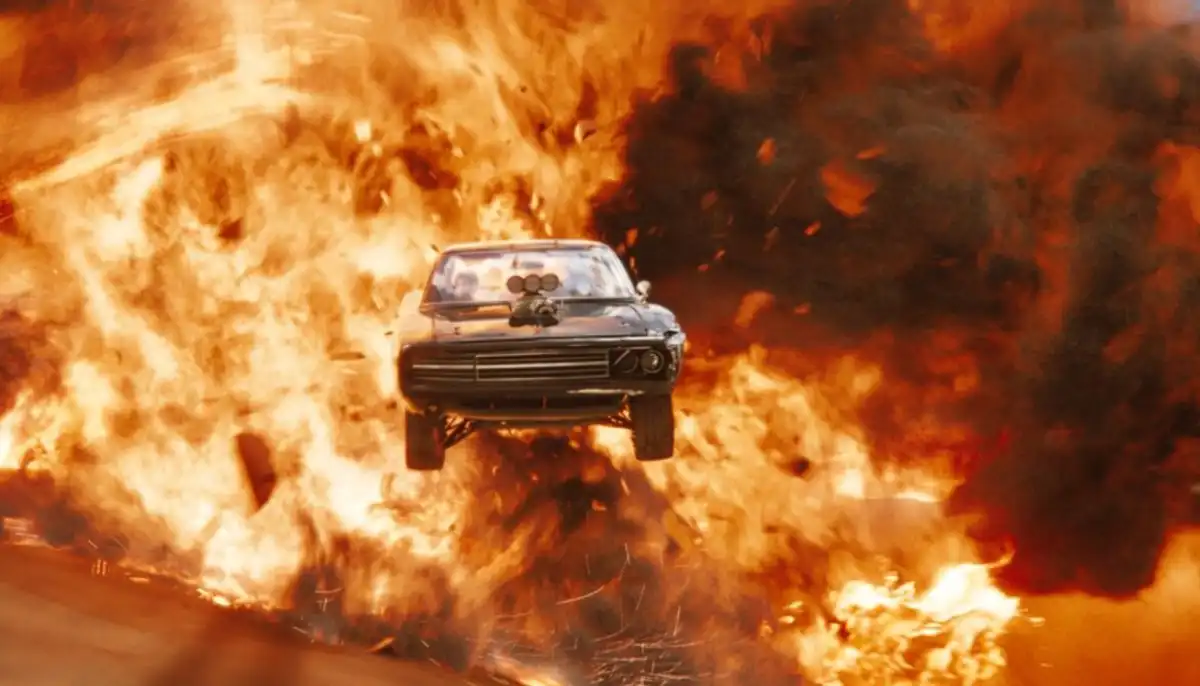
What began in 2001 as a grounded street-racing story gradually transformed into a globe-trotting action franchise. While this expansion brought massive success, it also distanced the series from its automotive roots.
Evolution Overview
Era | Core Identity | Role of Cars |
|---|---|---|
Early films | Street racing | Central focus |
Middle era | Crime/action | Supporting role |
Later films | Spectacle | Visual tools |
Final chapter | Return to roots | Emotional core |
Why the Streets Matter Again
The return to street racing in Fast Forever is a deliberate narrative reset. The streets once symbolized freedom, risk, and belonging—elements that defined the franchise before physics-defying stunts took over.
This shift signals a more grounded finale where cars reclaim their emotional weight.
Brian O’Conner’s Significance
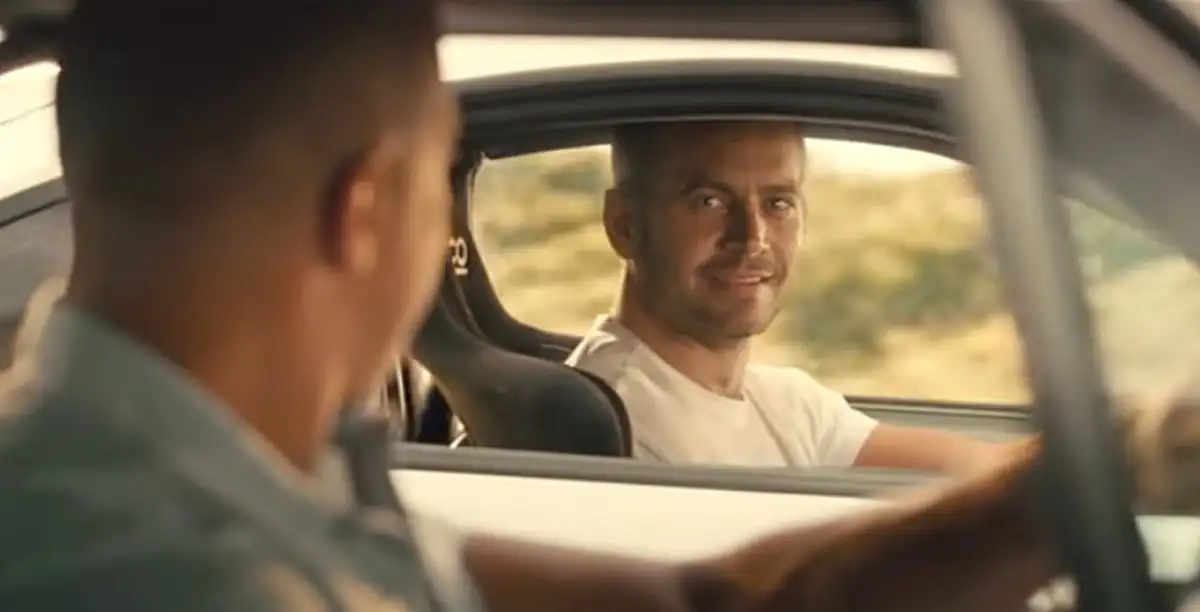
Brian O’Conner’s return carries deep emotional resonance. Portrayed by Paul Walker, Brian represented humanity, balance, and connection. His presence—even symbolically—anchors the finale to the franchise’s heart.
Dom and Brian: The Core Relationship
The franchise was never solely about speed; it was about relationships. Dom and Brian embodied opposing worlds that learned to coexist, making their bond essential to a meaningful conclusion.
The Delay as a Creative Choice
Rather than rushing closure, the delay to 2028 allows the filmmakers to craft a finale that honors both legacy fans and modern audiences—an increasingly rare decision in blockbuster cinema.
What This Means for Car Culture
Fast Forever has the opportunity to reconnect with the real car culture it once inspired—garages, builds, and grassroots racing—reminding audiences why the series mattered beyond box-office numbers.
Fast Forever aims to close a circle that began on dimly lit streets. Whether flawless or not, its intention is clear: to end not with spectacle, but with meaning.
Final Reflection
Fast Forever aims to close a circle that began on dimly lit streets. Whether flawless or not, its intention is clear: to end not with spectacle, but with meaning.