

- Why Christmas lights on cars are a legal problem
- Police concerns: imitating emergency vehicles
- Fines and the main exception
- It’s not just legal: what about your paint?
- Wiring, doors and windows: hidden mechanical risks
- Why it looks better online than in real life
- How to celebrate safely without breaking the rules
- Not every seasonal decoration belongs on the road
Why Christmas lights on cars are a legal problem
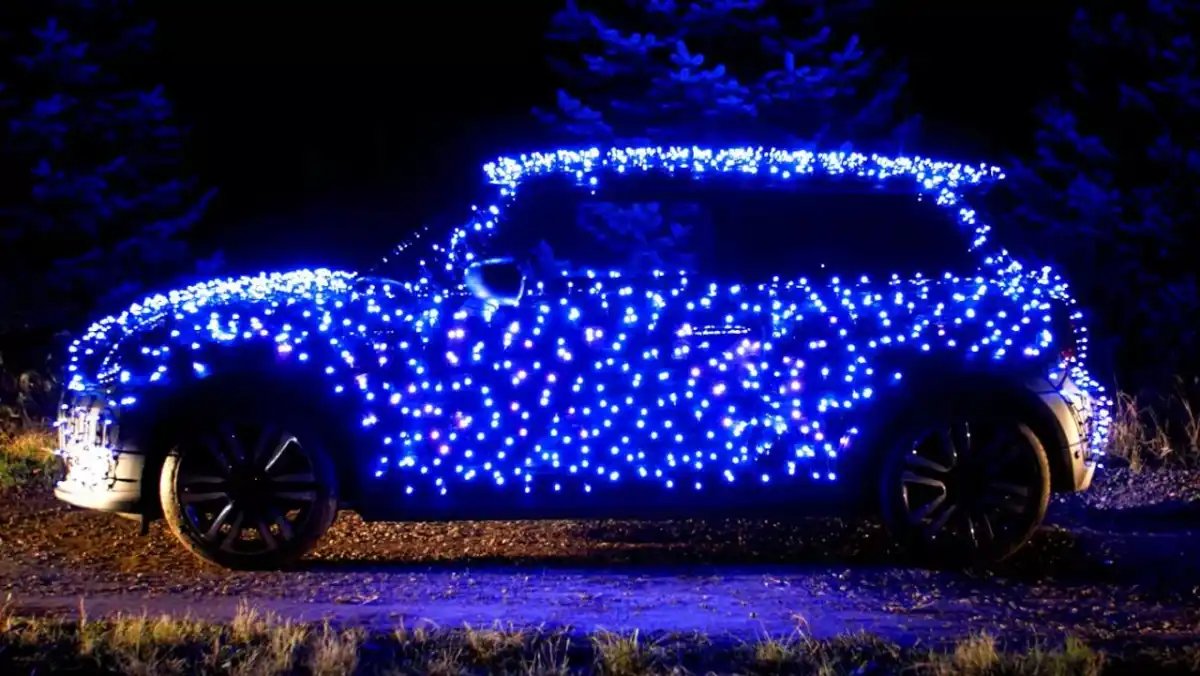
In many U.S. states – including Kansas – traffic regulations strictly define how many lights a vehicle may have, where those lights can be mounted, how high they can sit, and which colours are allowed. The goal is to keep vehicle lighting predictable, so other drivers can easily understand brake lights, indicators and hazard warnings. When you wrap your car in coloured, flashing strings of lights on top of the factory lighting, you create an unpredictable light signature that can distract and confuse other road users.
In Kansas, the Highway Patrol has clearly stated that cars decorated with Christmas lights on public roads are not just “tacky”, they are illegal, and troopers will pull them over. The vehicle is treated as a moving hazard because its lighting no longer fits the approved pattern laid out in safety rules.
Police concerns: imitating emergency vehicles
One of the main reasons police take festive car lights seriously is the risk of drifting from “cute decoration” into “impersonating an emergency vehicle”. The rules in most states do not only target the number of lights, but also:
The type of lighting (steady vs flashing).
The colour, especially red, blue and intense white.
The position of lights, such as roof, grille, or upper body.
Kansas Highway Patrol officers point out that if people are allowed to mount any kind of seasonal lights they like, nothing stops someone from fitting red and blue flashing lights that look like a police car or ambulance. The lighting laws are therefore written to make it very easy for drivers to recognise the difference between normal traffic and emergency vehicles at a glance.
Fines and the main exception
In Kansas, Christmas lights on a moving vehicle are treated as a safety violation, and drivers can expect a citation of around $75 per offence, with multiple fines possible if several aspects of the lighting break the rules.
The basic rule is:
Extra decorative lighting is banned on vehicles using public roads.
There is one clear exception:
When the vehicle is part of an approved parade, the law allows special lighting for the duration and route of that event.
In that situation, the car is part of a controlled, organised display and not normal traffic.
It’s not just legal: what about your paint?
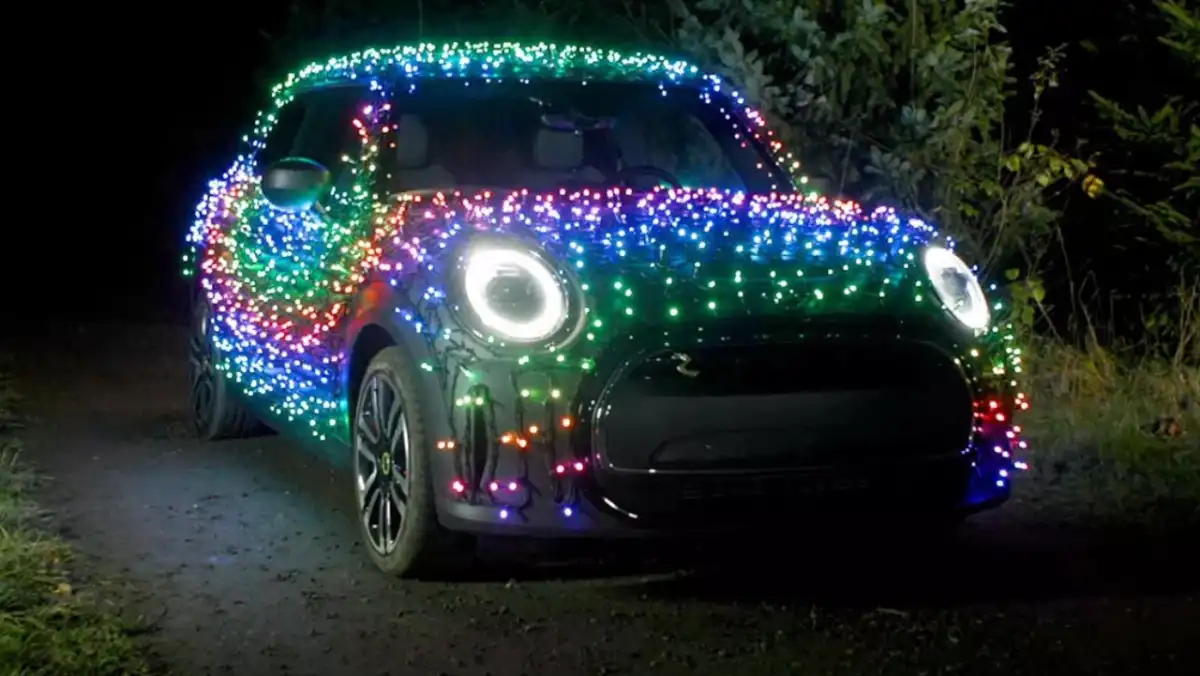
Beyond tickets and warnings, wrapping a car in string lights can be physically harsh on its exterior. Most people attach the lights using:
Adhesive tapes.
Plastic clips.
Suction cups.
Zip ties around grilles, trims or roof rails.
These fasteners can leave:
Fine scratches in the clear‑coat.
Stubborn adhesive residue.
Small cracks or stress marks in plastic and rubber parts, especially in cold weather when materials are more brittle.
The real trouble often appears when decorations are removed. Pulling off tape or clips in low temperatures can tear up tiny pieces of paint or leave dull marks that require machine polishing or, in bad cases, partial repainting to correct.
Wiring, doors and windows: hidden mechanical risks
Many DIY holiday setups route power cords and light strings through:
Door or window openings.
Gaps between hood and fenders.
Around trunk hinges or wiper bases.
These paths can cause:
Constant pressure on wires, eventually cutting or exposing them.
Damage to door seals or weatherstrips, leading to water leaks and wind noise.
Wires getting caught in moving parts like hinges or wipers, causing mechanical damage or unexpected electrical faults.
These kinds of issues are almost never covered by the vehicle warranty, as they result from unauthorised modifications.
Why it looks better online than in real life
Part of the appeal behind “cars covered in Christmas lights” comes from short clips on social platforms where:
Sports cars glow in full multi‑colour LEDs.
Big trucks look like rolling Christmas trees.
What those videos don’t usually show is:
The tickets and fines handed out later.
The cost of paint correction and trim repair.
How distracting and dangerous such lighting can be on a dark, busy road.
How to celebrate safely without breaking the rules
If you like the idea of a festive car but want to avoid legal and technical trouble, there are safer options:
Keep lights for stationary displays:
Decorate the car only when it is parked on private property, such as your driveway or yard, and don’t drive it on public roads with the lights lit.
Use non‑electrical decorations while driving:
Temporary stickers, small antenna toppers, mirror covers, or interior accessories with a holiday theme that do not alter the vehicle’s external light pattern.
Join official parades:
If your town organises a permitted holiday parade, extra lights are usually allowed within that controlled event only.
Check local regulations before modifying lighting:
Laws vary by region, but nearly all are strict about red/blue lights, flashing patterns, and anything that can be mistaken for emergency lighting.
Not every seasonal decoration belongs on the road
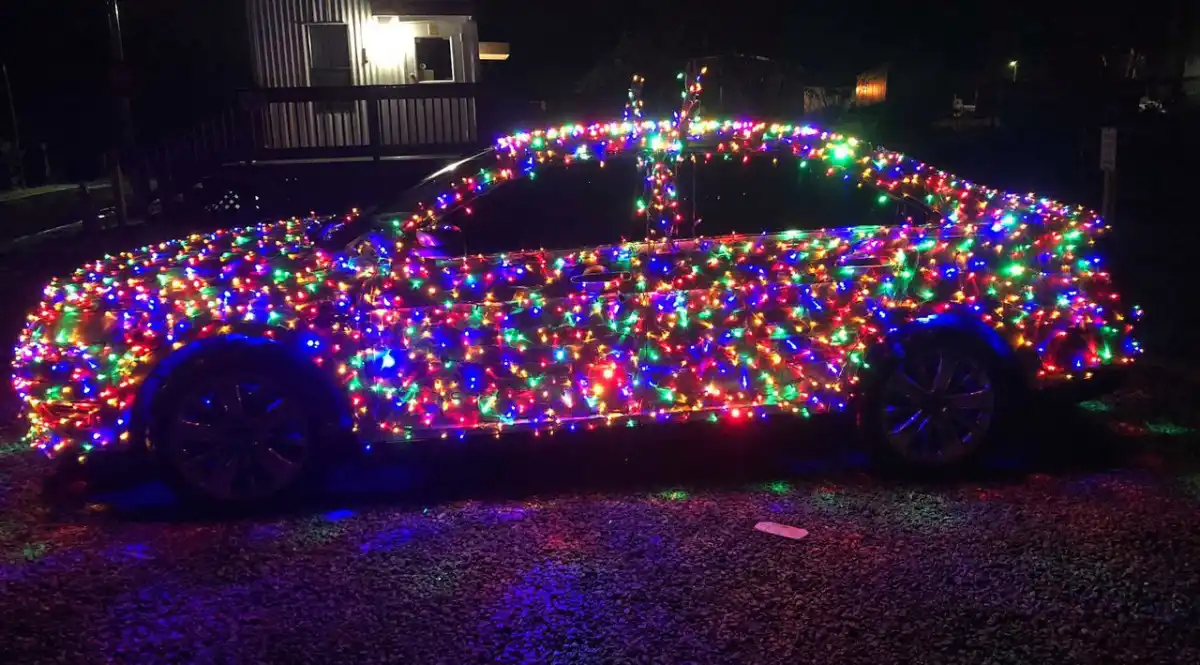
Christmas lights on your car may feel like a fun idea for a few days, but in terms of traffic law, safety and long‑term vehicle condition, they’re usually not worth it. Lighting rules exist to keep signals clear and predictable, and any attempt to “decorate” around them – even with good intentions – can land you on the wrong side of the law or with a repair bill. If you want to enjoy the holiday mood, it’s wiser to keep the lights on your house and tree, and let your car shine only with the lighting it was engineered and approved to use.