
- How Does a Car Heater Work?
- The Most Common Reasons Your Car Heater Blows Cold Air
- When Is the Problem Minor—and When Is It Dangerous?
- Causes, Symptoms, and Risk Levels
- Preventive Tips to Avoid Heater Problems
- A Cold Heater Is a Warning—Not Just an Inconvenience
On cold winter mornings, few things frustrate drivers more than turning on the car heater, waiting for warmth, and realizing the air coming out is cold as if the heater doesn’t exist at all. This issue is far more common than many drivers think, and it’s often ignored or treated as a minor inconvenience—when in reality, it can be an early warning sign of a much more serious mechanical problem within the engine or cooling system.
Your car’s heater is not a standalone system. It is directly linked to the engine’s cooling system, meaning any malfunction can indicate deeper issues. In this article, we take a detailed look at why your car heater may blow cold air, when the fix is simple, and when you should stop driving immediately and seek professional help.

How Does a Car Heater Work?
To understand the problem, you first need to understand how the system operates:
The heater relies on hot engine coolant.
As the engine warms up, heated coolant flows through a small radiator called the heater core.
The cabin fan pushes air across the heater core, warming it before it enters the cabin.
Any disruption in coolant flow, temperature, or air movement directly affects heating performance.
In simple terms: no heat from the heater often means a cooling-system problem.
The Most Common Reasons Your Car Heater Blows Cold Air
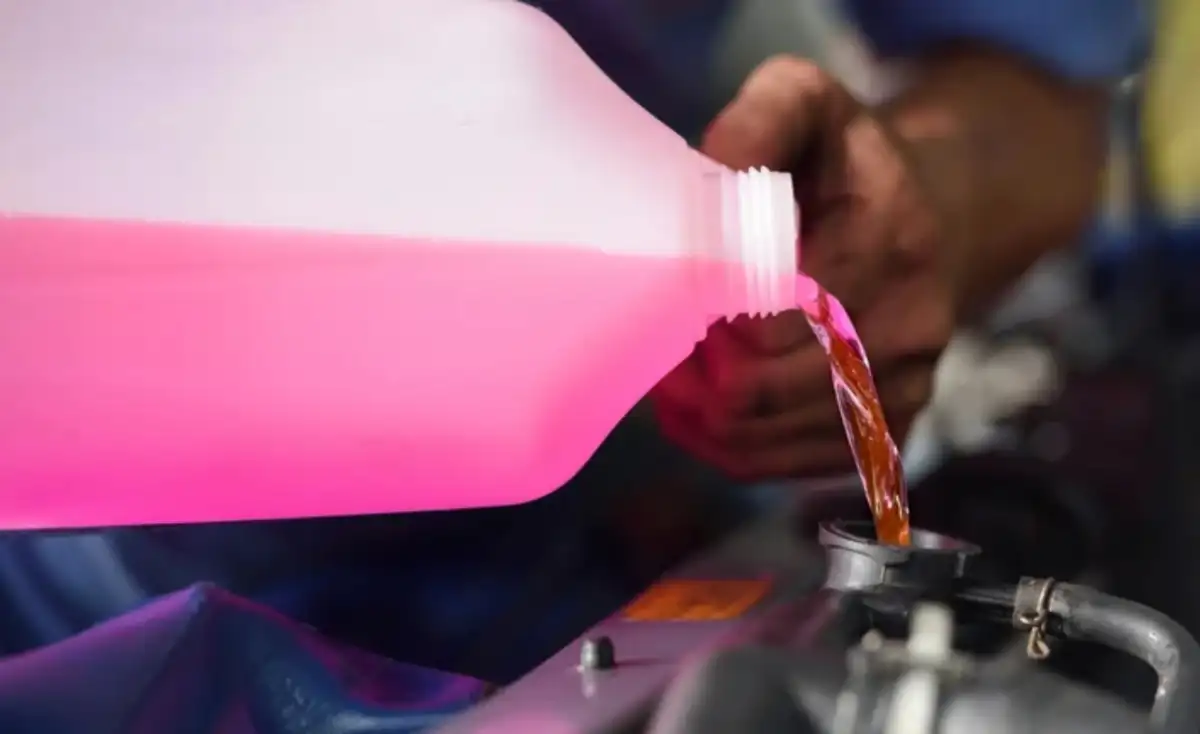
Low Coolant Level
This is the most common—and potentially the most dangerous—cause.
Low coolant prevents enough heat from reaching the heater core.
Result: cold air inside the cabin.
Common causes include:
Radiator leaks
Cracked hoses
A faulty radiator cap
Gradual coolant loss over time
Warning: Ignoring low coolant can lead to engine overheating and severe engine damage.
Air Trapped in the Cooling System
After:
Coolant replacement
Cooling-system repairs
Previous leaks
Air pockets may remain trapped inside the system, blocking proper coolant circulation.
Symptoms include:
Heater works intermittently
Temperature gauge fluctuates
Gurgling or bubbling sounds behind the dashboard
🔧 The solution usually requires proper bleeding of the cooling system.
Faulty Thermostat
The thermostat controls when coolant flows through the engine.
If stuck open:
The engine stays too cool
The heater won’t get hot coolant
If stuck closed:
The engine may overheat dangerously
A key sign:
The engine never reaches normal operating temperature, even after extended driving.
Clogged Heater Core
Over time, the heater core may become clogged with:
Rust
Sediment
Debris
Common symptoms:
Weak or cold heating
Uneven temperature across the cabin
Sometimes a sweet coolant smell inside the car
The fix may involve:
Flushing the heater core
Full replacement in severe cases (often labor-intensive and costly)
Faulty Blend Door or Actuator
Modern vehicles use electric actuators to control:
Air direction
Mixing of hot and cold air
If these fail:
Cold air continues blowing regardless of temperature settings
Often noticed when:
Adjusting temperature controls produces no change in cabin air.
Weak or Failing Water Pump
The water pump circulates coolant throughout the engine.
If it weakens or fails:
Coolant flow decreases
The heater stops working first
Engine overheating may follow
This is a serious issue that should never be ignored.
When Is the Problem Minor—and When Is It Dangerous?
Minor issues include:
Slightly low coolant
Trapped air after maintenance
Incorrect HVAC settings
Dangerous situations include:
Rising engine temperature
Heater completely stops working
Visible coolant leaks
Burning smells or steam from the engine bay
In these cases, continuing to drive may result in head-gasket failure or catastrophic engine damage.
Causes, Symptoms, and Risk Levels
Leak repair and refill |
System bleeding |
Immediate replacement |
Preventive Tips to Avoid Heater Problems
Check coolant levels regularly
Replace coolant according to manufacturer intervals
Never use plain water instead of proper coolant
Monitor engine temperature gauges
Address leaks immediately
A Cold Heater Is a Warning—Not Just an Inconvenience
Your car heater is more than a comfort feature—it’s a direct health indicator of your engine’s cooling system. Ignoring cold air from the heater can turn a small, affordable fix into a major repair bill. A smart driver reacts early, not when steam starts pouring from under the hood.