
- 2025, the year of “reset” for carmakers
- Stellantis in 2025: cleaning up after the Tavares era
- Jeep: repairing the “cash cow” after years of missteps
- Ram: evolving into a standalone, fan‑driven truck brand
- Dodge and Chrysler: small but meaningful steps back into relevance
- Nissan in 2025: hard decisions, better cars
- A new product wave that actually moves the needle
- Infiniti: slowly waking up after a long sleep
- Who really improved the most in 2025?
2025, the year of “reset” for carmakers
The year 2025 became a massive reset moment for the global auto industry, after years of aggressive, sometimes unrealistic, pushes toward full electrification. Many manufacturers were forced to scale back EV ambitions, cut models and restructure production as real‑world demand lagged behind earlier forecasts.
In the middle of this turbulence, a few brands used 2025 as a chance to fix fundamentals, repair broken lineups and reconnect with their core customers, most notably Stellantis (through Jeep, Ram, Dodge and Chrysler) and, on the other side, Nissan and Infiniti with much‑needed product renewals.
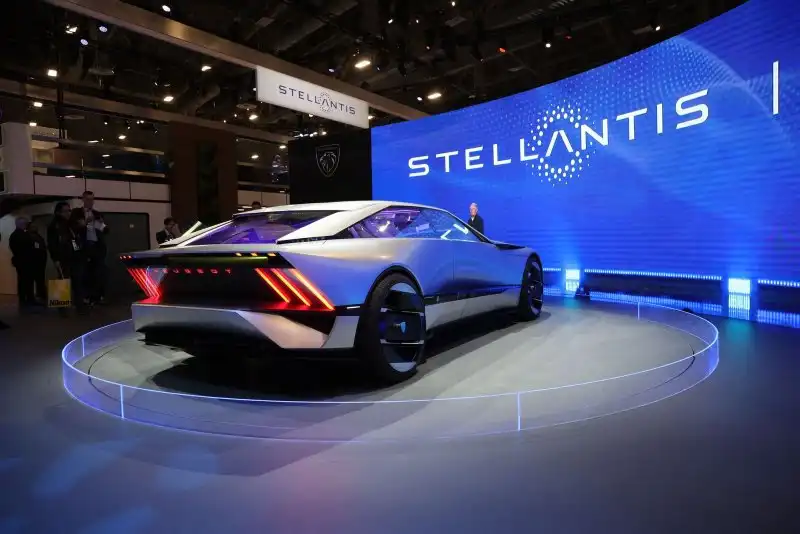
Stellantis in 2025: cleaning up after the Tavares era
Stellantis spent much of 2025 trying to move beyond the most controversial decisions of the Carlos Tavares era, especially in North America, where badly judged product and pricing strategies badly hurt key brands.
The new direction puts less emphasis on pure cost‑cutting and pushing prices up, and more on rebuilding nameplates that actually sell, especially SUVs and pickups, and giving each brand a clearer identity.
Jeep: repairing the “cash cow” after years of missteps
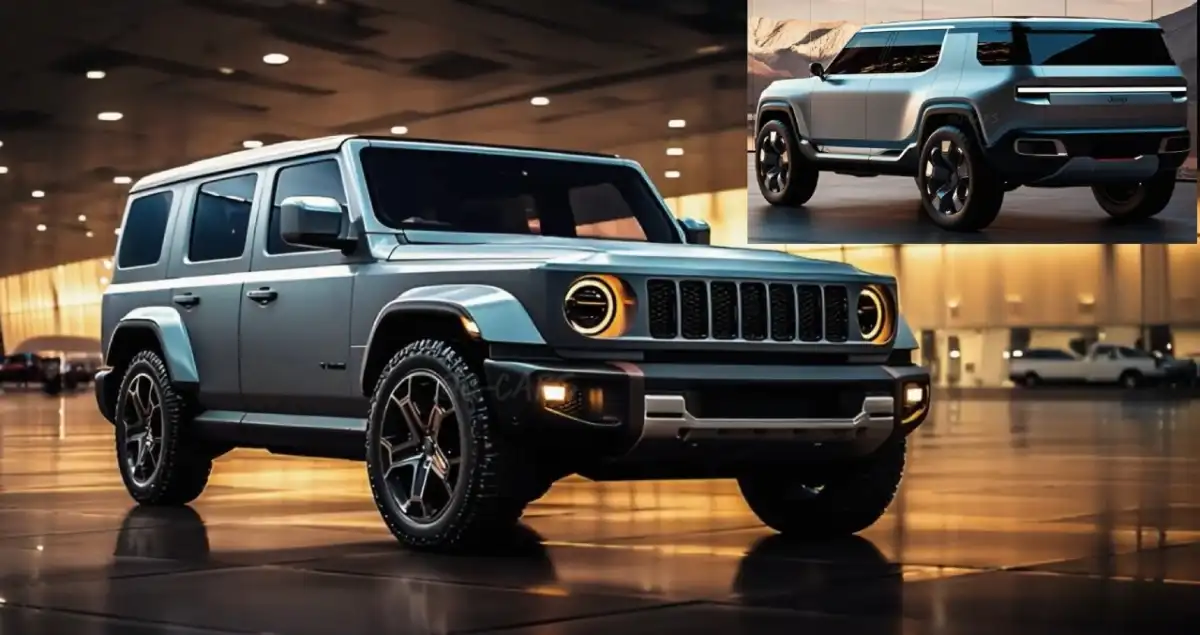
Jeep’s decline was self‑inflicted through:
An overly aggressive push upmarket that alienated core buyers.
Killing high‑volume models like the Cherokee and Renegade.
The impact was brutal: U.S. sales dropped from 923,291 units in 2019 to just 587,725 in 2024, a huge fall for what used to be one of the group’s most reliable profit generators.
In 2025 the brand began to correct course by:
Launching a fully redesigned Cherokee with more realistic positioning.
Adding the all‑new Recon, which will need time to find its place but broadens the range.
Rolling out updates for the Grand Cherokee and Grand Wagoneer to keep them competitive in crowded SUV segments.
Planning to build the next Compass in the U.S., after years of criticism that Canada had been sidelined in production planning.
A steady stream of special editions—hit‑or‑miss individually—at least keeps Jeep visible in the news cycle and in buyers’ minds.
Ram: evolving into a standalone, fan‑driven truck brand
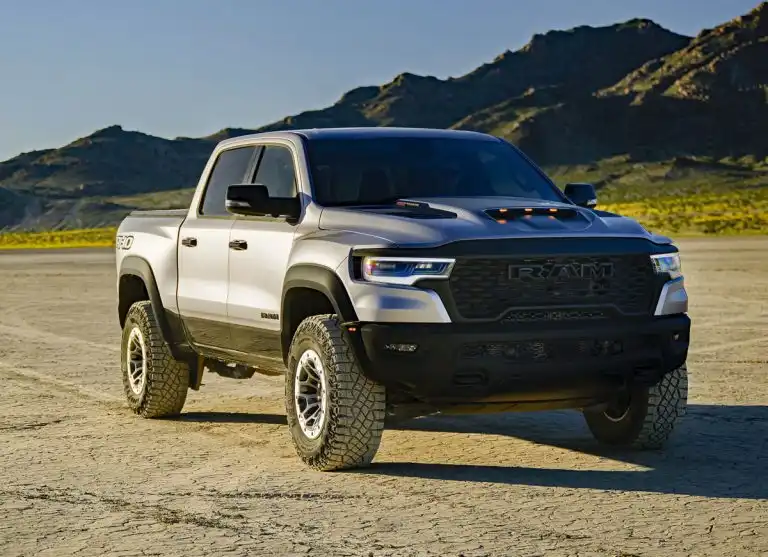
Ram is being reshaped as a proper brand in its own right, with a broader portfolio rather than just a single pickup line living inside a larger group.
Key moves include:
A new mid‑size Dakota pickup to attack a hot segment Ram had vacated.
A full‑size SUV due in 2028, likely called Ramcharger, built in Michigan and offered both with a combustion engine and a range‑extended electrified powertrain.
Heavy borrowing from Jeep Grand Wagoneer in terms of architecture and positioning for that SUV.
Just as important, Ram’s leadership is clearly listening to its core audience:
Bringing back the 5.7‑liter Hemi V8 after fan backlash over its disappearance.
Killing a fully electric pickup project that didn’t align with current demand.
Teasing an aggressive pipeline of new products, with a major reveal scheduled for January 1st.
Dodge and Chrysler: small but meaningful steps back into relevance
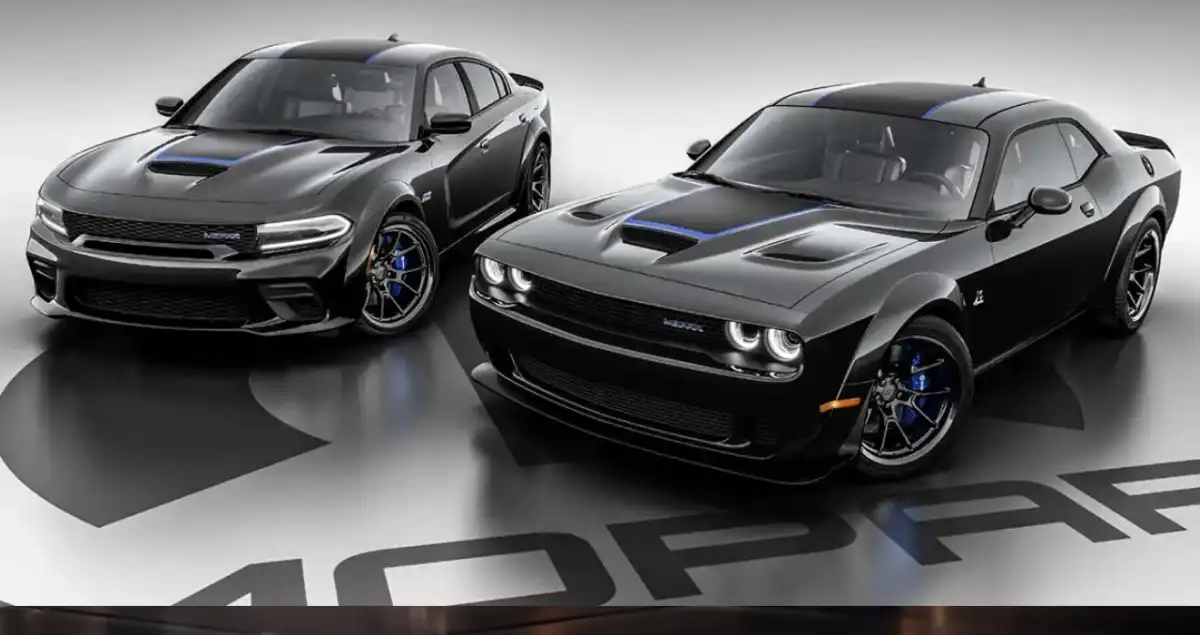
Dodge finally has a petrol‑powered muscle car again, after a period of uncertainty around its future identity.
The new model is significantly more expensive than the old Challenger, but offers a twin‑turbo 3.0‑liter inline‑six with 420 hp or 550 hp, updating the muscle‑car formula to fit stricter emissions rules.
Chrysler, while still quiet, is at least back in the conversation: concepts and future plans suggest it could benefit from Stellantis’ wider reset if they turn into real, competitive production models.
Nissan in 2025: hard decisions, better cars
Nissan has been in recovery mode for years, dealing with legacy problems in brand image, product age and profitability, and 2025 showed a company more willing to take painful but necessary steps.
Plant closures are a stark example: socially and politically unpopular, but sometimes the only way to align production capacity with real demand and avoid bleeding cash indefinitely.
A new product wave that actually moves the needle
Over the last few years Nissan has been quietly improving its lineup, but 2025 marked a more decisive break from the old era:
A redesigned Armada that finally looks and feels like a serious contender in the full‑size SUV class, with a much improved interior and tech.
A new Leaf, proving Nissan still believes in relatively affordable EVs instead of chasing only high‑priced luxury electric segments.
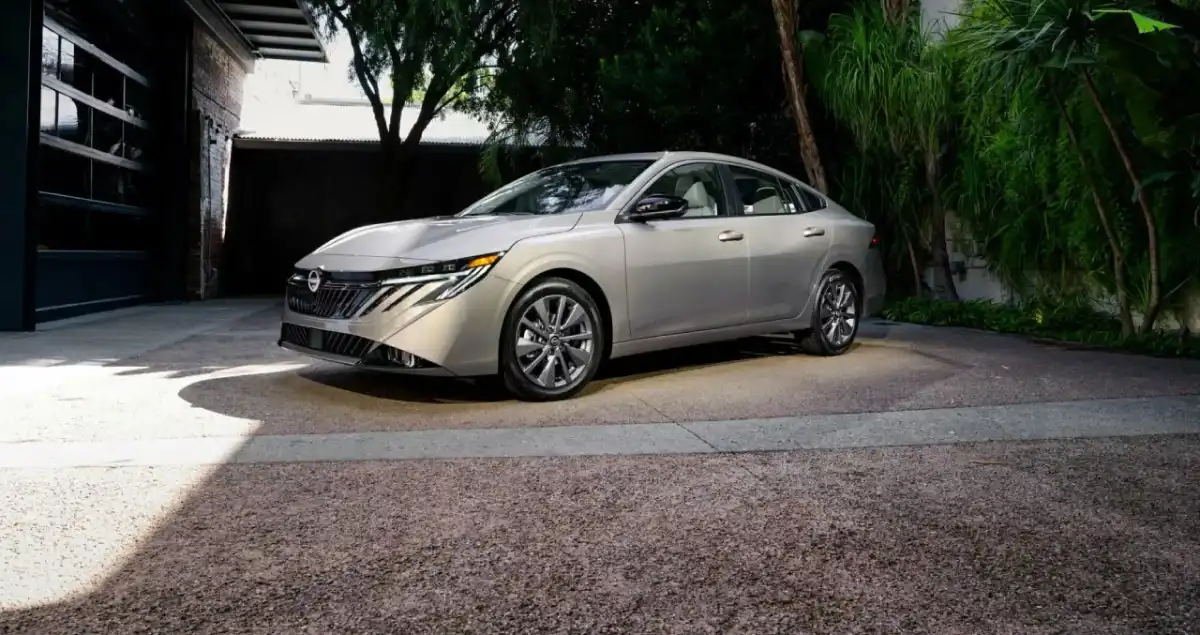
A new Sentra that takes a clear step forward in quality, refinement and efficiency, proving that entry‑level models can still feel well thought out.
Collectively, these launches show Nissan wants to preserve an accessible pricing ladder at a time when new‑car prices are inflating and affordability has become a central concern for buyers.
Infiniti: slowly waking up after a long sleep
After years of stagnation, Infiniti is finally showing signs of life:
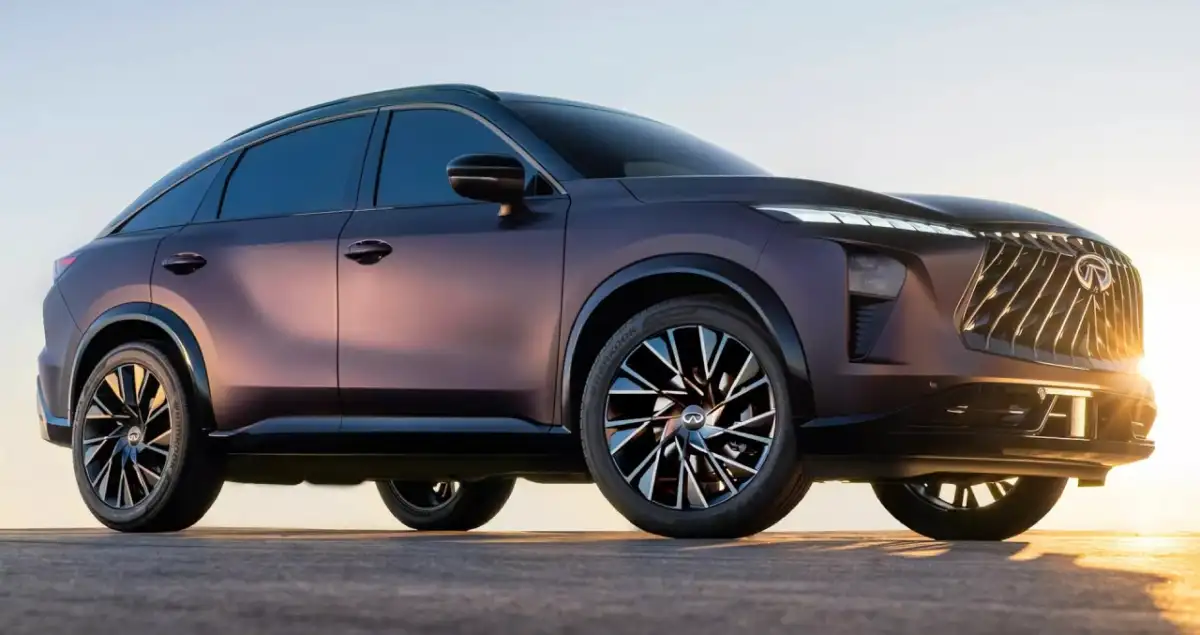
A heavily redesigned QX80 pushed sales up by 34.3% over the first nine months of the year—evidence that the full‑size luxury SUV segment still responds when the product is right.
A facelifted QX60 refreshed the mid‑size family option, while the new QX65 is due to join the lineup next year.
In parallel, the QX50 and QX55 are being phased out, indicating a conscious decision to drop underperforming models and concentrate on stronger nameplates.
Who really improved the most in 2025?
Stellantis:
What Jeep, Ram and Dodge did in 2025 goes beyond cosmetic updates; it’s a structural correction of earlier strategy errors:
Jeep is being pulled back toward its authentic off‑road‑centric identity instead of chasing luxury at any cost.
Ram is evolving into a fully fledged truck/SUV brand that balances combustion, hybrid and range‑extended options, instead of forcing a pure‑EV direction the market isn’t ready for.
Dodge is preserving the emotional appeal of a muscle car with a powertrain layout that can survive in a tougher regulatory environment.
Nissan and Infiniti:
Nissan’s improvements look less flashy but may be more fundamental: better core products, realistic pricing, and attention to the lower and middle ends of the market where volumes actually are.
Infiniti’s rebound is still in its early stages, but the QX80’s sales growth and the incoming QX65 hint at a brand that could regain relevance in luxury SUVs if it maintains this momentum.
In the end, 2025 might be remembered less for wild EV experiments and more as the year when several carmakers finally accepted market reality, fixed their lineups and started rebuilding trust with buyers—though whether this marks a lasting turnaround or just a pause before the next disruptive wave remains an open question.